How to Fix a Dry Tongue at Home: Effective Relief and Management Strategies
A dry tongue, clinically referred to as xerostomia, occurs when the salivary glands fail to produce enough moisture to keep the oral cavity hydrated. Managing this condition at home typically involves a combination of consistent hydrat...
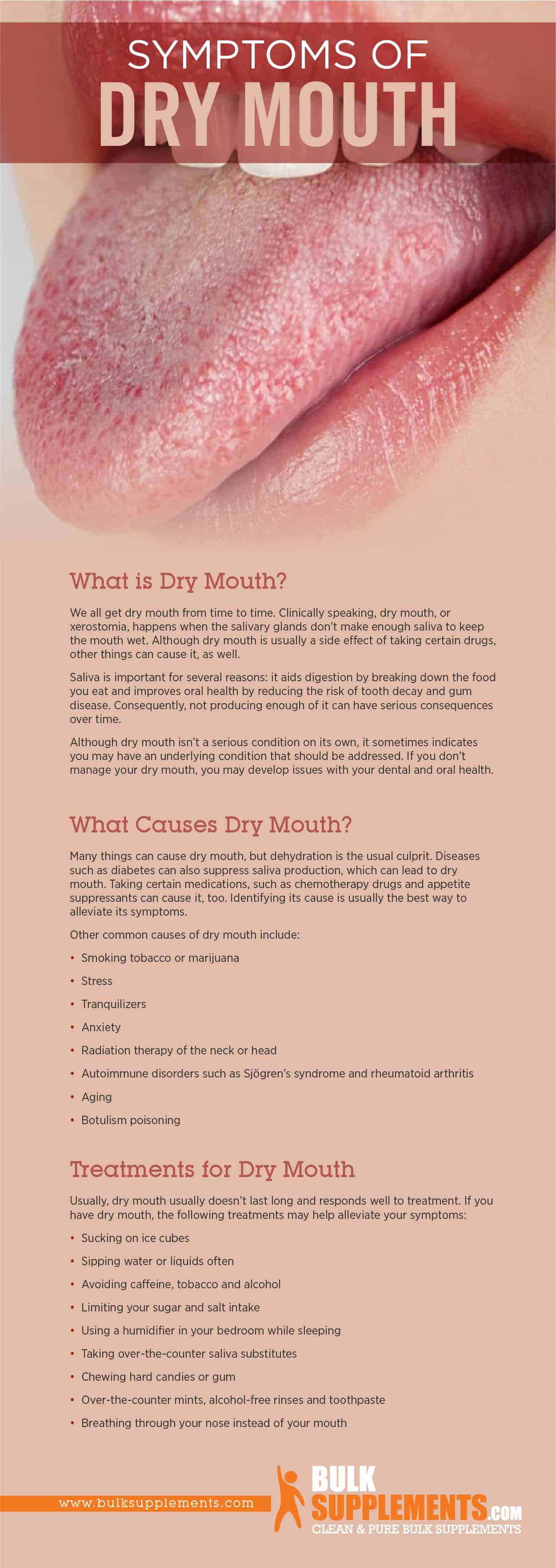
A dry tongue, clinically referred to as xerostomia, occurs when the salivary glands fail to produce enough moisture to keep the oral cavity hydrated. Managing this condition at home typically involves a combination of consistent hydration, environmental adjustments, lifestyle modifications, and the use of over-the-counter oral health products designed to stimulate saliva production or provide artificial lubrication.
Contents
Understanding the Causes of Dry Tongue
Before attempting to fix a dry tongue at home, it is essential to understand why it occurs. While often temporary, a dry tongue can be a symptom of underlying factors ranging from mild dehydration to systemic health issues or medication side effects.
Common causes include:
- Dehydration: Failing to consume sufficient fluids throughout the day is the most frequent cause of oral dryness.
- Medication Side Effects: Hundreds of prescription and over-the-counter medications—including antihistamines, decongestants, antidepressants, and blood pressure pills—list dry mouth as a primary side effect.
- Environmental Factors: Sleeping in rooms with low humidity or breathing primarily through the mouth (often due to nasal congestion) causes the tongue and throat tissues to dry out rapidly.
- Lifestyle Choices: The consumption of tobacco, alcohol, and high-caffeine beverages can significantly reduce saliva flow.
- Aging: As the body ages, the production of saliva naturally decreases, making seniors more prone to the sensation of a dry, parched tongue.
Immediate Home Remedies for Instant Relief
When you notice your tongue feels parched, the immediate goal is to rehydrate the oral environment and stimulate the salivary glands.
- Hydration Frequency: Rather than drinking large amounts of water at once, take small, frequent sips throughout the day. Keeping a water bottle nearby ensures you do not wait until you feel thirsty to hydrate.
- Saliva Stimulation: Chewing sugar-free gum, particularly varieties containing xylitol, is one of the most effective ways to trigger saliva production. Xylitol not only promotes moisture but also helps prevent tooth decay, which is a significant risk for those with chronic dryness.
- Use of Artificial Saliva Substitutes: Many pharmacies carry over-the-counter oral sprays, gels, and lozenges designed specifically for dry mouth. These products often contain carboxymethylcellulose or hydroxyethyl cellulose to mimic the consistency of natural saliva and provide long-lasting moisture.
- Tongue-Specific Care: Gently brushing your tongue with a soft-bristled brush can help remove debris and stimulate blood flow to the surface tissues, which may feel soothing if the tongue is dry and irritated.
Environmental and Lifestyle Adjustments
If the dryness is chronic, you must address the environment in which you spend your time, especially during sleep.
- Humidity Control: Use a cool-mist humidifier in your bedroom during the night. Increasing the ambient humidity prevents your mouth from drying out while you sleep, which is often when the problem is most pronounced.
- Nasal Passage Clearance: If you suffer from seasonal allergies or chronic congestion, you are likely a mouth breather at night. Use saline nasal sprays or rinses before bed to ensure your nasal passages remain open, allowing you to breathe through your nose and keep your mouth closed.
- Dietary Modifications: Limit "drying" foods that are high in salt, spice, or sugar. These ingredients can exacerbate the sensation of dryness. Opt for soft, moist foods, such as soups, stews, or cooked vegetables, which require less saliva to break down before swallowing.
Oral Hygiene Practices for Sensitive Tissues
A dry tongue is highly susceptible to bacterial growth and irritation. Maintaining a rigorous but gentle hygiene routine is vital.
- Avoid Alcohol-Based Products: Standard mouthwashes frequently contain high levels of alcohol, which is a drying agent. Switch to an alcohol-free, pH-balanced mouthwash formulated for sensitive or dry mouths.
- Gentle Toothpaste: Use a mild toothpaste, ideally one that is SLS-free (sodium lauryl sulfate), as some people find that foaming agents contribute to oral irritation.
- Regular Cleaning: Dryness increases the risk of dental plaque buildup. Ensure you brush twice daily and floss once a day to prevent the complications associated with reduced salivary flow, such as gum disease and persistent bad breath.
Comparative Overview of Relief Methods
| Method | Mechanism of Action | Best Use Case |
|---|---|---|
| Xylitol Gum | Stimulates glands via chewing | Immediate, daytime relief |
| Humidifier | Adds moisture to air | Nighttime/sleeping issues |
| Oral Gels/Sprays | Coats tissues with lubricant | Sustained, targeted relief |
| Saline Rinse | Clears nasal passages | Addressing mouth-breathing |
| Alcohol-Free Rinse | Hydrates without irritation | Post-meal oral care |
When to Seek Professional Consultation
While home remedies are effective for most cases of mild or occasional dryness, you should consult a healthcare professional if your dry tongue is accompanied by difficulty swallowing, persistent sores, significant changes in taste, or if the condition does not improve after two weeks of consistent home care.
A doctor or dentist can determine if your dry tongue is a result of a medication you are taking, in which case they may suggest an alternative dosage or a different medication. Furthermore, they can screen for underlying conditions like Sjögren’s syndrome, diabetes, or nerve damage that might require medical intervention beyond home management.
Frequently Asked Questions
1. Can drinking more water solve chronic dry tongue? Water is necessary, but it is often insufficient if the salivary glands are not producing enough saliva. While water provides temporary relief, saliva contains essential enzymes and proteins that protect oral health. If hydration alone doesn't work, you need products that stimulate saliva or replace its lubricating properties.
2. Why does my tongue feel dry only at night? Saliva production naturally slows down during sleep. If you are a mouth breather, have low room humidity, or take medication that peaks in your system at night, your mouth will dry out significantly more while you sleep than during the day.
3. Does coffee contribute to a dry tongue? Yes. Caffeine is a mild diuretic and can contribute to systemic dehydration. Furthermore, coffee can alter the oral pH, creating an environment that feels drier and more acidic, which may increase the sensation of a "fuzzy" or parched tongue.
4. Are there specific ingredients I should avoid in oral care products? Avoid products containing alcohol (often listed as ethanol or SD alcohol), as these strip the mouth of moisture. Additionally, some people are sensitive to sodium lauryl sulfate (SLS), which can irritate dry mouth tissues.
5. How long does it take for home remedies to work? Immediate relief from sprays or hydration is usually instantaneous. However, if you are treating a chronic issue like mouth-breathing or dehydration, it may take several days of consistent lifestyle changes to notice a sustained improvement in oral comfort.
Next Actions
Start by assessing your fluid intake and the ingredients in your current oral hygiene products. If you use a mouthwash with alcohol, replace it immediately with an alcohol-free alternative. If you notice your tongue is consistently dry upon waking, invest in a humidifier for your bedroom and focus on establishing a nighttime routine that includes a non-alcoholic oral lubricant or gel. By combining these environmental and personal care strategies, you can significantly reduce the discomfort associated with a dry tongue.
Image Gallery