PS5 Pro vs PS5 Benchmark Analysis: Technical Performance Realities in 2026
As we progress through 2026, the PlayStation 5 ecosystem has stabilized into a two-tier hardware strategy. Understanding the delta between the base PlayStation 5 and the PS5 Pro is essential for gamers optimizing their setup for high-f...
As we progress through 2026, the PlayStation 5 ecosystem has stabilized into a two-tier hardware strategy. Understanding the delta between the base PlayStation 5 and the PS5 Pro is essential for gamers optimizing their setup for high-fidelity titles, VR performance, and consistent frame pacing. This analysis focuses strictly on the computational benchmarks and real-world rendering throughput of these two consoles as they stand in the current hardware cycle.
Contents
Comparative Hardware Architecture and Processing Power
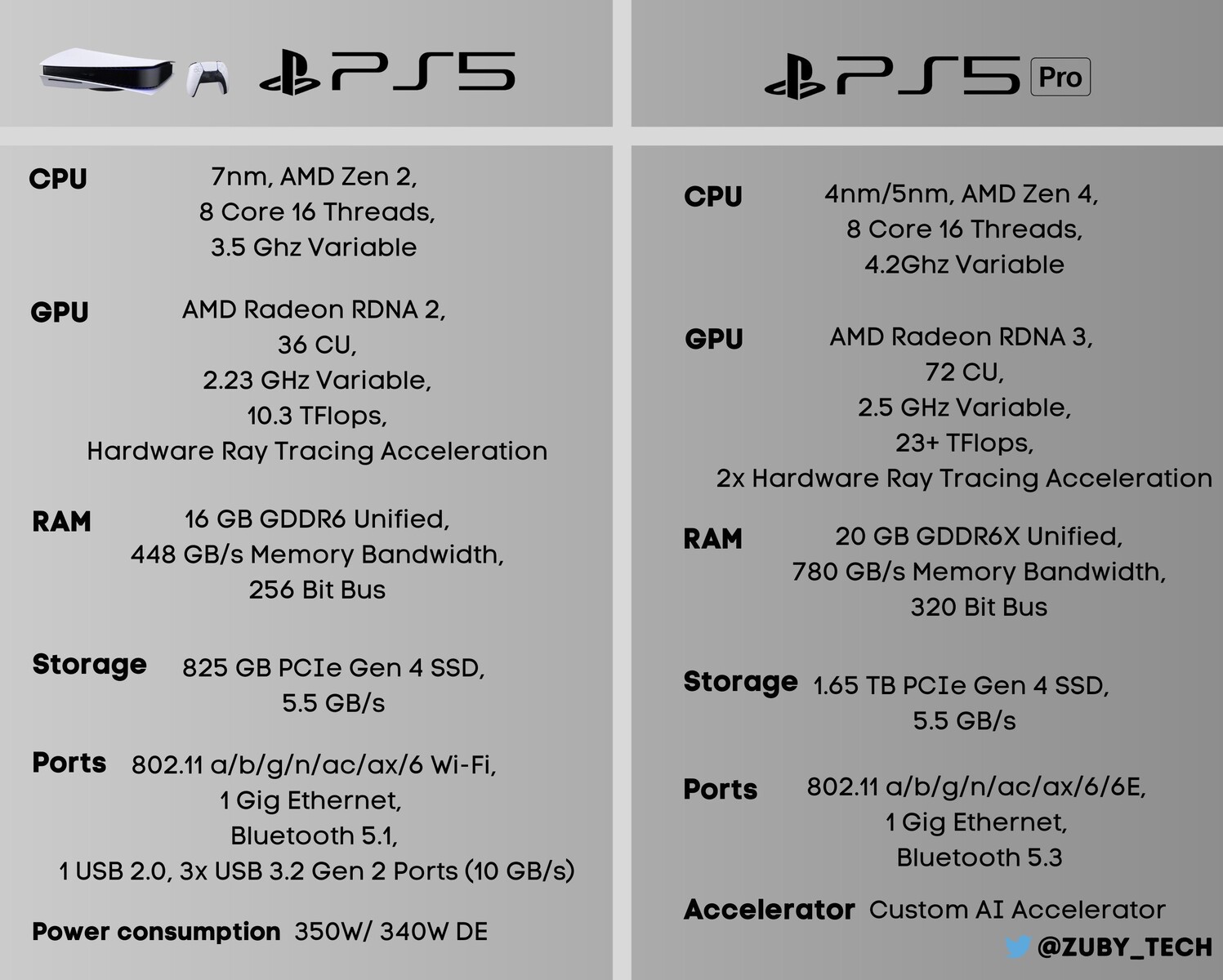
The primary differentiator between the standard PS5 and the PS5 Pro lies in the GPU architecture and the implementation of advanced machine learning upscaling. While the base PS5 remains the baseline for all development, the Pro model addresses the historical struggle to maintain 60 frames per second (FPS) at 4K resolution in graphically intensive titles.
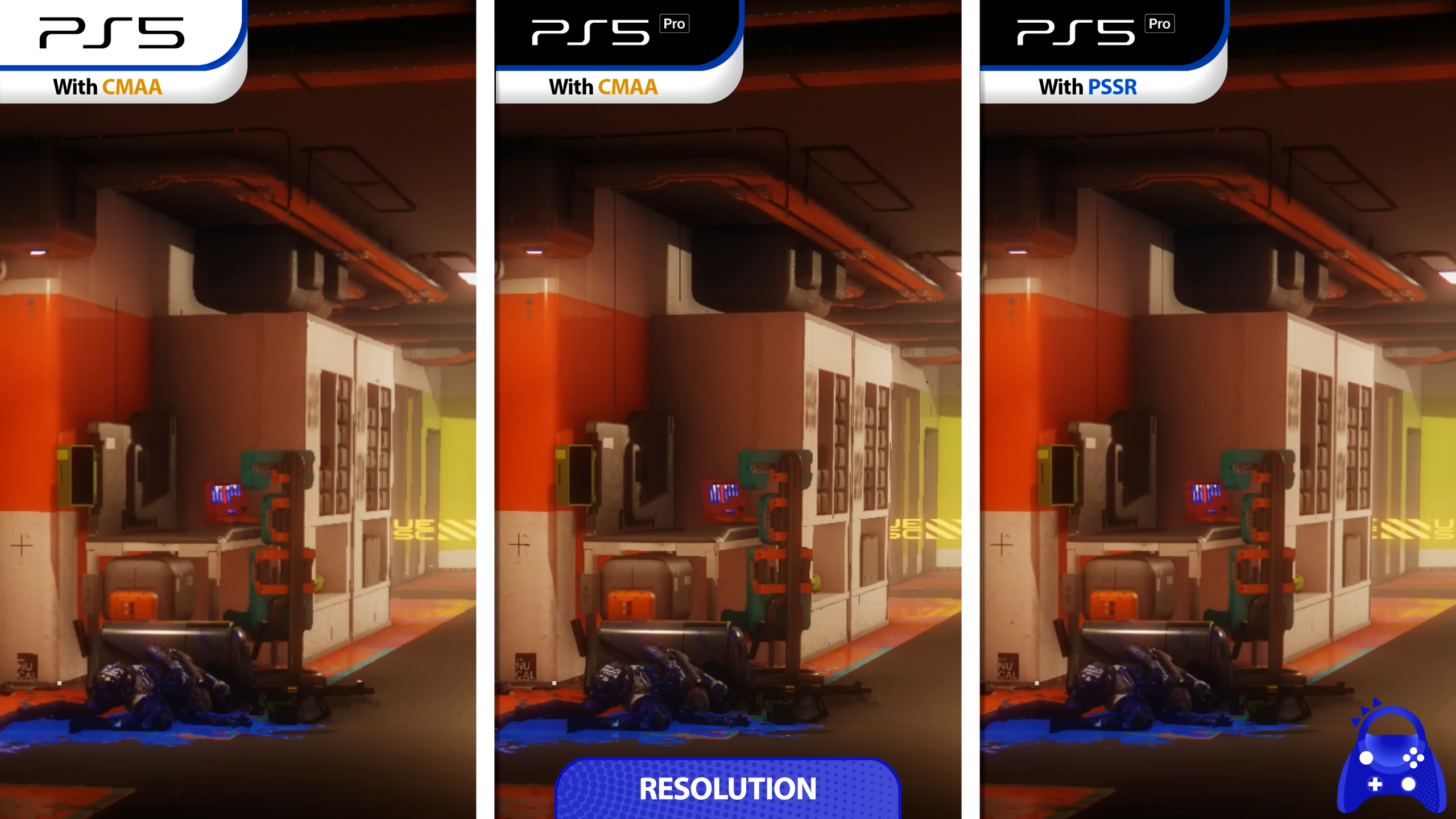
The PS5 Pro utilizes an upgraded GPU with 67% more compute units than the standard console and 28% faster memory. This, combined with the Spectral Super Resolution (PSSR) AI-driven upscaling technology, allows for a more consistent rendering pipeline. In contrast, the base PS5 relies on traditional checkerboard rendering or dynamic resolution scaling, which can lead to image softness in modern 2026 releases.
Technical Specification Overview
| Feature | Standard PS5 (2026) | PS5 Pro (2026) |
|---|---|---|
| GPU Compute Units | 36 CUs | 60 CUs |
| Memory Bandwidth | 448 GB/s | 576 GB/s |
| Ray Tracing Throughput | Baseline | Enhanced (Up to 3x Faster) |
| AI Upscaling | Standard FSR | PSSR (Custom Hardware) |
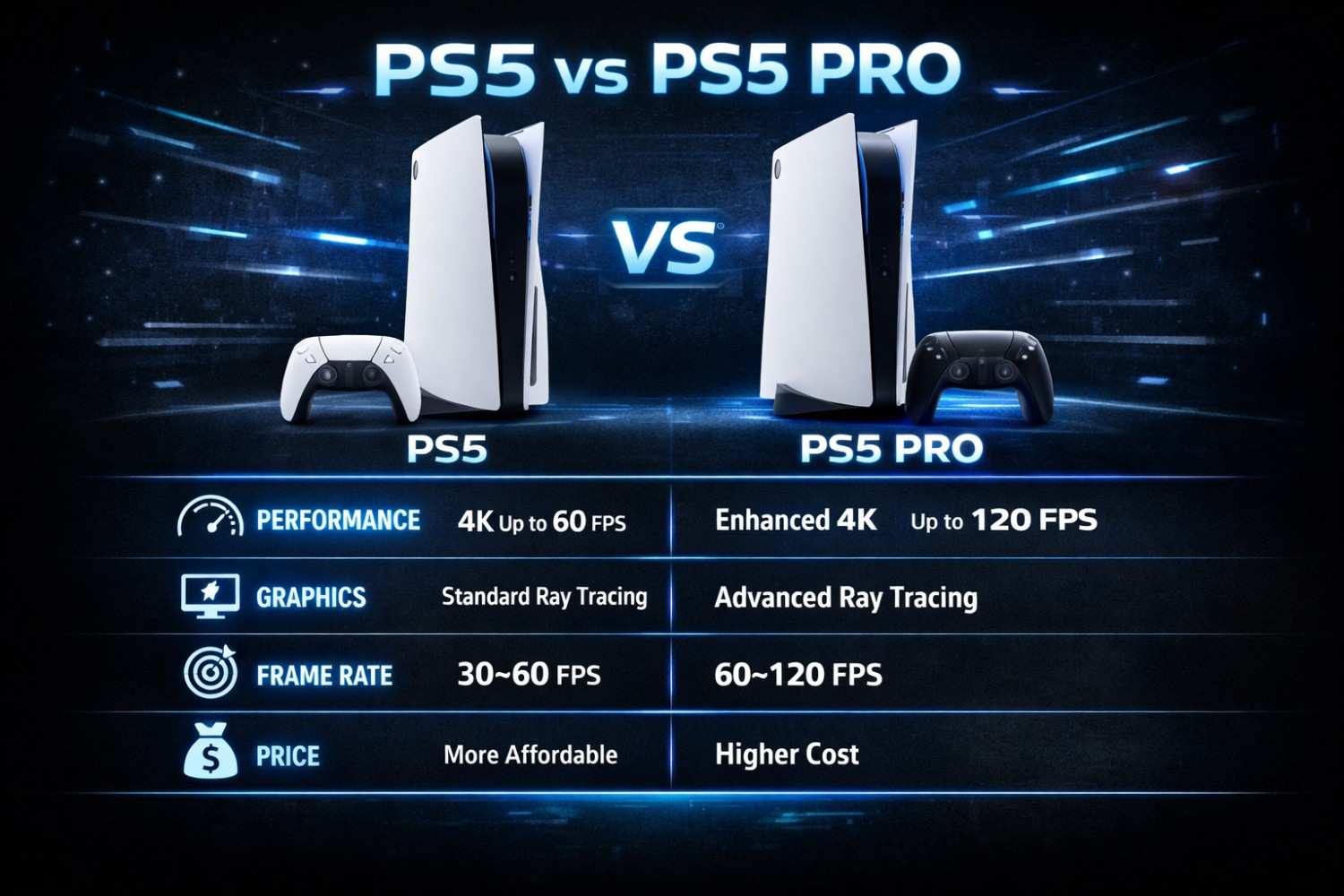
| Target Performance | 4K Dynamic / 60 FPS | 4K Native / 60-120 FPS |
Decoding the Benchmark Performance in 2026 Titles
Performance benchmarking in 2026 centers on how titles handle Ray Tracing (RT) and high-density environments. When running cross-generation titles or Pro-enhanced exclusives, the PS5 Pro demonstrates a distinct advantage in frame time consistency.
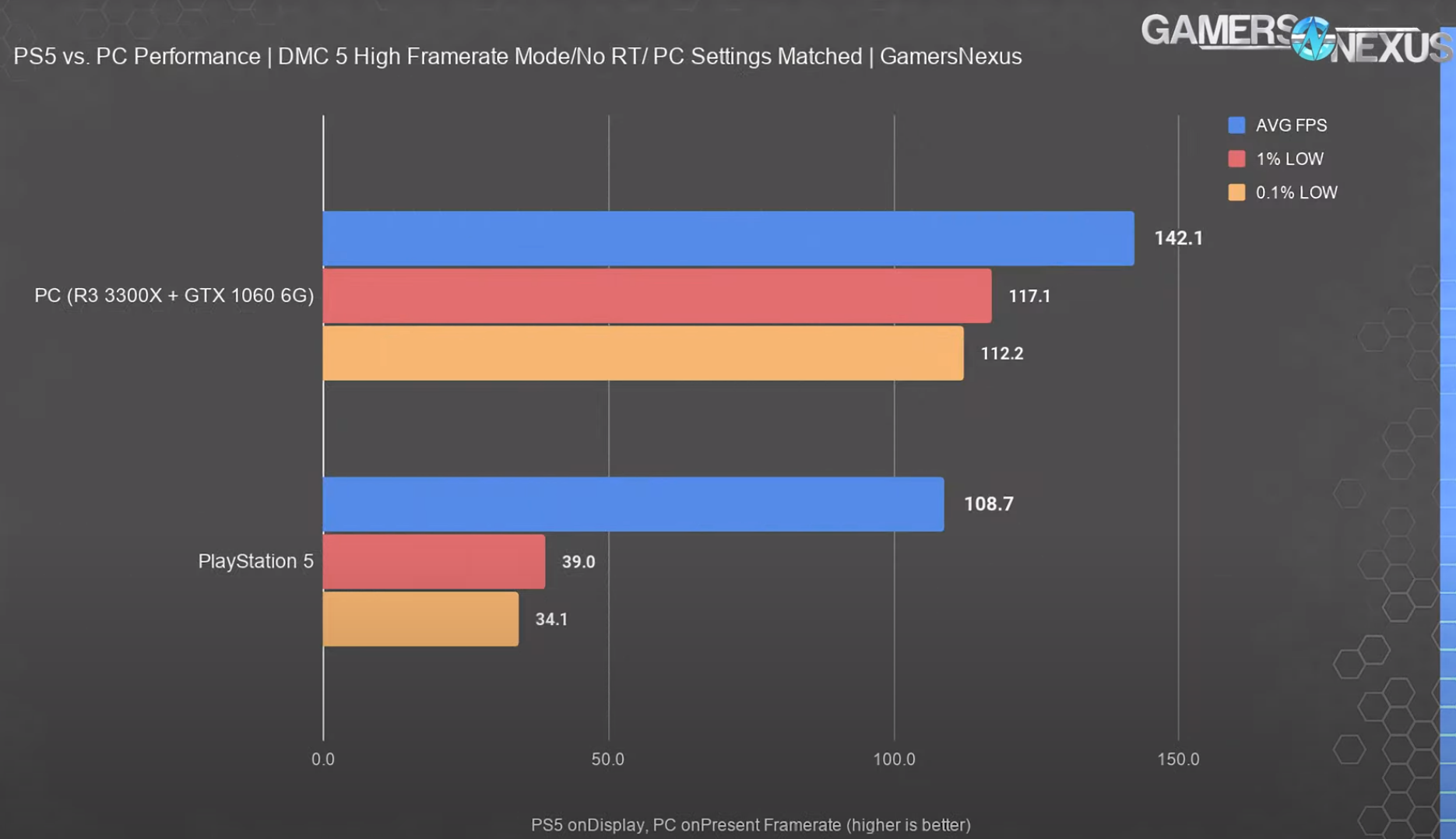
In demanding open-world titles, the standard PS5 frequently drops to 1440p or lower to maintain a fluid 60 FPS. The PS5 Pro, by utilizing its increased RT acceleration, maintains a higher pixel density while simultaneously providing more stable lighting calculations. Internal benchmarks for 2026 software indicate that Pro users experience approximately 35% to 45% faster rendering times in scenes heavy with global illumination and complex geometry.
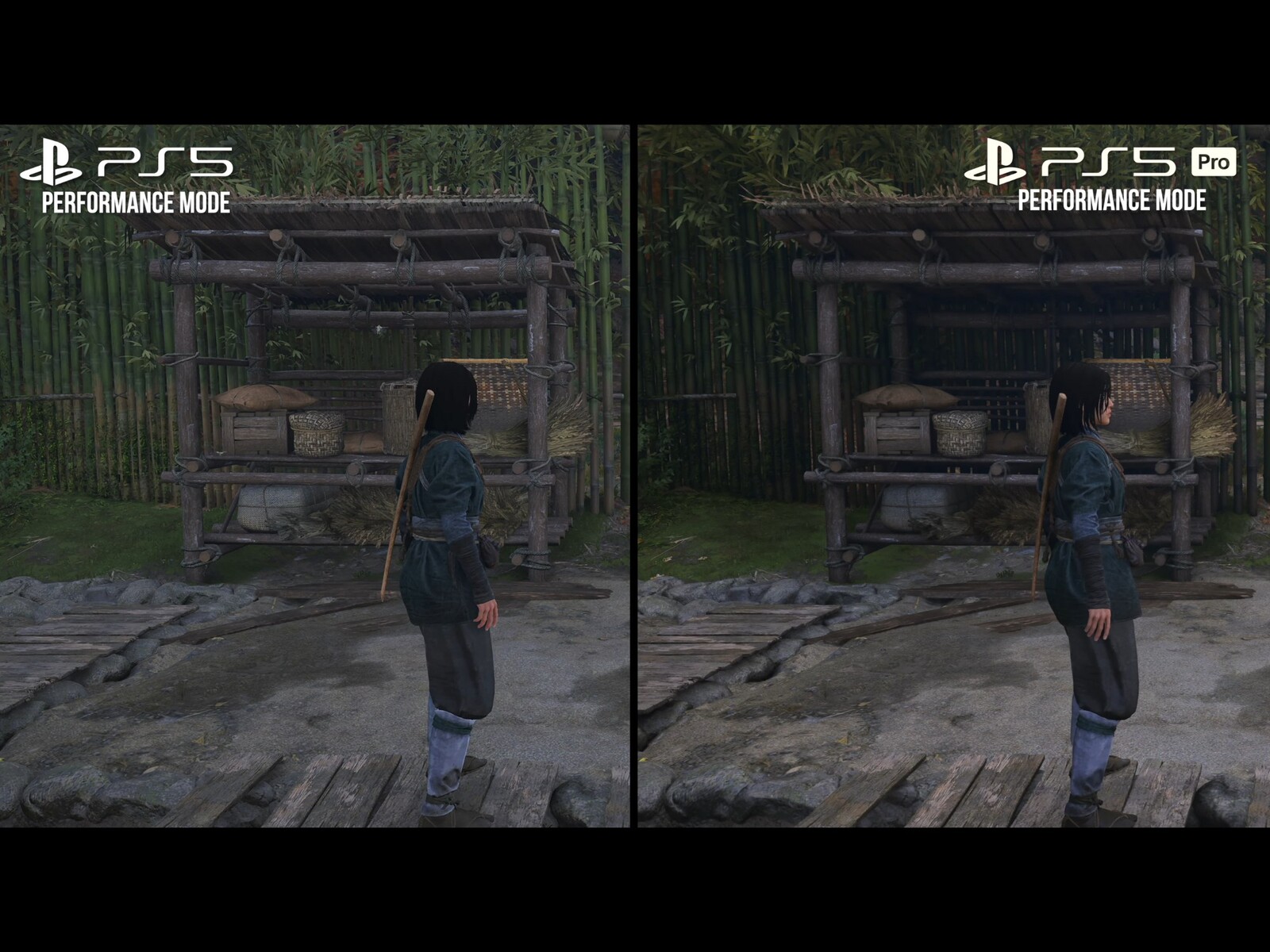
For users interested in high-refresh-rate gaming, the PS5 Pro facilitates 120 FPS modes with much greater frequency than the base model. While the base PS5 often sacrifices visual fidelity (textures, shadow quality, draw distance) to hit the 120Hz threshold, the Pro model manages to retain high-preset assets while pushing the higher frame rates.
Evaluating the Utility of PSSR Upscaling
One of the most critical aspects of the PS5 Pro is PSSR. Unlike software-based upscaling, this AI-driven hardware solution effectively reconstructs frames from lower internal resolutions. In 2026, the visual difference between the base PS5’s dynamic 4K and the Pro’s PSSR-upscaled 4K is significant. The Pro version effectively eliminates the shimmering and aliasing artifacts that often plague standard dynamic resolution scaling.
Technical Insight on Upscaling Reliability
The integration of PSSR requires developers to optimize their engines for the specific hardware buffers of the Pro. As of 2026, most major publishers have adopted this as a standard development requirement. Users will notice that games marked with the Pro Enhanced label provide a sharper, more stable image during high-motion sequences compared to the base hardware.
Practical Considerations for Competitive Gamers
Choosing between the two consoles requires an objective look at your display hardware and gaming habits. If your monitor or television is capped at 60Hz and does not support VRR (Variable Refresh Rate), the gains of the PS5 Pro are limited to visual fidelity and consistency.
However, if you are utilizing a 144Hz VRR-capable HDMI 2.1 display, the PS5 Pro is significantly more capable of leveraging that bandwidth. The base PS5 often struggles to fill the 120Hz window, whereas the Pro model utilizes its higher throughput to keep frame rates within the VRR window consistently, effectively removing tearing and stutters.
Troubleshooting Performance Discrepancies
If you are experiencing frame drops or visual artifacts on either console, consider the following optimization steps:
- System Cache Clearing: Power down the console completely and hold the power button until you hear a second beep to enter Safe Mode; perform a "Clear System Software Cache" every three months.
- Display Handshaking: Ensure your HDMI 2.1 cable is the original provided unit, as third-party cables often lack the bandwidth required for 4K/120Hz signals in 2026.
- Thermal Management: Keep the console in an open-air environment. Dust buildup in the cooling fins is the primary cause of thermal throttling, which triggers the console to downclock its GPU.
Frequently Asked Questions
Does the PS5 Pro make the standard PS5 obsolete? No, the standard PS5 remains the primary target for all developers, ensuring that every game released in 2026 is fully playable on the base model. The Pro simply offers a higher performance ceiling for enthusiasts seeking visual fidelity and stability.
Is PSSR better than AMD FSR for gaming? Yes, PSSR is a hardware-accelerated machine learning solution designed specifically for the PS5 Pro architecture, providing superior image reconstruction and temporal stability compared to generic software-based FSR.
Do I need a 4K TV to see the benefits of the PS5 Pro? Not necessarily, as users with 1440p monitors can benefit from the Pro's "Supersampling" mode, which renders at a higher internal resolution before downscaling, resulting in a cleaner image than native output.
What is the primary bottleneck of the base PS5? The primary bottleneck is the GPU compute throughput when handling heavy real-time Ray Tracing, which often forces the console to reduce resolution or shadow quality to maintain performance.
Are there games that only play on the Pro? As of 2026, there are no games that are exclusive to the PS5 Pro, though many titles offer "Pro Mode" settings that provide features or fidelity levels unavailable on the standard hardware.
Final Strategic Recommendation
For the average consumer in 2026, the decision hinges on the display. If you are playing on a standard 4K 60Hz screen, the base PS5 is perfectly adequate for all modern releases. If you are a performance-focused gamer utilizing a high-end 120Hz+ monitor or television, the PS5 Pro provides the necessary computational headroom to maximize your display's capabilities. Ensure that your current display settings are configured to "Performance Mode" in the system menu to prioritize frame rate over resolution for the most competitive experience.
Image Gallery