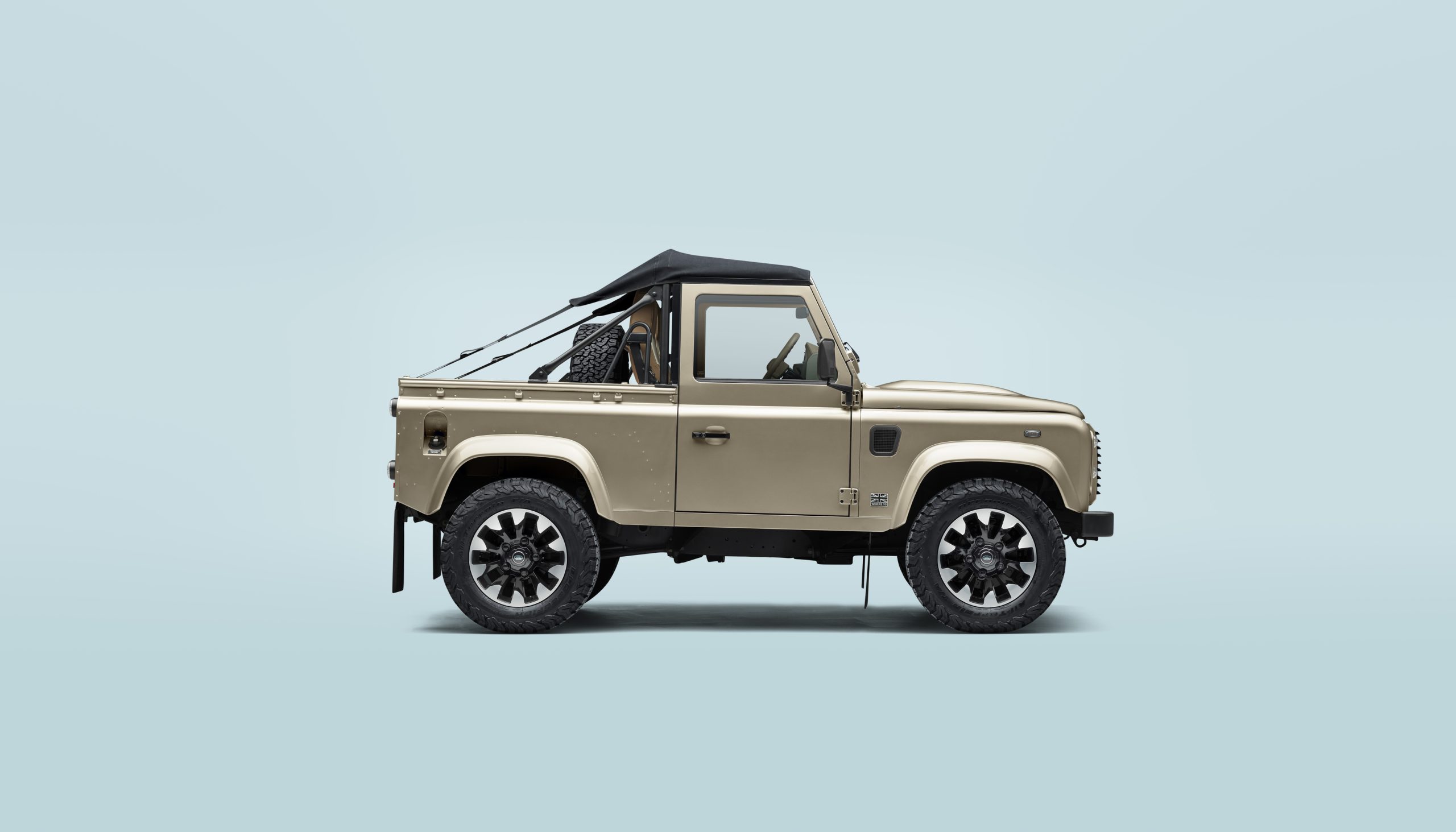
Choosing the Best Soft Top Land Rover for Your Needs: A Comprehensive Guide
Selecting the ideal soft top Land Rover depends on balancing mechanical simplicity, weather protection, and intended use. Whether you opt for a classic Series IIA with traditional canvas or a modern Defender 90 with a bespoke mohair ti...
Selecting the ideal soft top Land Rover depends on balancing mechanical simplicity, weather protection, and intended use. Whether you opt for a classic Series IIA with traditional canvas or a modern Defender 90 with a bespoke mohair tilt, the choice hinges on your tolerance for noise, your local climate, and the vehicle's storage security.
Contents
The soft top Land Rover is an icon of utilitarian design. Originally conceived as a way to save on steel and weight in the post-war era, the canvas-roofed Land Rover has evolved from a farm implement into a high-value lifestyle vehicle. By 2026, the market for these vehicles has bifurcated into two distinct categories: authentic historical restorations and highly capable "restomod" daily drivers. To choose the right one, you must understand the interplay between the chassis type, the hood material, and the supporting framework.
Understanding the Primary Models
The choice of a soft top vehicle begins with the chassis and the era of engineering. Not every Land Rover is equally suited for open-air conversion or ownership.
The Series I, II, and III (1948–1985)
For many enthusiasts, the Series Land Rover is the only "true" soft top. These vehicles were designed from the ground up to be modular. You can remove the door tops, fold down the windshield, and remove the "stick set" (the tubular frame) to create a completely open experience.
The Series I is a collector’s piece, often featuring a simple, thin canvas. The Series IIA is frequently cited as the most aesthetically pleasing, while the Series III offers slightly better ergonomics. If your goal is a weekend beach cruiser or a low-speed rural explorer, a Series soft top is incomparable. However, they lack modern insulation and are notoriously "drafty," even with the top fully secured.
The Classic Defender 90 and 110 (1983–2016)
The Classic Defender refined the soft top concept with better door seals and more robust engine options, such as the 300Tdi or the TD5. The Defender 90 Soft Top is the quintessential "shorty" configuration, offering a sporty, aggressive look. The Defender 110 Soft Top is rarer but provides immense utility, often used as a troop carrier or for overland expeditions where easy access to the cargo bed is required.
Unlike the Series models, Defenders often feature roll cages or heavy-duty "internal hoops" for safety, which changes the profile of the soft top. When choosing a classic Defender, check if it is a factory soft top or a "hard top conversion." Factory soft tops often have specific tailgates (drop-down style) that are more practical for open-air use than a side-swinging door.
The Range Rover Evoque Convertible (2016–2019)
A departure from the rugged utility of its siblings, the Evoque Convertible was a specialized foray into the luxury market. It uses an automated Z-fold fabric roof. While it lacks the "hose-out" interior of a Defender, it is the only Land Rover that offers a fully automated soft top experience with modern climate control and noise isolation. By 2026, these are sought-after niche vehicles for urban environments where style and modern amenities take precedence over off-road articulation.
The New Defender (L663) and Aftermarket Conversions
As of 2026, the current generation Defender does not offer a factory "full" soft top in the traditional sense, though it features a large "Fabric Folding Roof" option. For those seeking a true open-back L663, companies like Heritage Customs have filled the gap with bespoke convertible conversions. These are high-end, luxury-oriented builds that provide the 21st-century performance of a modern Land Rover with the classic silhouette of a soft top.
Material Matters: Canvas, Mohair, and Vinyl
The material of the "tilt" (the British term for the soft top) defines your ownership experience. Your choice should be dictated by where the vehicle will be stored and how often it will face inclement weather.
Traditional Cotton Canvas
Standard canvas is the historically accurate choice for Series and early Defender models. It is breathable, which helps prevent condensation inside the cabin during the winter.
- Pros: Authentic look, smells "correct," and the fibers swell when wet to create a natural waterproof barrier.
- Cons: Prone to shrinking if left off the vehicle for too long; susceptible to mold and mildew if stored wet.
Stayfast Mohair
Mohair is a multi-layered fabric often found on high-end convertibles like Jaguars or Aston Martins. In the Land Rover world, it is the premier choice for luxury restorations.
- Pros: Deep color retention (especially in black or sand), excellent sound dampening, and much higher resistance to UV fading.
- Cons: More expensive than canvas; can look "too modern" on a rugged, unrestored Series I.
PVC/Vinyl
Vinyl tops were common on military surplus Land Rovers and budget-friendly replacements.
- Pros: Completely waterproof and very easy to wipe clean after off-roading.
- Cons: They do not breathe, leading to high humidity inside the cab; they can become brittle and crack in extreme cold.
Configuration and Practicality
A soft top Land Rover is not a "one size fits all" setup. You must choose a configuration that matches your daily logistics.
- Full Tilt: Covers the entire vehicle from the windshield to the tailgate. This provides the most protection but requires the most effort to remove.
- Bikini Top: Covers only the driver and passenger seats. It is ideal for summer climates where you want shade from the sun but don't mind the wind.
- Truck Cab (Half Tilt): This covers the front seats and leaves the rear bed open. It is a popular choice for those using their Land Rover for light hauling or gardening.
The Importance of the Stick Set
The "stick set" is the frame that supports the fabric. If you are buying a vehicle that currently has a hard top and you wish to convert it, you must ensure the stick set is of high quality. Modern sets are often galvanized to prevent rust. Furthermore, you must decide between a "standard" height and a "high-capacity" set, the latter of which provides more headroom in the rear but may prevent the vehicle from fitting into standard 2026 residential garages.
Comparative Specifications for Soft Top Selection
| Model Era | Best Use Case | Seating Capacity | Roof Operation | Ease of Maintenance |
|---|---|---|---|---|
| Series I/II/III | Historical Shows / Beach | 2 - 7 (with benches) | Manual (Heavy) | High (Requires care) |
| Defender 90 | Off-Roading / Lifestyle | 2 - 6 | Manual (Moderate) | Medium |
| Defender 110 | Overlanding / Utility | 2 - 9 | Manual (Labor Intensive) | Medium |
| Evoque Conv. | City / Luxury | 4 | Automatic (Electric) | Low (Dealer service) |
| L663 Custom | Modern Daily Driver | 5 | Manual/Semi-Auto | Low |
Security and Environmental Considerations
One cannot discuss soft top Land Rovers without addressing the practical limitations of a fabric roof.
Security and Theft Prevention
A canvas roof offers zero protection against theft. In urban environments, owners often leave their doors unlocked to prevent thieves from slashing the expensive fabric to see what is inside. If you choose a soft top, consider installing a Tuffy Box or a bolted-down "cubby box" to secure your registration, tools, and electronics. By 2026, many owners also integrate GPS tracking hidden within the chassis, as these vehicles have become high-value targets for export.
Climate and Noise
Even the best-fitted mohair top will be significantly louder than a hard top at speeds above 45 mph (72 km/h). "Buffeting" is a common issue where the wind causes the fabric to slap against the stick set. To mitigate this, many owners use foam padding on the hoops or opt for "anti-flap" straps. In cold climates, a soft top Land Rover requires a high-output heater (such as a Webasto or Eberspacher diesel heater) to remain comfortable, as the fabric offers negligible R-value insulation.
Maintenance and Longevity
To ensure your soft top lasts a decade or more, follow a strict maintenance protocol:
- Cleaning: Never use a high-pressure power washer on canvas or mohair. Use a soft brush and a dedicated fabric cleaner.
- Reproofing: Every 12 to 24 months, apply a waterproofing agent (like Fabsil) to maintain the surface tension of the water.
- Window Care: The "windows" in a soft top are actually flexible plastic (PVC). These scratch easily. Only wipe them with a microfiber cloth and plenty of water to avoid grinding dust into the surface. Over time, UV exposure will "yellow" these windows; however, a professional upholstery shop can usually sew in replacement panels without requiring a whole new top.
Decision Summary: Which One is for You?
If you are a purist looking for a mechanical connection to history, the Series IIA 88-inch with a sand-colored canvas top remains the gold standard. It is a vehicle that rewards patience and mechanical sympathy.
For the adventurer who needs to travel at highway speeds to reach the trail, a Classic Defender 90 with a heavy-duty mohair tilt is the superior choice. It offers the best balance of ruggedness and "mod-cons" like power steering and disc brakes.
For the modern driver who wants the aesthetic of a soft top without the leaks, drafts, or manual labor, a New Defender (L663) with a folding fabric roof or a bespoke convertible conversion is the most logical path in 2026. These vehicles provide the safety and reliability required for a daily commute while still allowing for an open-air experience at the touch of a button.
Frequently Asked Questions
Can I convert my hard top Defender to a soft top?
Yes, but it is a significant undertaking. You will need a full stick set, the soft top itself, a new tailgate (or a conversion kit for your existing door), and "door surrounds" to ensure a weather-tight seal. It is often easier to find a vehicle that was originally configured as a soft top, but conversion kits from reputable suppliers like Exmoor Trim make this a viable DIY project for a mechanically inclined owner.
How do I stop my soft top from leaking at the windshield?
The most common leak point is the "header rail" where the fabric meets the top of the windshield. Ensure your rubber seals are fresh and not compressed. Many owners apply a thin bead of silicone grease to the seal to help the fabric "seat" better. Additionally, ensure the tensioning straps at the rear of the vehicle are tight; a loose top will allow water to pool and eventually seep through the seams.
Is a soft top Land Rover safe in a rollover?
Standard canvas tops and the thin aluminum "sticks" provide zero rollover protection. If safety is a primary concern, you must install an external or internal Roll Cage (often called an NAS-style cage, after the North American Specification). These cages are designed to support the weight of the vehicle and are the only way to make an open-air Land Rover safe for off-roading or high-speed travel.
How long does a canvas top typically last?
In moderate climates with regular maintenance and indoor storage, a high-quality cotton canvas top can last 8 to 12 years. If the vehicle is stored outside in a high-UV environment (like the Australian Outback or the American Southwest), the lifespan may drop to 5 years before the fabric becomes brittle and the stitching begins to fail.
Can I take a soft top Land Rover through an automated car wash?
No. Automated car washes use high-pressure jets and heavy brushes that can tear the canvas, scratch the plastic windows, and bend the supporting stick set. Soft top Land Rovers should always be hand-washed.
Image Gallery