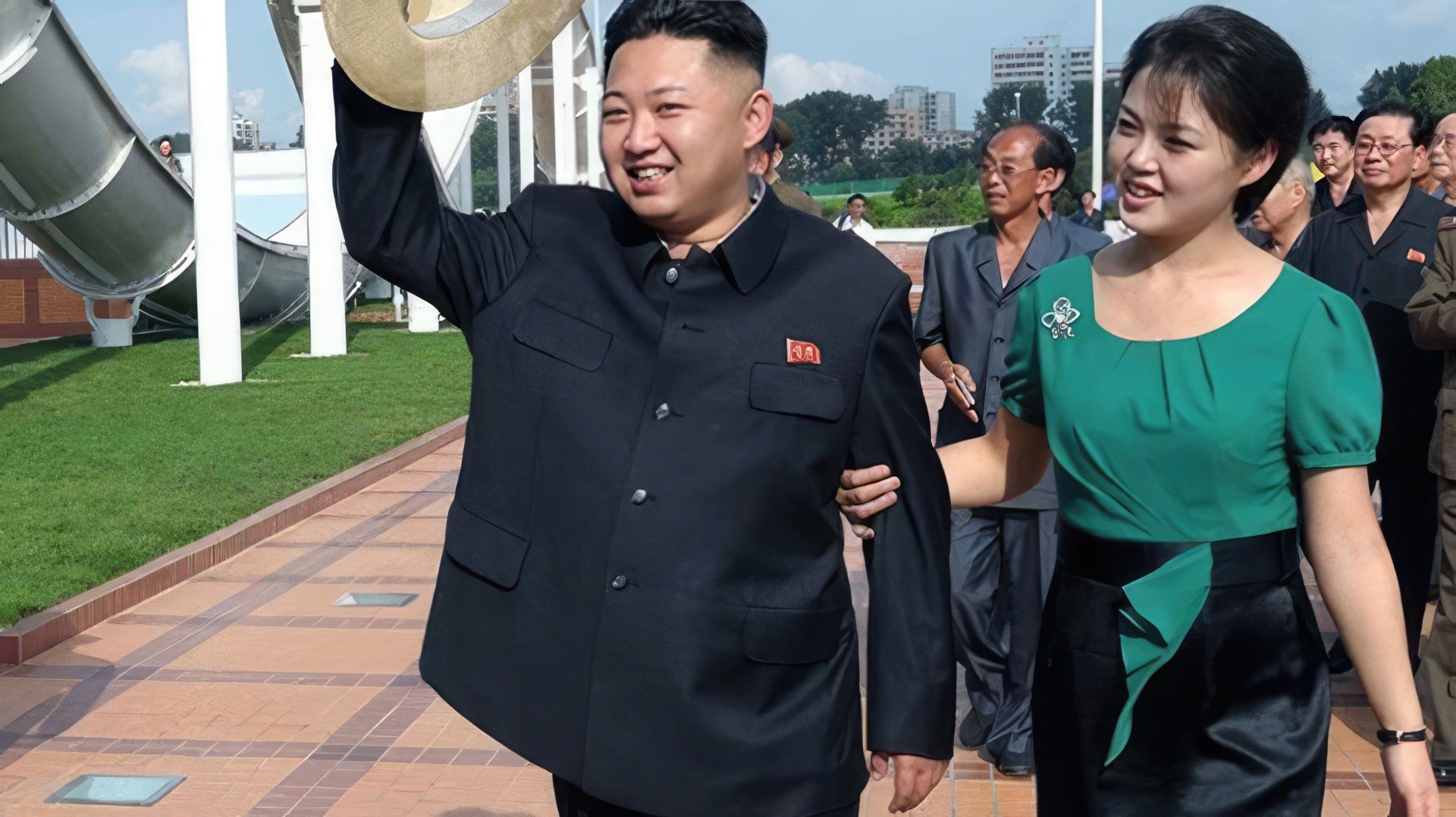
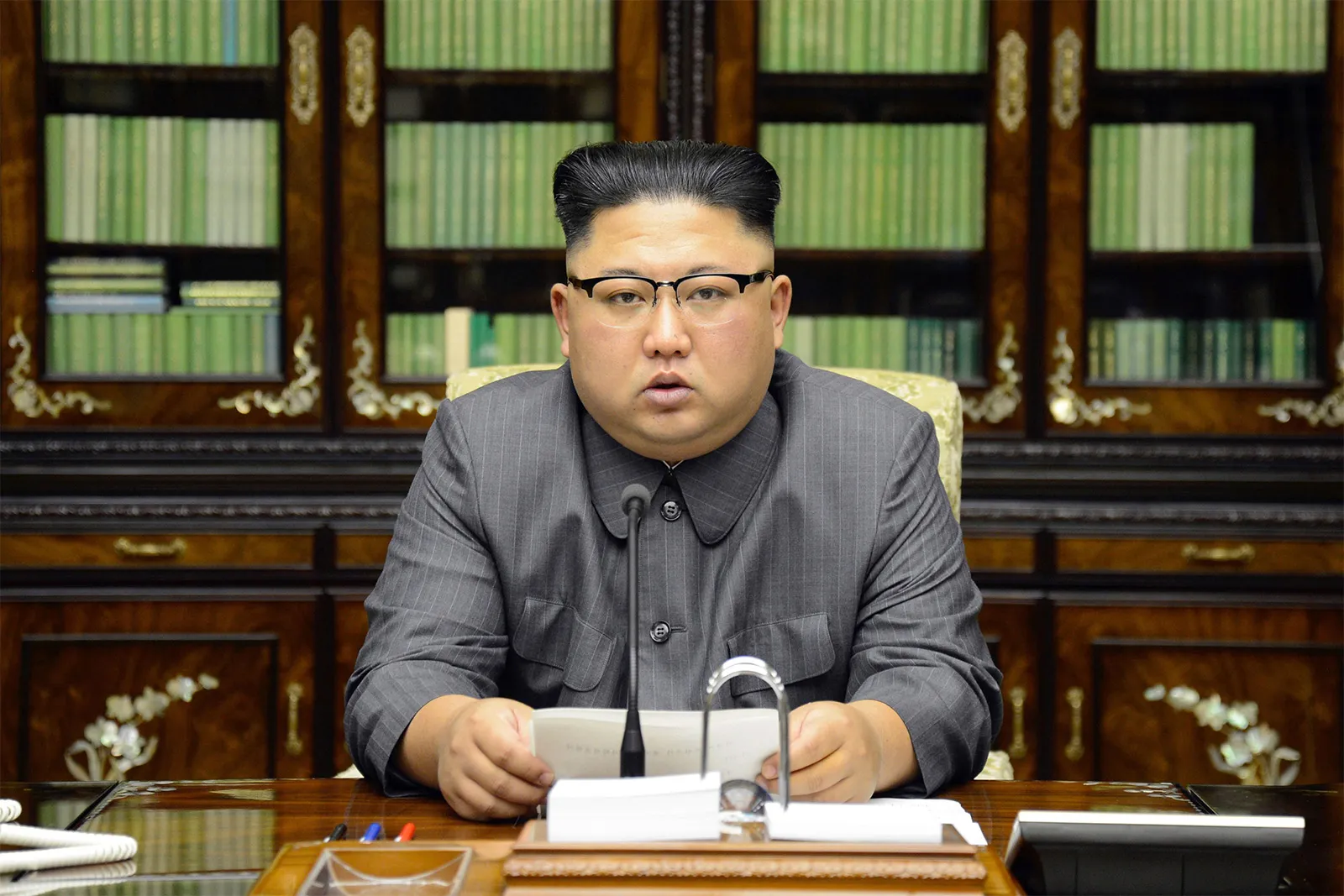
Kim Jong Un's Net Worth Compared With Barron Trump: A Wealth and Asset Analysis
Comparing the net worth of North Korean Supreme Leader Kim Jong Un with Barron Trump offers a striking study in contrasting economic paradigms, one rooted in absolute authoritarian control over a state economy and the other reflecting...
Comparing the net worth of North Korean Supreme Leader Kim Jong Un with Barron Trump offers a striking study in contrasting economic paradigms, one rooted in absolute authoritarian control over a state economy and the other reflecting generational wealth within a private American real estate dynasty. While precise financial metrics for sovereign dictators are notoriously difficult to verify due to state secrecy, and private minor-turned-adult fortunes are shielded by trusts and family privacy, available intelligence reports and biographical wealth estimates allow for a comprehensive structural comparison.
Contents
Evaluating these two figures requires looking beyond simple numbers to examine how their wealth is acquired, maintained, and legally protected. Kim Jong Un commands an estimated fortune ranging in the billions, accumulated through state-owned enterprises, illicit trade networks, and absolute control over North Korea's national treasury. In contrast, Barron Trump's financial outlook is tied to the Trump family's real estate, licensing, and media holdings, though his personal independent net worth is private. Understanding these dynamics involves examining governance structures, inheritance laws, asset transparency, and the geopolitical mechanisms that govern sovereign versus private wealth.
Understanding the Wealth Paradigm of Kim Jong Un
Kim Jong Un’s financial standing is fundamentally intertwined with the ruling apparatus of the Workers' Party of Korea and Office 39, a secretive government organization tasked with managing the ruling family's slush funds and generating foreign currency. Unlike Western heads of state or private citizens, the North Korean Supreme Leader operates with zero legal separation between personal assets and state property.
Official state media does not publish personal financial disclosures, meaning financial analysts rely on intelligence briefings from South Korean, American, and international agencies, as well as defectors' accounts. Estimates of Kim's personal net worth typically range between $1 billion and $5 billion. This capital is not stored entirely in traditional bank accounts; rather, it is distributed across international shell corporations, luxury assets, and state-controlled enterprises.
Key components of Kim Jong Un's financial ecosystem include:
- State Monopolies: Direct control over major export industries, including coal, minerals, weaponry, and seafood.
- Slush Funds (Office 39): Secret accounts used to finance luxury goods imports for the elite, fund the nuclear program, and maintain political loyalty.
- Real Estate Portfolio: Dozens of lavish residences, private islands, yachts, and fleet of luxury vehicles within North Korea, alongside suspected foreign properties.
- Cryptocurrency and Cyber Operations: Revenue generated through state-sponsored hacking groups targeting global financial institutions and crypto exchanges.
The Financial Landscape of Barron Trump
Barron Trump occupies a radically different financial sphere, characterized by private-sector inheritance, family enterprise structures, and modern private asset management. As the youngest son of Donald Trump, the 45th and 47th President of the United States and real estate mogul, Barron's financial position is defined by generational wealth rather than sovereign appropriation.
The Trump family wealth is anchored by the Trump Organization, a conglomerate encompassing commercial real estate, hotels, golf courses, and licensing agreements. While Donald Trump's net worth fluctuates based on real estate valuations and public market listings of Trump Media & Technology Group, family wealth is typically structured through trusts designed to provide long-term financial security for descendants while minimizing tax liabilities.
Key characteristics of Barron Trump's financial environment include:
- Private Inheritance and Trusts: Assets held in legal trusts managed by appointed trustees and family members, separating personal wealth from direct corporate management.
- Real Estate and Corporate Holdings: Indirect exposure to high-value commercial and residential properties, golf resorts, and licensing ventures.
- Legal and Regulatory Transparency: Operations governed by United States tax law, SEC regulations, and public scrutiny, contrasting sharply with state-directed economies.
- Independent Earning Potential: Access to elite educational opportunities and private-sector networks that facilitate future entrepreneurship or corporate leadership.
Comparative Wealth Structure Analysis
To understand the divergence between sovereign authoritarian wealth and private capitalist inheritance, it is helpful to examine how these fortunes are categorized across key economic dimensions.
| Economic Dimension | Kim Jong Un | Barron Trump |
|---|---|---|
| Primary Wealth Source | Sovereign control, state monopolies, illicit trade | Real estate, licensing, family trusts, private investments |
| Legal Status of Assets | Indistinguishable from state property | Protected by private property and trust law |
| Transparency Level | Classified state secret; estimated by intelligence agencies | Subject to domestic tax filings, audits, and public reporting |
| Liquidity & Access | Unlimited access to national resources and foreign currency | Governed by trust terms, age milestones, and fiduciary oversight |
| Geopolitical Vulnerability | Subject to international sanctions, asset freezes, and trade embargoes | Subject to domestic taxation, market fluctuations, and regulatory compliance |
Asset Protection and Geopolitical Exposure
The mechanisms protecting the wealth of Kim Jong Un and Barron Trump reflect the contrasting legal systems of an isolated totalitarian regime and a globalized capitalist superpower.
Kim Jong Un's wealth faces severe external threats from international sanctions. The United Nations Security Council, the United States, and the European Union have enacted sweeping financial restrictions designed to freeze assets associated with the North Korean leadership and Office 39. To counter these measures, the regime utilizes sophisticated money-laundering techniques, front companies in third-party nations, and digital assets like cryptocurrencies to bypass the global banking system. Consequently, while Kim commands immense domestic resources, his ability to legally utilize wealth internationally is heavily restricted.
Barron Trump’s financial security, conversely, relies on compliance with the rule of law. Wealth preservation within the Trump family depends on legal frameworks, corporate structuring, estate planning, and tax optimization strategies common among high-net-worth families in the United States. Rather than evading sanctions, private wealth management in this context focuses on mitigating domestic tax liabilities, navigating real estate market cycles, and protecting brand equity.
Frequently Asked Questions
Does Kim Jong Un have a personal bank account?
Intelligence agencies report that Kim Jong Un utilizes a network of secret bank accounts in foreign jurisdictions, often under pseudonyms or managed by trusted intermediaries via shell corporations, to evade international economic sanctions and finance luxury purchases.
What is Barron Trump's individual net worth?
As a private citizen and minor for much of his upbringing, Barron Trump does not have a publicly disclosed, independently verified personal net worth. His financial standing is tied to family trusts and the broader Trump family estate rather than public corporate filings.
How does North Korea fund its leadership's lifestyle under sanctions?
The North Korean regime finances its leadership and state priorities through a combination of cybercrime, illicit ship-to-ship transfers of coal and oil, state-sponsored narcotics production, and revenue generated from overseas labor export.
Can international sanctions freeze Kim Jong Un's assets?
Yes, multilateral sanctions have officially frozen assets linked to Kim Jong Un and key ruling organs across multiple jurisdictions, though enforcement relies on the cooperation of foreign governments in tracking and seizing illicit financial flows.
How does generational wealth work in prominent American political families?
Generational wealth in the United States is typically preserved through family trusts, LLCs, and estate planning tools that transfer assets across generations while providing income streams, asset protection from litigation, and compliance with federal tax laws.
Conclusion and Financial Perspective
Comparing the financial reality of Kim Jong Un with that of Barron Trump highlights two distinct extremes of wealth concentration. Kim's fortune represents the apex of sovereign extraction, where state power and personal enrichment merge without institutional checks. Barron's status represents private dynastic wealth operating within the bounds of Western legal and market frameworks. While Kim's capital is constrained by global isolation and sanctions, Barron's position is secured by private property rights and institutional asset management.
Image Gallery