Why Does My Car Smell Like Rotten Eggs? Causes and Solutions
If your car smells like rotten eggs, it is typically caused by hydrogen sulfide gas. This usually points to a failing catalytic converter, an overcharging lead-acid battery, or a malfunctioning fuel pressure regulator. You should addre...
If your car smells like rotten eggs, it is typically caused by hydrogen sulfide gas. This usually points to a failing catalytic converter, an overcharging lead-acid battery, or a malfunctioning fuel pressure regulator. You should address this odor immediately, as it often signals mechanical failure or a potential safety hazard.
Contents
The "rotten egg" smell is one of the most distinct and alarming scents a driver can encounter. Unlike the sweet smell of leaking antifreeze or the acrid scent of burning oil, the sulfurous stench of hydrogen sulfide (H2S) is often pungent enough to penetrate the cabin even while driving at high speeds. In the automotive world of 2026, where vehicle sensors are more sensitive than ever, this odor remains a reliable "low-tech" indicator that something is chemically or mechanically wrong with your vehicle’s powertrain or electrical system.
Understanding the Chemistry of the Odor
To solve the problem, you must first understand what you are smelling. Gasoline contains trace amounts of sulfur. During the normal internal combustion process, this sulfur is burned and converted into sulfur dioxide (SO2), which is generally odorless in the small quantities emitted by modern engines.
However, when something disrupts the engine’s efficiency or the exhaust treatment process, that sulfur dioxide is converted into hydrogen sulfide. This is the exact chemical responsible for the smell of flatulence or decaying organic matter. In a vehicle, this conversion typically happens within the catalytic converter or inside a failing lead-acid battery. Because hydrogen sulfide is both toxic and highly flammable, ignoring the scent is not just a matter of discomfort—it is a matter of safety.
The Most Common Culprit: The Catalytic Converter
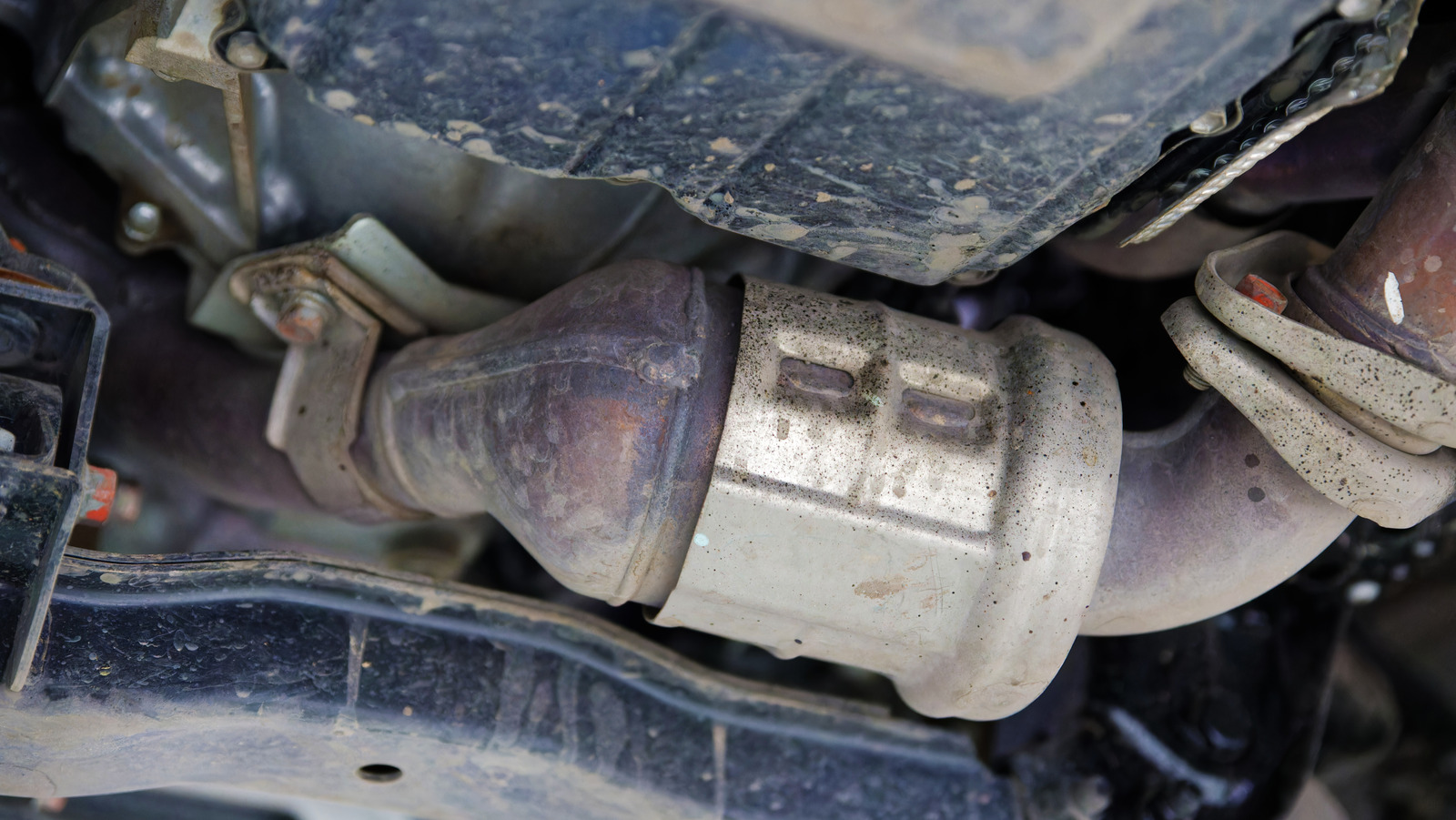
The catalytic converter is designed to convert harmful exhaust gases into less toxic emissions. It uses precious metals like platinum, palladium, and rhodium to trigger chemical reactions. Under normal operating conditions, the converter handles the trace sulfur in your exhaust without issue.
How a Catalytic Converter Fails
When a catalytic converter becomes clogged, overheated, or "poisoned," it loses its ability to process sulfur dioxide efficiently. Instead of neutralizing the gas, the damaged internal honeycomb structure allows hydrogen sulfide to pass through the tailpipe and eventually waft into the car's cabin.
In 2026, many vehicles utilize advanced diagnostic monitoring, but a physical breakdown of the catalytic substrate can still occur before a "Check Engine" light appears. This is often caused by:
- Engine Misfires: Unburned fuel enters the exhaust system and ignites inside the converter, melting the internal components.
- Oil or Coolant Leaks: If your engine is "burning" oil or leaking coolant internally, these substances can coat the precious metals inside the converter, rendering them useless.
- Age and Mileage: While designed to last the life of the vehicle, high-mileage cars may simply experience catalyst exhaustion.
Symptoms of a Failing Converter
Beyond the smell, you may notice a significant drop in engine performance. Because a clogged converter creates excessive backpressure, the engine has to work harder to push exhaust out. This leads to sluggish acceleration, reduced fuel economy, and, in severe cases, the engine stalling shortly after startup.
Danger Under the Hood: The Car Battery
While the exhaust system is the most frequent source of sulfur smells, the car battery is the most dangerous one. Most internal combustion vehicles still rely on lead-acid batteries to provide the high-amperage "crank" needed to start the engine.
Overcharging and Off-gassing
Inside a lead-acid battery is a mixture of water and sulfuric acid. If the vehicle's alternator or voltage regulator fails and begins overcharging the battery, the electrolyte solution can reach a boiling point. This process, known as electrolysis, breaks down the water into hydrogen and oxygen gases while also releasing sulfuric acid vapors.
If you smell rotten eggs and notice the scent is strongest when you are stopped or when the hood is popped, you must act with extreme caution. An overcharging battery can swell, leak acid, or even explode if a spark ignites the accumulated hydrogen gas.
Visual Signs of Battery Failure
If you suspect the battery, look for these physical indicators (while wearing eye protection):
- Bloated Casing: The sides of the battery may look "pregnant" or bowed outward.
- Corrosion: Excessive "white fluff" or blue-green crystals around the terminals.
- Wetness: Liquid or residue on the top of the battery casing, indicating the electrolyte has boiled over.
Fuel System Malfunctions
Sometimes the problem isn't the catalytic converter itself, but rather the "diet" the engine is feeding it. If your fuel system is malfunctioning, it may be sending too much raw fuel into the exhaust, a condition known as "running rich."
Fuel Pressure Regulators
The fuel pressure regulator ensures the engine receives the exact amount of gasoline needed for the current load. If the regulator fails or the diaphragm leaks, it can dump excessive fuel into the combustion chambers. The catalytic converter cannot keep up with this influx of fuel, becomes overloaded, and begins emitting that signature sulfur smell as it struggles to process the excess.
Oxygen (O2) Sensors
Modern 2026 vehicle platforms rely heavily on O2 sensors to balance the air-fuel ratio. If a sensor provides false data to the Engine Control Unit (ECU), the car may inject too much fuel. This not only causes the rotten egg smell but can also lead to "catastrophic" failure of the catalytic converter within a matter of weeks if left unaddressed.
Identifying the Source: A Comparison Table
The following table helps differentiate between the various causes based on symptoms and typical 2026 repair costs.
| Feature | Catalytic Converter | Battery Failure | Fuel System Issue |
|---|---|---|---|
| Primary Symptom | Rotten egg smell from exhaust | Rotten egg smell under hood | Strong sulfur smell + black smoke |
| Performance Impact | Significant loss of power | Difficulty starting / flickering lights | Poor MPG / Rough idling |
| Safety Risk | Low (Environmental/Performance) | High (Explosion/Acid Leak) | Medium (Engine Damage) |
| Diagnostic Tool | Exhaust backpressure test | Multimeter / Load tester | Fuel pressure gauge |
| Estimated Cost (2026) | $1,200 – $3,000 | $180 – $450 | $250 – $800 |
Diagnostic Steps for Drivers
If you encounter this odor, follow these steps to narrow down the cause before heading to a professional technician.
- Safe Parking: Pull over in a well-ventilated area. Hydrogen sulfide is toxic in high concentrations; do not let the car idle in a closed garage.
- The "Nose Test": Walk to the back of the car. If the smell is concentrated at the tailpipe, the issue is likely the catalytic converter or the fuel system. If the smell is strongest near the front grille, it is almost certainly the battery.
- Check for Heat: Use an infrared thermometer (if available) to check the temperature of the catalytic converter. A converter that is significantly hotter than the rest of the exhaust pipe is likely clogged.
- Inspect the Dashboard: Look for the Check Engine Light or the Battery/Charging system light. Use an OBD-II scanner to pull codes. Common codes for these issues include P0420 (Catalyst Efficiency) or P0172 (System Too Rich).
Frequently Asked Questions
Can I drive my car if it smells like rotten eggs?
You should avoid driving the car until the source is identified. If the smell is coming from the battery, driving could lead to an explosion or a fire. If it is coming from the catalytic converter, continued driving can cause the engine to overheat or lead to much more expensive repairs as the backpressure damages engine valves.
Does a bad catalytic converter always trigger a Check Engine Light?
Not always. In the early stages of failure, a converter might emit a smell only under heavy acceleration or when the engine is cold. The ECU (Engine Control Unit) might not register a fault until the efficiency drops below a specific threshold mandated by emissions standards.
How much does it cost to fix a sulfur smell in 2026?
Costs vary significantly based on the cause. A simple battery replacement in 2026 typically costs between $180 and $450 depending on the vehicle's requirements (AGM vs. Standard). However, replacing a catalytic converter remains expensive due to the high cost of precious metals, with 2026 averages ranging from $1,200 to $3,000 for OEM parts.
Can old transmission fluid smell like rotten eggs?
Yes, but the scent is slightly different. Old or "burnt" manual transmission fluid contains extreme-pressure additives that are high in sulfur. When this fluid breaks down or leaks onto a hot component, it produces a pungent sulfur smell, though it usually lacks the "organic decay" notes of true hydrogen sulfide.
Will "Cat-Cleaner" additives fix the smell?
Chemical cleaners that you pour into your gas tank can sometimes remove light carbon deposits from the surface of the catalyst. However, if the converter is physically melted, clogged, or chemically poisoned, these additives will not solve the problem. They are best used as a preventative measure rather than a cure for a failing component.
Professional Recommendation
If your car is emitting a rotten egg odor, prioritize checking the battery first due to the immediate safety risk of explosion. If the battery appears normal and is not hot to the touch, the next step is a professional diagnostic of the exhaust and fuel systems. Early intervention when you first notice the sulfurous scent can often prevent the "cascading failure" where a simple $200 sensor malfunction destroys a $2,000 catalytic converter. For the most accurate diagnosis, ensure your mechanic performs a fuel trim analysis and a charging system load test.
Image Gallery