Daily Ganesha: Spiritual Alignment, Ritual Practices, and Modern Devotional Frameworks for 2026
Daily Ganesha refers to the consistent, disciplined practice of honoring Lord Ganesha—the remover of obstacles, deity of wisdom, and patron of new beginnings—through daily rituals, meditation, and mantras. As practitioners navigate the...
Daily Ganesha refers to the consistent, disciplined practice of honoring Lord Ganesha—the remover of obstacles, deity of wisdom, and patron of new beginnings—through daily rituals, meditation, and mantras. As practitioners navigate the complexities of personal and professional life in 2026, establishing a grounded daily spiritual routine has become essential for mental clarity and emotional resilience. This comprehensive guide explores the structural mechanics, traditional methodologies, and contemporary applications of maintaining a daily connection with Ganesha.
Contents
Understanding the Spiritual Significance of Daily Ganesha Practice
Integrating Ganesha devotion into a daily schedule moves beyond casual worship into the realm of structured spiritual discipline, or sadhana. In Vedic traditions, Ganesha occupies the primary position of honor (Pradhana Devata), invoked before the initiation of any endeavor, ritual, or transition.
Engaging with the deity daily anchors the mind, reduces anxiety regarding future uncertainties, and cultivates a mindset oriented toward ethical living, patience, and problem-solving. By setting aside dedicated moments each morning or evening, practitioners establish a psychological and spiritual anchor that influences daily decision-making.
Core Attributes and Symbolic Meanings
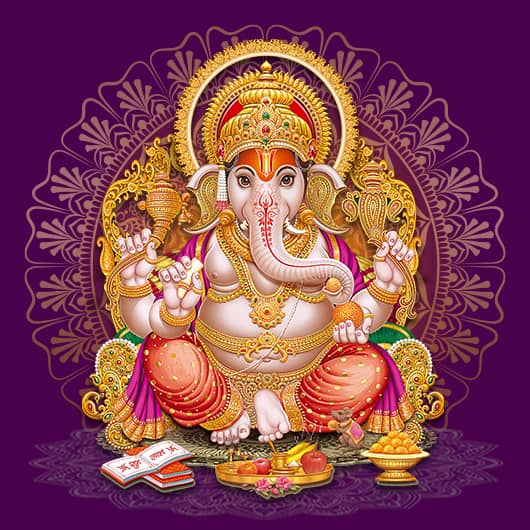
- The Elephant Head: Symbolizes supreme intellect, discrimination (viveka), and wisdom. It signifies that those who seek spiritual and material success must cultivate deep intelligence and foresight.
- The Large Ears: Represent the importance of listening more than speaking, absorbing sacred wisdom, and paying close attention to the needs of others.
- The Single Tusk: Denotes the ability to overcome duality, retain positive thoughts, and discard negativity. It also represents sacrifice and dedication to higher pursuits.
- The Modak (Sweet): Represents the ultimate reward of spiritual practice, inner peace, and the sweetness of the soul realized through discipline.
Establishing a Dedicated Sacred Space at Home
Creating an environment conducive to daily worship enhances focus and spiritual receptivity. Whether setting aside an entire room or a small, quiet corner of a living area, the placement and maintenance of the altar require specific considerations to optimize energetic flow.
Optimal Placement and Altar Setup
Altar Guidelines for 2026: Location: Position the sacred space in the northeast (Ishanya) corner of the home, as this direction is traditionally associated with spiritual growth and clarity. Cleanliness: Ensure the area is kept meticulously clean, free from clutter, dust, and unrelated household items. Idol/Picture Selection: Choose an idol made of brass, copper, silver, or carved wood. Ensure Ganesha's trunk curves to his left (representing happiness and success), and avoid placing broken or chipped idols in the active worship space.
Step-by-Step Daily Ganesha Ritual Framework
A structured routine prevents spiritual burnout and ensures consistency. The following step-by-step workflow outlines a traditional yet accessible daily practice suitable for busy schedules.
- Purification: Begin with physical cleanliness by taking a bath or washing the hands, feet, and face before approaching the altar. Wear clean, fresh clothing, preferably in shades of yellow, red, or white.
- Lighting the Lamp and Incense: Light a ghee or sesame oil lamp (diya) and a stick of natural incense (agarbatti). The flame represents the dispelling of inner darkness and ignorance.
- Offering Fresh Elements: Place fresh water in a dedicated vessel (achamana), along with fresh flowers (marigolds or red hibiscus are traditional favorites), and a small offering of sweets or fruit.
- Mantra Chanting and Japa: Sit comfortably with a straight spine and chant the primary Ganesha mantras with focused intent. Using a rudraksha or sandalwood mala (rosary), complete at least one round (108 repetitions) of the chosen mantra.
- Silent Meditation and Prayer: Spend two to five minutes in silent reflection, visualizing Ganesha removing current obstacles in your personal or professional life and filling your mind with wisdom.
- Aarti and Conclusion: Conclude the practice by waving the flame gently in a circular motion before the idol, expressing gratitude, and bowing in humility.
Essential Mantras for Daily Devotion
Mantras operate on vibrational frequencies that help calm the nervous system and focus the wandering mind. Incorporating these sacred sounds into your daily routine amplifies the spiritual benefits of the practice.
- The Basic Invocation: Om Ganeshaya Namah (Salutations to Ganesha, suitable for all daily activities).
- The Remover of Obstacles: Om Gam Ganapataye Namaha (The foundational mantra for clearing physical, mental, and spiritual hurdles).
- The Mantra for Wisdom and Intellect: Om Vakratundaya Hum (Invokes the curved-trunk form of Ganesha to straighten crooked paths and eliminate confusion).
Comparative Analysis of Traditional vs. Modern Digital Ganesha Practices
As spiritual practices evolve, practitioners often blend ancient physical rituals with modern technological tools to maintain consistency. The following table contrasts traditional immersion with contemporary adaptations.
| Aspect | Traditional Devotional Practice | Modern Digital Adaptation (2026) |
|---|---|---|
| Altar Space | Physical sanctum with metal or stone idols, fresh flowers, and oil lamps. | Compact apartment altars combined with digital reminder apps for daily timing. |
| Mantra Guidance | Memorized through oral tradition and personal instruction from a teacher. | Guided audio tracks, digital mala counters, and interactive chanting applications. |
| Offerings | Daily fresh sweets, fruits, and hand-poured water vessels. | Conscious dietary offerings consumed afterward; occasional charity in lieu of excess food. |
| Scriptural Study | Reading physical texts such as the Ganesha Purana or Upanishads. | Accessing digital sacred texts, commentary podcasts, and global spiritual forums. |
| Community Satsang | Physical gatherings at temples and local community halls on auspicious days. | Virtual live-streamed pujas, global meditation groups, and online devotional cohorts. |
Troubleshooting Common Challenges in Daily Practice
Maintaining a daily spiritual routine frequently encounters hurdles due to modern lifestyle pressures. Recognizing these obstacles and applying practical solutions ensures long-term commitment.
- Inconsistency and Time Constraints: When schedules are tight, scale down the ritual rather than abandoning it entirely. A two-minute mental centering and three repetitions of the primary mantra maintain the energetic link without requiring a full ritual setup.
- Mental Distraction During Chanting: Use a physical mala or focus intensely on the flame of the lamp to anchor wandering thoughts. Gently bring awareness back to the breath whenever the mind drifts.
- Physical Fatigue and Posture Discomfort: Choose a comfortable seated posture, whether on a firm cushion on the floor or upright in a supportive chair. Spinal alignment matters more than sitting in advanced, painful yoga postures.
Frequently Asked Questions About Daily Ganesha Practice
What is the best time of day to perform daily Ganesha worship?
The ideal time is during Brahma Muhurta (roughly 90 minutes before sunrise) or during the morning hours after bathing. However, evening prayers are equally acceptable for those with demanding morning schedules.
Can anyone chant Ganesha mantras without formal initiation?
Yes, Ganesha mantras such as Om Gam Ganapataye Namaha are universally accessible, non-sectarian, and safe for anyone to chant with sincere devotion and a pure heart.
What should be done with the daily food offerings?
Food offerings (naivedya) placed before the deity are considered sanctified (prasad) after the prayer concludes and should be respectfully consumed by household members or shared with others.
How do I handle days when I am traveling or unwell?
Spiritual practice is fundamentally internal. During travel or illness, mental remembrance, silent mantra repetition, and visualization of the altar substitute effectively for physical ritual execution.
Are there specific days of the week associated with Ganesha?
While daily worship is encouraged, Wednesdays and the fourth lunar day (Sankashti Chaturthi) of each month hold special significance for intensified devotional practices and fasting.
Conclusion and Next Steps for Your Spiritual Journey
Commitment to a daily Ganesha practice transforms daily life by cultivating patience, sharp intellect, and emotional stability. Begin small by dedicating just five minutes each morning to quiet reflection and mantra repetition. As this habit solidifies, naturally expand your routine to include deeper meditation, scriptural study, and charitable actions aligned with the values of wisdom and compassion.
Image Gallery