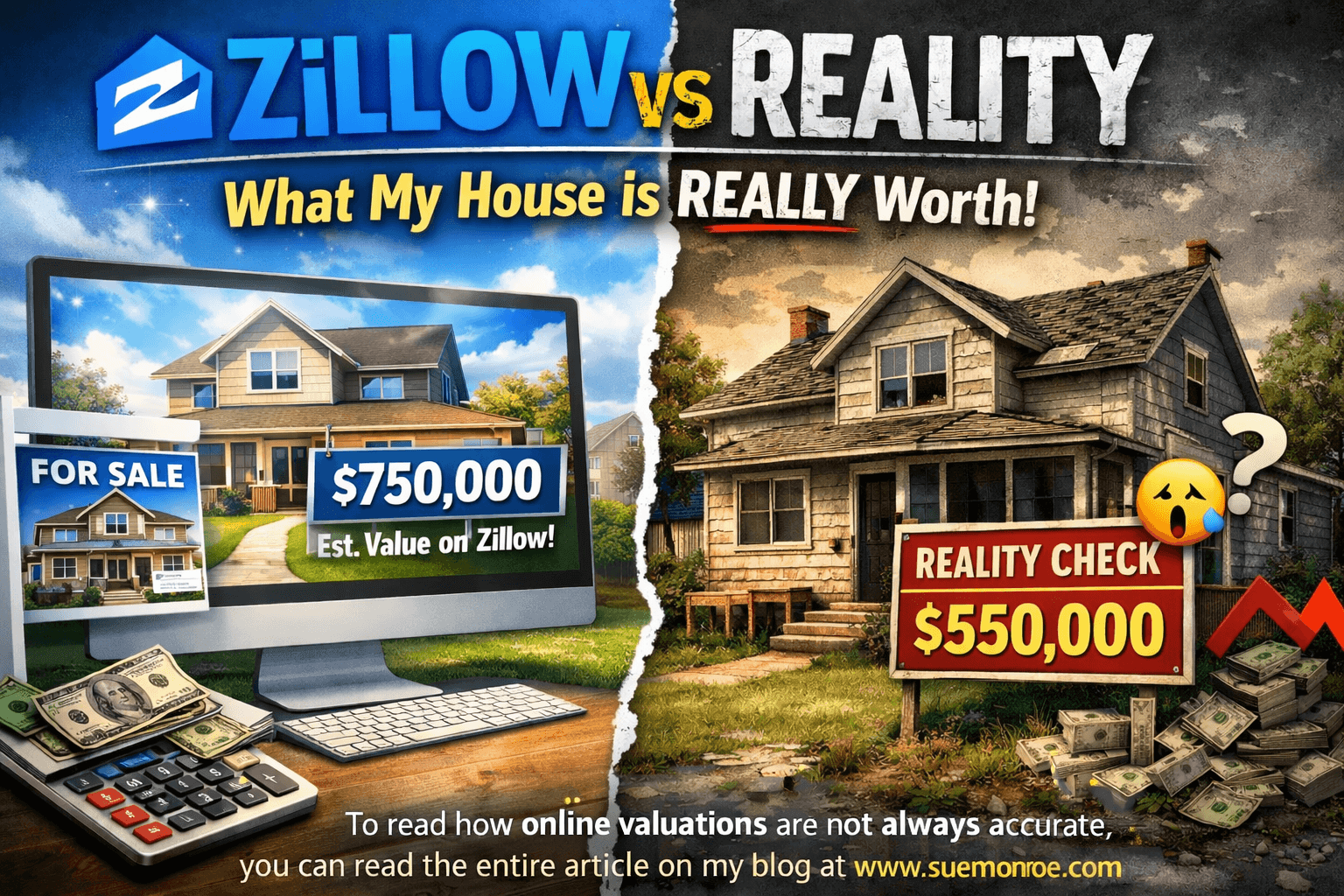
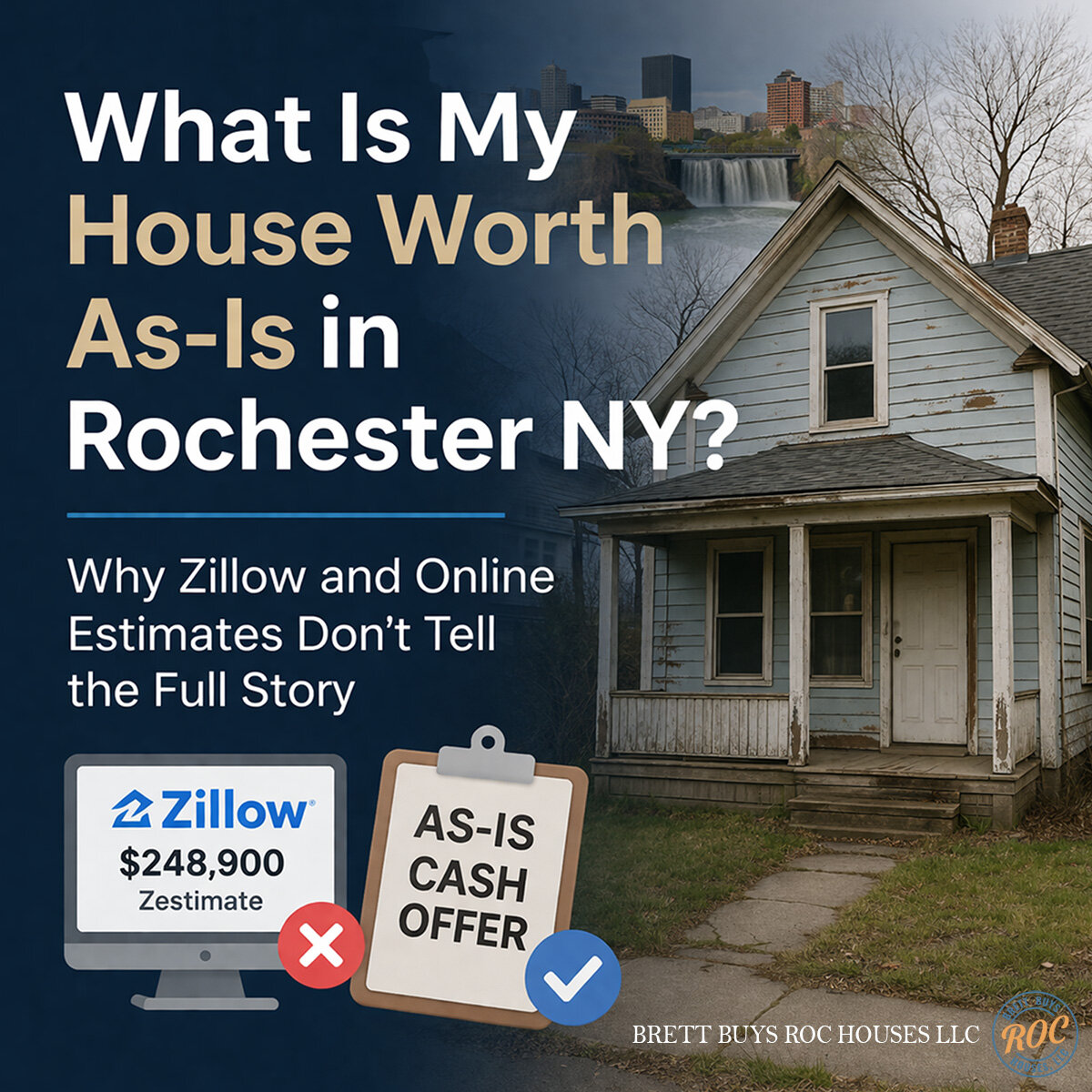
What Is My House Worth on Zillow in 2026: Accuracy, Mechanics, and Home Valuation Realities
(Note: When asking "what is my house worth zillow," homeowners are typically searching for the mechanics, accuracy levels, and practical utility of Zillow's automated valuation model, known as the Zestimate, in the current 2026 housing...
(Note: When asking "what is my house worth zillow," homeowners are typically searching for the mechanics, accuracy levels, and practical utility of Zillow's automated valuation model, known as the Zestimate, in the current 2026 housing market.)
Contents
Evaluating property value has undergone significant digital evolution, and for millions of owners and buyers, checking a home's worth starts with a simple query on Zillow. As the real estate landscape navigates shifting inventory levels, interest rate fluctuations, and localized economic adjustments in 2026, understanding how platforms calculate property values is more critical than ever. Whether you are preparing to list your property, refinancing a mortgage, or simply monitoring your net worth, relying on automated valuation models requires a clear-eyed view of their strengths and limitations.
Decoding the Zestimate: How Zillow Calculates Your Home Value in 2026
The core engine behind Zillow’s property valuation is the Zestimate, a proprietary automated valuation model (AVM) that computes an estimated market value for a home. The system utilizes a complex neural network and machine learning algorithms that process millions of public and user-submitted data points in real time.
To arrive at a valuation, the platform aggregates public records, including county assessor data, tax assessments, and recorded deed transfers of historical sales. It couples this baseline data with active and historical Multiple Listing Service (MLS) listings, capturing details such as square footage, lot size, bedroom and bathroom counts, and structural modifications. Furthermore, the algorithm analyzes hyper-local market trends, comparing price per square foot shifts within a specific subdivision or ZIP code to dynamically adjust the valuation as market conditions fluctuate.
The Significance of Data Completeness and User Claims
A frequent variable affecting valuation accuracy is the completeness of the underlying data profile. Homeowners who actively claim their property on the platform can manually update critical details that public records often miss, such as:
- Interior Renovations: Upgraded kitchens featuring quartz countertops, premium cabinetry, and energy-efficient appliances.
- Systems Infrastructure: Newly installed HVAC units, smart home automation systems, and architectural roof replacements.
- Outdoor Amenities: Professional landscaping, custom hardscaping, in-ground pools, and solar panel arrays.
When these updates are missing from public county records, the automated algorithm defaults to baseline assumptions based on neighborhood averages. Claiming and updating your home profile significantly bridges the gap between raw data and true market reality.
Understanding Zillow Valuation Accuracy Metrics and Margin of Error
While automated models provide instant, frictionless estimates, they are not infallible. Zillow publishes accuracy metrics for its platform, categorizing properties by national medians, active versus off-market status, and geographic density.
Nationwide, the median error rate for homes currently listed on the market hovers around 1.9 percent, meaning half of all listed homes have a Zestimate within 1.9 percent of the final sale price. However, for homes that are off-market—where recent interior data is sparse—the national median error rate increases significantly, often ranging between 6.9 and 7.5 percent or higher depending on market volatility.
| Market Segment | Median Error Rate (Typical Range) | Primary Contributing Factor |
|---|---|---|
| Active Listings | 1.0% to 2.5% | High data visibility, recent professional photography, verified MLS metrics. |
| Off-Market Homes | 6.0% to 8.0%+ | Reliance on historical tax records, lack of interior condition visibility. |
| Rural Markets | 8.0% to 12.0%+ | Sparse comparable sales data, wide dispersion between properties. |
| Urban Condominiums | 2.0% to 4.0% | Standardized floor plans, frequent building sales data availability. |
Regional nuances also play a massive role. In densely populated metropolitan areas with high housing turnover, the algorithm has access to a continuous stream of comparable sales, sharpening its accuracy. Conversely, in rural or custom-built neighborhoods where no two homes share similar floor plans or lot dimensions, the margin of error widens substantially.
Comparing Automated Valuations to Professional Appraisals and Broker Price Opinions
When financial decisions hinge on precise property valuation—such as securing a home equity line of credit, executing a refinance, or preparing a listing strategy—relying solely on an online estimate introduces financial risk. Understanding how different valuation methods compare ensures you choose the right tool for your specific objective.
| Valuation Method | Cost | Typical Turnaround | Primary Use Case | Accuracy Level |
|---|---|---|---|---|
| Zillow Zestimate | Free | Instant | Initial research, general tracking, casual curiosity. | Moderate (Subject to algorithm blind spots). |
| Comparative Market Analysis (CMA) | Free (via Realtor) | 24 to 48 Hours | Pre-listing pricing strategy, competitive positioning. | High (Crafted by local human expertise). |
| Broker Price Opinion (BPO) | $50 to $150 | 3 to 5 Days | Short sales, foreclosure valuation, portfolio review. | High (Conducted by licensed real estate professionals). |
| Licensed Appraisal | $400 to $800+ | 7 to 14 Days | Mortgage underwriting, legal proceedings, divorce settlements. | Maximum (Regulated, legally binding standard). |
Strategic Note on Valuation Discrepancies: Automated algorithms cannot physically inspect your property. A finished basement, high-end seismic retrofitting, or structural deferred maintenance will remain invisible to software until verified by human eyes, making professional validation essential for high-stakes transactions.
Step-by-Step Guide to Maximizing Your Home's Online Value and Market Readiness
If your online valuation appears lower than expected, or if you are preparing to position your property for sale in the 2026 market, proactive steps can align your digital footprint with physical reality.
- Claim and Verify Your Property Profile: Log into the platform, locate your deeded address, and claim ownership. Ensure that the recorded square footage, bedroom count, and bathroom count match your actual home measurements.
- Document Major Capital Improvements: Upload permits, contractor receipts, and photographic evidence of major upgrades. Highlight energy-efficient updates, electrical panel modernizations, and plumbing overhauls.
- Monitor Neighborhood Comp Activity: Track recently closed sales within a half-mile radius. Pay attention to how pricing trends among your immediate neighbors directly impact the algorithmic valuation of your own asset.
- Correct Public Record Discrepancies: If your county tax assessor lists incorrect details regarding your acreage or zoning status, file an appeal or correction with the local municipal office to ensure downstream algorithmic feeds reflect accurate data.
- Consult a Local Real Estate Expert: Pair digital metrics with human insight. Invite a top-performing local real estate agent to conduct an on-site walkthrough and Comparative Market Analysis to establish a realistic baseline valuation.
Frequently Asked Questions About Home Values and Online Estimates
How often does Zillow update its home value estimates?
Zillow updates its Zestimate calculations multiple times a week as new public records, tax assessments, and MLS listing data flow into the system. Major market shifts or newly recorded sales in your immediate neighborhood can trigger rapid recalculations.
Is the Zestimate considered an official appraisal by banks and lenders?
No, the Zestimate is not an official appraisal and is never accepted by mortgage lenders for underwriting or refinancing purposes. Lenders strictly require a certified, physical appraisal performed by a licensed professional who evaluates the interior and exterior of the property.
Why is my neighbor's home value estimate so much higher than mine?
Algorithms evaluate properties based on square footage, recorded lot size, and reported historical data, which may not capture differences in interior remodeling, view quality, traffic noise, or overall property maintenance. If your neighbor updated their kitchen or finished their attic while your home remains in its original condition, the valuation gap will reflect those variances.
Can I manually change or hide my home's value on Zillow?
You cannot arbitrarily change the numeric value of your Zestimate, as it is dynamically computed by an independent algorithm. However, you can update your home facts, remove outdated interior photos, or request that your specific property details be set to private if you prefer not to display public estimates.
Why does the Zestimate fluctuate even when I haven't made any changes to my house?
The algorithm responds dynamically to broader macroeconomic conditions, localized housing inventory changes, and the sale prices of newly closed comparable properties in your geographic micro-market. If similar homes in your neighborhood sell for lower prices, your valuation will adjust downward accordingly.
Take the Next Step in Your Real Estate Journey
While checking online platforms provides a fast starting point for understanding your home's worth, navigating a dynamic real estate market requires precision and expert guidance. Whether you plan to sell, refinance, or simply optimize your property investment, partner with a seasoned local professional to unlock your home's true maximum value today.
Image Gallery