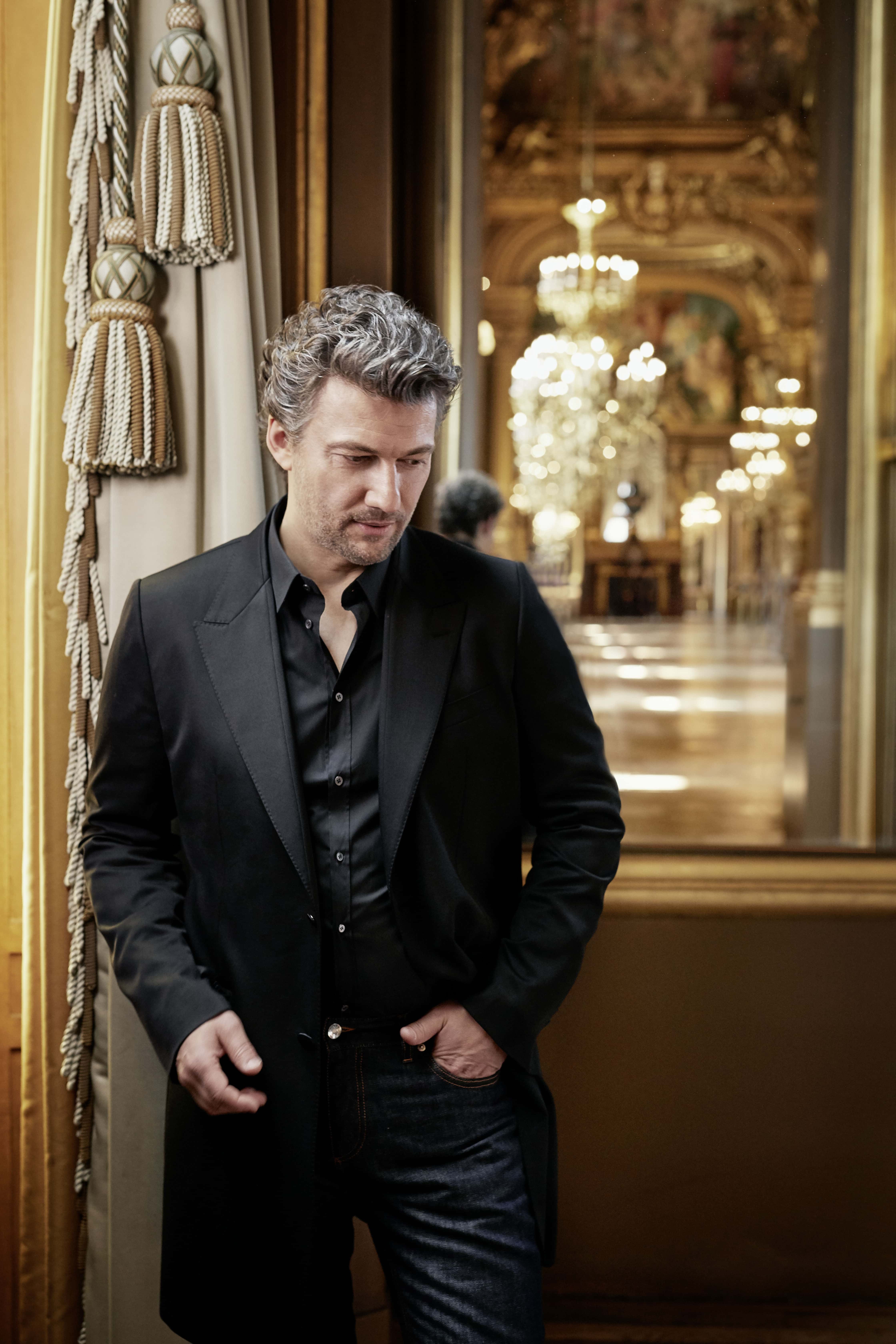
Jonas Kaufmann Net Worth 2026: The Financial Profile of a Modern Tenor Legend
As of 2026, Jonas Kaufmann’s estimated net worth stands between $25 million and $30 million. This substantial valuation reflects his two-decade tenure as the world’s leading operatic tenor. His wealth is a composite of elite performanc...
As of 2026, Jonas Kaufmann’s estimated net worth stands between $25 million and $30 million. This substantial valuation reflects his two-decade tenure as the world’s leading operatic tenor. His wealth is a composite of elite performance fees, a prolific recording catalog with Sony Classical, international concert tours, and long-term luxury brand endorsements.
Contents
The financial trajectory of Jonas Kaufmann provides a rare glimpse into the earning potential of the "superstar" tier within the classical music industry. Unlike pop icons whose wealth often stems from massive streaming numbers and merchandising, an opera singer of Kaufmann’s stature builds their estate through a complex combination of per-performance fees, media rights, and prestige-based partnerships. To understand how Kaufmann reached this financial peak, one must examine the specific mechanisms of the opera market and his strategic positioning within it.
The Economics of an Operatic Super-Tenor
In the world of elite opera, compensation is structured differently than in other entertainment sectors. For a singer like Kaufmann, the primary engine of wealth has traditionally been the "evening fee." While major opera houses like the Metropolitan Opera in New York or the Vienna State Opera have historically capped their top fees (often cited around $15,000 to $20,000 per performance), "superstars" often negotiate supplemental arrangements for travel, housing, and promotional appearances that effectively increase the value of a contract.
Kaufmann, however, transcends the standard house contract. His earnings are significantly amplified by:
- Gala Concerts and Recitals: While a staged opera requires weeks of rehearsal for a set number of performances, a single gala concert or recital can command fees upwards of $50,000 to $100,000. Kaufmann’s ability to sell out venues like the Barbican in London or the Philharmonie in Berlin makes him a primary target for high-budget promoters.
- Festival Premiums: High-profile appearances at the Salzburg Festival or the Bayreuth Festival come with immense prestige and, frequently, higher-than-average compensation packages due to the concentrated media attention and wealthy patron base these events attract.
- Media and Broadcast Rights: The "Met: Live in HD" series and similar cinema broadcasts from European houses provide additional royalty streams. As one of the most televised tenors of his generation, Kaufmann’s image and performance rights are a recurring source of passive income.
The Sony Classical Partnership and Recording Revenue
In 2013, Kaufmann signed a multi-album deal with Sony Classical, a move that was described at the time as one of the most significant recording contracts in the industry. By 2026, his discography has expanded to include dozens of solo albums, complete opera sets, and DVD/Blu-ray releases.
While the classical recording industry has faced challenges in the digital age, Kaufmann remains one of the few "physical product" sellers. His albums, such as The Verdi Album, Dolce Vita, and his interpretations of Wagner, consistently top the classical charts. In the classical genre, physical sales and high-quality digital downloads carry higher margins than the fractions of a cent earned from mass-market streaming. Furthermore, his contract likely includes significant advances and a favorable royalty structure that rewards his consistent chart-topping performance.
The longevity of recording revenue is a key factor in his $25-$30 million net worth. Unlike a physical performance, which is a one-time transaction of labor, his extensive catalog generates income regardless of whether he is currently on stage. This provides a financial "floor" that supports his lifestyle and investments even during periods of vocal rest.
Brand Endorsements and Commercial Ventures
A significant portion of Kaufmann’s wealth, distinguishing him from his peers, comes from his association with luxury brands. The most prominent of these is his long-standing relationship with Rolex. As a Rolex Testimonee, Kaufmann joins an elite group of cultural figures who represent the brand's values of excellence and precision.
Endorsement deals of this caliber are multi-year commitments that can be worth several hundred thousand dollars annually. These partnerships are not merely about cash flow; they provide global visibility in non-classical markets, such as high-end lifestyle magazines and luxury retail environments. This "crossover" appeal increases his market value for private performances and corporate events, where fees can be double or triple his standard opera house rate.
| Revenue Stream | Estimated Annual Impact | Financial Characteristics |
|---|---|---|
| Opera House Fees | $1M - $1.5M | High frequency, high tax, fixed by house caps. |
| Concerts & Recitals | $2M - $3M | Higher margins, lower time commitment. |
| Recording Royalties | $500K - $800K | Passive income from a vast back-catalog. |
| Endorsements (Rolex, etc.) | $500K - $1M+ | Retainer-based, high-prestige, global visibility. |
| Media & DVD Rights | $200K - $400K | Royalties from HD broadcasts and film. |
Geographical Wealth Distribution and Tax Considerations
Jonas Kaufmann is a resident of Germany, maintaining a primary home in Munich and a retreat in Salzburg, Austria. Germany has a rigorous tax system, particularly for high earners, with top income tax rates around 42% to 45% (plus the solidarity surcharge).
Managing a net worth of $25 million in this tax environment requires sophisticated financial planning. Professional opera singers operate as a business entity; they must account for:
- Management Commissions: Agencies like Zemsky Green typically take 10% to 20% of gross earnings.
- Travel and Logistics: First-class travel, secure accommodation, and personal assistants are essential costs of doing business at the elite level.
- Vocal Insurance: Given that his voice is his primary asset, high-premium insurance policies against illness or vocal injury are a necessary expenditure.
Despite these costs, Kaufmann’s strategic focus on the European market—where opera is heavily subsidized and ticket prices for his performances remain high—ensures a steady and predictable flow of high-value engagements.
The "Kaufmann Effect" and Market Longevity
The term "Kaufmann-Mania" was coined to describe the frenzy for tickets whenever he is billed. From a financial perspective, this translates to "market power." Kaufmann is one of the few singers who can guarantee a sold-out house purely on the strength of his name. This leverage allows him to choose roles that preserve his vocal health, thereby extending his earning years.
In 2026, as he enters a more mature phase of his career, he has successfully transitioned into heavier Wagnerian roles and dramatic Italian repertoire (Otello, Andrea Chénier). These roles are physically demanding but also command the highest prestige and pay. By carefully managing his "Fach" (vocal category), he has avoided the premature vocal decline that often plagues tenors, ensuring that his net worth continues to grow even as he performs fewer, but more lucrative, engagements per year.
Real Estate and Private Investments
While Kaufmann is relatively private about his personal investments, public records and interviews indicate a preference for high-end real estate in Bavaria and Austria. Real estate in Munich and the surrounding Alpine regions has seen consistent appreciation over the last decade.
For a high-net-worth individual in the Eurozone, tangible assets like property provide a hedge against inflation and a stable foundation for a family office. It is estimated that a significant portion of his $30 million net worth is tied up in these prime residential holdings, which serve both as lifestyle assets and long-term capital investments.
Comparison with Historic Tenors
To put Kaufmann’s $25-$30 million net worth in context, it is helpful to compare him to the "Three Tenors" era. While Luciano Pavarotti’s estate was valued significantly higher (estimated at nearly $300 million at the time of his death), that figure was achieved during the peak of the CD boom and through massive, stadium-sized "Three Tenors" concerts.
In the current fragmented media landscape, Kaufmann’s wealth is more reflective of a modern "niche-superstar." He has achieved a level of financial success that is at the absolute ceiling for a traditional opera singer who does not pivot entirely into pop-crossover music. He has maintained his artistic integrity as a "serious" artist while commanding a "celebrity" income.
Frequently Asked Questions
What is the primary source of Jonas Kaufmann's wealth?
The primary source of his wealth is a combination of high-fee concert recitals and his exclusive recording contract with Sony Classical. While his opera house performances provide a steady income, it is the one-night gala events and global album sales that have pushed his net worth into the $25 million+ range.
How much does Jonas Kaufmann earn per performance?
For a standard opera production at a major house, he likely earns the maximum house fee, which is approximately $15,000 to $20,000 per night. However, for private recitals, corporate events, or high-profile gala concerts, his fee can range from $50,000 to over $100,000 for a single evening’s work.
Does Jonas Kaufmann have any major endorsements?
Yes, his most notable endorsement is with Rolex. He has been a Rolex Testimonee for many years, a role that involves appearing in global advertising campaigns and representing the brand at exclusive events. This partnership is a significant contributor to his annual non-performance income.
How has his net worth changed in recent years?
His net worth has seen steady growth over the last five years due to the compounding effect of his recording royalties and the appreciation of his real estate investments. Despite the temporary industry shutdowns in the early 2020s, his return to the stage and the expansion of his "Otello" and "Lohengrin" repertoire have kept his market value at an all-time high.
Is Jonas Kaufmann the richest opera singer in the world?
While he is among the top five highest-paid active opera singers, he is likely not the "richest" when compared to veterans like Andrea Bocelli (who operates in the much more lucrative pop-crossover market) or Anna Netrebko. However, within the realm of pure "classical" tenors, he remains at the top of the financial hierarchy.
Practical Recommendation: Understanding Artist Valuation
For those interested in the financial side of the performing arts, Jonas Kaufmann’s career demonstrates the importance of diversification. To achieve a net worth in the tens of millions, a classical artist cannot rely solely on the stage.
If you are analyzing the wealth of high-level performers, look for the "triple threat" of income:
- Fixed Institutional Income: Reliable but capped (Opera houses).
- Scalable Media Income: Royalties and digital rights (Recordings/Film).
- Third-Party Capital: Non-industry revenue (Luxury endorsements).
Kaufmann has mastered all three, ensuring that his financial legacy is as secure as his artistic one. For fans and investors alike, his career serves as a blueprint for how to monetize excellence in a high-prestige, low-volume industry.
Image Gallery