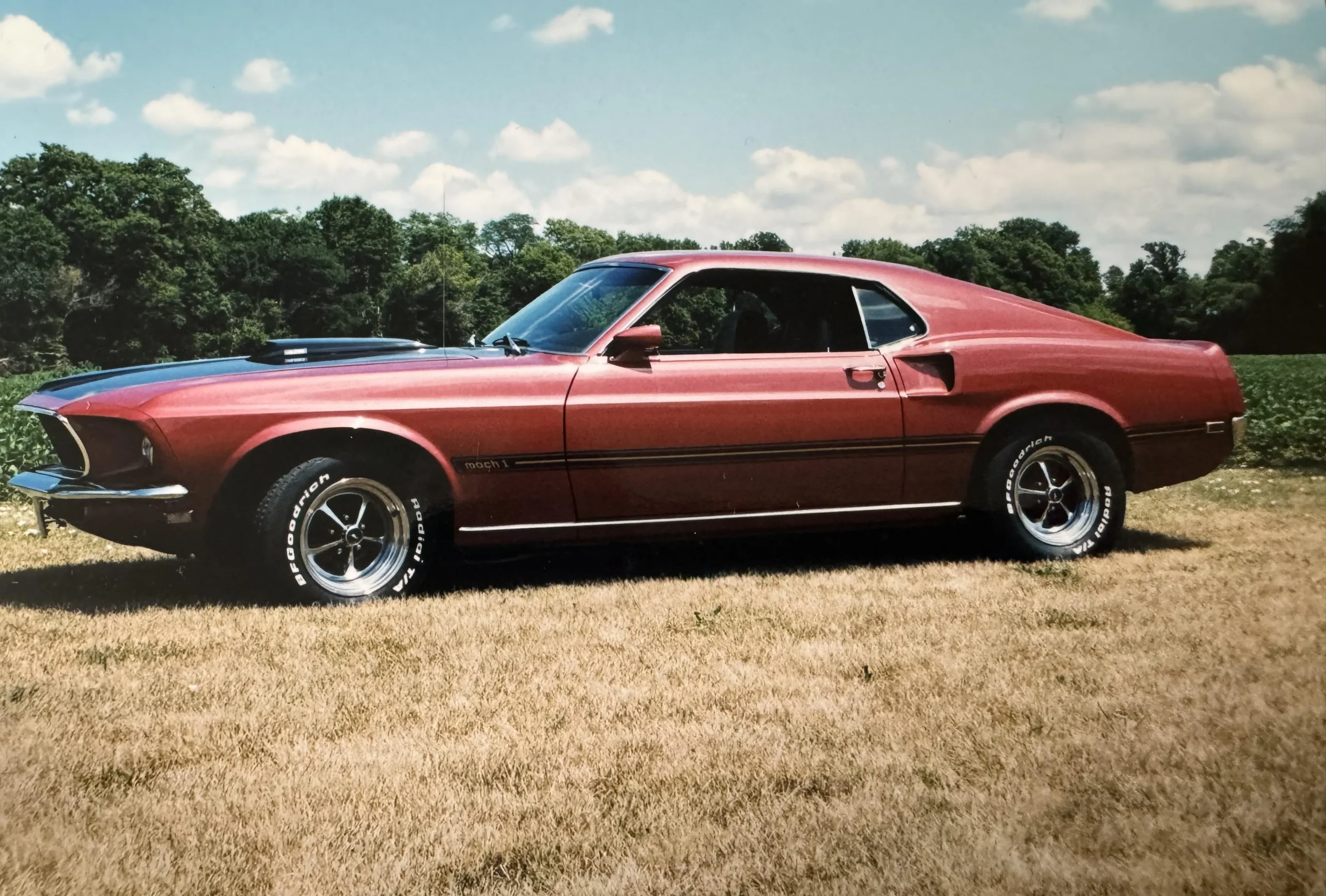
The Big-and-Tall Debate in Classic Car Circles: Accommodating Height and Proportions
The "big-and-tall debate in classic car circles" centers on the ongoing conflict between historical vehicle authenticity and the physical comfort of modern drivers who exceed average historical proportions, forcing enthusiasts to choos...
The "big-and-tall debate in classic car circles" centers on the ongoing conflict between historical vehicle authenticity and the physical comfort of modern drivers who exceed average historical proportions, forcing enthusiasts to choose between original factory specifications and ergonomic modifications.
Contents
Introduction to the Ergonomic Clash in Vintage Automobiling
Automotive history preserves rolling works of art, but it also reflects the physical stature of the populations that built them. Mid-century and earlier automobiles were engineered around an average human frame that was significantly shorter and lighter than today's standard. Consequently, stepping into a pristine 1950s Cadillac, a tight 1960s British roadster, or even a classic muscle car often presents an immediate spatial challenge for enthusiasts standing over six feet tall or carrying a heavier build.
This reality sparks a passionate debate within the classic car community. On one side stand purists who argue that altering original interiors, seat frames, and steering columns diminishes a vehicle’s historical integrity and market value. On the other side stand practical drivers who contend that a classic car is meant to be driven, not merely gazed upon, and that physical comfort and safety should never be compromised for the sake of strict preservation. Resolving this tension requires understanding the structural limitations of vintage cabins, exploring approved modification techniques, and evaluating how changes impact vehicle valuation.
The Evolution of Cabin Proportions and Human Stature
To understand why taller and larger drivers struggle with vintage automobiles, one must examine how packaging and ergonomics have evolved over the past century. Mid-century designers prioritized exterior styling—such as long hoods, sweeping rooflines, and panoramic glass—often at the expense of interior headroom and legroom.
Furthermore, average human heights have risen globally due to improved nutrition and healthcare. A vehicle designed in 1955 for a population with an average male height of roughly 5 feet 8 inches must now accommodate drivers well over 6 feet tall. In compact and sports car segments, this mismatch becomes acute. The distance from the accelerator pedal to the seatback, the angle of the steering wheel, and the clearance beneath the headliner were simply not engineered for modern frame sizes.
Cabin Constraint Factors in Vintage Vehicles
- Fixed Seat Tracks: Many classic cars feature non-adjustable bench seats or rigid bucket seats bolted directly to the floorpan with zero horizontal slide adjustment.
- Deep-Dish Steering Wheels: Large-diameter, non-adjustable steering wheels rest close to the driver’s chest and thighs, leaving little room for leg clearance.
- Dashboard Protrusions: Metal instrument panels, protruding ignition switches, and under-dash emergency brake handles can easily contact a taller driver's knees during operation.
- Greenhouse Design: Low-slung rooflines and raked windshield pillars reduce vertical visibility, forcing taller drivers to slouch awkwardly to see traffic signals.
Purist Preservation Versus Driver Accessibility
The ideological core of the big-and-tall debate revolves around authenticity. Concours d'Elegance events and strict judging circuits reward factory-correct specifications down to the fabric weave and seat padding density. Purists argue that cutting floorboards, welding new seat brackets, or installing modern aftermarket seats destroys the historical fabric of the car. From this perspective, a classic car is a historical artifact that deserves preservation in its exact factory state.
Conversely, pragmatic enthusiasts argue that a car is a mechanical device intended for dynamic use. If a driver cannot safely reach the pedals, constantly cramps up during a weekend tour, or has their line of sight blocked by the rearview mirror, the vehicle becomes dangerous to operate. This safety argument shifts the debate from a matter of aesthetic preference to one of functional risk management. Modifying a car to fit the driver ensures that classic vehicles remain active on public roads rather than static museum pieces.
Non-Destructive Modifications and Reversible Solutions
For owners caught between the desire for comfort and the need to preserve historical value, the industry has developed numerous reversible, non-destructive modifications. These solutions allow taller and larger drivers to enjoy long-distance cruising without permanently altering or damaging rare factory components.
| Modification Type | Reversibility | Impact on Originality |
|---|---|---|
| Seat Track Extensions | Fully Reversible | Low (Utilizes existing bolt holes) |
| Modern Slimline Seating | Reversible (Store original seats) | Moderate (Visual change) |
| Smaller Steering Wheels | Fully Reversible | Low (Retain original in storage) |
| Steering Column Tilt Kits | Varies (May require fabrication) | Moderate to High |
Seat Relocation and Track Alterations
One of the most common interventions involves modifying seat mounting points. In many cases, seat tracks can be unbolted, and adapter brackets can be fabricated to move the seat back by two to four inches. If these brackets utilize existing factory floorpan mounting holes, the modification can be completely undone at a later date, satisfying purists while delivering immediate ergonomic relief.
Steering Wheel and Column Adjustments
Original steering wheels in classic cars are frequently oversized "bus wheels" designed to provide leverage before the widespread adoption of power steering. Replacing the factory wheel with a slightly smaller-diameter unit from the same era or an authorized period-style accessory creates crucial clearance for thighs and knees. When space permits, tilt-column conversions or collapsible aftermarket steering columns can also alter the driving geometry safely.
Impact on Collector Vehicle Valuation
A frequent concern among owners considering ergonomic upgrades is the potential depreciation of the vehicle's market value. The impact of modifications depends heavily on the car's rarity, the reversibility of the work, and how well the changes blend with the vehicle’s interior aesthetics.
For high-end, investment-grade classic cars—such as matching-numbers exotic sports cars or rare pre-war coachbuilt vehicles—any permanent modification can significantly reduce market value. For these vehicles, preservation is paramount, and taller collectors often choose to limit their driving time or select models better suited to their proportions. However, for mass-produced classic muscle cars, popular sedans, and standard vintage cruisers, tasteful, reversible comfort modifications rarely hurt resale value, and can actually make the vehicle more attractive to a wider pool of active buyers.
Frequently Asked Questions
Can I install modern seats in a classic car without ruining the interior?
Yes, many enthusiasts temporarily remove their original, fragile factory seats and store them in climate-controlled environments. They then install modern aftermarket or late-model bucket seats that offer better lumbar support and lower profile positioning. As long as the floorpan is not cut and original mounting locations are respected, the swap can be undone before selling the car.
Do smaller steering wheels affect classic car handling?
Installing a smaller-diameter steering wheel reduces mechanical leverage, which can make manual steering noticeably heavier at low speeds and when parking. However, on vehicles equipped with power steering, the difference in effort is usually negligible while providing essential legroom.
How do I know if a specific classic car model will fit a tall driver?
Researching club forums, attending local car club meetups, and sitting in target vehicles at automotive swap meets or dealerships is the most reliable method. Enthusiast communities often maintain specific guides detailing headroom and legroom dimensions for various makes and models.
Are shoulder harness safety upgrades compatible with big-and-tall modifications?
Adding modern three-point retractable seatbelts is a popular safety upgrade for classic cars. Taller drivers must ensure that the upper anchor point is positioned correctly relative to their shoulder height to prevent spinal compression during a sudden stop or collision.
Does modifying seat positions create legal or insurance issues?
Standard classic car insurance policies generally do not penalize owners for ergonomic adjustments designed to improve driver safety and control. However, structural modifications that alter the crash-worthiness of the chassis or seat anchorages should be executed professionally to maintain structural integrity.
Conclusion and Next Actions
Navigating the big-and-tall debate in classic car circles ultimately comes down to balancing historical stewardship with personal usability. Owners should prioritize non-destructive, reversible modifications such as seat track extensions and smaller steering wheels before considering permanent structural changes. For those evaluating a new classic car purchase, prioritize physical test-dits over pure aesthetic appeal to ensure long-term driving enjoyment.
Image Gallery