Why the Lucid Arizona Plant Matters for Buyers: Quality, Scale, and Ownership Impact
The Lucid Motors Advanced Manufacturing Plant-1 (AMP-1) in Casa Grande, Arizona, is critical for buyers because it directly dictates vehicle build quality, delivery timelines, federal tax incentive eligibility, and long-term service su...
The Lucid Motors Advanced Manufacturing Plant-1 (AMP-1) in Casa Grande, Arizona, is critical for buyers because it directly dictates vehicle build quality, delivery timelines, federal tax incentive eligibility, and long-term service support. As North America's first purpose-built greenfield electric vehicle facility, AMP-1 enables direct vertical integration that improves structural precision, battery efficiency, and replacement part supply chains.
Contents
Purpose-Built EV Manufacturing vs. Legacy Conversions
When prospective electric vehicle (EV) buyers evaluate premium luxury vehicles like the Lucid Air sedan or the Lucid Gravity SUV, manufacturing origin plays a decisive role in long-term ownership satisfaction. Legacy automakers often adapt century-old internal combustion engine (ICE) plants to assemble electric vehicles. This retrofitting process frequently forces design compromises, such as irregular battery placement, suboptimal weight distribution, and unneeded structural bulk.
In contrast, Lucid designed its Advanced Manufacturing Plant-1 (AMP-1) in Casa Grande, Arizona, specifically for high-voltage battery architecture and advanced electric drive units. Built from the ground up on a greenfield site, the facility integrates raw stamping, body assembly, paint shop operations, and final validation under one unified engineering framework.
For buyers, this ground-up manufacturing model offers several tangible advantages:
- Optimized Structural Integrity: Because the plant layout was engineered around a flat "skateboard" battery architecture, the aluminum spaceframe is bonded and riveted with exact tolerances, enhancing torsional rigidity and passenger cabin space.
- Minimized Cabin Noise: Custom-designed acoustic insulation stations during body assembly eliminate the squeaks and rattles common in retrofitted assembly lines.
- Reduced Vehicle Mass: Purpose-built stamping machinery allows thin-wall, high-strength aluminum pressings, lowering overall curb weight and improving efficiency.
Direct Impact on Build Quality, Fit, and Finish
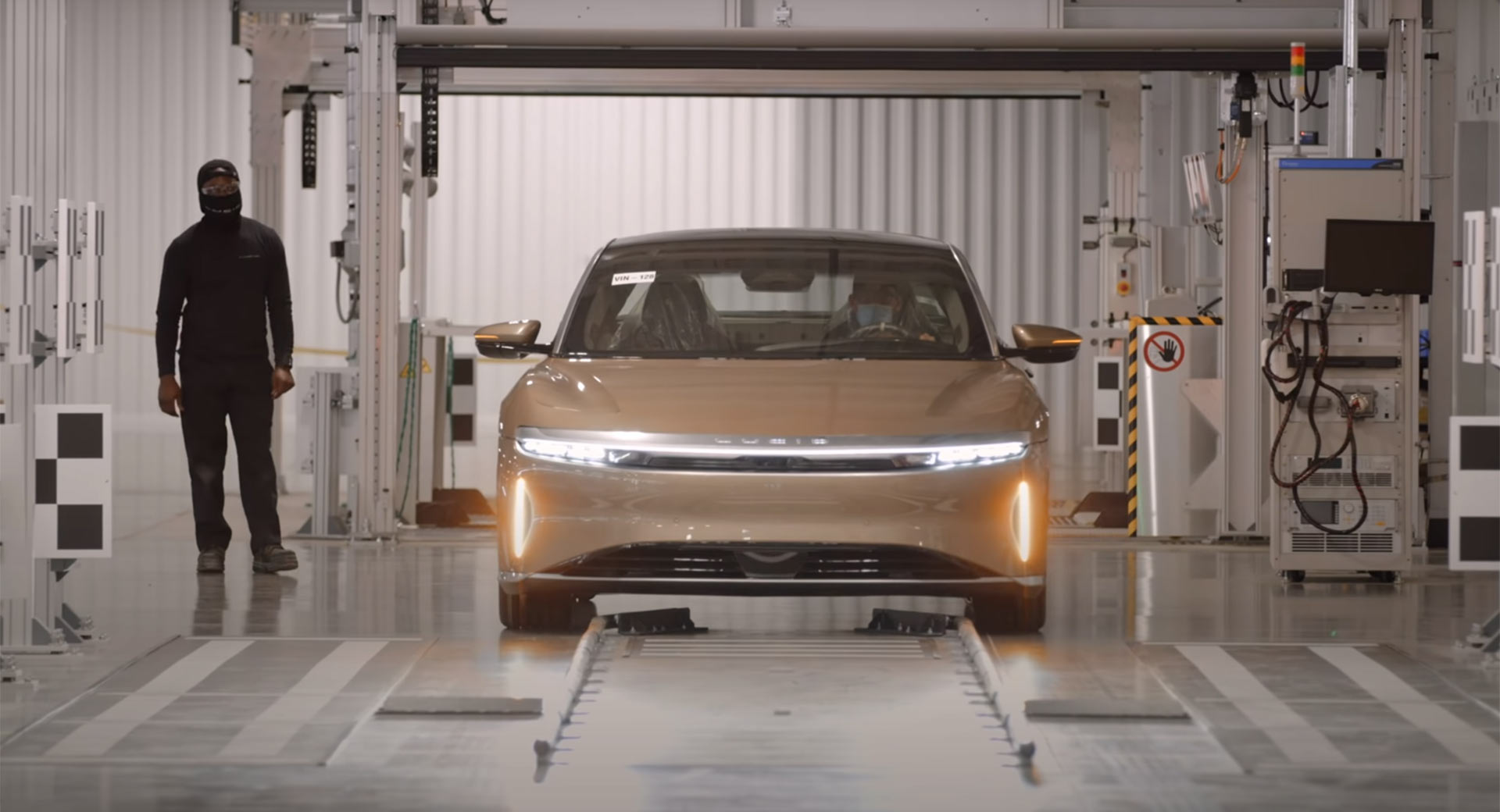
Initial build quality is one of the most critical factors for luxury vehicle buyers. Early-stage automotive startups often struggle with inconsistent panel gaps, paint imperfections, and wind noise caused by rushed assembly environments. The Casa Grande facility addresses these problems through automated quality gates and advanced robotics.
- Raw Stamping & Aluminum Spaceframe
- Automated Paint & Electrocoating
- Powertrain & Battery Integration
- Final Validation & Track Audit
Stamping and Body Shop Precision
AMP-1 utilizes computerized vision systems and high-speed robotic riveting to construct vehicle frames. By relying on cold-joining techniques rather than traditional spot welding across critical aluminum joints, the facility minimizes heat deformation. For the vehicle buyer, this translates into tightly controlled panel gaps, perfect door flushness, and aerodynamic seals that mitigate highway wind noise.
Advanced Paint Shop Capabilities
Paint durability is vital for preserving vehicle resale value against environmental degradation, road salt, and UV exposure. The AMP-1 paint facility uses pre-treatment electrocoating paired with multi-axis spraying robots to apply consistent micron-thick primer, base, and clear coats. Buyers receive a finish with uniform depth, high resistance to chipping, and zero color drift across composite and aluminum body panels.
In-House Powertrain Production at LPM-1
Located just minutes from the main AMP-1 assembly line is Lucid Powertrain Manufacturing-1 (LPM-1). This sister facility produces Lucid’s proprietary electric motors, ultra-compact inverters, single-speed transmissions, and high-voltage Wunderbox charging units.
LPM-1 Powertrain Integration Flow:
- Stator Winding & Rotor Assembly
- 900V+ Inverter & Transmission Packaging
- Battery Module & Pack Enclosure
- Integrated Drive Unit Validation
- Direct Transport to AMP-1 Main Line for Chassis Dropping
Many competing automakers purchase off-the-shelf electric motors and third-party battery management units, which can lead to software calibration mismatches and reduced thermal efficiency. Lucid’s localized powertrain production gives buyers distinct operational benefits:
- Leading Energy Efficiency: Direct factory integration of the 900V+ electrical architecture allows Lucid vehicles to achieve higher miles per kilowatt-hour (kWh) than most competing luxury EVs, reducing real-world charging costs.
- Compact Mechanical Footprint: The combined motor, inverter, and reduction gear set built at LPM-1 weighs significantly less than traditional EV powertrains, allowing for expanded interior storage space, including exceptionally large front trunks (frunks).
- Strict Component Traceability: Every powertrain component is digitally paired with the vehicle's unique Identification Number (VIN) during assembly in Arizona. If a component issue arises, customer support teams can trace the exact batch and calibration settings immediately.
Production Capacity, Order Fulfillment, and Lead Times
For vehicle buyers, long factory wait times and unpredictable delivery schedules are major sources of frustration. The multi-phase expansion of the Casa Grande manufacturing complex directly resolves supply-side bottlenecks.
Phase Expansion and Annual Output
The original Phase 1 footprint was designed for low-volume, handcrafted production validation. Subsequent expansions (Phase 2 and beyond) increased the facility's footprint to millions of square feet, raising maximum output capacity to accommodate both the Lucid Air sedan lineup and the Lucid Gravity SUV.
| Factory Attribute | Phase 1 (Initial Buildout) | Expanded AMP-1 Facility | Direct Buyer Benefit |
|---|---|---|---|
| Footprint Area | ~800,000 sq. ft. | 3,000,000+ sq. ft. | Expanded body shops allow simultaneous production of multiple vehicle models. |
| Vehicle Programs | Lucid Air (Dream / Grand Touring) | Lucid Air & Lucid Gravity SUV | Platform sharing reduces custom order delays across trim levels. |
| Annual Production Cap | ~34,000 units/year | Up to 90,000+ units/year | Shorter factory queue times for custom customer configurations. |
| Powertrain Sourcing | Low-rate initial assembly | Fully automated LPM-1 line | Lower unit manufacturing costs help protect long-term vehicle pricing stability. |
Build-to-Order Customization
Because AMP-1 operates as an integrated flexible manufacturing line, buyers can order custom exterior paint options, interior appointments, wheel packages, and powertrain configurations directly from the factory. Rather than selecting from generic dealer inventory, buyers receive a vehicle configured directly to their specifications on the Casa Grande assembly floor.
Federal Tax Credits, Sourcing, and Domestic Manufacturing Regulations
The location of the AMP-1 facility in Casa Grande, Arizona, carries significant regulatory and financial implications for North American vehicle purchasers, particularly regarding federal tax incentives and state-level incentives.
Under the North American assembly requirements outlined in federal clean vehicle legislation, final vehicle assembly must occur within North America for vehicles to qualify for specific purchase or lease incentives. Buyers navigating federal tax guidelines through the IRS Clean Vehicle Credit Portal can confirm that domestic assembly is a strict prerequisite for eligibility.
Federal Tax Credit Assembly Eligibility:
- Vehicle Assembled Overseas: INELIGIBLE for North American Assembly Credit
- Vehicle Assembled at AMP-1 (Arizona): MEETS Final Assembly Requirement (Subject to MSRP & Income Caps)
Key Financial Implications for Buyers:
- Commercial Lease Savings: For buyers opting to lease through commercial financing programs, domestic manufacturing compliance allows finance companies to pass through the full $7,500 commercial clean vehicle tax credit (Section 45W) directly into lower monthly lease payments, regardless of individual income caps.
- Supply Chain Resilience: Localizing assembly in Arizona insulates retail buyers from international shipping tariffs, port delays, and transoceanic freight surcharges, which can unpredictably raise the final delivery charge on imported luxury automobiles.
Service Operations, Replacement Parts, and Ownership Economics
A major risk when buying a vehicle from a newer automotive brand is long-term service support and replacement parts availability. When assembly plants are located overseas, simple collision repairs can leave a car parked in a body shop for months while waiting for structural stampings or wiring harnesses to ship internationally.
Proximity to Regional Service Networks
Because AMP-1 and LPM-1 house primary stamping dies, body tooling, and component assembly in Arizona, replacement parts are produced alongside new vehicle builds. This structural integration offers key advantages:
- Faster Service Turnaround: Approved repair networks and mobile service fleets source original equipment manufacturer (OEM) body panels, glass, suspensions, and electronic modules directly from domestic logistics hubs linked to the Arizona plant.
- Consistent Hardware Revisions: Physical updates made to the assembly line are simultaneously updated in the regional service parts catalog, ensuring older vehicles receive verified, backwards-compatible replacement parts.
- Standardized Quality Control: Spare parts undergo the same quality validation and paint matching routines as the components installed on brand-new production cars.
Frequently Asked Questions
Why is a purpose-built EV plant better than a converted auto plant?
Purpose-built EV plants are designed specifically for flat battery packs and compact electric motors, allowing for optimal structural rigidity, lower vehicle weight, and superior cabin space utilization. Converted legacy plants often must compromise structural geometry, passenger legroom, and battery cooling routing to fit old chassis designs.
Where are Lucid vehicles manufactured?
All primary assembly operations for Lucid vehicles—including the Lucid Air and Lucid Gravity—take place at Advanced Manufacturing Plant-1 (AMP-1) in Casa Grande, Arizona. High-voltage powertrains and drive units are built nearby at the Lucid Powertrain Manufacturing (LPM-1) facility.
How does the Arizona plant affect delivery times for new orders?
The expansion of the AMP-1 facility increases total production throughput, allowing the company to build multiple vehicle lines and trim levels simultaneously. This expanded footprint reduces the wait time for custom factory orders compared to plants operating under low-volume capacity constraints.
Does manufacturing in Arizona help Lucid vehicles qualify for EV tax credits?
Yes, assembling vehicles at AMP-1 satisfies the North American final assembly requirement under federal clean vehicle regulations. This enables eligible buyers and leasing customers to take advantage of available federal tax credits under applicable purchase or lease structures.
How does local Arizona production impact collision repair times?
Because structural body panels, frame pressings, and powertrain modules are produced domestically in Casa Grande, regional service centers and authorized body shops can obtain replacement OEM parts much faster than if components had to be imported from overseas facilities.
Summary and Next Steps for Prospective Buyers
The Lucid Arizona plant matters to buyers because it directly governs the quality, efficiency, lead time, and overall ownership experience of the vehicle. AMP-1’s purpose-built infrastructure translates directly into tight assembly tolerances, high battery efficiency, shorter build queues, and reliable domestic parts supply.
If you are considering purchasing or leasing a Lucid vehicle, take the following practical steps to maximize your buying experience:
- Verify Model Sourcing & VIN: Work with your sales representative to confirm your vehicle's manufacturing schedule at AMP-1 to get accurate build-to-delivery timeline updates.
- Evaluate Financial & Tax Incentives: Check current eligibility guidelines on official government sites like the U.S. Department of Energy Alternative Fuels Data Center to determine whether direct purchase or commercial lease structures provide the best tax advantage based on your income and vehicle MSRP.
- Confirm Regional Repair Support: Review the location of regional service centers and authorized collision repair facilities in your area to understand how local AMP-1 spare parts logistics will support your ownership experience over time.
EDITORIAL CATEGORY METADATA:
TOPIC METADATA:
Image Gallery