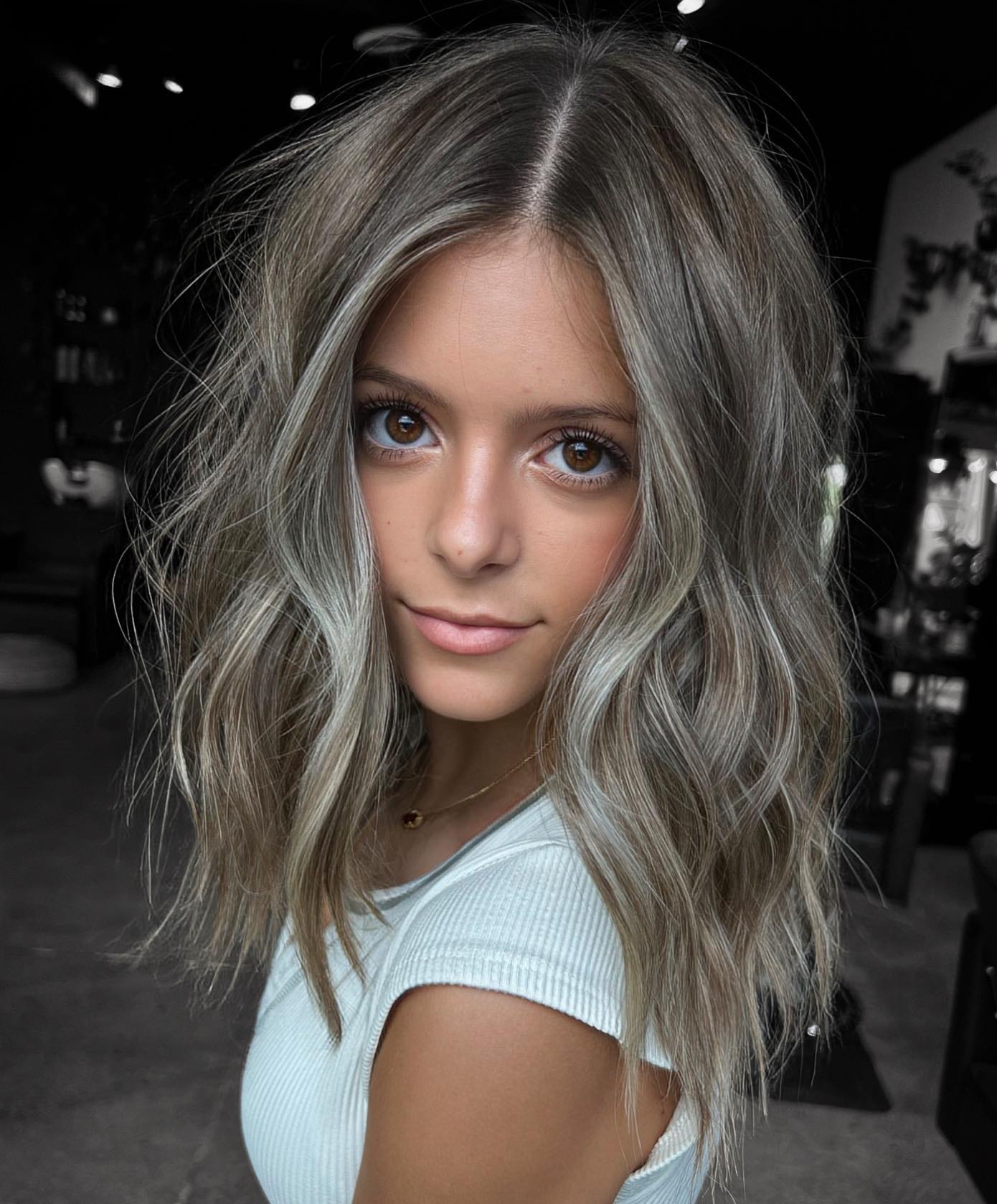
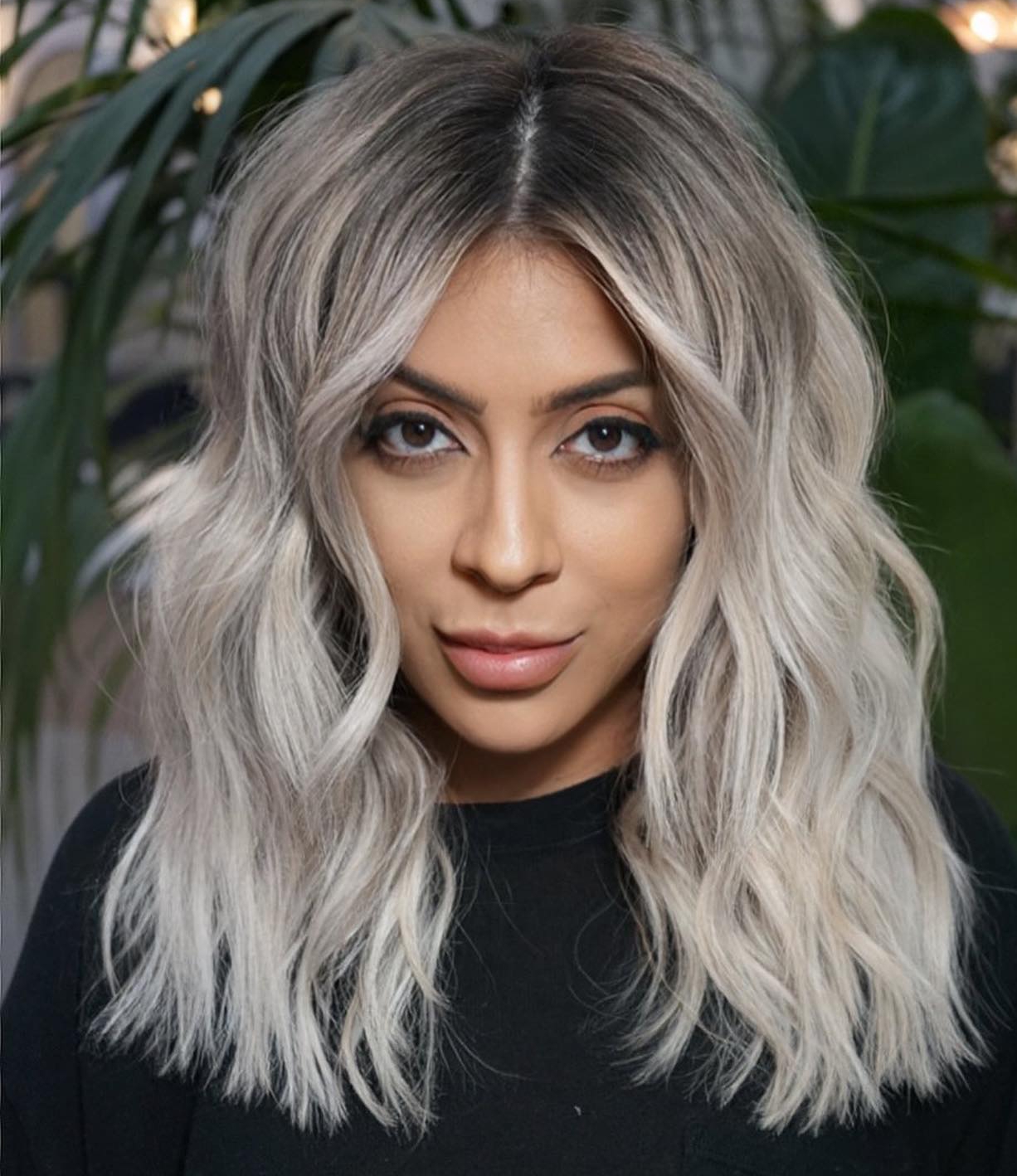
Mastering Dark to Ash Blonde Hair: The Definitive 2026 Professional Colorist Guide
Transitioning from dark hair to an icy, smoky ash blonde is one of the most mechanically demanding color corrections in modern cosmetology. Because dark hair naturally conceals dense underlying warm pigments—predominantly red, orange,...
Transitioning from dark hair to an icy, smoky ash blonde is one of the most mechanically demanding color corrections in modern cosmetology. Because dark hair naturally conceals dense underlying warm pigments—predominantly red, orange, and yellow—stripping away this depth while depositing cool, neutralising ash tones requires precise chemical management. As advanced bond-building technology and alkaline chemistry evolve through 2026, mastering this transformation depends entirely on structural hair integrity, precise developer matching, and rigorous post-chemical maintenance.
Contents
Decoding the Color Wheel: The Science of Lifting Dark Hair
Before applying any chemical agents, a professional colorist must evaluate the natural hair level, porosity, and elasticity. Moving from a Level 2 (darkest brown/black) or Level 4 (medium brown) to a Level 9 or 10 ash blonde requires breaking through layers of eumelanin and phaeomelanin.
When lightening dark hair, the underlying pigment exposed at each level dictates the necessary toning strategy. Skipping or misjudging these stages leads to unwanted brassiness that an ash toner cannot correct on its own.
| Hair Level | Exposed Underlying Warmth | Required Neutralizing Pigment | Target Ash Corrector |
|---|---|---|---|
| Level 4 - Medium Brown | Red-Orange | Blue-Green | Matte / Olive Ash |
| Level 6 - Dark Blonde | Orange | Blue | True Blue Ash |
| Level 8 - Light Blonde | Yellow-Orange | Blue-Violet | Violet-Blue Ash |
| Level 10 - Pale Yellow | Pale Yellow | Violet | Pure Platinum Violet |
Achieving a clean, reflective ash blonde mandates reaching a pale yellow canvas (Level 10) before depositing ash. If the hair is lifted only to a yellow-orange stage (Level 8) and an ash toner is applied, the resulting color will often appear muddy, greenish, or flatly neutral rather than vibrant and silvery.
Step-by-Step Professional Bleaching and Toning Protocol
Execution errors during a dark-to-blonde color correction result in chemical breakage, patchy lift, or uneven porosity. Professional execution follows a structured, multi-session timeline to protect the disulfide bonds.
- Consultation and Strand Test: Assess tensile strength and elasticity. Apply lightener with 20-volume developer to a small test section to determine processing time and realistic lift capability.
- First-Stage Lightening (The Global Bleach Out): Mix professional powder lightener with a bond-building additive and a 20-volume or 30-volume developer. Begin application one inch away from the scalp, working through the mid-lengths and ends where pigment is most stubborn.
- Root Application: Once the mid-lengths reach the target yellow stage, apply fresh lightener to the root area. Scalp heat accelerates processing, meaning roots lift significantly faster than ends.
- Rinsing and Clarifying: Emulsify thoroughly with warm water, rinse completely, and apply a chelating or acid-balancing shampoo to halt residual chemical oxidation and remove mineral buildup.
- Pre-Toning or Acidic Gloss Application: Apply a demi-permanent liquid toner formulated with blue and violet micro-pigments on damp hair. Process visually for 5 to 20 minutes, monitoring the absorption closely to avoid over-depositing dark ash spots into freshly bleached hair.
Professional Technical Warning: Never apply a high-volume developer (30 or 40 volume) directly to the scalp during a dark-to-ash transition. Chemical burns and severe scalp irritation can occur rapidly. Always use 10 or 20 volume for root touch-ups during secondary corrective sessions.
Comparative Analysis: Single-Process vs. Double-Process vs. Balayage for Dark Bases
Selecting the correct technique depends heavily on the starting depth of the hair, maintenance commitment, and the desired final aesthetic.
| Technique | Primary Method | Maintenance Level | Hair Health Impact | Best Suited For |
|---|---|---|---|---|
| Double-Process Global Blonde | Complete scalp-to-end bleaching followed by a custom toner. | High (Every 3-4 weeks) | Moderate to High | Virgin dark hair seeking uniform, solid platinum ash blonde. |
| Dimensional Foilayage / Babylights | Weaving fine micro-foils combined with root smudging. | Low to Moderate (Every 8-12 weeks) | Low to Moderate | Those transitioning from dark hair who want a softer grow-out line. |
| High-Lift Tint | Chemical lightening cream mixed with high-volume developer without bleach. | Moderate (Every 6 weeks) | Low | Naturally light brown hair (Level 6) looking for minimal lift and soft ash tones. |
Managing Porosity and Structural Integrity
Dark hair subjected to aggressive chemical lifting undergoes severe mechanical changes. The cuticles are forced open, and the inner protein matrix (cortex) is compromised.
Home Care Protocol: Incorporate a molecular repair treatment containing active peptide technology into your weekly routine. Avoid high-heat styling tools exceeding 350°F (175°C) without a professional thermal protectant spray, as bleached ash blonde hair scorches and yellows rapidly under excessive heat.
Maintenance and Home Care Regimen
Maintaining a cool ash blonde requires dedicated upkeep to prevent the underlying warmth from resurfacing. Because ash pigments are physically smaller than warm pigment molecules, they wash out of porous hair easily.
- Purple and Blue Cleansing: Alternate between a moisturizing sulfate-free shampoo and a professional violet-pigmented shampoo once a week. Over-use of purple shampoo can lead to a dull, drab, or overly grayish cast on porous hair.
- Hard Water Filtration: Minerals such as iron, copper, and calcium present in tap water bond to porous blonde hair, oxidizing it and turning it brassy or muddy. Installing a showerhead filter is essential for preserving ash tones.
- Acidic Sealing Rinses: Use pH-balanced finishing rinses or acidic bonding conditioners to lock down the hair cuticle, maximizing light reflection and preserving cool silver undertones.
Frequently Asked Questions
Can I go from dark brown box dye to ash blonde in one salon visit?
Achieving a clean ash blonde in a single session from dark box dye is rarely possible without causing catastrophic structural damage to the hair. Box dyes contain metallic salts and heavy synthetic pigments that resist lifting, often requiring multiple staged sessions spaced weeks apart.
Why does my ash blonde hair turn yellow or orange after a few weeks?
Ash blonde hair fades quickly because cool blue and violet pigments wash out of porous hair faster than underlying warm pigments. Furthermore, environmental pollution, UV exposure, and hard water minerals rapidly strip away toner and oxidize the hair shaft.
How do I prevent breakage during the dark-to-blonde transition?
Using professional bond-builders during the lightening process is mandatory to protect disulfide bonds from snapping. Additionally, spacing out lightening sessions and committing to heavy protein and moisture masks at home will preserve elasticity.
What is the difference between silver, platinum, and ash blonde?
Ash blonde features smoky, neutral, or cool beige undertones designed to counteract orange and yellow warmth. Platinum is a pale, clean, ultra-light shade of blonde, while silver incorporates distinct metallic gray pigments that require a Level 10 white canvas to achieve.
How often do I need to visit the salon for root maintenance?
For a solid global double-process ash blonde, root touch-ups are typically required every 3 to 5 weeks. If you opted for a shadowed root or dimensional foilyage technique, maintenance appointments can be safely extended to every 8 to 12 weeks.
Secure Your Professional Color Transformation Today
Transforming dark hair into a luminous, multidimensional ash blonde demands expert chemical handling, premium bond-building care, and tailored maintenance strategies. Avoid the risks of severe chemical damage and unpredictable brassy results by scheduling a comprehensive hair history and elasticity consultation with our master colorists today to map out your custom transformation journey.
Image Gallery