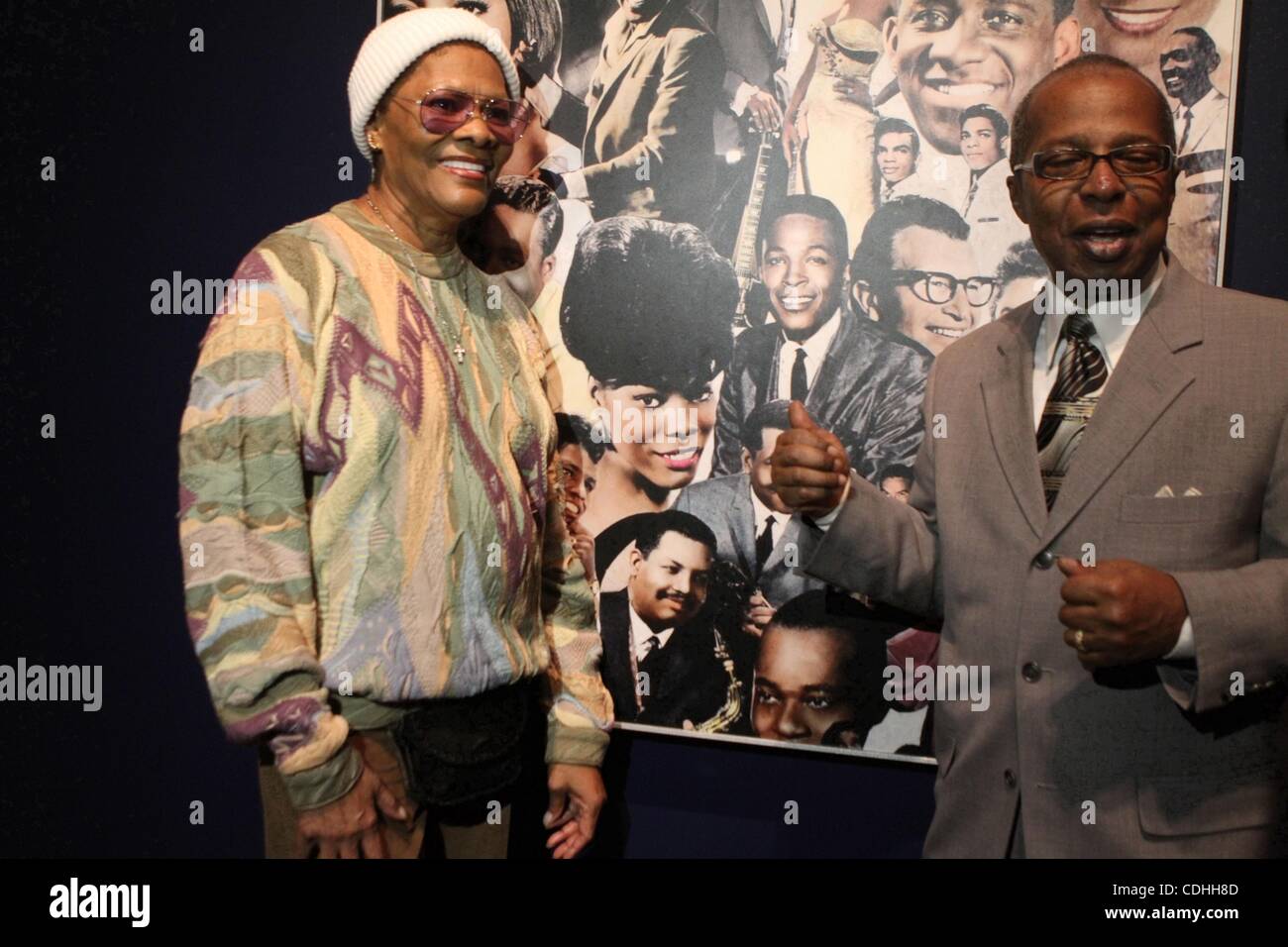
Dionne Warwick The Legendary Singer: A Career of Elegance and Influence
Dionne Warwick is a cornerstone of American popular music, a five-time Grammy Award winner whose career spans over six decades. Known for her sophisticated phrasing and seamless blend of pop, soul, and R&B, she bridged the gap between...
Dionne Warwick is a cornerstone of American popular music, a five-time Grammy Award winner whose career spans over six decades. Known for her sophisticated phrasing and seamless blend of pop, soul, and R&B, she bridged the gap between gospel roots and international superstardom, selling over 100 million records worldwide.
Contents
As of 2026, Dionne Warwick remains an enduring cultural icon. Her journey from a gospel singer in East Orange, New Jersey, to a global hitmaker and a late-career social media phenomenon illustrates a rare adaptability in the entertainment industry. Beyond her technical mastery of complex melodies, Warwick’s legacy is defined by her role as a humanitarian and a pioneer for Black female vocalists in the mainstream pop landscape. This article examines her musical evolution, her historic partnership with Burt Bacharach and Hal David, and her lasting impact on the music industry.
The Foundations of a Musical Dynasty
Dionne Warwick was born into a family where music was not just a hobby but a calling. Her mother, Lee Drinkard, managed the Drinkard Singers, a renowned gospel group that included Dionne’s aunts and uncles. Growing up in the New Jersey gospel circuit, Warwick developed a vocal foundation rooted in emotive storytelling and disciplined harmony.
While many of her contemporaries in the early 1960s were moving toward the raw power of soul and early rock and roll, Warwick’s voice possessed a unique crystalline quality. It was agile, precise, and capable of navigating the unconventional time signatures and melodic leaps that would soon define her career. While attending the Hartt College of Music, she began doing session work in New York City, where a chance encounter with songwriter and producer Burt Bacharach changed the trajectory of 20th-century music. Bacharach recognized that Warwick’s voice could handle the sophisticated, often difficult arrangements he was composing with lyricist Hal David.
The Bacharach-David Partnership: Defining a Decade
The collaboration between Dionne Warwick, Burt Bacharach, and Hal David is widely considered one of the most successful "triangles" in music history. Starting with her 1962 debut single, "Don't Make Me Over," Warwick became the primary muse for the duo’s intricate compositions.
Unlike the standard three-chord pop songs of the era, the Bacharach-David-Warwick catalog was characterized by:
- Complex Rhythms: Songs like "Anyone Who Had a Heart" featured shifting time signatures that required a singer with exceptional rhythmic intuition.
- Polished Orchestration: The use of horns, strings, and sophisticated piano arrangements created a "New York Pop" sound that felt both cosmopolitan and accessible.
- Emotional Resilience: Warwick’s delivery was rarely histrionic; instead, she conveyed heartbreak and longing with a dignified, restrained strength that resonated with a wide demographic.
Throughout the 1960s, this partnership produced a string of hits that became the soundtrack to the decade, including "Walk On By," "I Say a Little Prayer," and "Do You Know the Way to San Jose." The latter earned Warwick her first Grammy Award in 1968, marking a milestone as she became the first African American solo female artist of her generation to win in the Best Contemporary Female Vocal Performance category.
Transition and the Arista Era
The early 1970s brought significant shifts in the music industry and Warwick’s personal career. The dissolution of the Bacharach-David partnership led to a period of transition where she explored different production styles. After a stint with Warner Bros. Records, she signed with Arista Records in 1979 under the guidance of Clive Davis.
Davis, known for his ability to revitalize the careers of legendary vocalists, paired Warwick with producer Barry Manilow for the album Dionne. This era sparked a major commercial comeback. The lead single, "I'll Never Love This Way Again," became a massive hit and earned Warwick two Grammy Awards in 1980—one for Pop and one for R&B—making her the first female artist to sweep both categories in a single year.
During the 1980s, Warwick continued to dominate the charts by collaborating with the era’s biggest stars. She worked with the Bee Gees (specifically Barry Gibb) on the smooth, sultry hit "Heartbreaker" in 1982. This period solidified her status not just as a 60s icon, but as a permanent fixture in the pantheon of adult contemporary and pop music.
Humanitarianism and "That's What Friends Are For"
Dionne Warwick’s legacy is inextricably linked to her activism. In 1985, at the height of the AIDS crisis—a time when many public figures were hesitant to address the epidemic—Warwick organized and headlined the recording of "That's What Friends Are For."
Proceeds from the song, which featured Gladys Knight, Elton John, and Stevie Wonder (credited as "Dionne & Friends"), raised millions of dollars for the American Foundation for AIDS Research (amfAR). The song went to number one on the Billboard Hot 100 and won the Grammy for Song of the Year. Beyond the financial contributions, the project was a monumental cultural statement that used the power of celebrity to combat stigma.
In addition to her health advocacy, Warwick served as a Global Ambassador for the Food and Agriculture Organization of the United Nations. Her commitment to using her platform for social good has been a consistent thread throughout her life, earning her numerous humanitarian awards and honorary degrees.
Legacy and the 2024 Rock & Roll Hall of Fame Induction
In the 21st century, Dionne Warwick’s influence has been recognized by new generations of artists and critics. In 2024, she received one of the industry's highest honors with her induction into the Rock & Roll Hall of Fame under the Musical Excellence category. This induction acknowledged her role as a bridge-builder who defied genre boundaries.
Her career milestones can be summarized as follows:
| Year | Milestone | Significance |
|---|---|---|
| 1962 | Release of "Don't Make Me Over" | Debut solo hit; established the Bacharach/David/Warwick trio. |
| 1968 | Grammy for "Do You Know the Way to San Jose" | First Black female solo pop artist of her era to win a Grammy. |
| 1979 | Release of the album Dionne | Major commercial comeback produced by Barry Manilow. |
| 1985 | "That's What Friends Are For" | Raised millions for AIDS research; became a global anthem. |
| 2019 | Grammy Lifetime Achievement Award | Honored for her enduring contribution to the recording arts. |
| 2024 | Rock & Roll Hall of Fame Induction | Formal recognition of her "Musical Excellence" and industry impact. |
Modern Cultural Icon: From the Stage to Social Media
One of the most remarkable aspects of Warwick’s career in the 2020s has been her emergence as the "Queen of Twitter" (now X). Her authentic, often humorous interactions with younger artists like Chance the Rapper, Taylor Swift, and Doja Cat introduced her to Gen Z and Millennials who may not have been familiar with her 1960s discography.
This late-career resurgence was not just about social media savvy; it was a testament to her personality—unfiltered, sharp, and deeply knowledgeable about the craft of music. Her 2021 documentary, Dionne Warwick: Don't Make Me Over, further cemented this legacy by detailing her struggles against segregation during her early tours and her unwavering commitment to artistic integrity.
As of 2026, Warwick continues to perform select dates, maintaining a voice that has matured but retained the signature clarity and phrasing that made her a star. She remains a frequent guest at major industry events, serving as a matriarchal figure for modern R&B and pop vocalists.
Technical Specifications of the Warwick Sound
To understand why Dionne Warwick is a "legendary singer," one must look at the technical aspects of her vocal style. Musicologists often point to her "straight-tone" singing—a technique where she minimizes vibrato to achieve a clean, modern sound. This was revolutionary in the 1960s, as it allowed the intricate melodies of Burt Bacharach to shine without being obscured by over-singing.
Furthermore, her range and control allowed her to sing "wide" intervals—skipping many notes in a single leap—with perfect intonation. This skill made her the only choice for the sophisticated Brill Building songwriters who wanted to push the boundaries of what a pop song could be. Her influence can be heard today in the meticulous vocal arrangements of artists ranging from Alicia Keys to Adele.
Frequently Asked Questions
Is Dionne Warwick related to Whitney Houston?
Yes, Dionne Warwick and the late Whitney Houston were first cousins. Warwick’s mother, Lee Drinkard, was the sister of Cissy Houston (Whitney’s mother). The family’s musical roots were deep, producing multiple generations of powerhouse vocalists who dominated the charts for decades.
How many Grammy Awards has Dionne Warwick won?
Dionne Warwick has won five competitive Grammy Awards and was honored with the Grammy Lifetime Achievement Award in 2019. Her wins span multiple decades and genres, including Pop and R&B, highlighting her versatility as a performer.
What is Dionne Warwick's most successful song?
While she has had dozens of hits, "That's What Friends Are For" (1985) is often cited as her most commercially successful and culturally significant record due to its charity impact and its position as the number one song of 1986. Historically, "Walk On By" (1964) remains her most enduring signature solo hit.
When was Dionne Warwick inducted into the Rock & Roll Hall of Fame?
Dionne Warwick was officially inducted into the Rock & Roll Hall of Fame in 2024. She received the Award for Musical Excellence, a category reserved for artists whose work has had a dramatic impact on the development and evolution of rock and roll and popular music.
Is Dionne Warwick still performing in 2026?
Yes, Dionne Warwick continues to make public appearances and perform at select venues and galas as of 2026. While she has scaled back intensive world touring, she remains active in the industry, participating in television specials, documentaries, and collaborative recording projects.
Final Recommendation for Music Enthusiasts
To truly appreciate the artistry of Dionne Warwick, listeners should explore her early 1960s catalog produced by Burt Bacharach. Start with the album Presenting Dionne Warwick (1963) to hear the foundation of her style, then move to her 1980s Arista recordings to understand her evolution into a contemporary pop powerhouse. For those interested in her life story, the 2021 documentary Don't Make Me Over provides an essential look at her role as a trailblazer for civil rights and artistic independence.
Image Gallery