Understanding Family Health Insurance Premiums in 2024: A Retrospective Analysis
Understanding family health insurance premiums in 2024 requires a clear look at the actuarial, regulatory, and market factors that defined the landscape for policyholders during that calendar year. These premiums were primarily shaped...
Understanding family health insurance premiums in 2024 requires a clear look at the actuarial, regulatory, and market factors that defined the landscape for policyholders during that calendar year. These premiums were primarily shaped by rising medical inflation, the expiration of pandemic-era federal subsidies, and specific shifts in the Affordable Care Act (ACA) marketplace, which together set the baseline for household medical budgeting.
Contents
The Landscape of 2024 Health Insurance Costs
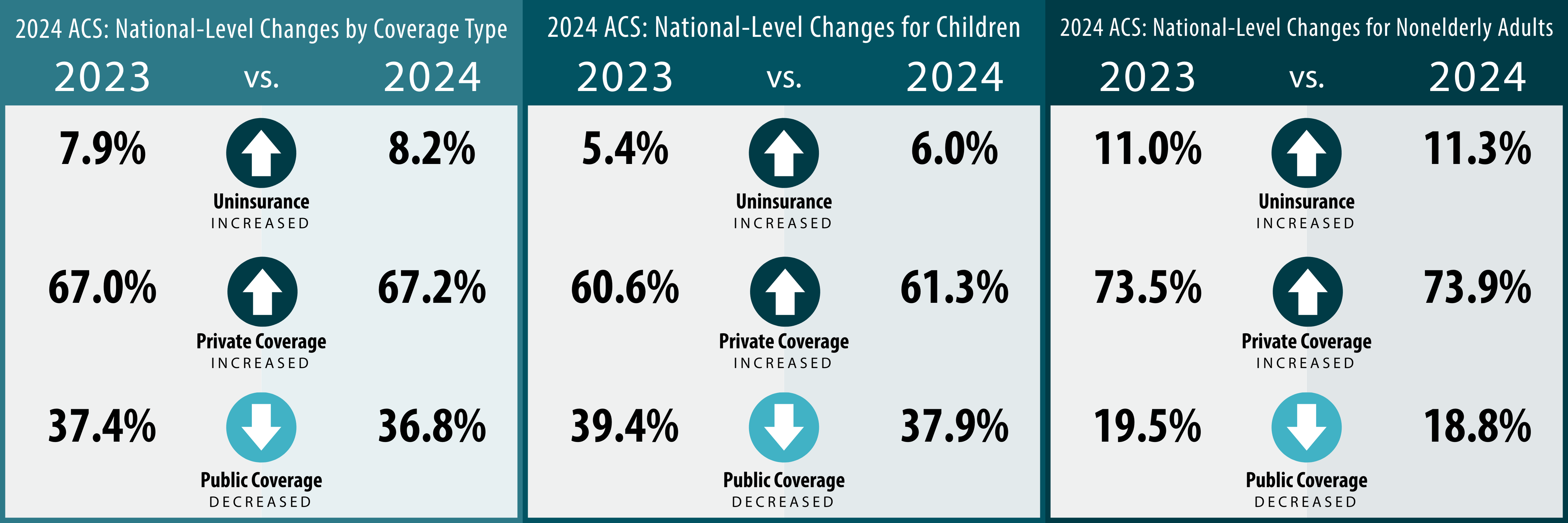
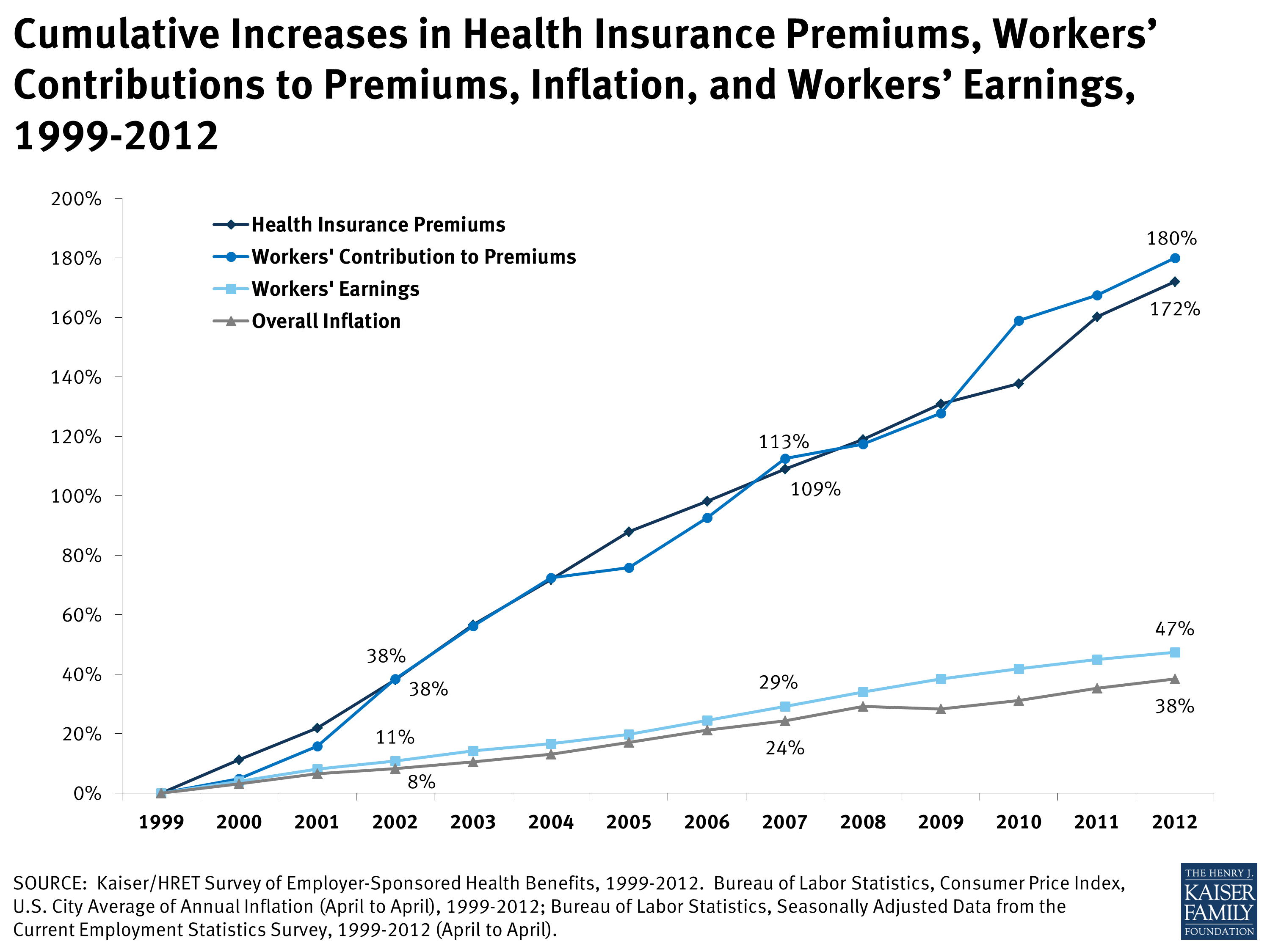
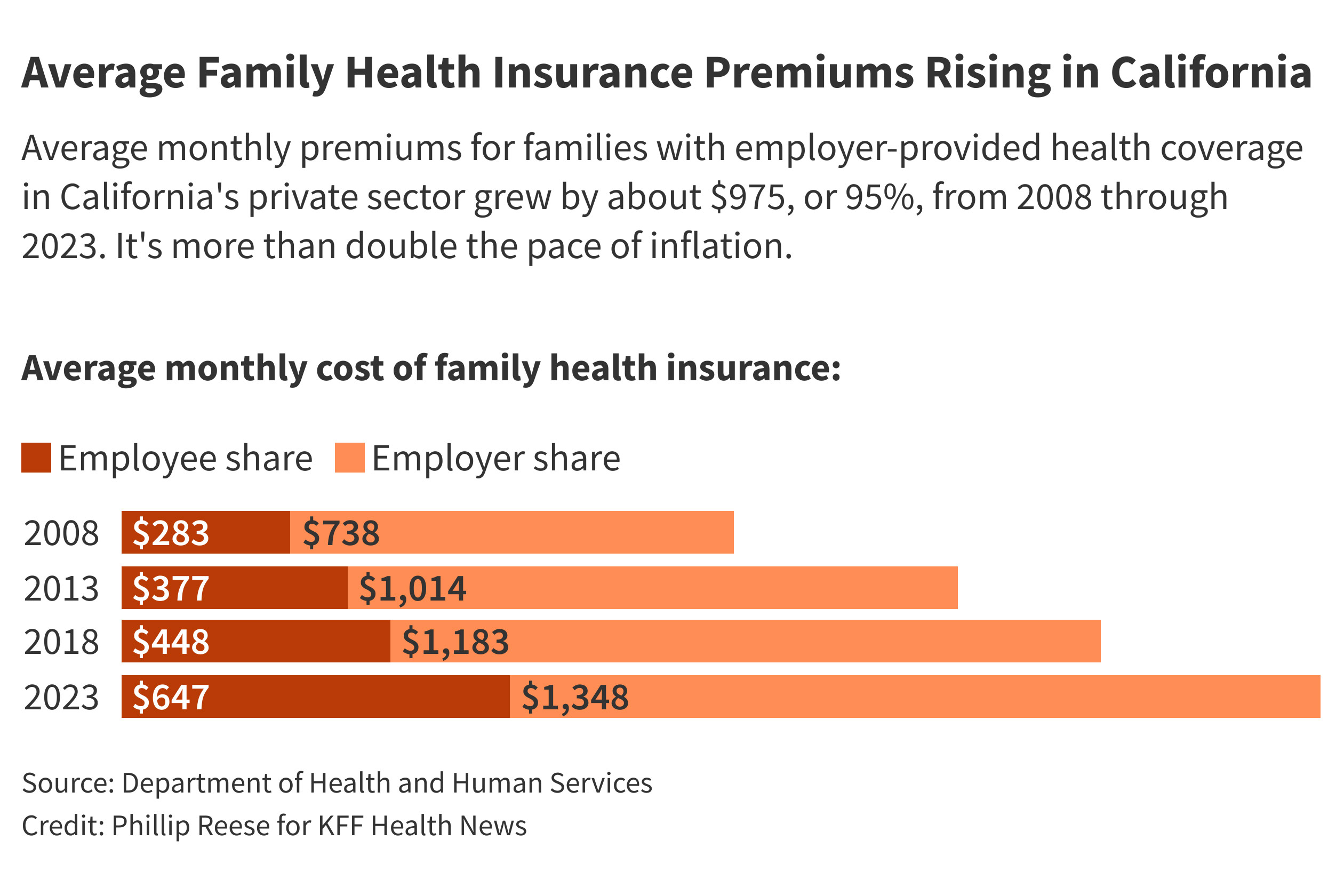
In 2024, the health insurance market for families faced significant upward pressure. Premiums—the fixed monthly payments made to keep a health plan active—did not operate in a vacuum. They were influenced by the "medical loss ratio," a regulatory requirement that forces insurers to spend a majority of premium dollars on clinical services and quality improvement. When healthcare providers increased their prices due to labor shortages and the rising cost of pharmaceuticals, insurers passed these costs to consumers through elevated premiums.
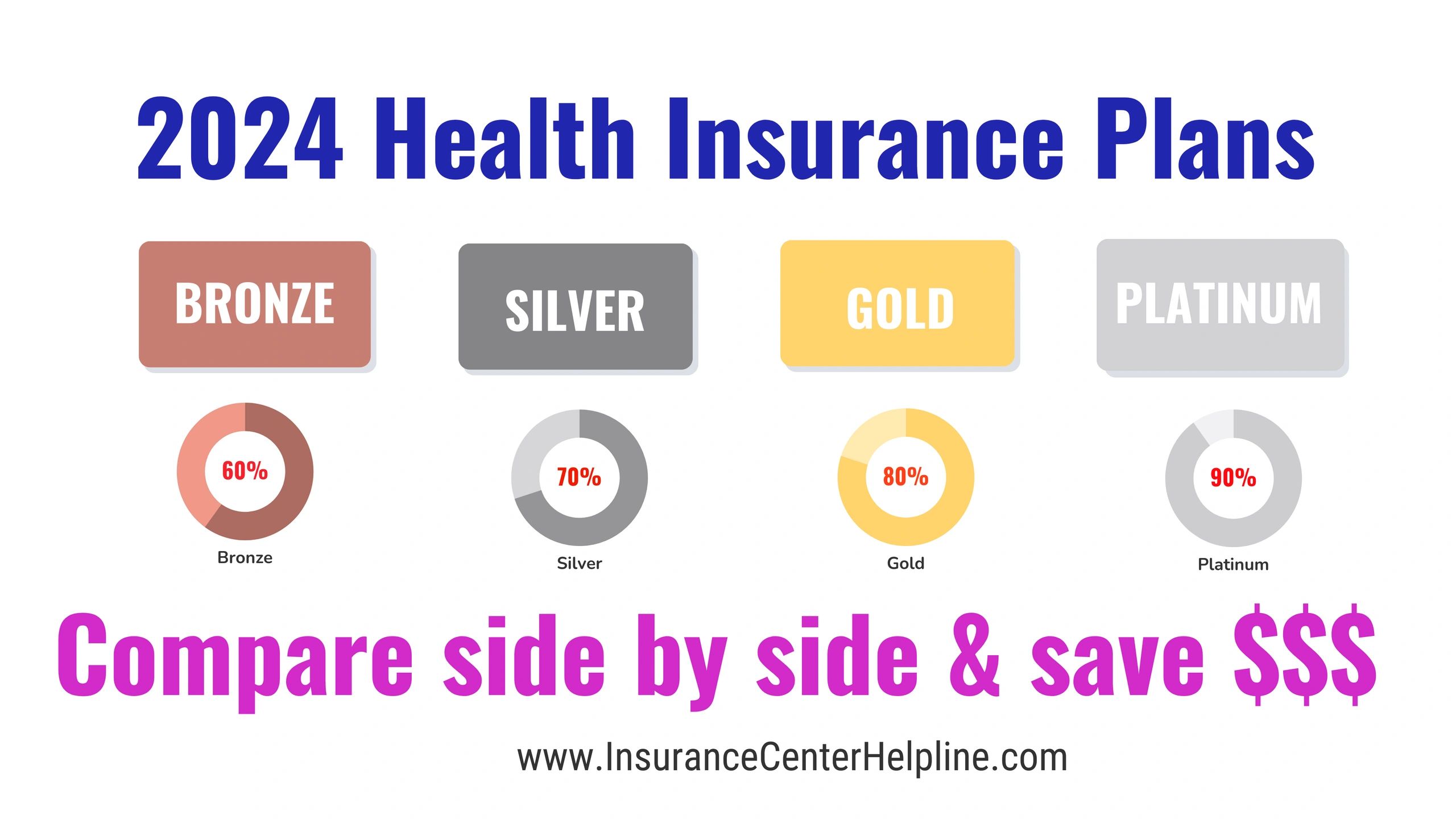
For families, the primary challenge in 2024 was balancing the rising cost of these monthly premiums against the increasing "out-of-pocket" maximums. Many families found that while they paid more for the privilege of coverage, their deductibles—the amount paid before insurance kicks in—also climbed. This dual-pressure environment necessitated a strategic approach to plan selection, forcing many to move away from premium Gold or Platinum plans toward Silver or Bronze tiers to maintain manageable household cash flow.
Primary Drivers of Premium Increases
Several key variables dictated why premium costs moved as they did in 2024. Analyzing these drivers is essential for understanding why your specific plan may have seen a double-digit percentage increase compared to the previous year.
- Medical Inflation: The cost of medical technology, inpatient hospital stays, and specialized medical procedures rose significantly throughout 2023 and into 2024. As healthcare systems faced higher overhead, they renegotiated contracts with insurance carriers, who in turn adjusted their premium projections.
- Provider Consolidation: In many regions, the consolidation of hospital systems into larger health networks reduced competition. With fewer options for local care, insurance carriers had less leverage to negotiate lower reimbursement rates, leading to higher premiums for families in those service areas.
- The End of Specialized COVID-19 Funding: By 2024, the administrative costs associated with public health initiatives had shifted entirely onto the shoulders of private and public insurance plans. The sunsetting of certain emergency federal grants meant that insurance companies had to re-incorporate the full cost of preventative care and diagnostic testing into their standard actuarial models.
- Pharmaceutical Expenditures: The introduction and widespread adoption of high-cost specialty drugs—particularly those for chronic conditions—placed immense strain on insurance risk pools. Because family plans cover multiple individuals, the risk of at least one member requiring expensive specialty medications often factored into the total premium cost.
Comparing Plan Tiers: Costs and Benefits
When reviewing your family’s financial exposure in 2024, it was necessary to distinguish between the premium (what you pay every month) and the cost-sharing (what you pay at the point of service).
| Plan Tier | Monthly Premium | Deductible/Out-of-Pocket | Typical User Profile |
|---|---|---|---|
| Bronze | Lowest | Highest | Families rarely needing medical care |
| Silver | Moderate | Moderate | Families seeking balance of costs |
| Gold | High | Low | Families with recurring medical needs |
| Platinum | Highest | Lowest | Families with high, predictable usage |
The trade-off in 2024 remained consistent: families opting for a lower premium (Bronze) were essentially betting that their healthcare usage would remain low throughout the year. Conversely, families choosing Gold or Platinum plans were "pre-paying" for their medical care to avoid the shock of large, unexpected invoices during a health crisis.
The Role of Subsidies and Tax Credits
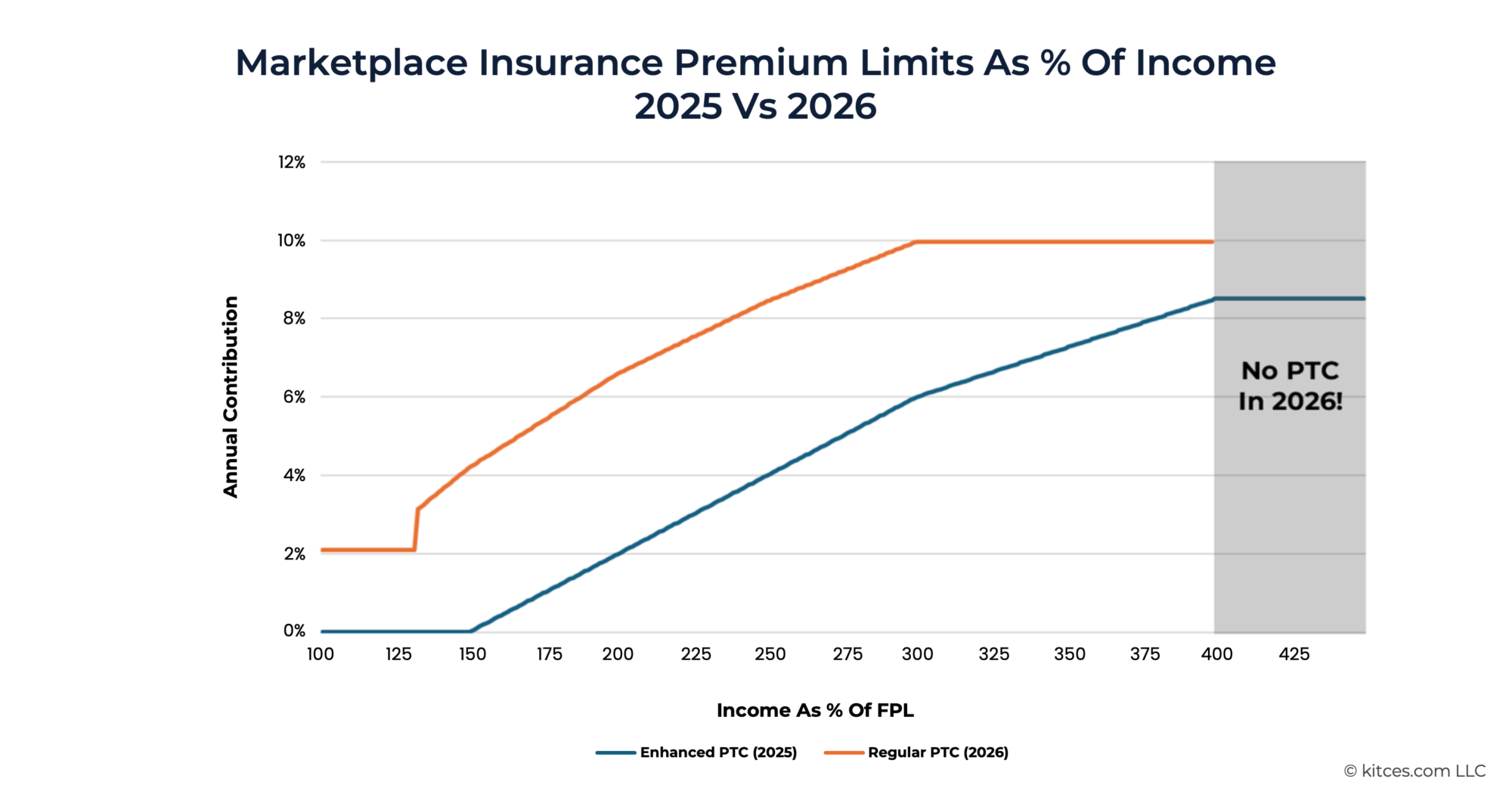
The Inflation Reduction Act (IRA) played a critical role in the 2024 market. Many families were eligible for Advanced Premium Tax Credits (APTCs), which significantly reduced their effective monthly payments. Even if the "sticker price" of a plan increased, the tax credits were indexed to the cost of the second-lowest-cost Silver plan in a given rating area.
If you lived in an area where local competition remained robust, these subsidies often shielded your household from the worst of the premium hikes. However, for those living in regions with limited insurers, the "benchmark plan" price remained high, meaning the subsidies did not always cover the full extent of the year-over-year increase.
Common Mistakes in Managing Family Coverage
Many families in 2024 fell into common traps that led to unnecessary financial strain. Avoiding these requires a proactive audit of your coverage each year.
- Failing to Re-shop: The most common mistake was "auto-renewing." Premiums and provider networks change annually. A plan that was the most cost-effective in 2023 might have been the most expensive in 2024 due to shifts in the insurer's local network.
- Ignoring Network Breadth: Some families opted for Exclusive Provider Organization (EPO) or Health Maintenance Organization (HMO) plans to keep premiums low, only to find that their primary care physicians were out-of-network, leading to catastrophic billing errors.
- Underestimating Family Growth: Families that added children or dependents during the year often failed to update their plan selection, resulting in coverage that did not align with their new reality—either through excessive premium payments or inadequate coverage for pediatric visits.
Frequently Asked Questions
Why did my family health insurance premium increase even if my health status didn’t change? Premiums are determined by community rating rather than individual history. This means your rate is based on the aggregate health risks and medical costs of everyone in your specific insurance pool. When hospital costs or drug prices rise globally or regionally, your premium increases regardless of your personal health.
Can I change my plan if I realize the premium is too high mid-year? Generally, no. You are typically locked into your plan for the entire calendar year unless you experience a Qualifying Life Event (QLE). QLEs include moving, changing marital status, having a baby, or losing other health coverage.
How do deductibles interact with my monthly premium? There is an inverse relationship between premiums and deductibles. A higher monthly premium usually buys you a lower deductible, meaning you pay more upfront but less when you seek care. A lower premium usually results in a higher deductible, which functions as a "catastrophic" shield rather than a tool for everyday medical budgeting.
What is the difference between a premium and an out-of-pocket maximum? The premium is the non-refundable cost for having insurance. The out-of-pocket maximum is the absolute limit of what you will pay for covered services in a year. Once you hit that maximum, the insurance company pays 100% of allowed costs.
Are health savings accounts (HSAs) still useful with high premiums? Yes. In 2024, if you were enrolled in a High-Deductible Health Plan (HDHP) to lower your premiums, an HSA allowed you to pay for out-of-pocket costs with tax-advantaged dollars. This effectively lowered your total cost of ownership for health coverage.
Next Steps for Financial Planning
To take control of your healthcare costs, begin by reviewing your "Summary of Benefits and Coverage" (SBC) from the 2024 period. If you are currently evaluating your coverage, look specifically at the total cost of ownership—summing your annual premiums and your estimated annual out-of-pocket expenses. By treating health insurance as a fixed expense rather than an incidental cost, you can better forecast your household budget and select a plan that matches your family’s actual utilization patterns rather than just focusing on the monthly bill.
Image Gallery