How to Read Bourbon Abbreviations on Labels: A Complete Guide for 2026
Bourbon labels use a dense shorthand of legal designations and industry terminology to communicate the whiskey’s quality, age, and production methods. Deciphering abbreviations like BiB (Bottled-in-Bond), NCF (Non-Chill Filtered), and...
Bourbon labels use a dense shorthand of legal designations and industry terminology to communicate the whiskey’s quality, age, and production methods. Deciphering abbreviations like BiB (Bottled-in-Bond), NCF (Non-Chill Filtered), and DSP (Distilled Spirits Plant) allows consumers to verify the liquid’s origin and understand its flavor profile before purchase.
Contents
Understanding the alphabet soup on a bourbon bottle is more than just trivia; it is a tool for navigating a market that, in 2026, is increasingly diverse and complex. Federal regulations managed by the Alcohol and Tobacco Tax and Trade Bureau (TTB) mandate specific language, but distillers often use abbreviations to save space on crowded labels. This guide provides a comprehensive breakdown of the most common and critical abbreviations you will encounter on bourbon labels today.
The Foundation of Bourbon Labeling: Legal Abbreviations
The most important abbreviations on a label relate to the legal standards the whiskey must meet. In the United States, bourbon is a highly regulated spirit, and these acronyms serve as a guarantee of specific production methods.
BiB: Bottled-in-Bond
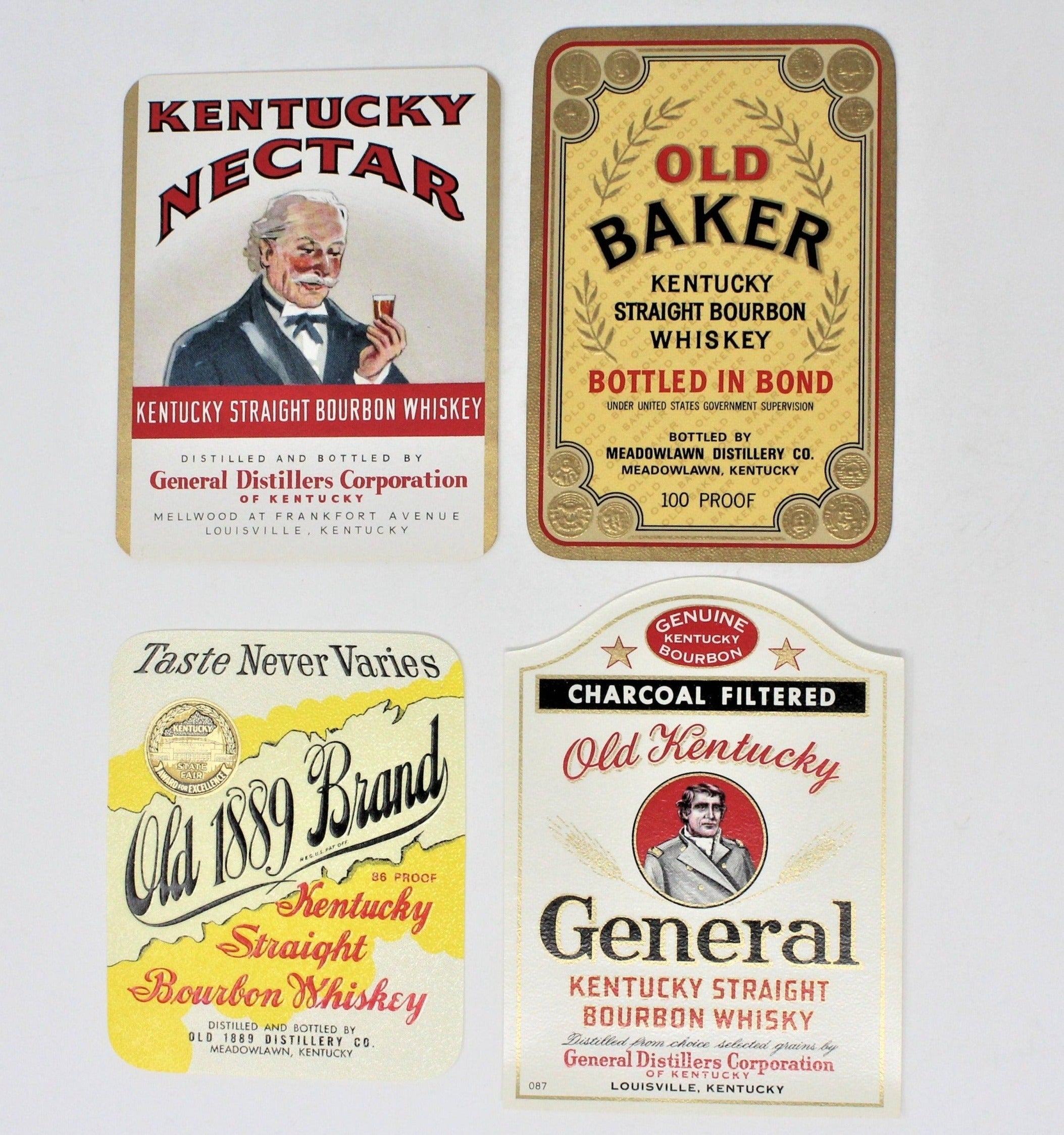
The BiB designation refers to the Bottled-in-Bond Act of 1897. To carry this abbreviation, the bourbon must be the product of one distillation season (January–June or July–December) by one distiller at one distillery. It must be aged in a federally bonded warehouse under U.S. government supervision for at least four years and bottled at exactly 100 proof (50% ABV).
In 2026, BiB remains the gold standard for transparency. When you see "BiB" on a label, you are essentially looking at a "snapshot" of a specific time and place. It eliminates the possibility of blending younger whiskies or sourcing from multiple distilleries, making it a favorite for enthusiasts who value consistency and heritage.
NAS: No Age Statement
While you won't see "NAS" printed as a badge of honor, it is a critical industry term for labels that do not list a specific age. By TTB law, if a bourbon is labeled as "Straight" but is less than four years old, the age must be stated. If a "Straight Bourbon" has no age statement, it is legally required to be at least four years old. NAS bourbons allow distillers more flexibility in blending for flavor profile rather than a specific number of years, which has become a standard practice as stocks fluctuate.
KSBW: Kentucky Straight Bourbon Whiskey
Though often spelled out, you may see this shortened in technical notes or back-label descriptions. Every word here is a legal requirement. "Kentucky" means it was distilled and aged for at least one year in Kentucky. "Straight" means it was aged for at least two years in new, charred oak containers and contains no added coloring or flavoring. "Bourbon" mandates a mash bill of at least 51% corn.
Technical Specifications: Filtration and Proof
How a whiskey is finished significantly impacts its mouthfeel and "cloudiness" when served cold. The abbreviations in this category tell you how much the distiller has interfered with the liquid after it left the barrel.
NCF: Non-Chill Filtered
Most mass-market bourbons undergo chill filtration. This process involves chilling the whiskey to near-freezing temperatures to force fatty acids and esters to clump together, making them easy to filter out. This prevents the whiskey from becoming "cloudy" when ice is added.
However, many enthusiasts prefer NCF (Non-Chill Filtered) bourbon. These fatty acids and esters carry significant flavor and contribute to a richer, more viscous mouthfeel. If a label carries the NCF abbreviation, the distiller is signaling that they have prioritized flavor and texture over visual clarity.
BP and CS: Barrel Proof and Cask Strength
BP (Barrel Proof) and CS (Cask Strength) are largely synonymous. They indicate that the whiskey was bottled at the same alcohol concentration it had while aging in the barrel. No water was added to "proof it down" to a standard 80, 90, or 100 proof.
FP: Full Proof
FP (Full Proof) is a more specific and often misunderstood abbreviation. Unlike Barrel Proof, Full Proof refers to the proof at which the whiskey entered the barrel (usually 125 proof). Over time, the proof may rise or fall in the barrel. If a distiller proofs the whiskey back down to that original entry proof of 125 before bottling, they label it as Full Proof. This offers a consistent, high-strength experience that mimics the original barrel entry.
Origin and Production: Tracking the Source
One of the most confusing aspects of modern bourbon is identifying who actually made the whiskey. Abbreviations in this category are essential for transparency.
DSP: Distilled Spirits Plant
Every distillery in the U.S. is assigned a DSP number by the TTB. On a label, this is often written as "DSP-KY-12" or "DSP-IN-601." These numbers are the ultimate "fingerprint" of a bottle.
- DSP-KY: Indicates a distillery in Kentucky.
- DSP-IN: Indicates a distillery in Indiana (often associated with MGP).
- DSP-TN: Indicates a distillery in Tennessee.
If a label lists one DSP for distillation and another for bottling, it indicates that the company may have sourced the whiskey from another producer.
NDP: Non-Distiller Producer
While rarely printed on the label itself, NDP is a vital term used in the industry and on retail tags to describe brands that buy whiskey from large distilleries and bottle it under their own name. Brands like Barrell Craft Spirits or early iterations of High West are famous NDPs. Understanding this helps you realize that two different brands might actually contain liquid from the same source.
MGP: Midwest Grain Products
MGP is the abbreviation for a massive distillery in Lawrenceburg, Indiana. They provide the base whiskey for hundreds of brands. If you see "Distilled in Indiana" on a label for a brand that isn't headquartered there, it is almost certainly MGP. In 2026, many brands have become more transparent about their MGP roots, as the quality of MGP's high-rye bourbon mash bills is highly respected.
Summary Table of Bourbon Abbreviations
| Abbreviation | Full Term | Significance |
|---|---|---|
| BiB | Bottled-in-Bond | 100 proof, 4+ years old, single distillery, single season. |
| NCF | Non-Chill Filtered | Preserves fats and oils for better mouthfeel and flavor. |
| SiB | Single Barrel | Whiskey sourced from one individual barrel; unique profile. |
| SmB | Small Batch | A blend of a limited number of barrels (no legal definition). |
| BP / CS | Barrel Proof / Cask Strength | No water added after aging; high alcohol content. |
| KSBW | Kentucky Straight Bourbon | Meets all bourbon laws + 2 years aging in Kentucky. |
| DSP | Distilled Spirits Plant | The federal permit number identifying the physical distillery. |
| OB | Official Bottling | Bottled by the same company that distilled it. |
| ABV | Alcohol By Volume | The percentage of the liquid that is pure ethanol. |
Understanding Mash Bill Shorthand
The "mash bill" is the recipe of grains used to create the bourbon. While not always abbreviated, certain shorthand is common in 2026, especially on "Store Pick" labels or side-neck tags.
- HR (High Rye): Indicates a bourbon where the rye content is significantly higher than the standard 10-12% (usually 20% or more). This results in a spicier, more peppery flavor profile.
- Wheated: Not usually abbreviated as an acronym, but often signified by "W" in private barrel codes. This means wheat was used as the secondary grain instead of rye, leading to a softer, sweeter, and "breadier" profile (e.g., Maker's Mark or Weller).
- Low-Rye: Common in traditional Kentucky bourbons (like Jim Beam or Wild Turkey), generally emphasizing caramel and vanilla notes over spice.
Common Acronyms for Specific Collections
Enthusiasts and collectors often use abbreviations for specific high-end releases. If you are reading a shelf tag in a high-end liquor store or an auction catalog in 2026, you will likely see these:
- BTAC: Buffalo Trace Antique Collection. This includes legendary releases like George T. Stagg and William Larue Weller.
- PVM / Pappy: Refers to the Pappy Van Winkle line.
- LE: Limited Edition. Often used for annual releases like Old Forester Birthday Bourbon.
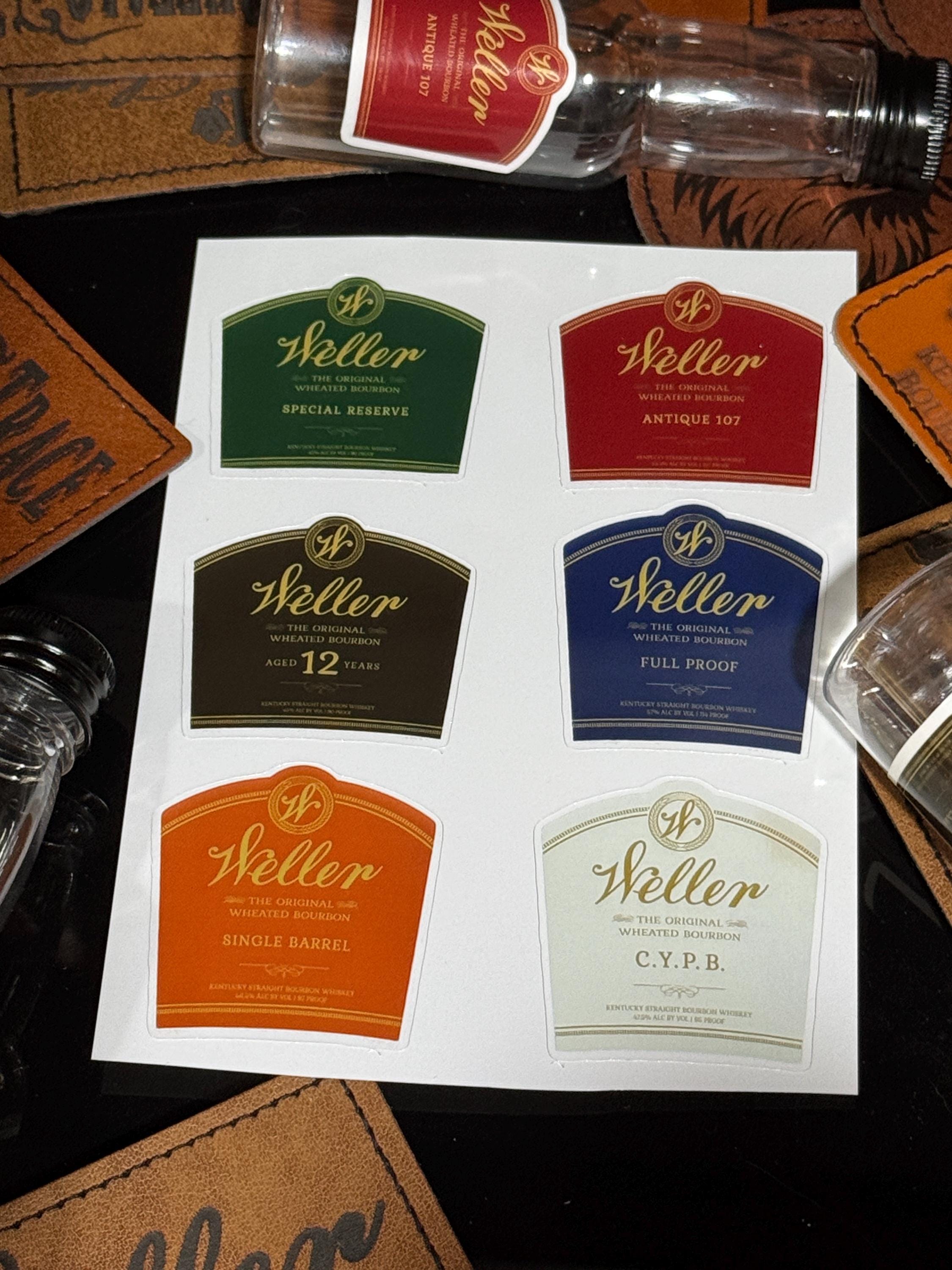
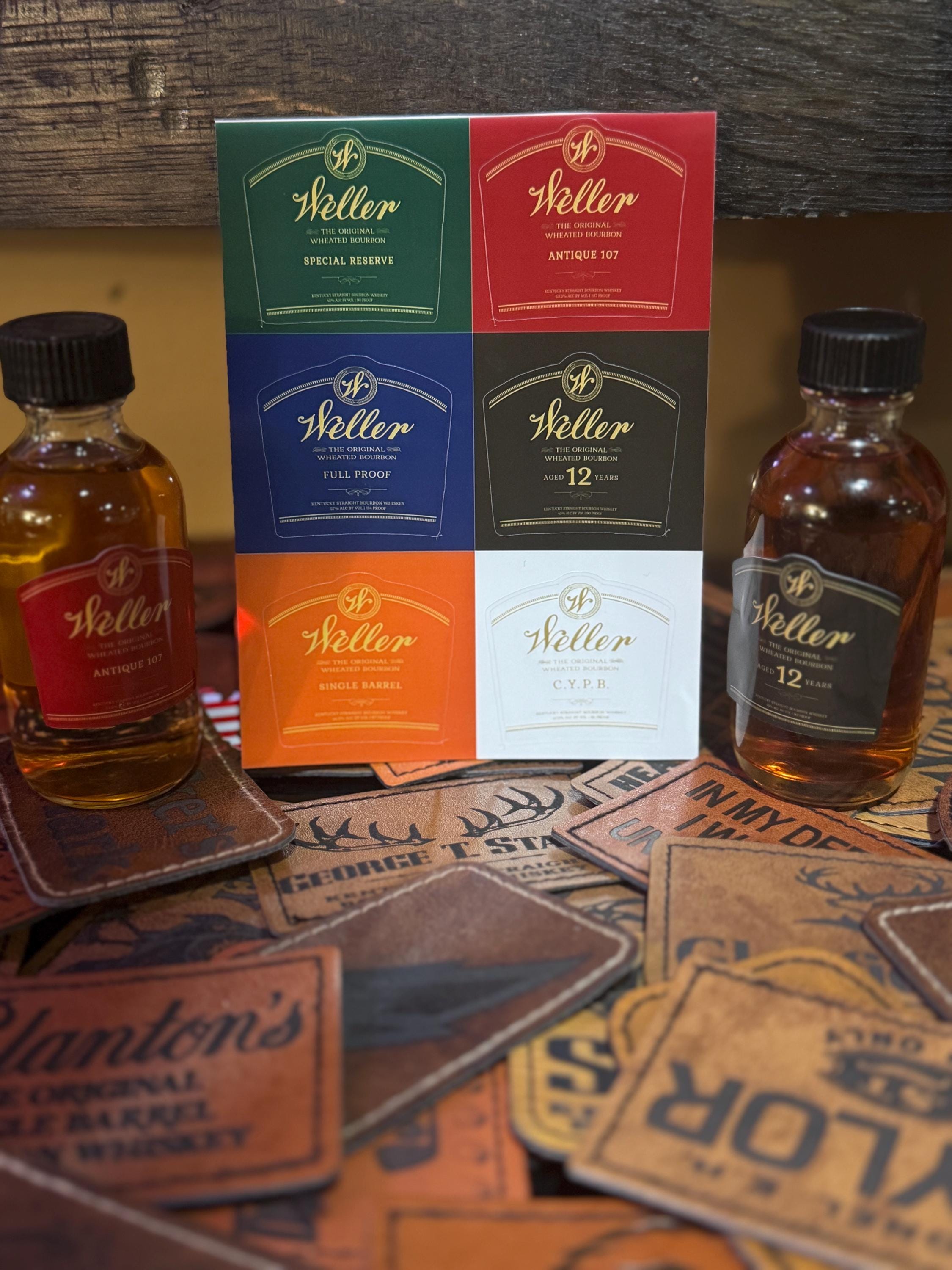
- OWA: Old Weller Antique (107 proof).
- WFP: Weller Full Proof.
Frequently Asked Questions
What does "Straight" mean on a bourbon label?
In the context of bourbon, "Straight" is a legal designation requiring the spirit to be aged for at least two years in new, charred oak containers. Additionally, it prohibits the use of any additives, such as colorings or flavorings, which are permitted in other types of whiskey like Scotch or Canadian blends. If the bourbon is "Straight" but aged less than four years, the label must also include a specific age statement.
Does a higher proof (BP/CS) always mean better quality?
Not necessarily. Barrel Proof (BP) and Cask Strength (CS) simply mean the whiskey is undiluted. While this offers a more "raw" and intense flavor profile that many enthusiasts prefer, some bourbons can become overly "hot" or unbalanced at high alcohol levels. Quality is subjective; many iconic bourbons are proofed down to 90 or 100 to achieve a specific balance of flavors that might be overwhelmed by high ethanol at cask strength.
How do I find out where my bourbon was actually made using the DSP?
You can use the DSP number (e.g., DSP-KY-354) and search the TTB's public database of permitted plants. This is the most accurate way to verify the origin of a "sourced" bourbon. If a brand claims a long heritage in one state but the DSP points to a different facility in another, you have uncovered the true source of the liquid.
Is "Small Batch" (SmB) a legal requirement?
No. Unlike Bottled-in-Bond, the term Small Batch has no legal definition or oversight by the TTB. A "small batch" could consist of two barrels or two thousand barrels, depending on the size of the distillery. It is primarily a marketing term used to indicate that the whiskey was selected from a specific group of barrels to create a particular flavor profile.
Why does some bourbon look cloudy if it isn't NCF?
If a bottle is not Non-Chill Filtered (NCF), it may turn cloudy (known as "flocculation") when cold or when water/ice is added. This is due to the precipitation of fatty acids. It is perfectly safe to drink and is often a sign that the whiskey has retained more of its natural oils and flavor compounds.
Practical Recommendation for 2026
When shopping for bourbon, start by looking for the BiB (Bottled-in-Bond) abbreviation if you want a guaranteed high-quality, transparent baseline. If you prefer a richer, more textural experience, prioritize labels that explicitly state NCF (Non-Chill Filtered). Always check the back label for a DSP number or a "Distilled in [State]" statement to ensure you know exactly whose craftsmanship you are paying for.
Image Gallery