Understanding Life Expectancy in Cuba: A Comprehensive Analysis
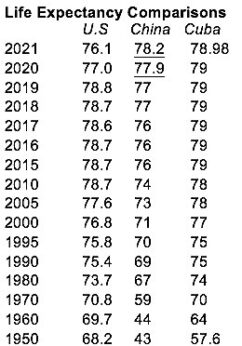
As of 2026, the life expectancy in Cuba remains a significant subject of international interest, consistently hovering around 78 to 79 years. This demographic metric is primarily driven by a high-coverage, primary-care-focused healthca...
As of 2026, the life expectancy in Cuba remains a significant subject of international interest, consistently hovering around 78 to 79 years. This demographic metric is primarily driven by a high-coverage, primary-care-focused healthcare system, strong literacy rates, and a long-standing emphasis on preventative medicine, which largely offsets economic challenges and resource constraints prevalent within the island nation.
Contents
The Foundations of Cuban Longevity
To understand why Cuba maintains a life expectancy comparable to that of many developed nations, one must examine the structure of its National Health System (Sistema Nacional de Salud). Unlike models that prioritize high-tech specialized care, the Cuban approach is anchored in the Consultorio del Médico y la Enfermera de la Familia (Family Doctor and Nurse Office) program.
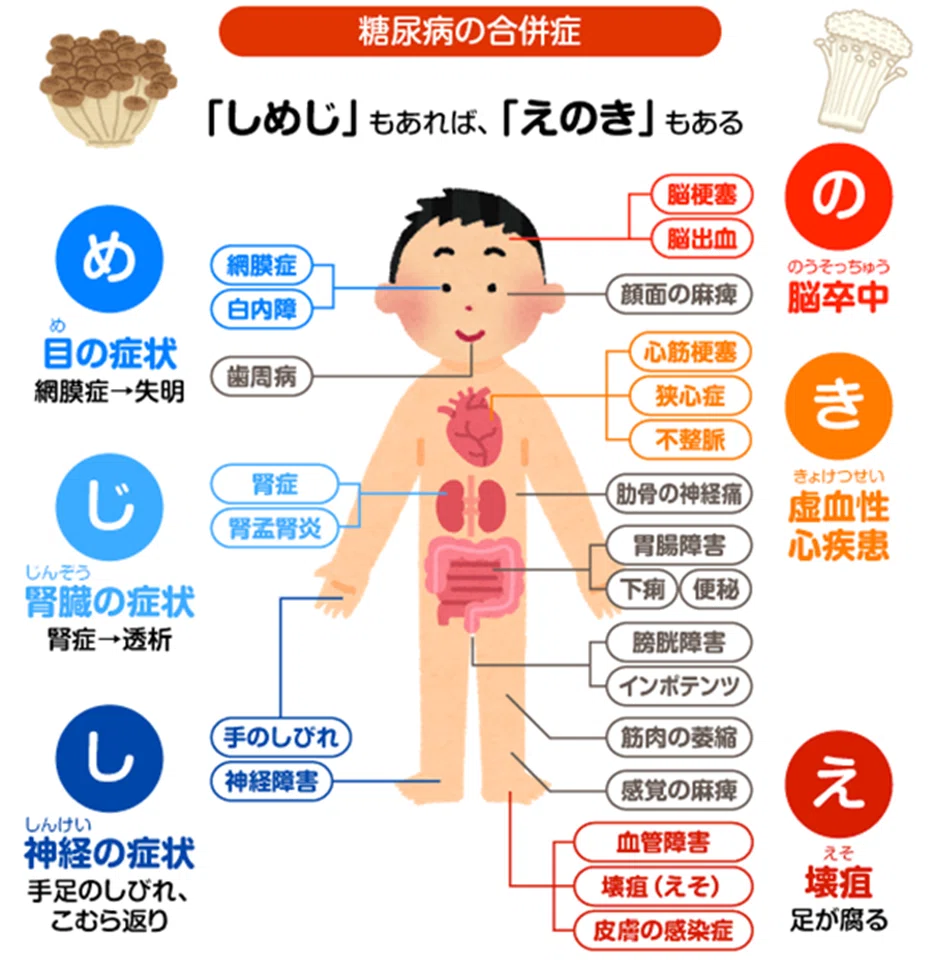
This model places primary care providers directly within the neighborhoods where citizens live. By embedding medical professionals in the community, the state ensures high rates of vaccination, prenatal care, and early disease intervention. Because doctors monitor their specific populations over decades, they develop longitudinal knowledge of health risks, allowing for the management of chronic conditions—such as hypertension and diabetes—before they escalate into life-threatening emergencies.
Socioeconomic Influences and Health Outcomes
The relationship between socioeconomic status and health in Cuba is distinct from many other global regions. While Cuba faces periodic shortages of medical equipment and pharmaceuticals, the universality of care ensures that these gaps do not result in a complete lack of access. Education also plays a critical role. Cuba boasts one of the highest literacy rates in the world; a population that is well-educated is generally more receptive to public health messaging, dietary guidance, and the importance of adhering to long-term medication regimens.
Comparative Metrics: Regional and Global Context
Comparing Cuba’s life expectancy to other nations in the Latin American and Caribbean region reveals a persistent "Cuban paradox." Despite having a lower gross domestic product (GDP) per capita than its neighbors, Cuba often performs at or above the regional average for longevity.
Factors Contributing to Statistical Performance
Several verified factors contribute to these figures, which are tracked by organizations like the World Health Organization (WHO) and the Pan American Health Organization (PAHO):
- Universal Access: Healthcare is constitutionally guaranteed and free at the point of service, removing financial barriers that often delay treatment in other countries.
- Maternal and Infant Health: Intense focus on maternal mortality reduction and early infant immunization creates a strong foundation for a population's lifespan from birth.
- Low Violent Crime Rates: In comparison to various countries in the Americas, Cuba maintains lower rates of violent crime, which historically lowers the number of premature deaths among the younger adult male demographic.
- Preventative Focus: Significant budget allocation toward public health education and immunization programs keeps infectious disease transmission under strict control.
Comparison Table: Life Expectancy Indicators
Note: Figures represent estimated data sets reflecting regional averages observed leading into 2026.
| Indicator | Cuba | Regional Average (LAC) | High-Income Benchmark |
|---|---|---|---|
| Life Expectancy at Birth | ~78.5 years | ~75 years | ~82 years |
| Infant Mortality Rate | Very Low | Moderate | Low |
| Healthcare Model | Public/Preventative | Mixed/Market-Driven | Private/Public Hybrid |
| Primary Care Access | High | Moderate | Variable |
Operational Limitations and Challenges
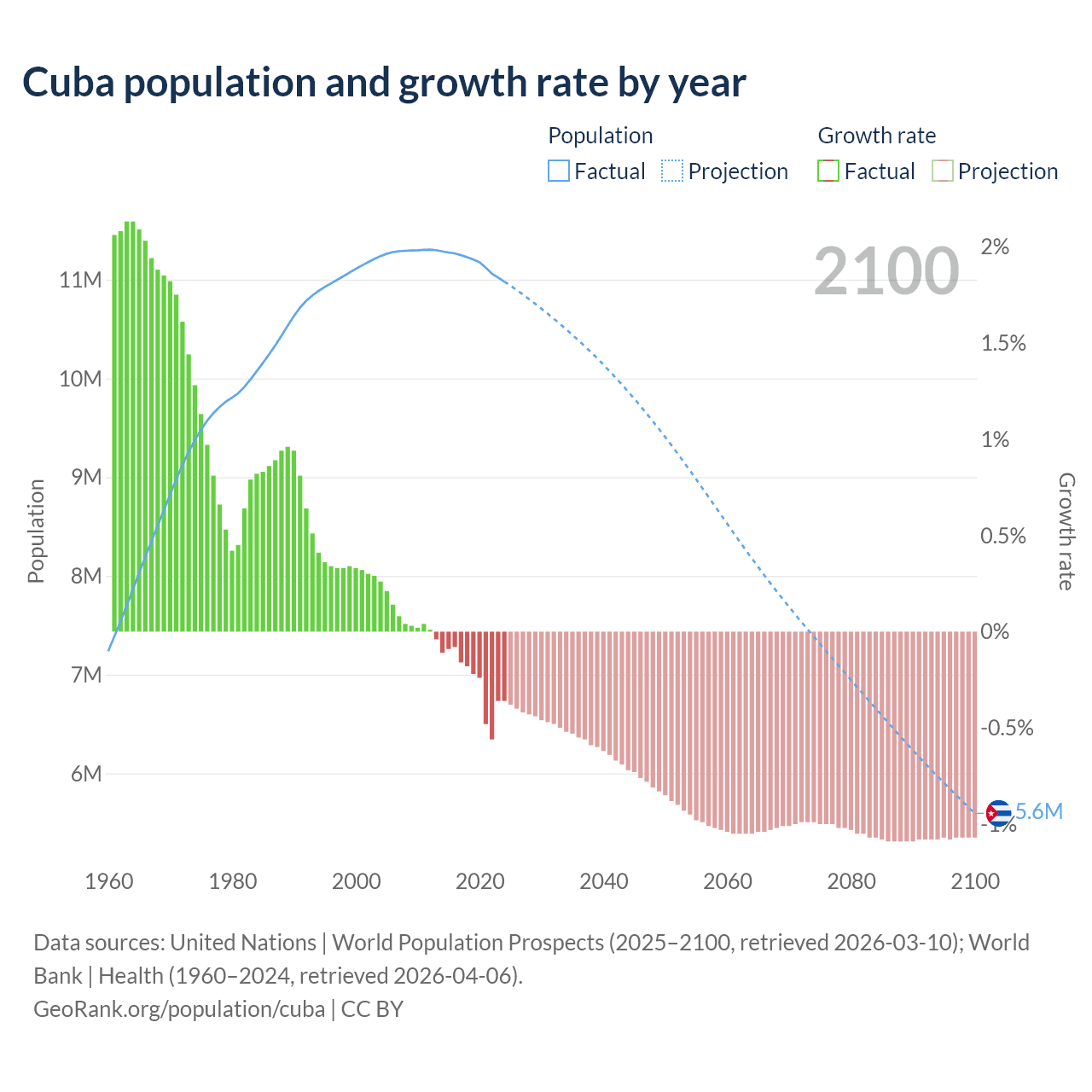
While the statistics remain favorable, it is essential to acknowledge the operational realities in 2026. The Cuban healthcare system is not without significant strain. Infrastructure degradation, the aging of the existing medical workforce, and the difficulty of acquiring high-end medical technology due to external trade restrictions create a challenging environment for medical staff.
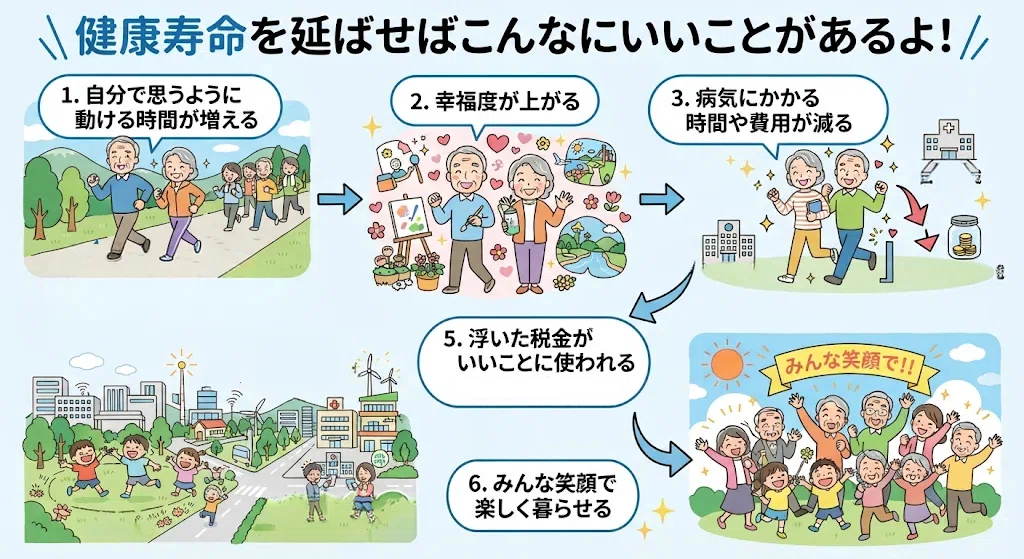
The "brain drain" of medical professionals—where doctors and nurses seek opportunities abroad—has at times impacted the density of care providers per capita. Furthermore, the reliance on basic, low-cost interventions means that while life expectancy is high, the "health-adjusted life expectancy" (HALE)—the number of years a person lives in full health—may be affected by the long-term management of chronic issues in an aging population.
The Role of Public Health Policies
Public health policies in Cuba are centralized and top-down, allowing for rapid mobilization during health crises. This centralized command structure is highly efficient for mass vaccination campaigns or hurricane preparedness, both of which are central to protecting the life expectancy of the populace.
However, this centralized approach also limits the ability for decentralized, market-driven innovation in healthcare. In 2026, the system relies heavily on the legacy of its established infrastructure. Maintaining these gains requires sustained investment, which is currently subject to the broader volatility of the Cuban national economy.
Frequently Asked Questions
Is Cuban healthcare free for foreigners?
No, the universal, free healthcare system is primarily intended for Cuban citizens and permanent residents. Foreign visitors are required to hold mandatory travel health insurance and are generally directed to specialized clinics that charge fees for services rendered, rather than the local neighborhood clinics.
How has the COVID-19 pandemic affected life expectancy?
Like most nations, Cuba experienced a temporary dip in statistical life expectancy during the 2020–2022 period due to the global pandemic. However, the country’s significant investment in domestic biotechnology and its mass immunization program helped stabilize these figures relatively quickly compared to regional peers.
Does the lack of modern medical equipment reduce life expectancy?
While the lack of cutting-edge technology limits the treatment of complex, late-stage conditions, the Cuban model’s strength lies in preventing those conditions from occurring in the first place. The deficit in specialized technology is partially mitigated by the strength of its primary care and community-based screening programs.
Why is the infant mortality rate so low in Cuba?
The low infant mortality rate is a result of a highly structured prenatal monitoring system. Pregnant women are closely tracked by their local family doctor, and high-risk pregnancies are monitored within specialized institutions, ensuring that births occur in controlled environments with skilled assistance.
Are there environmental factors that boost life expectancy?
Cuba has limited industrialization in many parts of the country, which contributes to better air and water quality compared to heavily urbanized industrial zones. Additionally, the diet, while affected by economic shortages, often consists of fresh, locally grown produce rather than highly processed, shelf-stable foods common in more industrialized nations.
Recommendation for Further Exploration
For those analyzing Cuba’s health outcomes for academic or policy purposes, it is recommended to review the Anuario Estadístico de Salud published by the Cuban Ministry of Public Health. This document provides the most granular, officially sourced data on mortality, morbidity, and health service utilization. Readers should cross-reference these official reports with independent assessments from the Pan American Health Organization to get a balanced view of the data.
When interpreting these statistics, always account for the specific methodology used by international health bodies, as reporting criteria can vary significantly across borders. If you are conducting a study on population health, focus on the distinction between life expectancy (the average age of death) and quality of life, as these indicators may diverge based on the availability of advanced elective and chronic care services.
Image Gallery