What The Bear Ending Reveals About the Show
The season endings of FX’s critically acclaimed drama The Bear reveal that the series is not fundamentally about food, fine dining, or commercial success. Instead, each finale demonstrates that the show is an intense psychological stud...
The season endings of FX’s critically acclaimed drama The Bear reveal that the series is not fundamentally about food, fine dining, or commercial success. Instead, each finale demonstrates that the show is an intense psychological study of inherited trauma, self-sabotage, and the painful pursuit of personal identity beyond grief and toxic perfectionism.
Contents
Throughout its run on FX and Hulu, created by Christopher Storer, The Bear consistently subverts the standard tropes of workplace dramas and prestige television. Where conventional narratives treat professional triumph as the ultimate resolution to emotional distress, The Bear repeatedly demonstrates that external excellence cannot fix an internal fracture. By examining the narrative climaxes of the series—from the emotional deluge of Season 1 to the claustrophobic freezer breakdown of Season 2 and the existential cliffhanger of Season 3—readers can understand how the show's endings expose its deepest thematic truths.
The Structural Architecture of The Bear's Finales
To understand what the endings reveal about The Bear, one must first examine how the show constructs its narrative climaxes. Unlike traditional serialized television, where season finales offer neat resolutions or artificial shock twists, The Bear utilizes its endings as emotional and thematic mirrors. The high-pressure environment of the kitchen acts as a pressure cooker, forcing latent psychological conflicts to the surface.
In every season finale, Storer and his creative team establish a structural dichotomy:
- Operational Execution vs. Emotional Collapse: While the kitchen achieves a new operational benchmark, the protagonist, Carmine "Carmy" Berzatto (Jeremy Allen White), experiences an emotional regression or bottleneck.
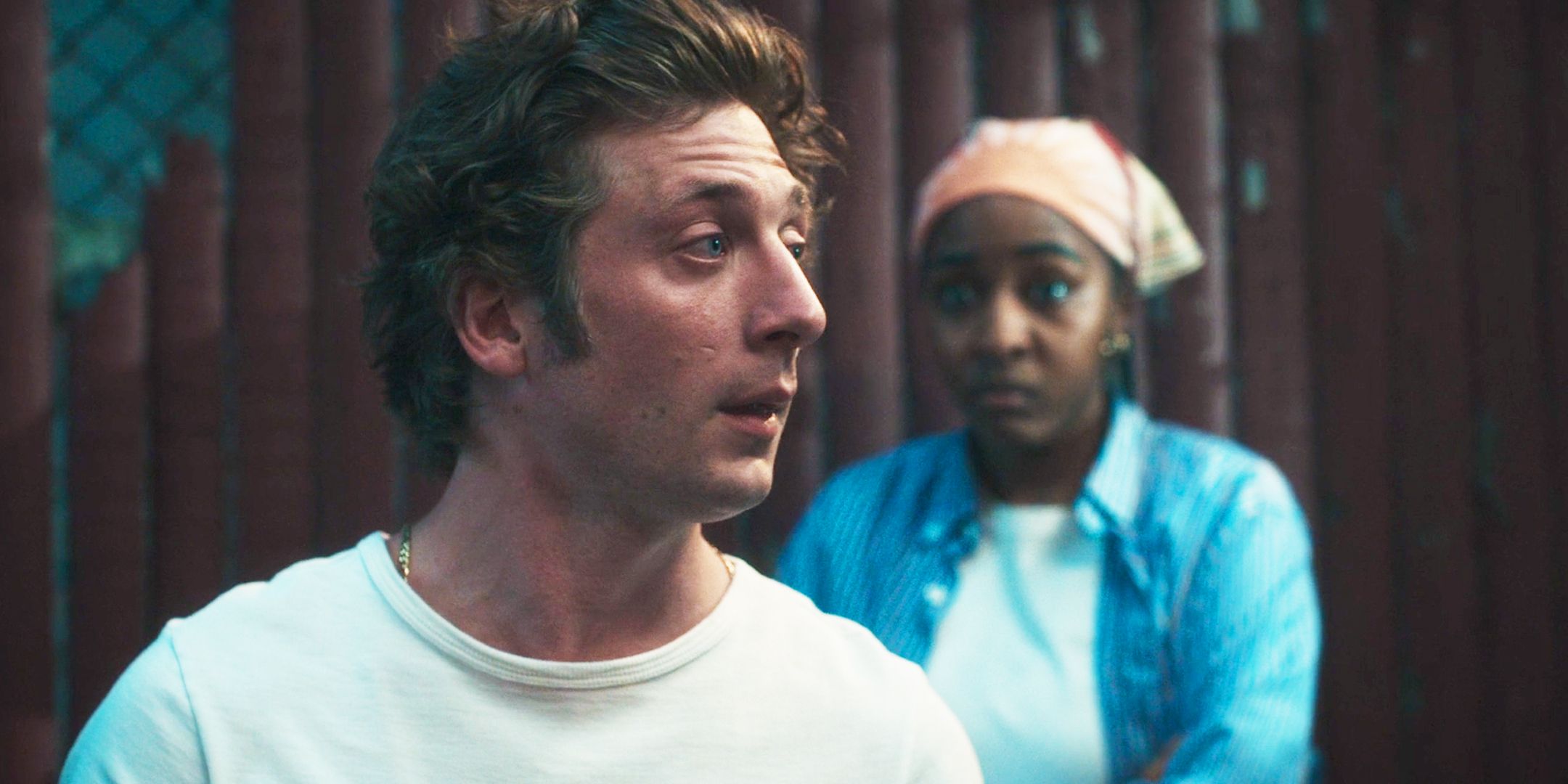
- Isolation vs. Collective Growth: As Carmy retreats further into isolation, the supporting characters—Sydney Adamu (Ayo Edebiri), Richard "Richie" Jerimovich (Ebon Moss-Bachrach), Tina Marrero (Liza Colón-Zayas), and Marcus Brooks (Lionel Boyce)—gain professional autonomy and mutual trust.
- The Illusion of Resolution: Each ending explicitly rejects the idea that a single breakthrough or financial windfall can heal deep-seated psychological wounds.
This structural pattern reveals that The Bear is fundamentally a tragedy wrapped in the hyper-kinetic editing of a culinary thriller. The restaurant itself—whether it is the gritty Italian beef shop "The Beef" or the elevated fine-dining institution "The Bear"—is merely the stage upon which the Berzatto family legacy plays out.
Season 1 Finale: The Tomato Cans and the Trap of Inherited Debt
The conclusion of Season 1, titled "Braciole," provides what initially appears to be a fairy-tale resolution. Carmy discovers hundreds of thousands of dollars hidden inside unopened San Marzano tomato cans, left behind by his late brother, Michael "Mikey" Berzatto (Jon Bernthal). Carmy tapes a sign to the window announcing the closure of The Original Beef of Chicagoland and the upcoming opening of a new restaurant: The Bear.
- Season 1 Resolution
- Mikey's Legacy: Debt & Cash
- Closing "The Beef"
- Birth of "The Bear"
- Closing "The Beef"
- Surface Reading: A triumphant miracle that saves the business.
- Deeper Truth: Inheriting money tied to trauma resets the clock without healing the foundational grief.
- Mikey's Legacy: Debt & Cash
The Dual Nature of Mikey's Gift
On a surface level, the cash in the tomato cans resolves the immediate financial crisis threatening the shop. However, what this ending truly reveals about the show is the toxic, tangled nature of love and codependency within the Berzatto family.
Mikey did not leave Carmy a straightforward inheritance; he left him a chaotic riddle buried in debt owed to their uncle, James "Jimmy" Kalinowski (Oliver Platt). By hiding the money in the very ingredients Carmy was initially reluctant to use, Mikey forced his brother through a trial by fire. The ending reveals that:
- Grief cannot be bypassed through labor: Carmy tried to honor Mikey by fixing Mikey's business, but he only began to understand his brother once he let the old business die.
- Creation requires destruction: To build something meaningful, Carmy had to literally tear down the walls of The Beef, symbolizing the necessity of breaking away from dysfunctional familial habits.
- The myth of the heroic savior: Carmy believed he was saving the restaurant, but the finale exposes that Mikey had already set a plan in motion, stripping Carmy of his illusion of absolute control.
Season 2 Finale: The Walk-In Freezer and the Cost of Perfectionism
If Season 1 ended with a flicker of hope, the Season 2 finale, titled "The Bear," completely deconstructs the myth of the tortured genius. During the high-stakes "Friends and Family" soft launch of the new restaurant, Carmy gets accidentally trapped inside the walk-in refrigerator due to a broken door handle he repeatedly neglected to repair throughout the season.
- Carmy Trapped in the Walk-In
- Internal Collapse
- Monologues about sacrifice
- Destroys relationship with Claire
- Rejects personal happiness
- External Triumph
- Sydney leads the expediting pass
- Richie manages the dining room
- Kitchen completes service smoothly
- Internal Collapse
The Metaphor of the Refrigerator
Carmy’s imprisonment in the freezer is the show’s most potent visual metaphor. While locked inside, Carmy monologues about his belief that he does not deserve love or enjoyment, arguing that his hyper-focus on professional excellence requires total emotional deprivation. Unbeknownst to him, his girlfriend, Claire (Molly Gordon), hears his confession through the door and leaves in tears.
This ending reveals several critical truths about the series:
- Carmy is his own primary antagonist: The broken handle was an operational task Carmy deferred because he was obsessively fixated on superficial culinary perfection. His own neglect directly leads to his confinement.
- The flaw of the monomaniacal artist: The show explicitly rejects the romanticized idea that trauma and isolation are necessary fuels for artistic greatness. Carmy’s belief that he must suffer to produce good food is revealed to be a self-inflicted delusion.
- The success of the collective: While Carmy spiraled inside the box, Sydney, Richie, Tina, and Marcus stepped up and delivered an exceptional service without him. The ending proves that the restaurant can thrive without Carmy's chaotic micromanagement, exposing his deep-seated fear of being unnecessary.
The bitter argument between Carmy and Richie through the freezer door—where Richie shouts "I love you!" while calling Carmy a loser—highlights the show's core conflict: emotional connection in the Berzatto universe is constantly filtered through hostility, fear, and unprocessed guilt.
Season 3 Finale: "Ever" and the Mirage of External Validation
The Season 3 finale, "Forever," shifts the dramatic focus from internal panic to existential dread. The episode centers around the closing funeral dinner of Chef Terry’s (Olivia Colman) world-renowned restaurant, Ever, where elite chefs gather to reflect on the culinary industry.
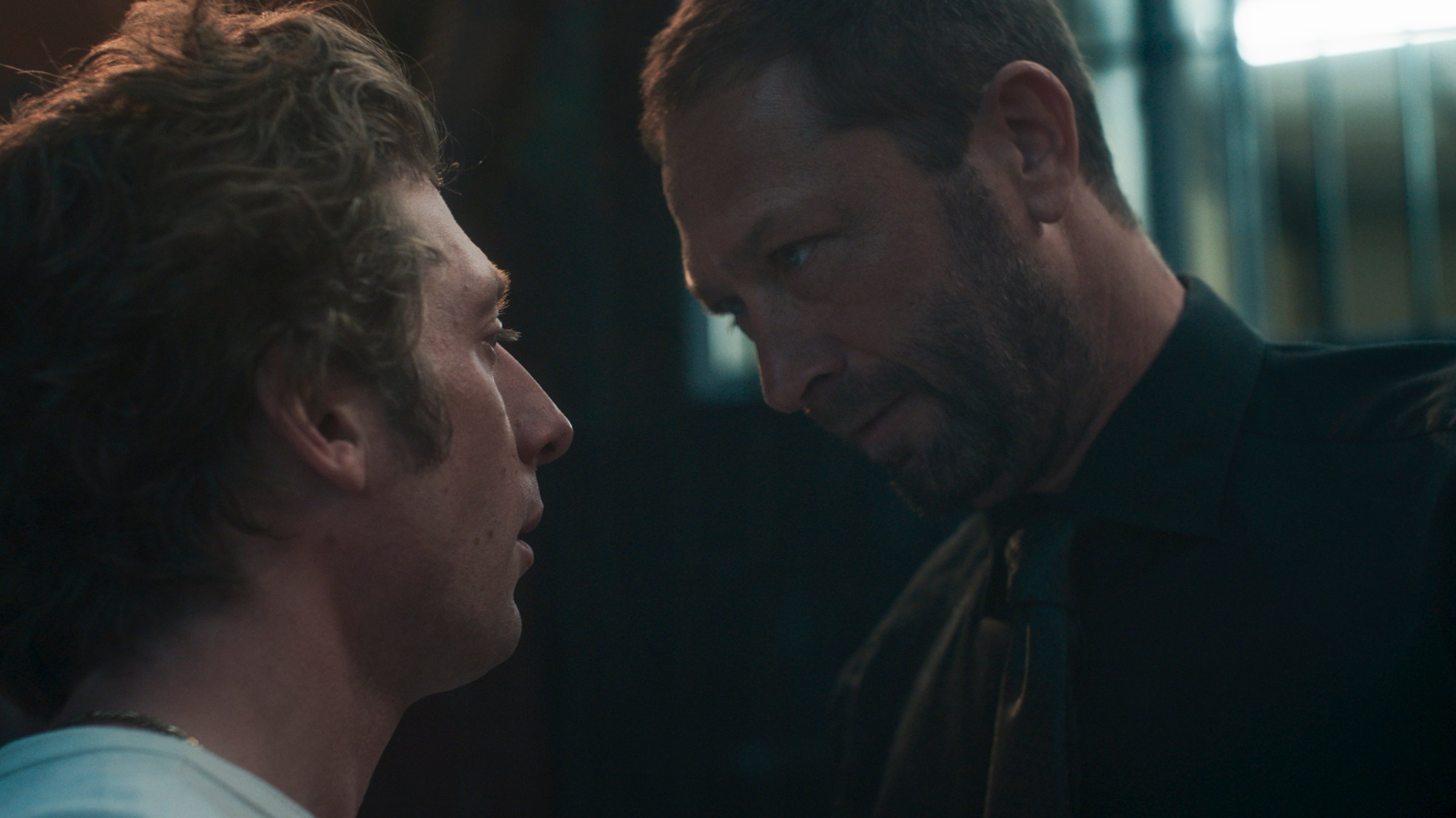
The climax of the episode features two pivotal moments: Carmy’s quiet, devastating confrontation with his former abusive mentor, Chef David Fields (Joel McHale), and Carmy's late-night discovery of The Chicago Tribune's review of The Bear.
- Season 3 Climactic Matrix
- Event 1: Confrontation with Chef Fields
- Carmy demands an apology for psychological abuse.
- Fields asserts: "You were mediocre. I made you great."
- REVELATION: Abuse offers no remorse; validation from abusers is a ghost.
- Event 2: The Chicago Tribune Review Flash-Cut
- Mixed buzzwords: "INNOVATIVE", "SLOPPY", "EXCELLENT", "CONFUSED"
- Carmy's reaction: "Fuck."
- Title Card: "TO BE CONTINUED"
- REVELATION: External benchmarks provide zero interior peace.
- Event 1: Confrontation with Chef Fields
The Abuse Trap and External Reviews
When Carmy confronts Chef Fields, expecting an admission of cruelty, Fields remorselessly takes credit for Carmy's success, stating that his emotional abuse stripped away Carmy's distractions and made him elite. Carmy is left stunned, realizing that his abuser feels no guilt, nor does he recognize Carmy's suffering.
Moments later, after wandering the streets of Chicago, Carmy checks his phone and sees notifications for the long-awaited newspaper review. The screen flashes conflicting, rapid-fire adjectives: INNOVATIVE, SLOPPY, BRILLIANT, DISAPPOINTMENT, CONFUSED. The season ends with Carmy uttering "Fuck" before a "TO BE CONTINUED" title card appears.
This ending reveals crucial psychological insight into the overarching narrative:
- Trauma cannot demand an apology: The show crushes the fantasy that confronting one's abusers yields closure. Fields does not care about Carmy's pain, proving that healing must come from within rather than from external concessions.
- The endless hamster wheel of validation: By keeping the review ambiguous and mixed, the show emphasizes that even if the review were glowing, it would never satisfy Carmy. The pursuit of a Michelin star or critical acclaim is a moving goalpost designed to distract from personal emptiness.
- The tragedy of stagnation: While Sydney contemplates leaving to start her own venture and Chef Terry chooses to step away to live a normal life, Carmy remains chained to his obsession, completely stagnant in his emotional evolution.
What the Endings Collectively Reveal About The Bear
When viewed as a continuous arc, the endings of The Bear articulate a coherent thesis on human behavior, trauma, and work culture. Rather than escalating plot points, the finales repeatedly strip away narrative misdirections to highlight core thematic truths.
| Finale | Core Thematic Revelation |
|---|---|
| Season 1 Ending | Money and opportunity cannot erase family trauma. |
| Season 2 Ending | Obsessive perfectionism isolates the artist and hurts loved ones while the community grows around them. |
| Season 3 Ending | External validation (critics/mentors) is an empty cure for unresolved emotional wounds. |
1. The Distinction Between Pursuit of Excellence and Obsessive Escape
The Bear shows a clear boundary between passionate craft and pathological obsession. Characters like Marcus (learning pastry in Copenhagen) and Richie (learning service at Ever) find joy, dignity, and purpose in excellence. For them, hospitality is an act of connection and empathy—a way of honoring the phrase "Every Second Counts."
For Carmy, however, culinary excellence is an escape mechanism. He uses intense labor and unreasonable standards as armor against processing his grief over Mikey, his anxiety regarding his mother Donna (Jamie Lee Curtis), and his fear of intimacy. The endings reveal that when craft is used as armor, it eventually becomes a prison.
2. The Myth of the Solitary Genius vs. The Strength of the Collective
The show consistently undermines the trope of the lone, brilliant chef. In every crisis moment during the season finales, Carmy’s hyper-individualism causes breakdowns, whereas the collective effort of the kitchen staff provides stability:
- In Season 1, the staff's willingness to return after Carmy's abusive outburst allows the discovery of the cash.
- In Season 2, Sydney and Richie successfully save the opening night while Carmy is locked away.
- In Season 3, Sydney's crisis over signing the partnership agreement stems from her fear that Carmy's chaotic style will destroy her own professional agency.
The series repeatedly signals that real survival relies on mutual interdependence, open communication, and shared responsibility, rather than submitting to a singular erratic leader.
3. Generational Trauma as an Infectious Disease
The Berzatto family dynamics exposed in the famous "Fishes" episode (Season 2, Episode 6) cast a shadow over every ending. The season climaxes demonstrate how untreated generational anxiety spreads outward. Carmy treats his kitchen staff with the same passive-aggressive intensity and panic that his mother Donna brought to the family Christmas dinner. The endings reveal that unless a character consciously chooses emotional processing over denial, they are doomed to recreate the toxic environments they sought to escape.
Comparative Analysis of The Bear Season Finales
The following table summarizes the structural elements, emotional trajectories, and core narrative revelations across the three season endings:
| Narrative Dimension | Season 1 Finale ("Braciole") | Season 2 Finale ("The Bear") | Season 3 Finale ("Forever") |
|---|---|---|---|
| Primary Location | The Beef Kitchen | Walk-In Cooler / Dining Room | Funeral Dinner at Ever / Chicago Streets |
| Carmy's Emotional State | Cathartic, hopeful, yet deeply grieving | Paranoid, self-loathing, isolated | Existential panic, defensive, unfulfilled |
| Key Symbol | San Marzano tomato cans filled with cash | Broken walk-in freezer door handle | Ambiguous newspaper review notifications |
| Ensemble Trajectory | Unified by a new shared goal (The Bear) | Achieve operational independence under stress | Contemplating individual paths and autonomy |
| Antagonistic Force | Financial ruin & Mikey's legacy | Carmy's self-sabotage & panic | Unrepentant abusive mentors & critical judgment |
| Core Show Revelation | Material resources do not equal emotional closure | Excellence achieved through trauma is an unsustainable lie | External accolades cannot heal internal identity crises |
Practical Takeaways for Viewers Analyzing the Narrative
Understanding the deeper mechanics of The Bear alters how one engages with the series as a modern television masterclass. To fully appreciate what the show’s endings communicate, consider these analytical perspectives during a rewatch:
- Watch the Background, Not Just Carmy: Notice how background characters gain composure and skill in direct proportion to Carmy losing control. The show's true heroic arc belongs to the ensemble (Sydney, Richie, Tina), not solely to Carmy.
- Evaluate the Phrase "Every Second Counts": Pay attention to how different characters interpret this motto. Chef Terry and Richie view it as a call to appreciate human connection in the present moment; Carmy views it as a relentless countdown that justifies panic and cruelty.
- Track the Physical Spaces: Observe how physical architecture reflects mental health. The cluttered, dark layout of The Beef represented chaos; the sleek, tight lines of The Bear represent rigid enforcement; the walk-in freezer represents emotional coldness and isolation.
Frequently Asked Questions
What does the money in the tomato cans mean at the end of Season 1?
The cash in the tomato cans represents Mikey's complex, dysfunctional attempt to help Carmy build his dream restaurant. While it gives Carmy the capital to launch "The Bear," it also reveals that Mikey was hiding assets, accumulating debt, and forcing Carmy to hit rock bottom before he could start fresh. It proves that gifts from damaged family members often carry heavy emotional strings.
Why did Carmy get locked in the freezer in the Season 2 finale?
Carmy gets locked in the walk-in cooler because he consistently neglected to call the repairman to fix the door handle throughout Season 2. Character-wise, this symbolizes how his fixation on high-level artistic perfection caused him to ignore basic operational details and personal relationships. It physically manifests his internal emotional state: cold, trapped, and isolated by his own decisions.
Did Carmy break up with Claire in the Season 2 ending?
While Carmy did not intentionally break up with Claire face-to-face, he ruined their relationship by confessing—while trapped in the freezer—that he considered his time with her a waste that distracted him from his professional duties. Claire overheard his monologue through the door and walked away in tears, confirming Carmy's tragic self-fulfilling prophecy that he cannot maintain personal happiness while striving for culinary excellence.
Was the review at the end of Season 3 positive or negative?
The review shown at the end of Season 3 is deliberately ambiguous. The screen rapidly flashes opposing words from The Chicago Tribune review, mixing praise like "INNOVATIVE" and "BRILLIANT" with criticisms like "SLOPPY", "CONFUSED", and "DISAPPOINTMENT". This stylistic choice reveals that external critical reviews are subjective and ultimately incapable of giving Carmy the peace or redemption he seeks.
What does Chef Terry's restaurant closing reveal about the culinary industry?
The closure of "Ever," Chef Terry's fictional three-Michelin-star restaurant, illustrates that even the highest peak of culinary success is temporary and physically exhausting. Chef Terry's decision to close the restaurant voluntarily to live a normal life contrasts sharply with Carmy's endless, stressful crusade. It reveals that real fulfillment often requires knowing when to walk away from high-stakes perfectionism.
The Path Ahead: What the Endings Mean for the Future
Ultimately, the season endings of The Bear demonstrate that the series is engaged in a profound critique of modern achievement culture. By forcing Carmy Berzatto to repeatedly face the limits of his professional achievements, the show poses an essential question: What good is conquering an industry if you destroy your soul and push away everyone who loves you in the process?
As the series progresses beyond its initial chapters, the endings clearly indicate that true resolution for Carmy will not come from earning a Michelin star, paying off Uncle Jimmy, or receiving glowing press reviews. The only true victory available to the characters of The Bear is learning to step out of the high-pressure kitchen of their minds, take accountability for their emotional health, and choose human connection over obsessive isolation.
Image Gallery