How Mold Remediation Procedures Protect Your Home
Mold remediation procedures protect your home by identifying the moisture source, isolating contaminated areas through containment, and physically removing fungal growth using specialized equipment. These systematic actions prevent str...
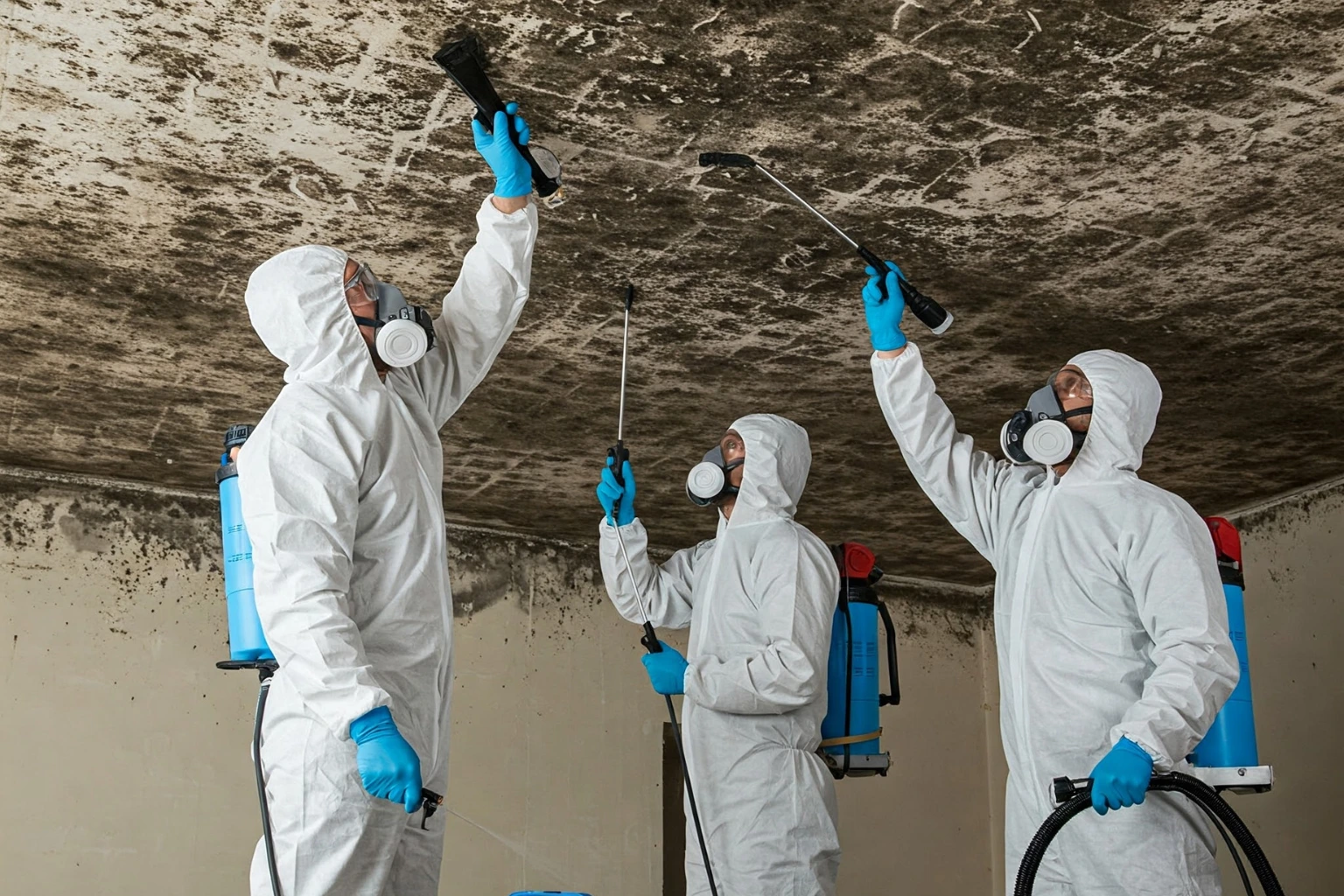
Mold remediation procedures protect your home by identifying the moisture source, isolating contaminated areas through containment, and physically removing fungal growth using specialized equipment. These systematic actions prevent structural decay, safeguard the building’s HVAC system, and ensure that indoor air quality remains within safe, habitable levels for all occupants.
Contents
Mold is more than a cosmetic nuisance or an unpleasant odor; it is a biological agent capable of compromising the structural components and the financial value of a property. In 2026, as building materials and climate patterns evolve, the importance of standardized mold remediation has become a cornerstone of responsible property management. When moisture infiltrates a building envelope—whether through a slow leak, high humidity, or a flooding event—fungal spores can colonize surfaces within 24 to 48 hours. Without professional intervention, this growth can digest organic building materials, leading to costly repairs and potential legal liabilities.
The Science of Structural Protection
The primary way mold remediation protects a home is by halting the digestion of organic materials. Most residential structures rely heavily on cellulose-based components, including wood framing, plywood subfloors, and the paper facing on gypsum drywall. Mold fungi secrete enzymes that break down these organic compounds to use them as a food source.
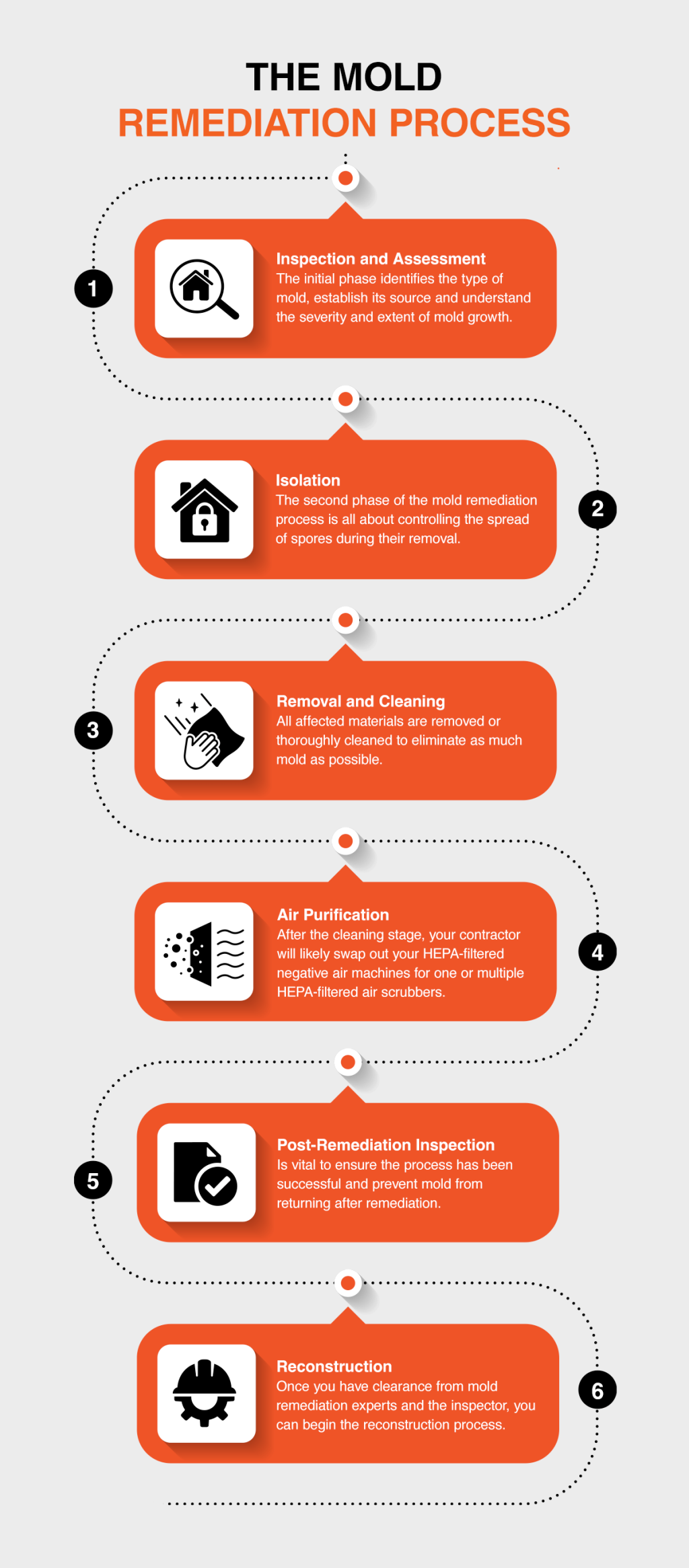
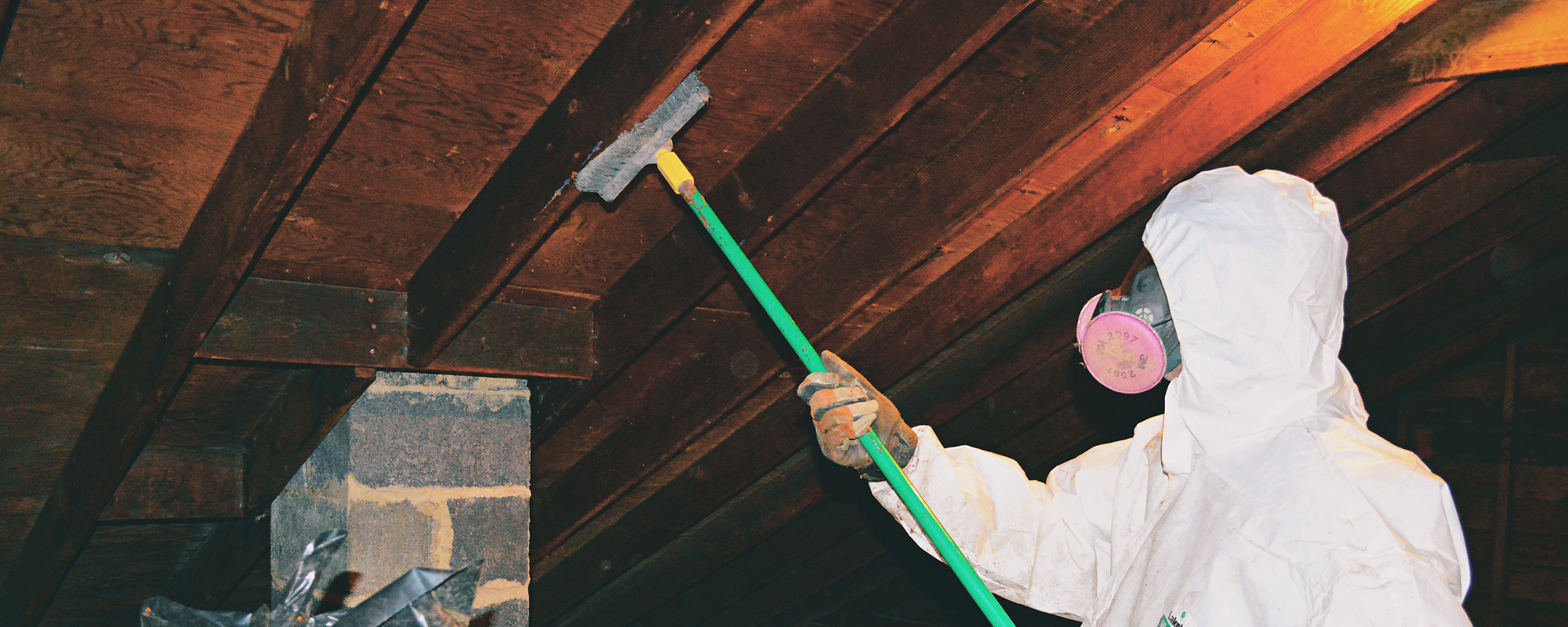
If left unchecked, mold can compromise the load-bearing capacity of floor joists and wall studs. Standard remediation procedures involve "source removal," which means physically removing the mold rather than simply killing it with chemicals. By using techniques like wire brushing, HEPA vacuuming, or media blasting (such as dry ice blasting), technicians strip the fungal roots (hyphae) from the wood. This preserves the structural member's integrity, preventing the "soft rot" that often necessitates expensive structural replacements.
Furthermore, remediation protocols emphasize moisture control. A professional remediator does not just remove the mold; they use thermal imaging and moisture meters to find the hidden water intrusion. By identifying and recommending fixes for these leaks, the procedure protects the home from future decay, effectively extending the lifespan of the building’s infrastructure.
Containment and the Prevention of Cross-Contamination
One of the most critical phases of remediation is the establishment of containment. Without it, the act of cleaning mold can actually cause more damage to the home. When mold is disturbed, it releases millions of microscopic spores into the air. If these spores travel to unaffected rooms, they can settle in carpets, upholstery, and HVAC ductwork, leading to secondary outbreaks.
Professional procedures utilize 6-mil polyethylene sheeting to create physical barriers between the work zone and the rest of the house. More importantly, they employ negative air pressure. By using High-Efficiency Particulate Air (HEPA) air scrubbers that vent to the outside, technicians ensure that air always flows into the containment area, never out of it. This prevents the "pumping" effect where contaminated air is pushed into clean living spaces, effectively protecting the 90% of the home that may not have been originally affected.
Protecting the HVAC System and Air Quality
A home’s HVAC system is essentially its respiratory system. If mold spores enter the return vents, the system will distribute those spores to every room in the house. Once mold colonizes the interior of ductwork or the evaporator coils of an A/C unit, the remediation costs can skyrocket, often requiring full system replacement.
Remediation procedures protect this vital asset by:
- Sealing Vents: All supply and return registers in the affected area are sealed with plastic before work begins.
- Air Scrubbing: Large-scale HEPA filtration units run continuously during the project to capture airborne spores that are too small to be seen by the naked eye but large enough to cause mechanical fouling.
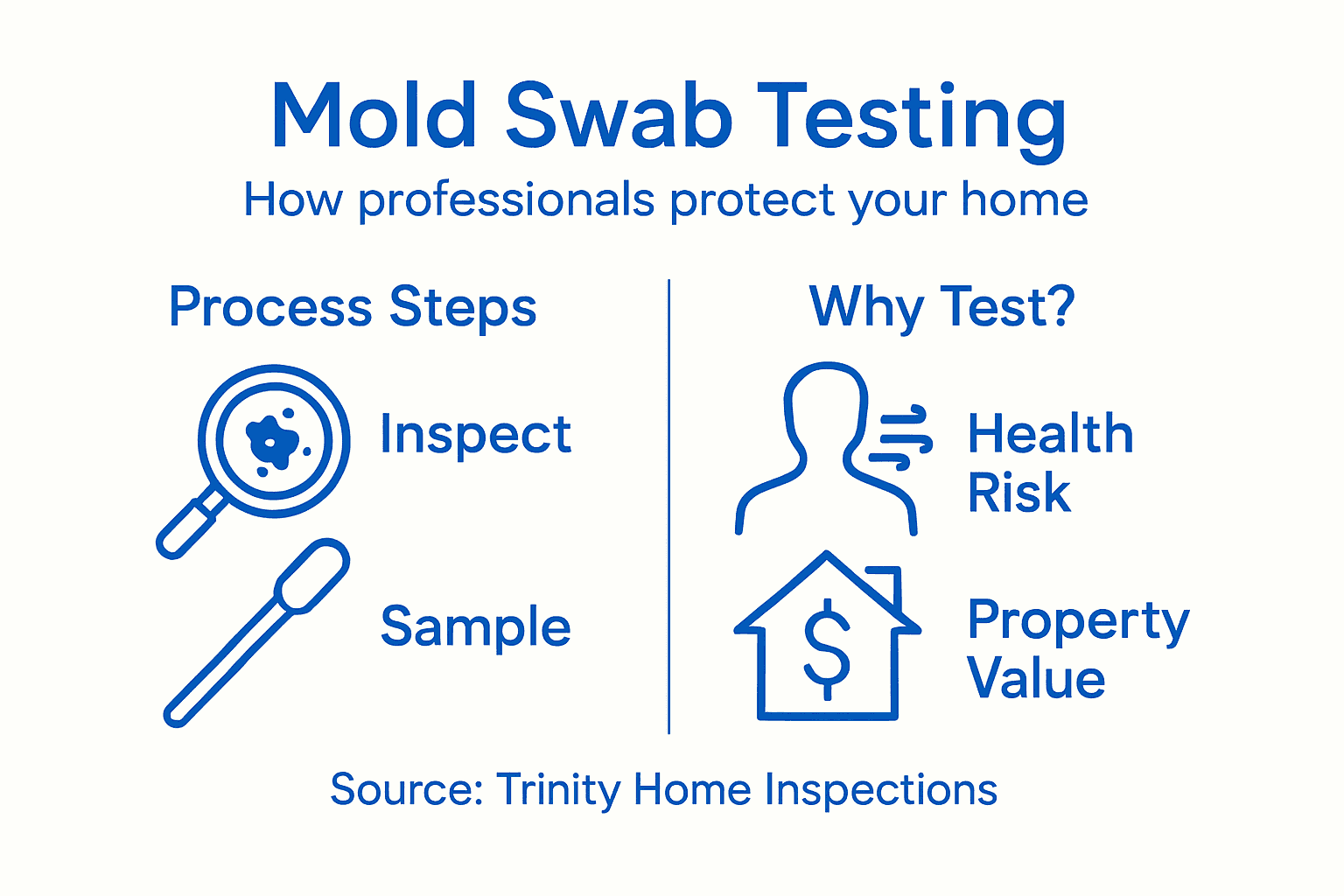
- Post-Remediation Verification (PRV): Also known as clearance testing, this involves an independent industrial hygienist taking air samples to ensure the spore count inside the home is lower than or equal to the natural outdoor environment. This verification is the homeowner’s ultimate protection, proving that the environment is safe for re-occupancy.
Professional Remediation vs. Common Alternatives
Many homeowners attempt to "save" their home using household cleaners like bleach. However, the Environmental Protection Agency (EPA) and the IICRC S520 Standard—the industry benchmark for mold remediation—caution against this. Bleach contains a high percentage of water; while it may change the color of the mold on the surface, the water soaks into porous materials like wood or drywall, potentially feeding the roots of the mold that remain deep inside.
The following table compares the protective value of professional remediation against common but less effective methods.
| Feature | Professional Remediation (IICRC S520) | Household Bleach/Cleaning | Ignoring the Issue |
|---|---|---|---|
| Spore Containment | Uses negative air & poly-barriers | None; spores spread during scrubbing | Spores spread naturally via airflow |
| Root Removal | Physical removal via HEPA/Blasting | Surface level only; roots remain | Fungal growth continues deep into materials |
| Moisture Detection | Thermal imaging & moisture mapping | Not addressed | Problem worsens |
| HVAC Protection | Critical; vents sealed/isolated | Likely contamination of ducts | Guaranteed ductwork contamination |
| Property Value | Documentation provided for resale | No proof of professional fix | Significant "stigma" and value loss |
| Air Quality | Verified by clearance testing | Fumes added to existing spore load | Continuous degradation of air quality |
Preserving Asset Value and Legal Integrity
In the 2026 real estate market, mold disclosures are more stringent than ever. A home with a history of "DIY" mold fixes is often flagged during the inspection process, leading to collapsed sales or heavy price concessions. Professional remediation protects the home’s financial value by providing a transferable certificate of completion.
This documentation serves as legal evidence that the mold was handled according to national standards. It protects the homeowner from future "failure to disclose" lawsuits and ensures that insurance companies are satisfied with the repairs. In many jurisdictions, if a mold problem is handled improperly, the resulting damage may be excluded from future insurance claims. By following established procedures, the homeowner maintains their eligibility for coverage and prevents the property from being "blacklisted" in CLUE (Comprehensive Loss Underwriting Exchange) reports.
The Role of Antimicrobial Treatments and Encapsulation
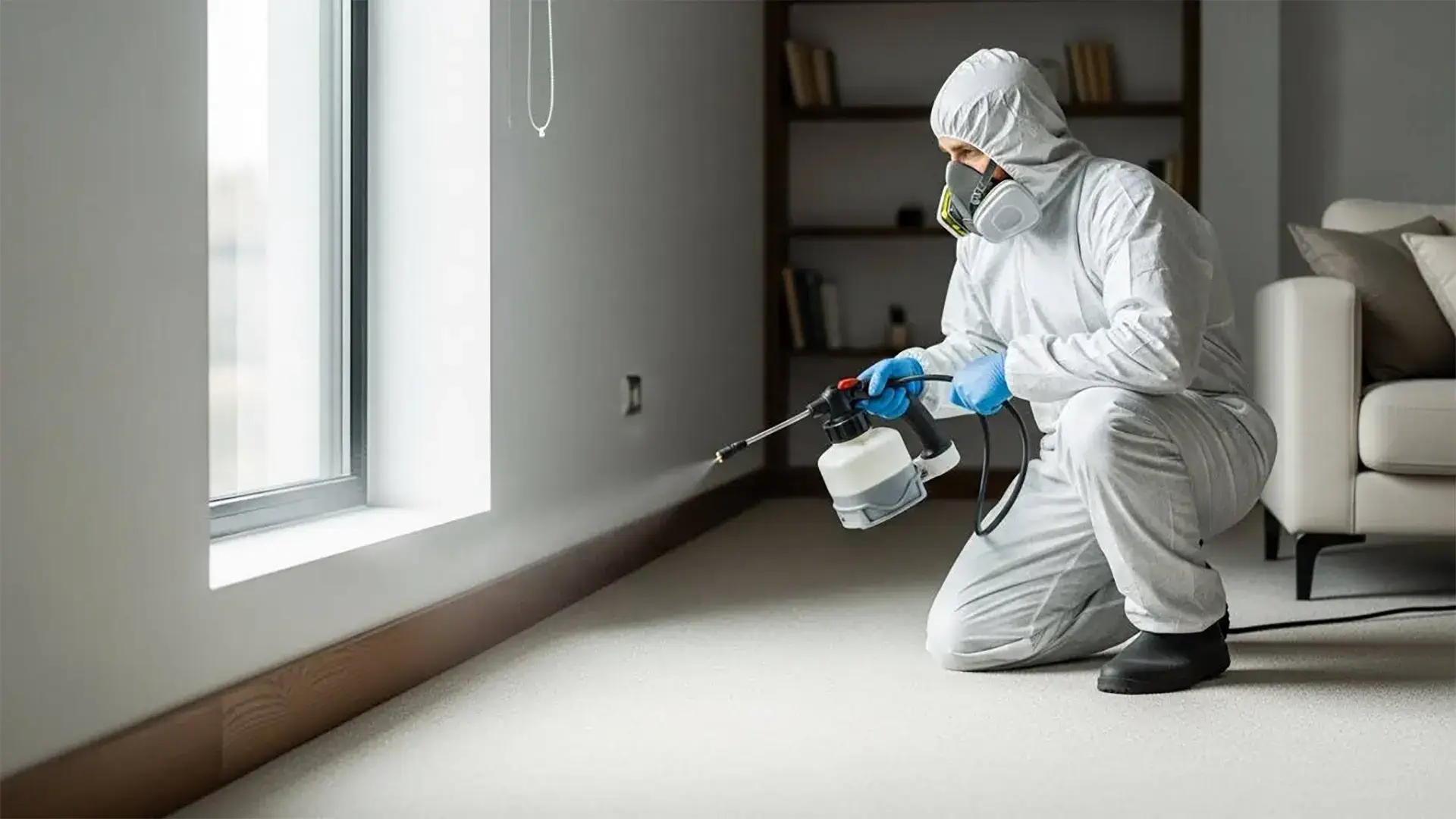
Once the mold is physically removed and the area is dry, professional procedures often include the application of EPA-registered antimicrobials. These are not a substitute for cleaning but serve as a protective shield. These solutions inhibit the regrowth of mold on surfaces that may be susceptible to high humidity in the future, such as basement masonry or attic sheathing.
In some cases, professionals use encapsulants. These are specialized coatings that "lock" any microscopic remnants into the substrate and provide a moisture-resistant barrier. This is particularly useful in crawlspaces or older homes where total removal of every stain is impossible without replacing the entire foundation. This final layer of protection ensures that the structural components remain resilient against the environmental stressors that originally caused the problem.
Common Mistakes That Compromise Home Protection
To truly protect a home, one must avoid the procedural errors that often lead to "revolving door" mold problems.
- Failing to Fix the Leak First: Removing mold while a pipe is still dripping is a futile exercise. The moisture must be addressed before or during the remediation.
- Using Fans Prematurely: Using high-velocity fans to dry a moldy area before it has been cleaned or contained will blow spores throughout the house.
- Painting Over Mold: This is perhaps the most dangerous "procedural" error. Standard paint will peel as the mold continues to eat the drywall underneath, and the mold will eventually "bleed" through the paint, often in a more toxic form due to the lack of oxygen.
Frequently Asked Questions
Does mold remediation always require tearing out walls?Not necessarily. If the mold is caught early and is localized to non-porous or semi-porous surfaces (like finished wood or metal), it can often be cleaned without demolition. However, if mold has penetrated the core of drywall or insulation, removal is the only way to protect the rest of the home from hidden growth.
How do I know if the remediation procedure actually worked?The gold standard for verification is a Post-Remediation Verification (PRV) test. An independent third party, who was not involved in the actual cleaning, should take air and surface samples. The remediation is considered successful only when these samples show that the indoor fungal ecology is consistent with a normal, healthy environment.
Is the smell of mold gone after remediation?Yes. The "musty" odor associated with mold is caused by Microbial Volatile Organic Compounds (mVOCs). Once the active colonies are removed and the moisture levels are normalized, these gasses dissipate. If the smell persists, it usually indicates that a pocket of mold was missed or the moisture source is still active.
Can I stay in my home during the remediation process?This depends on the size of the project. For small areas (less than 30 square feet), containment usually allows residents to remain in other parts of the home. For larger projects involving the HVAC system or multiple floors, it is often recommended to vacate for a few days to ensure total safety and allow the technicians to work efficiently.
Why is professional drying so important in the procedure?Removing the mold is only half the battle. Professional remediators use industrial dehumidifiers and air movers to reach "dry standards"—specific moisture percentages for wood and drywall. If materials are not dried to these specifications, mold will simply return, rendering the protection temporary.
Practical Recommendation for Homeowners
If you suspect mold growth exceeding 10 square feet, do not attempt to scrub it yourself. The most effective way to protect your home is to hire a firm certified by the IICRC or ACAC (American Council for Accredited Certification). Ensure they provide a detailed work plan that includes containment, HEPA filtration, and a third-party clearance test. By investing in a standardized procedure, you are not just cleaning a wall; you are preserving the structural, financial, and environmental health of your largest asset.
Image Gallery