Albert Lowenthal Net Worth in 2026
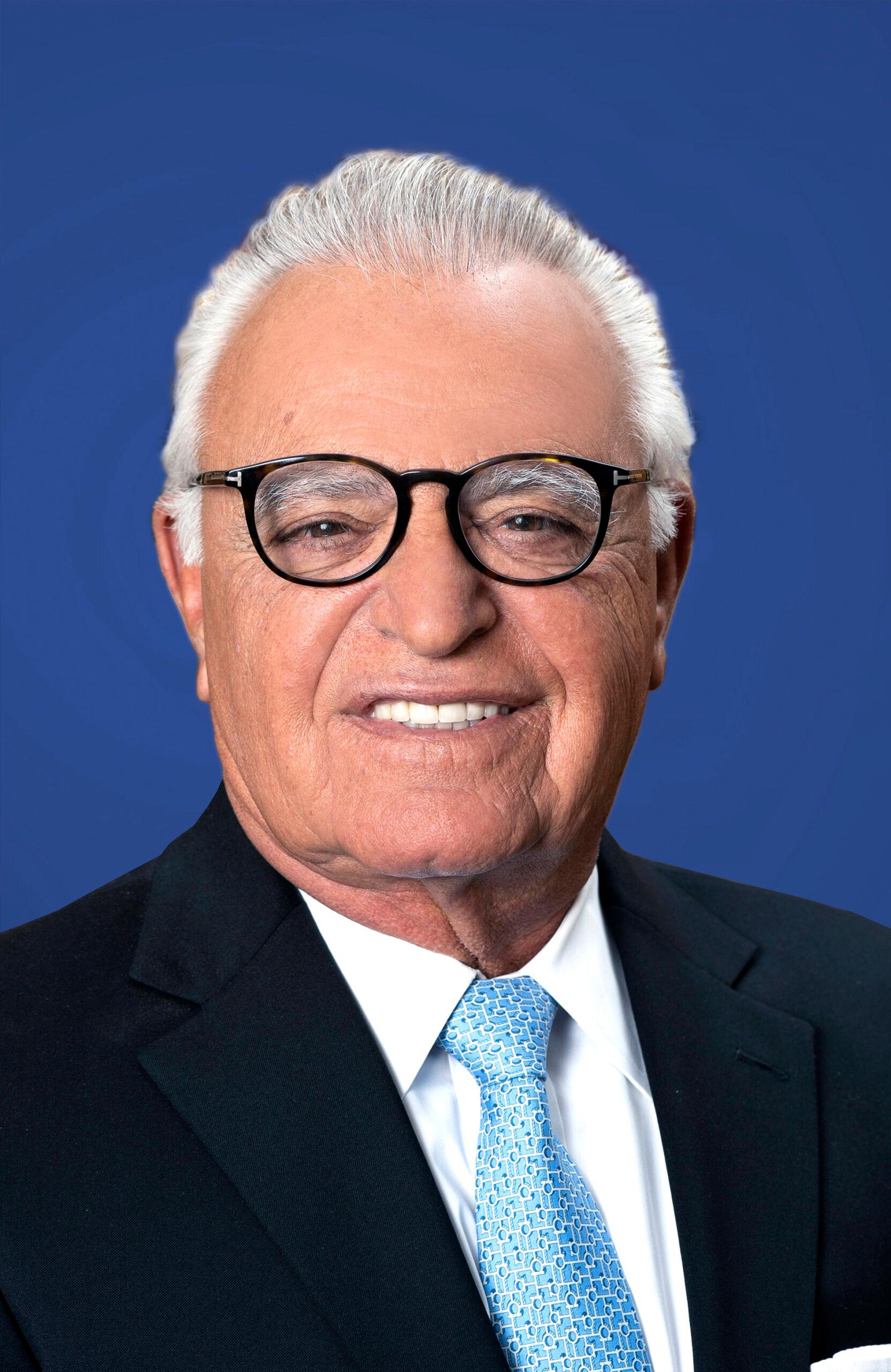
As of 2026, Albert Lowenthal’s net worth is estimated to be between $180 million and $250 million. This figure is primarily derived from his substantial equity stake in Oppenheimer Holdings Inc. (OPY), where he serves as Chairman and C...
As of 2026, Albert Lowenthal’s net worth is estimated to be between $180 million and $250 million. This figure is primarily derived from his substantial equity stake in Oppenheimer Holdings Inc. (OPY), where he serves as Chairman and CEO, alongside decades of executive compensation, dividends, and private investment holdings within the financial services sector.
Contents
The Foundation of Albert Lowenthal’s Wealth: Oppenheimer Holdings
Albert "Bud" Lowenthal has been the central figure of Oppenheimer Holdings for several decades. To understand his net worth in 2026, one must first analyze the valuation and structure of the firm he leads. Oppenheimer Holdings is a middle-market investment bank and full-service brokerage firm that provides wealth management, securities underwriting, and advisory services.
Unlike many modern CEOs who own a small fraction of their company’s equity, Lowenthal maintains a unique position through a dual-class share structure. As of 2026, he continues to control a vast majority of the Class B voting shares. While the Class A shares (traded under the ticker OPY on the New York Stock Exchange) represent the economic value available to the public, the Class B shares ensure that Lowenthal retains operational and strategic control.
Stock Valuation and Market Capitalization
The primary driver of Lowenthal’s net worth is the market price of OPY stock. In the period leading up to 2026, the financial services sector experienced significant volatility due to shifting interest rate environments and the evolution of digital wealth management. Oppenheimer's focus on high-net-worth (HNW) individuals has allowed the firm to maintain a stable Assets Under Management (AUM) base, which directly supports its market capitalization.
When the stock trades in the range of $45 to $60 per share, Lowenthal’s personal holdings in both Class A and Class B shares contribute significantly to his nine-figure valuation. His wealth is highly sensitive to the broader equity markets; as a brokerage firm, Oppenheimer’s revenue increases during periods of high trading volume and rising asset values, which in turn bolsters the stock price.
Executive Compensation and Annual Earnings
Beyond his equity ownership, Lowenthal’s net worth has been consistently augmented by a robust executive compensation package. As the Chairman and CEO, his annual earnings are typically structured through a combination of base salary, cash bonuses, and stock-based awards.
Salary and Performance Bonuses
Historically, Lowenthal’s base salary has remained relatively stable, often hovering around the $1 million mark. However, the variable components of his compensation—tied to the firm’s Return on Equity (ROE) and pre-tax profitability—are where the most significant gains occur. In years where Oppenheimer’s investment banking division facilitates major mid-market mergers and acquisitions (M&A) or successful IPO underwritings, Lowenthal’s total annual compensation has been known to exceed $5 million to $10 million.
Dividend Income
Oppenheimer Holdings has a history of paying consistent dividends to its shareholders. For an individual holding millions of shares, these quarterly distributions represent a significant stream of liquidity. In 2026, these dividends provide Lowenthal with the cash flow necessary to fund private investments and philanthropic endeavors without needing to liquidate his core equity position in the company.
Historical Context: The Acquisition of E.M. Warburg, Pincus & Co.
The trajectory of Albert Lowenthal’s wealth began in earnest in 1985. At that time, Lowenthal led a group that acquired the brokerage business of E.M. Warburg, Pincus & Co., which eventually became the modern iteration of Oppenheimer & Co. Inc. This acquisition was a pivotal moment in Wall Street history, as it allowed Lowenthal to take control of a storied brand name during a period of massive expansion in the financial services industry.
By successfully navigating the market crashes of 1987, the dot-com bubble of 2000, and the Great Recession of 2008, Lowenthal proved the resilience of his business model. This longevity is a key component of his current 2026 net worth; unlike many "paper billionaires" in the tech sector, Lowenthal’s wealth is built on a forty-year foundation of institutional finance and tangible commission-based revenue.
2026 Wealth Components: A Detailed Breakdown
To provide a clearer picture of how Albert Lowenthal’s net worth is calculated in 2026, the following table breaks down the estimated asset classes and their contributions.
| Asset Category | Estimated Value (2026) | Primary Source/Details |
|---|---|---|
| Oppenheimer Holdings Equity | $120M - $160M | Class A and Class B shares (Voting & Non-Voting). |
| Real Estate Portfolio | $30M - $45M | Luxury residential properties in New York and Florida. |
| Cash and Liquid Investments | $25M - $35M | Accumulated dividends, salary, and fixed-income assets. |
| Private Equity/Other Interests | $5M - $10M | Outside business ventures and minority stakes. |
| Total Estimated Net Worth | $180M - $250M | Combined valuation of public and private assets. |
The Influence of Macroeconomic Factors in 2026
In 2026, several macroeconomic factors directly influence the valuation of Lowenthal’s holdings. As a veteran of the financial markets, his wealth is inextricably linked to the health of the U.S. economy and the regulatory environment overseen by the Securities and Exchange Commission (SEC) and the Financial Industry Regulatory Authority (FINRA).
- Interest Rate Spreads: Oppenheimer earns significant interest income on client margin balances. If interest rates in 2026 remain at moderate levels, the firm’s profit margins remain healthy, supporting the stock price.
- Wealth Management Trends: The shift toward fee-based advisory services rather than commission-based trading has stabilized Oppenheimer’s revenue. This transition has made the firm more attractive to institutional investors, helping to maintain a "floor" on Lowenthal's equity value.
- Consolidation in the Industry: Throughout the early 2020s, many mid-tier firms were acquired by giants like Morgan Stanley or Goldman Sachs. The fact that Oppenheimer remains independent in 2026 adds a "control premium" to Lowenthal's shares. Any rumors of a potential buyout often lead to temporary spikes in his net worth.
Operational Legacy and Succession Planning
A significant discussion regarding Lowenthal’s wealth in 2026 involves the future of Oppenheimer Holdings. As Lowenthal has aged, the market has closely watched his son, Robert Lowenthal, who has taken on increased leadership roles within the firm (notably as President of Oppenheimer & Co. Inc.).
The transition of leadership is a critical factor for investors. A smooth succession plan ensures that the firm’s valuation remains stable, whereas uncertainty could lead to a discount on the stock price. In 2026, the elder Lowenthal’s continued presence as Chairman provides a "stability premium" that protects the value of his equity.
FAQ: Frequently Asked Questions
Is Albert Lowenthal a billionaire?
No, as of 2026, Albert Lowenthal is not a billionaire. While he is extremely wealthy by any standard, his net worth is estimated in the $180 million to $250 million range. The market capitalization of Oppenheimer Holdings (usually under $1 billion) limits the total valuation of his primary asset.
How much of Oppenheimer Holdings does Albert Lowenthal own?
Lowenthal controls nearly 100% of the Class B voting shares and a significant portion of the Class A non-voting shares. His total economic interest in the company typically fluctuates between 20% and 30%, but his voting control is much higher due to the dual-class structure.
Where does Albert Lowenthal live?
Lowenthal has historically maintained residences in areas synonymous with high-level finance, including New York City and Florida. His real estate holdings are a significant, albeit secondary, component of his total net worth.
What is the source of Albert Lowenthal's wealth?
His wealth comes from three main sources: his ownership stake in Oppenheimer Holdings Inc., his career-long executive compensation (salary and bonuses), and the compounding of private investments and dividends over several decades.
Has Albert Lowenthal sold his shares recently?
SEC filings (Form 4) occasionally show small sales for tax purposes or diversification, but Lowenthal has historically maintained a "buy and hold" strategy, keeping the bulk of his wealth tied to the performance of the firm he built.
Strategic Recommendation for Investors and Observers
For those tracking the net worth of executives like Albert Lowenthal, the most important metric to monitor is the Price-to-Book (P/B) ratio of Oppenheimer Holdings. Because the company is a financial institution, its stock price is often pegged to the value of the assets on its balance sheet.
If you are evaluating the financial stability of the firm or the growth of its leadership's wealth, look toward the Wealth Management division's AUM growth. As long as Oppenheimer continues to attract high-net-worth clients, the recurring fee revenue will provide a cushion for the stock price, and by extension, Albert Lowenthal’s net worth, regardless of broader market fluctuations in 2026.
Professional Advice Limitation: This article is for informational purposes only and does not constitute financial, investment, or legal advice. Net worth estimates are based on publicly available data, SEC filings, and market valuations as of 2026. Actual values may vary based on private liabilities, undisclosed assets, or market changes.
Image Gallery