Xmas Beers for Holiday Cheer: A Complete Guide to Seasonal Brews, Styles, and Pairings
Christmas beers offer a rich, warming tradition designed to elevate holiday gatherings, festive meals, and cold-weather relaxation. Ranging from spice-infused winter warmers and complex Belgian quadrupels to resinous fresh-hop ales and...
Christmas beers offer a rich, warming tradition designed to elevate holiday gatherings, festive meals, and cold-weather relaxation. Ranging from spice-infused winter warmers and complex Belgian quadrupels to resinous fresh-hop ales and barrel-aged imperial stouts, these seasonal brews typically feature higher alcohol content, robust malt structures, and festive aromatic profiles tailored for holiday cheer.
Contents
The Heritage and Evolution of Christmas Beers
Seasonal brewing for the winter season is one of the oldest traditions in beer making. Historically, agricultural communities brewed special batches in late autumn to utilize newly harvested grain and hops while preparing beverages durable enough to withstand months of storage. In Northern and Western Europe, early holiday brewing was tied closely to winter solstice celebrations, Yule festivals, and Saint Nicholas feast days.
As commercial brewing developed, regional variations emerged across Europe and North America:
- Belgian Monastic and House Brews: Trappist and Abbey breweries crafted dark, high-gravity ales for monastery guests during the winter season. These beers emphasized yeast-derived fruit esters, dark candi sugar, and high alcohol warmth to combat cold winter nights.
- British Winter Warmers: English brewers crafted malty, low-bitterness strong ales rich in notes of toffee, molasses, and dark fruit. These brews prioritized drinkability and malt complexity over heavy spicing.
- Scandinavian Julebryg: Nordic cultures maintained ancient traditions of brewing strong, dark lagers specifically for Yule feasting, balancing clean fermentations with hearty toasted bread notes.
- American Craft Spiced Ales: Starting in the late 20th century, North American craft brewers popularized the addition of festive baking spices—such as cinnamon, nutmeg, ginger, clove, and sweet orange peel—alongside generous hop additions or heavy barrel aging.
Today, Christmas beers represent a broad spectrum of brewing techniques rather than a single technical style standard.
Core Styles of Holiday and Winter Ales
Understanding the structural differences between winter beer styles helps in selecting the right bottle for hosting, gifting, or pairing with festive meals.
- Winter Warmers: Malty, low bitterness, toffee/caramel
- Belgian Strong Darks: Yeast-driven, plum/fig, high ABV
- Spiced Holiday Ales: Adjuncts (cinnamon, ginger, nutmeg, orange)
- Barrel-Aged Stouts: Bourbon/rum wood notes, dark chocolate
- Hoppy Winter Ales: Fresh/wet hops, pine, caramel backbone
Winter Warmers
Winter Warmers are traditional British-style strong ales characterized by a deep amber-to-brown color, a rich malt backbone, and minimal hop bitterness. Instead of relying on actual spices, these ales derive their complex aromas of caramel, dark fruits, and toasted bread entirely from specialty kilned malts and top-fermenting ale yeast. Alcohol by volume (ABV) typically ranges between 6.0% and 8.5%, offering a gentle, comforting warmth on the palate.
Belgian Dark Strong Ales and Quadrupels
Belgian holiday ales are among the most revered options for winter drinking. Characterized by high ABV (often 8.5% to 12.0%+), these beers utilize dark candi syrup during the boil to achieve a deep mahogany hue and digestible fermentable sugars without loading down the body. The signature Belgian yeast strains generate complex esters and phenols that mimic raisins, dried figs, dark cherries, black pepper, and clove.
Spiced Holiday Ales
Popularized heavily by American craft breweries, spiced holiday ales utilize specialty botanicals and culinary ingredients added during the boil or whirlpool. Common adjuncts include sweet orange peel, fresh ginger root, cinnamon sticks, nutmeg, allspice, and spruce tips. When balanced properly, the spice profile supports the underlying malt without overwhelming the beer's fundamental malt sweetness and body.
Barrel-Aged Imperial Stouts and Porters
For dark beer enthusiasts, barrel-aged imperial porters and stouts represent the summit of winter indulgence. Brewed with high proportions of roasted barley, chocolate malt, and black patent malt, these dark ales spend months or years maturing in oak casks previously used for bourbon, rye whiskey, rum, or port wine. The wood contact imparts distinct flavors of vanilla, oak tannins, toasted coconut, and dark chocolate.
Hoppy Winter Ales and Fresh-Hop Brews
Not all Christmas beers are dark or sweet. A distinct sub-genre of holiday brewing focuses on fresh-hop or winter IPAs. These ales combine a sturdy caramel malt base with aggressive resinous, piney, and citrusy hop profile—evoking the aroma of fresh-cut evergreen foliage and holiday wreaths.
Outstanding Christmas Beers for the Festive Season
Selecting bottles for a holiday collection requires balancing diverse flavor profiles, alcohol strengths, and historical significance. The following matrix outlines iconic seasonal beers enjoyed during the winter season:
| Beer Name | Origin | Style Category | ABV (%) | Primary Flavor Notes | Suggested Food Pairing |
|---|---|---|---|---|---|
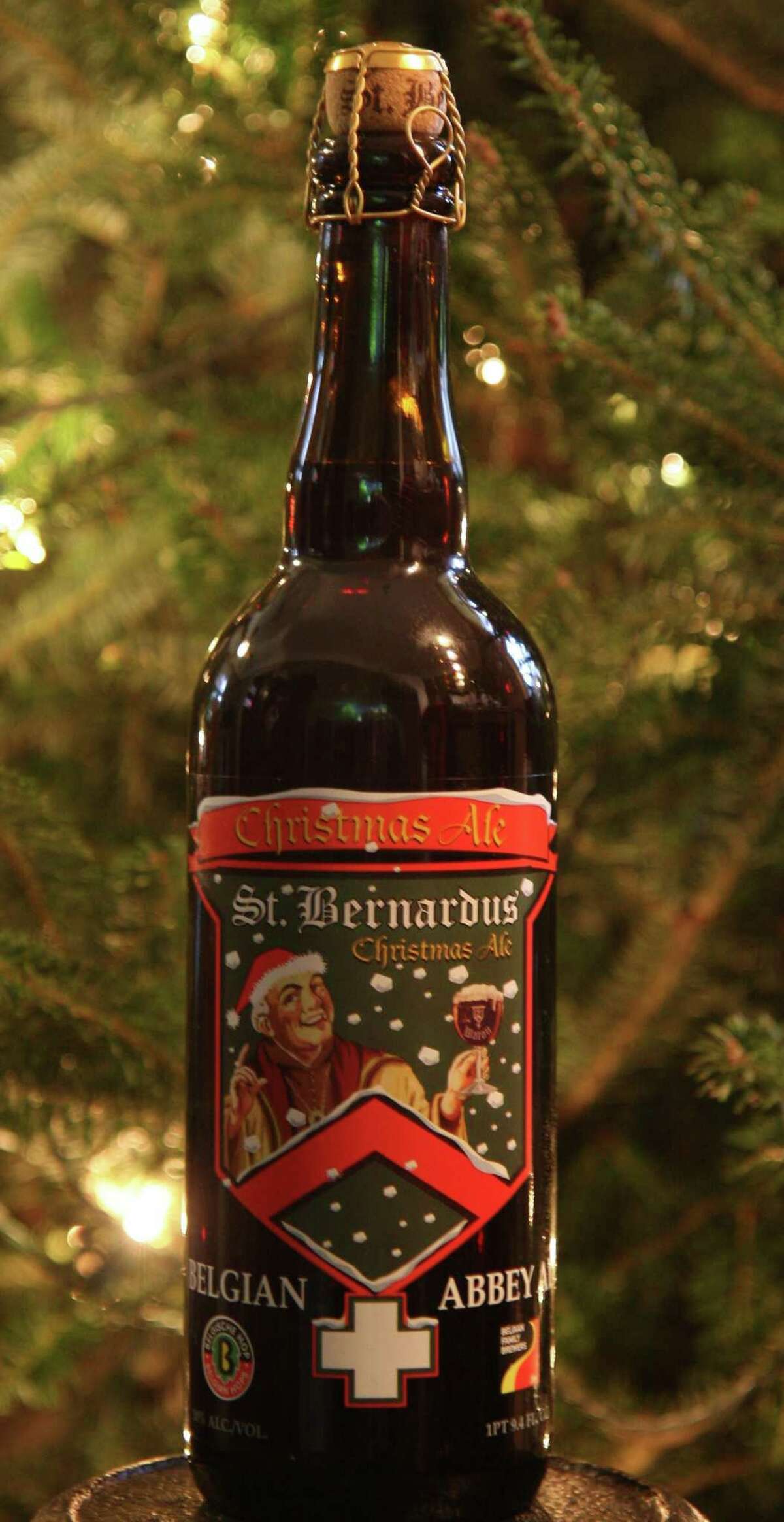
| St. Bernardus Xmas Ale | Belgium | Belgian Dark Strong Ale | 10.0% | Dark fruit, fig, roasted malt, clove | Roasted duck, ripe Gouda |
| Sierra Nevada Celebration Ale | United States | Fresh Hop Winter IPA | 6.8% | Pine, grapefruit, caramel malt, floral resin | Glazed pork loin, sharp Cheddar |
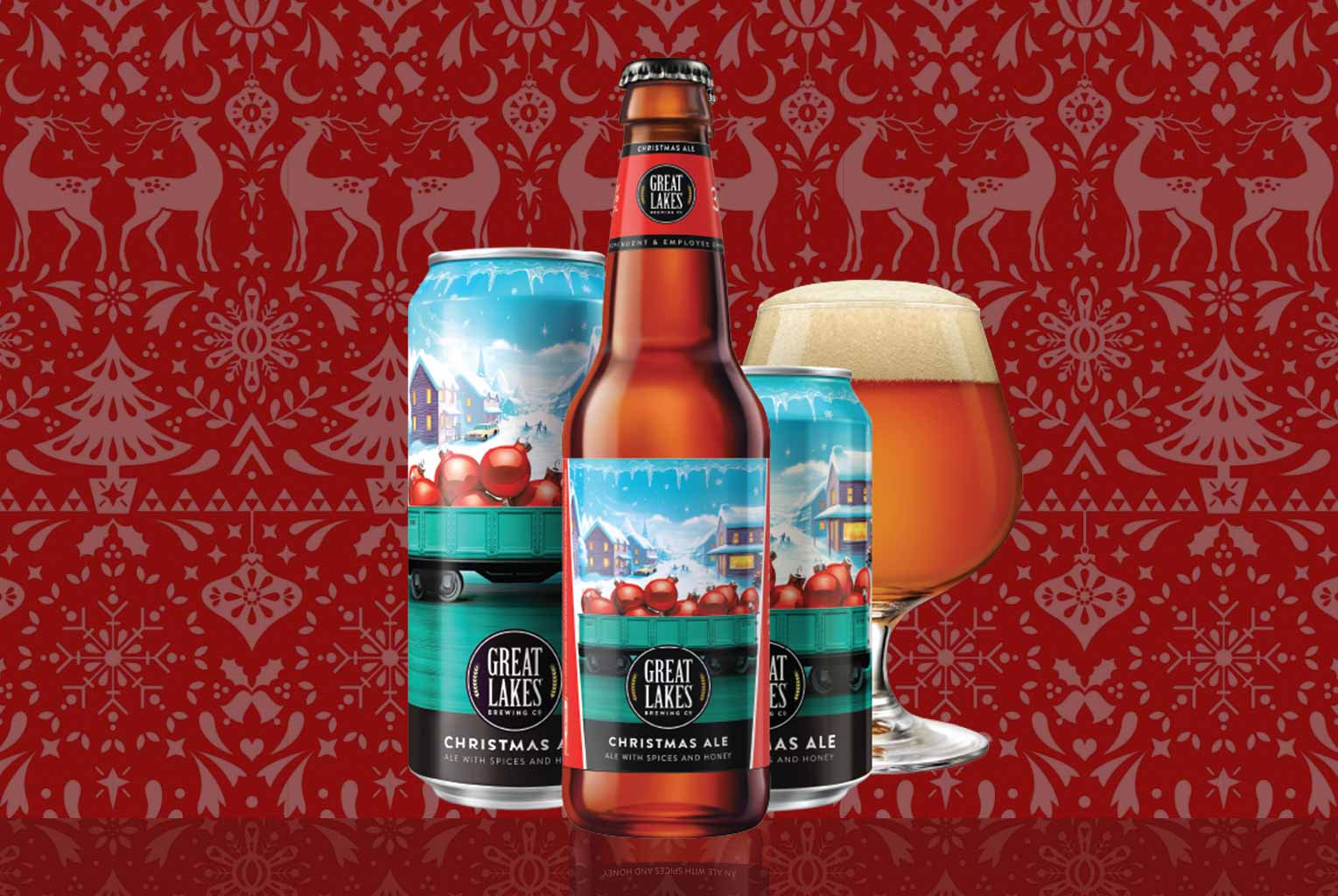
| Great Lakes Christmas Ale | United States | Spiced Holiday Ale | 7.5% | Fresh honey, cinnamon, ginger, nutmeg | Roast turkey, gingerbread cookies |
| Samuel Smith’s Winter Welcome | United Kingdom | English Winter Warmer | 6.0% | Toffee, nutty malt, floral hops, apple ester | Prime rib roast, Yorkshire pudding |
| Dupont Avec Les Bons Vœux | Belgium | Belgian Farmhouse / Strong Blonde | 9.5% | Lemon zest, pepper, earthy yeast, dry malt | Roasted capon, brie cheese |
| De Dolle Stille Nacht | Belgium | Belgian Strong Pale Ale | 12.0% | Candied sugar, citrus, warmth, honey | Pecan pie, strong blue cheese |
| Anchor Our Special Ale (Legacy-Style) | United States | Spiced Dark Ale | ~7.0% | Tree pine, dark spice, toasted grain, cocoa | Roasted root vegetables, spiced ham |
Proper Storage, Cellaring, and Serving Guidelines
To get the full flavor profile from specialized winter ales, precise storage and serving practices must be followed. High-ABV holiday beers are far more sensitive to temperature and glassware than standard pale lagers.
| Beer Category | Recommended Serving Temperature |
|---|---|
| Fresh-Hop Winter IPAs / Light Lagers | 42°F - 48°F (5°C - 9°C) |
| Spiced Ales & Winter Warmers | 48°F - 54°F (9°C - 12°C) |
| Belgian Quads & Barrel-Aged Stouts | 55°F - 60°F (13°C - 15°C) |
Ideal Serving Temperatures
Serving a high-gravity winter beer straight from an ice-cold refrigerator suppresses its volatile aromatic compounds, dulling complex caramel, spice, and ester profiles.
- Fresh Hop Ales & Winter IPAs: Serve between 42°F and 48°F (5°C to 9°C) to emphasize crisp hop bitterness and bright citrus oils.
- Spiced Ales & Traditional Winter Warmers: Serve between 48°F and 54°F (9°C to 12°C) to allow malt aromatics and baker's spices to bloom.
- Belgian Dark Strong Ales & Barrel-Aged Stouts: Serve slightly warmer, between 55°F and 60°F (13°C to 15°C) (cellar temperature). As the glass warms slightly in your hand, alcohol harshness recedes, exposing layers of chocolate, oak, dried fruit, and vanilla.
Glassware Selection
Using appropriate glassware optimizes head retention and concentrates delicate holiday aromas:
- The Snifter: Ideal for high-ABV Belgian Quadrupels and Barrel-Aged Stouts. The narrow opening traps volatile alcohols and dark fruit aromatics, while the rounded bowl fits comfortably in the hand to gently warm the liquid.
- The Tulip Glass: Best suited for Belgian spiced ales and farmhouse brews. The flared rim supports a thick, creamy foam head while enhancing yeasty spice notes.
- The Nonic Pint or English Dimpled Mug: Perfect for lower-ABV British Winter Warmers, allowing broad gulps alongside heavy holiday meals.
Cellaring Holiday Beers
Many high-strength Christmas ales (8.0% ABV and above) are suitable candidates for home cellaring. Dark, corked-and-caged bottles containing living yeast (bottle-conditioned) develop over time:
- Environment: Store bottles upright in a cool, dark room held at a steady temperature between 50°F and 55°F (10°C to 13°C).
- Flavor Evolution: Over 1 to 3 years, harsh hop bitterness degrades while malt flavors round out, creating smooth sherry, port, and dry fruit notes.
- Hoppy Ales Exception: Never age fresh-hop winter IPAs or low-ABV spiced beers; consume these within 60 to 90 days of bottling to enjoy peak hop and spice freshness.
Pairing Xmas Beers with Holiday Feasts
The intense flavor profiles and higher alcohol levels of seasonal beers make them exceptional companions for rich, festive food menus. Matching the intensity of the beer to the weight of the dish is the fundamental principle of beer-and-food pairing.
| Main Course | Beer Pairing | Complementary Note |
|---|---|---|
| Honey-Glazed Ham | Spiced Holiday Ale | Sweet & Clove |
| Roasted Turkey Roast | Belgian Dubbel | Plum & Savory Herb |
| Herb-Crusted Rib Roast | Barrel-Aged Stout | Charcoal & Vanilla |
| Gingerbread Cake | English Winter Warmer | Caramel & Nutmeg |
| Aged Blue Cheese | Belgian Quadrupel | Umami & Dark Fruit |
Main Course Pairings
- Honey-Glazed Ham: Pair with a Spiced Holiday Ale containing clove and orange peel. The sweet malt background complements the caramelized ham glaze, while spice additions accentuate holiday clove studs.
- Roasted Turkey with Herb Stuffing: A Belgian Dubbel or Belgian Pale Ale provides sufficient carbonation to cut through poultry fat, while yeast-driven fruity esters accentuate earthy thyme and sage stuffing.
- Prime Rib or Roast Beef: Combine heavy beef fat and charcoal crust with a Bourbon Barrel-Aged Imperial Stout. The heavy tannins, oak notes, and roasted malts cut through meat richness like a fine Cab Sauvignon.
Dessert and Cheese Board Pairings
- Gingerbread and Molasses Cookies: Match with a traditional English Winter Warmer. The toffee-forward malt structure echoes dark molasses without adding cloying sugar sweetness.
- Rich Dark Chocolate Tarts: Pair with an Imperial Chocolate Stout or Baltic Porter to accentuate cocoa nib flavor while providing clean roasted bitterness on the finish.
- Blue Cheese and Aged Gouda: Serve alongside a Belgian Quadrupel (such as Rochefort 10 or St. Bernardus Abt 12). The intense dark fruit sweetness cuts through the salty, pungent bite of blue-veined cheese.
How to Organize a Holiday Beer Tasting Flight
Hosting a winter beer tasting is an engaging way to introduce friends and family to seasonal brewing styles. Organizing the progression carefully prevents palate fatigue and ensures lighter brews are not overshadowed by high-proof bottles.
1. Establish the Tasting Sequence
Structure the tasting flight from lowest to highest alcohol strength, as well as light-to-dark malt profiles:
- First: Fresh Hop Winter IPA or Festive Pale Lager (Cleanses the palate, introduces crisp herbal bitterness).
- Second: English Winter Warmer (Introduces medium caramel malt without heavy spice or high alcohol).
- Third: Spiced Craft Ale (Displays adjuncts such as ginger, nutmeg, and cinnamon).
- Fourth: Belgian Dark Strong Ale / Quadrupel (Delivers complex yeast esters and dark dried fruit warmth).
- Fifth: Barrel-Aged Imperial Stout (Finishes with intense oak, spirit warmth, and roasted malts).
2. Prepare Pour Sizes and Palate Cleansers
- Pour Volume: Limit sample pours to 2 to 3 fluid ounces (60 to 90 mL) per guest per beer. High-ABV flights accumulate quickly.
- Palate Cleansers: Provide plenty of water, unseeded neutral crackers, plain French bread, and mild unsalted almonds between tasting rounds to clear residual oils and spices from the tongue.
Frequently Asked Questions
What makes a beer a "Christmas beer"?
A Christmas beer is not defined by a single narrow style guideline. Instead, it represents a category of seasonal brews released during late autumn and winter. They typically feature higher alcohol content (6% to 12%+ ABV), richer caramel or dark roasted malt profiles, and often include winter spices (such as cinnamon, nutmeg, and clove) or complex Belgian yeast strains designed to pair well with cold weather and holiday feasting.
Are all winter warmers spiced with cinnamon and nutmeg?
No. Traditional English winter warmers do not contain added spices. Their warming character, deep mahogany color, and complex flavors of toffee, plum, and nuttiness come entirely from dark kilned malts and ale yeast. However, many North American craft versions do choose to add baking spices to create festive flavor profiles.
How long can I keep unopened Christmas beers in storage?
Storage longevity depends on style and alcohol content. Low-ABV (under 6%) hoppy winter IPAs or spiced lagers should be consumed fresh, ideally within 60 to 90 days. Conversely, strong Belgian Quadrupels, Barleywines, and Barrel-Aged Imperial Stouts ranging from 8% to 12%+ ABV can age gracefully for 1 to 5 years when kept upright in a cool, dark location between 50°F and 55°F (10°C to 13°C).
What is the ideal serving temperature for dark holiday ales?
Dark holiday ales, such as Belgian Strong Darks and barrel-aged stouts, perform best when served slightly chilled at cellar temperature (55°F to 60°F / 13°C to 15°C). Serving these beers too cold suppresses volatile aromatic esters and hides complex notes of chocolate, fruit, and oak.
Why do seasonal Belgian ales use corks and cages instead of bottle caps?
Many Belgian holiday ales undergo bottle conditioning—a process where a small amount of yeast and sugar is added right before bottling. This creates natural, high-pressure carbonation inside the bottle over time. Heavy champagne-style glass bottles equipped with thick corks and wire cages are required to safely contain this elevated internal pressure.
Next Actions for Building Your Holiday Cellar
To craft a balanced holiday beer selection for your gatherings, start by selecting three distinct styles: a fresh-hop winter IPA for early evening appetizers, a spiced holiday ale for main dishes, and an aged Belgian Quadrupel or barrel-aged stout for dessert. Check bottling dates on hoppy styles to guarantee freshness, and store high-ABV bottles upright at 50°F–55°F to ensure proper pouring condition throughout the holiday season.
Image Gallery