Kyrsten Sinema Fashion: Decoding the Style, Scandals, and Symbolism of Capitol Hill’s Most Unconventional Wardrobe
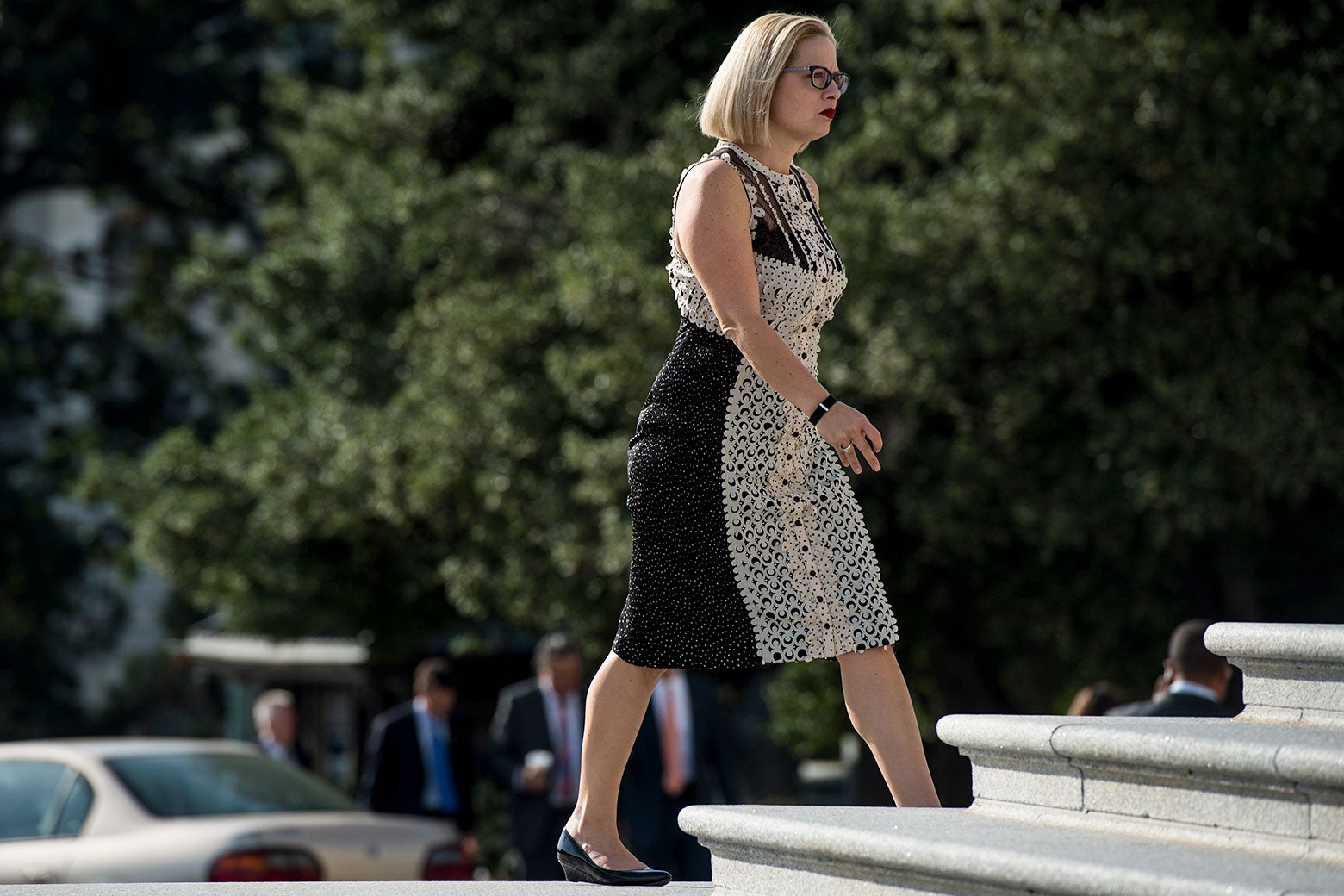
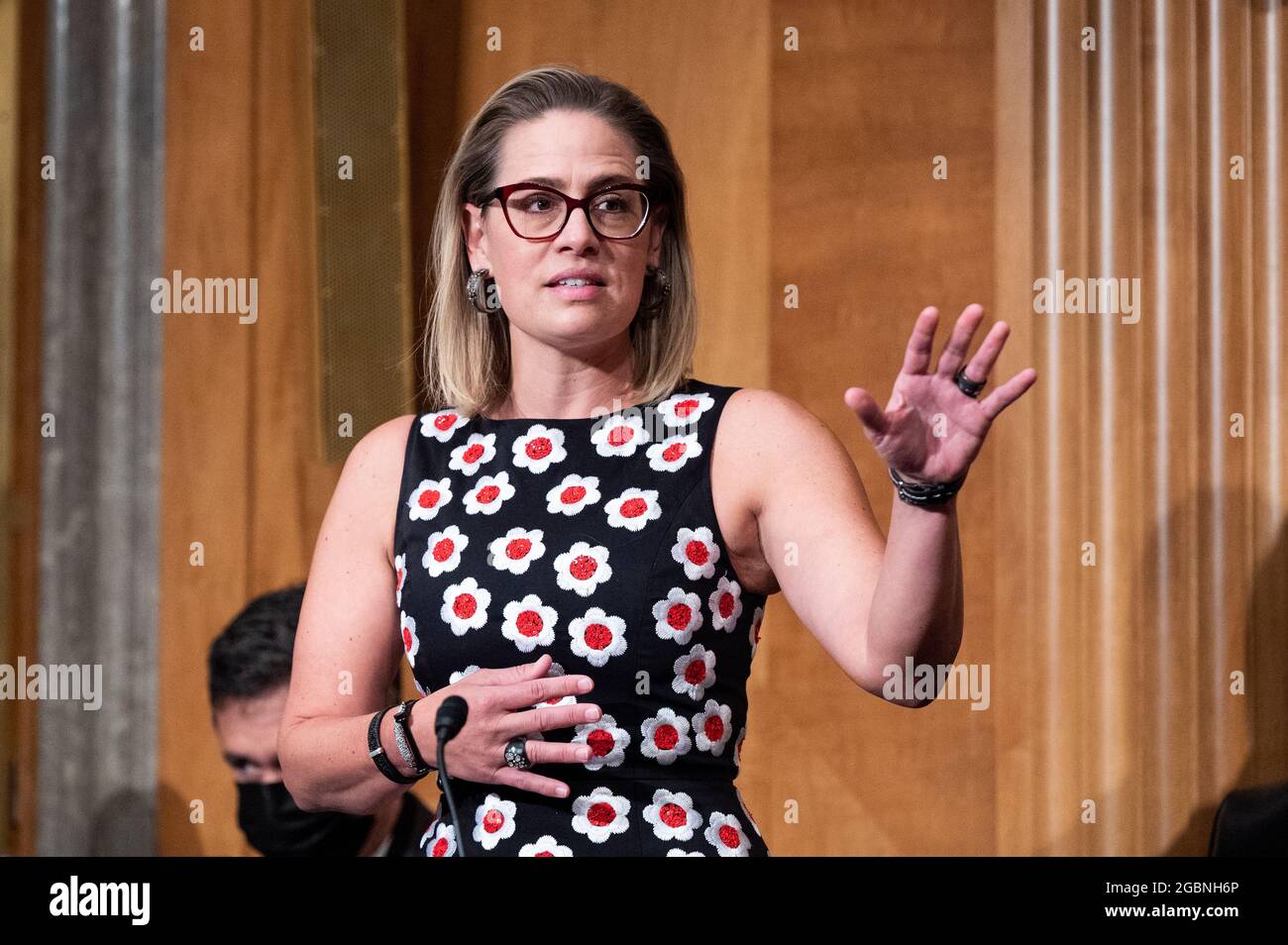
Kyrsten Sinema’s political fashion redefined sartorial norms in the United States Senate, replacing traditional dark suits with bright neon wigs, denim jackets, graphic apparel, and vibrant designer dresses. Her clothing choices functi...
Kyrsten Sinema’s political fashion redefined sartorial norms in the United States Senate, replacing traditional dark suits with bright neon wigs, denim jackets, graphic apparel, and vibrant designer dresses. Her clothing choices functioned as a deliberate rejection of Washington decorum, sparking national debates over gender bias, political decorum, and individualism on Capitol Hill.
Contents
The Evolution of Kyrsten Sinema’s Political Style
During her tenure representing Arizona in the U.S. House of Representatives (2013–2019) and the U.S. Senate (2019–2025), former Senator Kyrsten Sinema established one of the most polarizing and widely documented wardrobes in modern American political history. Traditional Congressional attire historically dictated conservative tailoring, muted tones, and understated accessories intended to minimize personal distraction. Sinema systematically departed from these implicit guidelines.
From Arizona State House to the U.S. Senate
Sinema's fashion choices reflected an ongoing evolution that mirrored her political trajectory. During her time in the Arizona State Legislature, her style favored bright colors, sleeveless dresses, and bold footwear. However, when she moved to Washington, D.C., her sartorial approach escalated into a distinct visual brand. Rather than adopting the dark navy, black, or grey pant suits standard among female legislators, Sinema brought high-contrast color palettes, tactile fabrics, and unconventional silhouettes into committee rooms and onto the chamber floor.
Rejecting the Washington Uniform
In Washington, political attire serves as a tacit visual language signifying party discipline, institutional respect, and seriousness of purpose. Sinema used her wardrobe to communicate independence from legislative conformity. Her rotation included bright magenta, turquoise, canary yellow, floral patterns, metallic fabrics, and high-top sneakers. By integrating athletic apparel, marathon gear, and casual outerwear into her everyday work attire, she challenged the institutional expectation that authority must be projected through strict formality.
Iconic Wardrobe Moments: A Definitive Catalog
Sinema’s choices went beyond simple color choices; several specific outfits and accessories triggered widespread media coverage, political satire, and public controversy.
| Outfit / Accessory | Year | Context / Venue | Public & Media Impact |
|---|---|---|---|
| Pink & Purple Wigs | 2020 | Senate Chamber Floor | Viral commentary on pandemic haircut rules |
| "Dangerous Creature" Crewneck Sweater | 2021 | Presiding over Senate | Sparked debates over legislative decorum |
| "Fuck Off" Ring | 2021 | Instagram Post / Senate Minimum Wage Vote Era | Widespread criticism following key votes |
| Canary Yellow Ruffled Butterfly-Sleeve Dress | 2023 | State of the Union Joint Session | Dominant topic on social media feeds |
| Denim Vest & Shearling Outerwear | 2021 | Senate Floor presiding and voting sessions | Challenged floor dress custom norms |
The Pandemic Wigs (2020)
In the spring of 2020, during the initial months of the COVID-19 pandemic, Sinema attracted national attention by appearing on the Senate floor wearing bright neon wigs—alternating between pink, lilac, and platinum blonde. When questioned about the choice, her office stated that she was abiding by social distancing recommendations by avoiding professional hair salons and purchasing affordable, synthetic wigs online. The visual contrast between dark-suited senators and Sinema’s neon wig choices made her an immediate focal point of Congressional photojournalism.
The "Dangerous Creature" Sweater
In February 2021, Sinema presided over the Senate wearing a grey sweater adorned with the text "Dangerous Creature" in bold lettering. Presiding over the Senate is a formal procedural duty that historically required strict adherence to professional attire. The explicit message on her sweater was interpreted by critics as an antagonistic nod to her growing alienation from progressive Democrats, while supporters viewed it as a playful embrace of her unpredictable voting record.
The "Fuck Off" Ring (2021)
In April 2021, Sinema posted a photo to her personal Instagram story showing her wearing a gold ring inscribed with the words "Fuck Off" while sipping a glass of sangria. The image gained immediate traction because it was published shortly after her controversial thumbs-down vote against including a $15 federal minimum wage provision in a major stimulus bill. While the post was made outside official legislative proceedings, the accessory became a lasting symbol of her combative relationship with party critics and progressives.
The Yellow Ruffled Dress at the 2023 State of the Union
During President Joe Biden’s 2023 State of the Union address, Sinema sat on the aisle wearing a bright, canary-yellow dress featuring oversized, ruffled flutter sleeves designed by designer L'Agence. In a room populated by black, navy, and dark grey suits, Sinema's vibrant, high-volume silhouette dominated television broadcasts of the joint session. The outfit inspired widespread commentary, memes, and editorial analysis comparing her presence to an intentional visual disruption of Congressional homogeneity.
Casualwear on the Senate Floor: Denim Vests and Shearling
Throughout 2021 and 2022, Sinema repeatedly challenged implicit dress standards by wearing sheepskin shearling jackets, denim vests, leather biker coats, knee-high suede boots, and platform sneakers directly into the Senate chamber. On multiple occasions, she presided over legislative debate while wearing casual outerwear that had rarely, if ever, been seen at the Senate dais.
Breaking Decorum: How Sinema Challenged Capitol Hill Dress Codes
Understanding the reaction to Sinema's wardrobe requires looking at the history and enforcement of dress codes within the United States Congress.
Informal Rules vs. Written Standards
Unlike the U.S. House of Representatives—which maintains specific, codified guidelines regarding business attire on the floor—the U.S. Senate historically operated on unspoken, traditional standards enforced by the Sergeant at Arms and presiding officers. These conventions traditionally required men to wear suit jackets and ties, and women to wear professional dresses, suits, or skirt-and-jacket combinations with covered shoulders.
While female lawmakers fought for decades for basic accommodations—such as the right to wear pants on the Senate floor (achieved in 1993) and sleeveless tops (modernized in the House in 2017)—Sinema bypassed the slow pace of incremental style updates altogether. She routinely tested the boundaries of acceptable floor attire, accelerating a broader institutional reassessment of legislative dress standards.
| Era / Milestone | Dress Standard Policy Change |
|---|---|
| Pre-1993 | Female Senators were expected to wear skirts or dresses only. |
| 1993 | Senators Barbara Mikulski and Carol Moseley Braun led the movement allowing women to wear pantsuits on the Senate floor. |
| 2017 | House updated rules to formally permit sleeveless dresses; Senate followed informal modernization. |
| 2019–2024 | Sinema regularly introduced athletic wear, wigs, denim, and graphic sweaters, pushing informal boundaries even further. |
| 2023 | Senate leadership temporarily relaxed formal dress rules before unanimously reinstating a mandatory suit-and-tie standard. |
The Senate Dress Code Crisis of 2023
The cumulative erosion of formal Senate dress standards—contributed to by Sinema's wardrobe and Senator John Fetterman's casual hoodie-and-shorts attire—led Senate Majority Leader Chuck Schumer to briefly stop enforcing the informal dress code in September 2023. The decision prompted public backlash and bipartisan resistance, culminating in the unanimous passage of Senate Resolution 376 in late September 2023. The resolution formally mandated that men wear a coat, tie, and slacks on the Senate floor, restoring codified boundaries for floor decorum.
Media Perception and Political Strategy: Distraction or Deliberate Branding?
The extensive public and media focus on Kyrsten Sinema’s fashion sparked debate among political analysts, fashion critics, and feminist scholars regarding the motives behind her choices and the nature of political coverage.
The Double Standard Debate
Supporters and gender studies experts frequently argued that media scrutiny of Sinema’s clothing reflected a persistent double standard applied to female politicians. While male politicians routinely receive limited commentary on their standardized dark suits, female leaders often face detailed public scrutiny regarding their hemlines, necklines, colors, and hair. From this perspective, focusing on Sinema's dresses drew attention away from her policy achievements and legislative negotiations.
Sartorial Branding as Political Strategy
Conversely, political analysts noted that Sinema actively weaponized her wardrobe to project political independence. After leaving the Democratic Party in December 2022 to register as an Independent, her personal style served as a visual manifestation of her "un-belonging" to traditional party structures.
By deliberately rejecting the uniform of the Washington establishment, Sinema presented herself as a rogue, non-conformist legislator who refused to bend to party bosses or political traditions. Her clothing functioned as visual branding: a bold assertion that she operated on her own terms, regardless of institutional expectations.
Frequently Asked Questions
What was the practical reason for Kyrsten Sinema wearing neon wigs in 2020?
Sinema stated that she wore brightly colored synthetic wigs (costing roughly $60 each) to adhere to social distancing guidelines during the COVID-19 pandemic. By avoiding hair salons to limit virus exposure, she chose low-maintenance wigs instead of styling her own hair, using the opportunity to wear unconventional colors like pink and purple on the Senate floor.
Did Kyrsten Sinema ever violate official Senate dress codes?
Technically, the Senate operated primarily on long-standing informal customs rather than a strict, written dress code for its members until late 2023. While her denim jackets, platform sneakers, and graphic sweaters violated long-standing decorum guidelines enforced by the Sergeant at Arms, she was never formally barred from entering the chamber or presiding over the floor.
Which outfit produced the most online commentary during her Senate career?
While the "Fuck Off" ring generated significant political controversy, the canary-yellow L'Agence dress worn during the 2023 State of the Union address produced the highest volume of viral media coverage and online satire due to its high visibility on national television broadcasts.
How did political commentators interpret her "Dangerous Creature" sweater?
Commentators viewed the sweater through two distinct lenses: progressive critics saw it as an antagonistic statement aimed at colleagues frustrated by her obstruction of party legislation, while her supporters viewed it as a tongue-in-cheek embrace of her reputation as a formidable negotiator who disrupted the status quo.
Did Sinema’s fashion style change after she registered as an Independent in 2022?
Her fashion style did not dramatically alter its fundamental aesthetic after her party switch; rather, it maintained the same pattern of bright colors, tactile textures, and casual accents. Her aesthetic had already established her non-conformist identity long before she officially left the Democratic Party.
The Legacy of Sartorial Disruption on Capitol Hill
Kyrsten Sinema’s fashion trajectory demonstrates how political communication extends beyond speeches, policy papers, and roll-call votes into visual self-expression. By routinely bringing non-traditional fabrics, vibrant hairpieces, graphic prints, and casual streetwear into the U.S. Senate, she forced an old institution to confront changing cultural standards around professional attire.
Whether viewed as a calculated branding mechanism, an authentic expression of personal identity, or a breach of legislative decorum, her wardrobe challenged long-held conventions of political dress. Sinema proved that personal fashion can serve as a primary vehicle for political messaging, leaving a visible imprint on the culture of modern American governance.
Image Gallery