Comprehensive Chicago Housing Projects List: 2026 Guide to CHA Properties
Finding a definitive Chicago housing projects list requires understanding that the Chicago Housing Authority (CHA) has transitioned from centralized high-rise "projects" to a decentralized model of mixed-income communities, senior hous...
Finding a definitive Chicago housing projects list requires understanding that the Chicago Housing Authority (CHA) has transitioned from centralized high-rise "projects" to a decentralized model of mixed-income communities, senior housing, and scattered-site units. As of 2026, the CHA manages over 21,000 units of public housing across hundreds of locations, ranging from historic family developments to modern "Plan Forward" communities.
Contents
The landscape of public housing in Chicago is no longer defined by the massive high-rise clusters of the mid-20th century. Following the "Plan for Transformation" and subsequent "Plan Forward" initiatives, the city has shifted toward integrating subsidized units into broader market-rate neighborhoods. This guide provides a categorized list of major developments, eligibility requirements, and the administrative framework for securing housing in 2026.
Understanding the Landscape of Chicago Public Housing in 2026
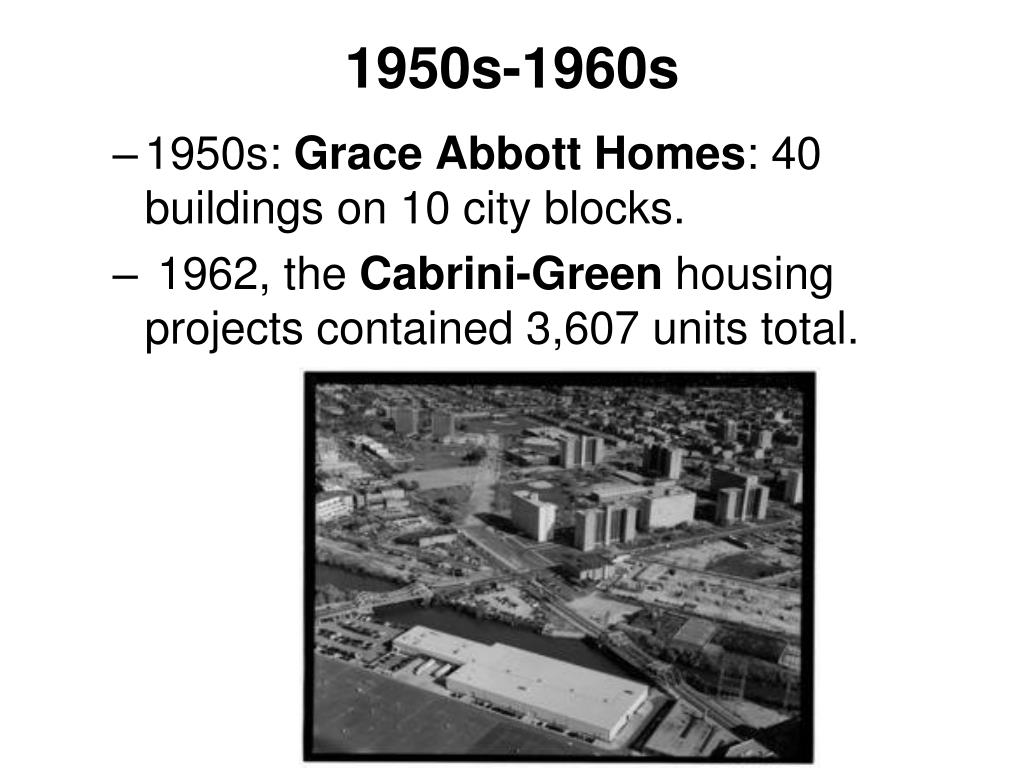
The term "housing projects" is historically associated with the large-scale developments of the 1950s and 60s, many of which—like the Robert Taylor Homes and Cabrini-Green—have been demolished. Today, the Chicago housing projects list is divided into four primary categories: Family Housing (Traditional), Mixed-Income Communities, Senior Housing, and Scattered Sites.
In 2026, the CHA operates under the Rental Assistance Demonstration (RAD) program, a federal initiative by the U.S. Department of Housing and Urban Development (HUD). This program allows the CHA to leverage private debt and equity to bypass federal funding caps, ensuring that older properties receive much-needed capital repairs. Consequently, many properties on the list below are managed by private companies while remaining under CHA oversight.
Major Family Housing Developments
Traditional family housing developments are larger clusters of units specifically designed for households with children. While many have been renovated, they remain dedicated entirely to low-income residents.
1. Altgeld Gardens and Murray Homes
Located on the far South Side in the Riverdale community, Altgeld Gardens is one of the most significant entries on the Chicago housing projects list. Built in the mid-1940s, it has undergone extensive modernization. It is known for its "garden city" design, featuring two-story row houses. In 2026, it remains a focal point for social services, including a dedicated library branch and community center.
2. Dearborn Homes
Situated in the Douglas community area, Dearborn Homes was the first CHA development to feature mid-rise buildings with elevators. It serves families and has been a cornerstone of public housing on the South Side for decades. It currently offers 600+ units of modernized apartments with a focus on proximity to the Illinois Institute of Technology (IIT).
3. Trumbull Park Homes
Located in the South Deering neighborhood, these row houses and low-rise apartments offer a more suburban feel than the dense urban developments of the central city. Trumbull Park has been part of a major revitalization effort to improve energy efficiency and accessibility for residents with disabilities.
4. Lake Parc Place
This development consists of two high-rise buildings in the Oakland neighborhood. Unlike the demolished high-rises of the past, Lake Parc Place was preserved and renovated to serve as a model for high-density, well-managed family housing with views of Lake Michigan.
Mixed-Income Communities (Former High-Rise Sites)
The most significant change to the Chicago housing projects list over the last two decades is the rise of mixed-income housing. These developments are built on the land where the "big projects" once stood, blending public housing units, affordable units, and market-rate units in the same buildings.
| Development Name | Former Project Site | Neighborhood | Property Type |
|---|---|---|---|
| Oakwood Shores | Ida B. Wells / Madden Park | Bronzeville | Townhomes & Mid-rise |
| Westhaven Park | Henry Horner Homes | Near West Side | Condos & Apartments |
| Roosevelt Square | ABLA Homes | Near West Side | Mixed-Use Residential |
| Park Boulevard | Stateway Gardens | Bronzeville | Multi-family |
| Legends South | Robert Taylor Homes | Grand Boulevard | Scattered Rowhouses |
| Parkview Pointe | Cabrini-Green | Near North Side | High-end Mixed Income |
The "Right to Return" Policy
For these mixed-income sites, the CHA maintains a "Right to Return" policy for residents who lived in the original high-rises at the time the Plan for Transformation began. In 2026, this policy still dictates the priority for the public housing units within these modern developments.
Senior Housing Developments
The CHA manages a vast portfolio of age-restricted housing designed for residents aged 55 or 62 and older (depending on the specific building). These properties are often high-rise apartments located in diverse neighborhoods, providing easy access to public transit and medical facilities.
- Hattie Callner Apartments: Located in Lakeview, this high-rise offers seniors proximity to the lakefront and North Side amenities.
- Elizabeth Wood Apartments: Located in the Douglas area, providing specialized services for elderly residents on the South Side.
- Judge Fisher Apartments: Situated in the Rogers Park neighborhood, this building is known for its active resident council and community engagement.
- Britton Budd Apartments: A historic building in Lakeview that provides a unique architectural setting for senior living.
Eligibility and Application Requirements for 2026
To be placed on the Chicago housing projects list as a resident, applicants must meet specific federal and local criteria. The CHA does not accept walk-in applications for most properties; instead, it utilizes a centralized online portal.
Income Limits
Eligibility is primarily based on Area Median Income (AMI). Most CHA programs require that a household's income does not exceed 80% of the AMI for the Chicago metropolitan area. However, the majority of units are reserved for households earning 30% to 50% of the AMI.
Background Screening
The CHA conducts comprehensive background checks. In 2026, the criteria include:
- Criminal History: Evaluation of violent crimes or drug-related activity.
- Housing History: Verification of previous tenancies and any history of evictions from subsidized housing.
- Debt to CHA: Applicants must not owe money to the CHA or any other housing authority.
The Waitlist Process
The CHA maintains several types of waitlists:
- Family Housing Waitlist: For traditional developments and scattered sites.
- Senior Housing Waitlist: Specifically for age-restricted buildings.
- Site-Based Waitlists: Used by many mixed-income developments, allowing applicants to apply for a specific location rather than a general pool.
Note: As of 2026, many waitlists remain closed for extended periods due to high demand. When waitlists open, they are often conducted via a lottery system to ensure fairness.
The Transition from High-Rises to Scattered Sites
A critical but often overlooked part of the Chicago housing projects list is the "Scattered Site" program. Rather than building a large complex, the CHA owns individual houses, two-flats, and small apartment buildings integrated into neighborhoods throughout the city.
The goal of scattered sites is to de-concentrate poverty. Residents in these units have the same rights and responsibilities as those in large developments but live in environments indistinguishable from market-rate housing. This program is particularly popular for larger families who require four or five-bedroom configurations, which are rare in modern apartment buildings.
Important Resources and Contact Information
Navigating the CHA system requires access to the correct administrative channels. Since property management is often decentralized, your first point of contact depends on your current status.
- CHA Central Office: 60 E. Van Buren St., Chicago, IL 60605.
- CHA Applicant Portal: The primary gateway for checking waitlist status and updating contact information.
- Housing Choice Voucher (HCV) Program: While distinct from "projects," the HCV program allows residents to find their own housing in the private market using a subsidy. Many families on the housing project list are also on the HCV list.
Frequently Asked Questions
How do I find the full list of available CHA properties?
The CHA provides a "Property Map" tool on their official website. This interactive map allows you to filter by housing type (Family, Senior, Mixed-Income), neighborhood, and bedroom size. Because the list of managed properties changes as new mixed-income developments are completed, the digital map is the most accurate real-time resource.
What is the average wait time for a CHA unit in 2026?
Wait times vary significantly based on the type of housing and the size of the unit required. Senior housing typically has a shorter wait time (often 1–3 years), while family units in high-demand neighborhoods can have waitlists extending beyond 5 or 10 years. Mixed-income sites with site-based waitlists may move faster or slower depending on turnover at that specific location.
Can I apply for a specific housing project?
Yes, through Site-Based Waitlists. When you apply via the CHA portal, you can often select specific developments that you are interested in. However, applying to multiple sites or the general "Family Housing" pool may increase your chances of being offered a unit sooner, even if it is not your first choice.
Is "Section 8" the same as the Chicago housing projects list?
No. Section 8, now known as the Housing Choice Voucher (HCV) program, provides a voucher that a tenant uses to rent from a private landlord. The "housing projects list" refers to Public Housing or Project-Based Voucher units, where the subsidy is tied to the specific building. If you move out of a public housing unit, you do not take the subsidy with you, whereas a voucher stays with the tenant.
What happens if I am denied housing?
If your application is denied, the CHA is legally required to send a written notice explaining the reason. You have the right to request an Informal Hearing to contest the decision. Common reasons for denial include income exceeding limits, negative references from previous landlords, or certain criminal convictions.
Moving Forward: Next Actions for Applicants
If you are seeking housing in 2026, the first step is to visit the CHA Participant Portal to verify if any waitlists are currently open. Ensure you have your social security numbers, income documentation, and current mailing address ready. Because waitlist notifications are often sent via mail, it is crucial to update your address on the portal immediately if you move; failure to respond to a "waitlist update" letter is the most common reason applicants are removed from the list.
For those in immediate housing crises, public housing is rarely a fast solution due to the length of the waitlists. It is recommended to contact 311 or the Chicago Homelessness Prevention Call Center for emergency shelter and short-term rental assistance while waiting for a permanent CHA placement.
Image Gallery