Katy Perry - Not Like the Movies: The Story, Meaning, and Legacy of a Vulnerable Pop Ballad
Katy Perry’s "Not Like the Movies" is a poignant, piano-driven ballad that explores the contrast between Hollywood romantic fantasies and the raw, unscripted reality of genuine emotional connection. Serving as the emotional anchor and...
Katy Perry’s "Not Like the Movies" is a poignant, piano-driven ballad that explores the contrast between Hollywood romantic fantasies and the raw, unscripted reality of genuine emotional connection. Serving as the emotional anchor and final track on her breakthrough 2010 studio album Teenage Dream, the song reveals a more introspective side of an artist otherwise celebrated for high-energy pop anthems.
Contents
The Artistic Context of Teenage Dream and "Not Like the Movies"
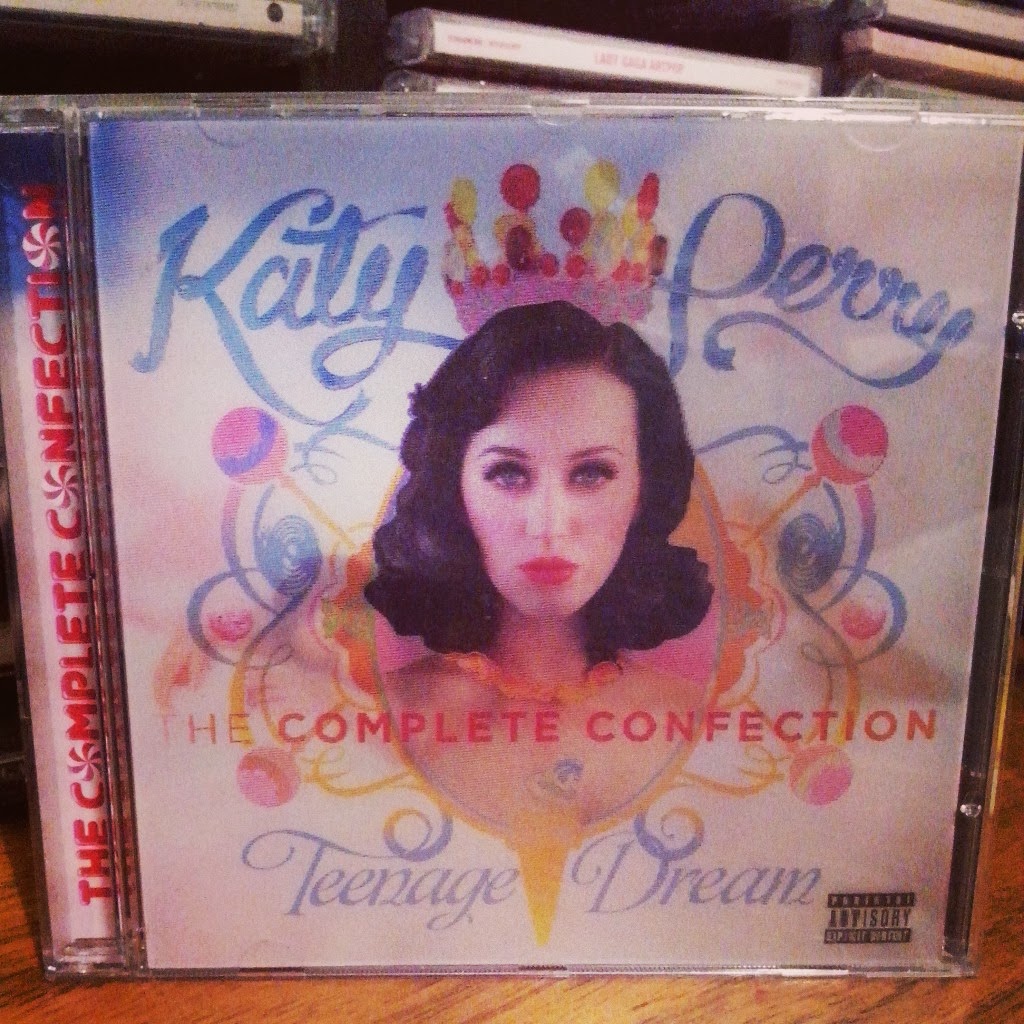
When Katy Perry released Teenage Dream in August 2010 through Capitol Records, the music industry expected an album packed exclusively with club-ready bangers and infectious hooks. Singles like "California Gurls" and "Firework" dominated global charts, cementing Perry's status as a dominant pop superstar of the era. However, the tracklist intentionally balanced these bombastic pop productions with slower, emotionally vulnerable compositions.
"Not Like the Movies," co-written by Perry and producer Greg Wells, acts as a deliberate counterweight to the sugar-coated pop surrounding it. Positioned as track twelve on the standard edition, the song offers a thematic pause, forcing the listener to reflect on the psychological toll of chasing idealized romance. While the rest of the album examines the intoxicating high of being young, in love, and free, this track addresses the quiet doubts that linger when reality fails to mirror cinematic tropes.
Lyrical Analysis: Deconstructing Cinematic Romance
The lyrical construction of "Not Like the Movies" relies heavily on visual and cinematic metaphors. Perry uses the language of Hollywood films—scripts, credits, directors, and sweeping musical scores—to frame her expectations of love.
The Illusion of the Hollywood Script
From the opening lines, the protagonist finds herself sitting in a theater or a quiet room, measuring her real-life relationship against what she has been conditioned to expect. She notes how cinematic romances always feature dramatic realizations, perfect dialogue, and seamless resolutions.
- "She's talking to an angel / Who's telling her your life ain't gonna go your way."
- "You're living in a movie / But oh, you're gonna feel it real."
These lines establish a core conflict: the friction between curated expectations and authentic human vulnerability. Perry describes a relationship where the emotional spark has faded, yet the individuals stay out of habit or fear of ruining the "script." The protagonist recognizes that her partner is not "the one," despite looking good on paper, because the relationship lacks the deep, consuming passion she feels entitled to.
The Search for Authentic Connection
As the song progresses, the tone shifts from passive observation to active yearning. Perry sings about waiting for a love that feels like "dropping from the sky" rather than a calculated arrangement. She rejects settling for a mediocre romance just to avoid being alone.
The emotional climax of the song hinges on the realization that real love is messy, unscripted, and occasionally terrifying. Unlike the tidy conclusion of a romantic comedy, real emotional investment leaves room for heartbreak, awkward pauses, and genuine surprise. By choosing to wait for a love that is "not like the movies," the narrator asserts her self-worth and refuses to compromise her emotional standards for the sake of convenience.
Musical Composition and Production
Musically, "Not Like the Movies" relies on a minimalist arrangement that isolates Perry’s vocal performance. Produced and engineered alongside Greg Wells, the track builds its atmosphere primarily on acoustic piano and subtle string arrangements.
- Vocal Delivery: Perry utilizes a soft, breathy lower register in the verses before opening up into a soaring, emotive chorus. This vocal restraint prevents the song from slipping into melodrama, keeping the emotional delivery grounded and believable.
- Instrumentation: The absence of heavy synthesizers or a driving percussion beat creates an intimate, almost fragile soundscape. The piano notes drop like slow tears, giving the lyrics room to breathe. As the song reaches its bridge, swelling strings add a cinematic texture of their own, ironically mirroring the very Hollywood aesthetic the lyrics critique.
- Dynamic Arc: The track avoids standard pop song structures, favoring a gradual, rolling build that mimics a train of thought. There is no explosive drop or sudden tempo shift; instead, the song resolves with a lingering piano chord that echoes the quiet uncertainty of the protagonist's future.
Live Performances and Fan Reception
While "Not Like the Movies" was never released as an official radio single, it holds a dedicated place among Katy Perry's fanbase. Its most notable live showcase occurred during the 53rd Annual Grammy Awards in February 2011.
During the broadcast, Perry performed a medley of "Not Like the Movies" and "Firework." She began the segment seated on a swing suspended above the stage, draped in a white bridal-inspired gown, singing the ballad stripped-down before transitioning into the upbeat explosion of "Firework." This performance visually bridged the gap between the introspective vulnerability of the album's deep cuts and its commercial peak.
| Album Track | Primary Musical Style | Thematic Focus | Commercial Status |
|---|---|---|---|
| "California Gurls" | Electropop, Funk-pop | West Coast hedonism, youth | Global Lead Single |
| "Firework" | Dance-pop, Anthem | Self-empowerment, resilience | Multi-Platinum Single |
| "Teenage Dream" | Pop-rock, Synth-pop | Nostalgia, romantic idealism | Title Track / Single |
| "Not Like the Movies" | Piano Ballad, Acoustic | Deconstructing Hollywood romance | Album Track / Deep Cut |
Cultural Legacy and Relevance in Modern Pop
In the broader scope of Katy Perry's discography, "Not Like the Movies" represents a template for the vulnerable balladry she would explore on subsequent projects like Prism and Witness. Many pop artists struggle to balance high-concept commercial singles with genuine emotional introspection, but tracks like this prove that an artist can anchor a bubblegum pop record with substantive songwriting.
The song also anticipates modern conversations surrounding parasocial relationship standards and unrealistic romantic expectations fueled by social media. Long before the era of curated digital couple aesthetics, Perry’s track warned against the dangers of performing romance for an audience rather than experiencing it authentically.
Frequently Asked Questions
Was "Not Like the Movies" released as a single?
No, "Not Like the Movies" was not pushed to mainstream radio as a commercial single. However, it was released as a promotional single on iTunes prior to the full release of Teenage Dream in August 2010, allowing fans to sample the album's slower material.
Who wrote "Not Like the Movies"?
The song was written by Katy Perry and songwriter-producer Greg Wells. Wells also handled the production and played the primary instruments on the track.
What is the primary theme of the song?
The core theme is the rejection of artificial, Hollywood-style romantic ideals in favor of genuine, unscripted emotional vulnerability. The narrator refuses to stay in a flat, performative relationship just to fit a societal script.
How does the song fit into the concept of Teenage Dream?
While Teenage Dream primarily explores youth, passion, and euphoria, "Not Like the Movies" provides necessary emotional contrast. It addresses the quiet, contemplative moments of doubt that accompany the search for long-term love.
Next Actions and Recommendations
To fully appreciate the craftsmanship of "Not Like the Movies," listen to the track as part of a complete, uninterrupted playthrough of the Teenage Dream album, specifically noting how it transitions the mood from the mid-album pop anthems to the reflective final stretch. For those interested in Perry's broader songwriting range, explore her acoustic sessions and live lounge performances, where her vocal delivery takes center stage without commercial production safety nets.
Image Gallery