Who Should I Name as a Beneficiary of a Life Insurance Policy: A Trust or an Individual?
Choosing between naming an individual or a trust as the beneficiary of your life insurance policy is a critical decision that depends on your long-term financial goals, the size of your estate, and the specific needs of your dependents...
Choosing between naming an individual or a trust as the beneficiary of your life insurance policy is a critical decision that depends on your long-term financial goals, the size of your estate, and the specific needs of your dependents. While naming an individual provides immediate, tax-free access to funds, naming a trust offers superior control, protection, and the ability to dictate how and when those assets are distributed to beneficiaries.
Contents
Understanding the Role of Life Insurance Beneficiaries
When you purchase a life insurance policy, the beneficiary designation is the single most important instruction for the insurance company regarding where the death benefit should be paid upon your passing. In most jurisdictions, life insurance proceeds bypass the probate process entirely if a specific beneficiary is named, allowing for a swift transfer of capital to the intended recipient.
Naming an individual as a beneficiary—such as a spouse, child, or sibling—is the most common approach. It is simple, direct, and usually free of administrative hurdles. However, this simplicity can become a liability if the recipient is a minor, lacks financial sophistication, or is prone to creditors or legal judgments.
A trust, by contrast, is a fiduciary arrangement where a third party (the trustee) holds assets on behalf of beneficiaries. By naming a trust as your beneficiary, you are essentially instructing the insurance company to hand over the death benefit to the trustee, who then manages and distributes those funds according to the specific rules laid out in your trust document.
When to Name an Individual Beneficiary
Naming an individual is often the correct choice for straightforward family situations. If you are married and wish for your spouse to have full, immediate access to the death benefit to cover living expenses, mortgage payments, or debts, naming them directly is efficient.
Primary Advantages:
- Simplicity: No legal fees are associated with the beneficiary designation itself.
- Speed: The payout process is typically faster since there is no trust administration involved.
- Direct Ownership: The beneficiary has full autonomy over how the money is spent or invested.
Key Risks to Consider:
- Lack of Control: Once the money is paid to the individual, you lose all say in how it is used. If your spouse remarries, the funds could potentially be diverted to a new partner or stepchildren.
- Disability Impact: If your beneficiary receives government benefits (such as Supplemental Security Income), a large lump-sum payout could disqualify them from those necessary programs.
- Minor Beneficiaries: Insurance companies cannot legally pay death benefits directly to minors. If you name a child, a court may have to appoint a guardian to manage the funds, which is expensive and time-consuming.
The Strategic Value of Naming a Trust
Naming a trust as your beneficiary is a sophisticated planning tool, often employed by those with high net worth or complex family dynamics. It allows you to move beyond the "lump-sum" payout and implement a "managed distribution" strategy.
When a Trust is Necessary:
- Protecting Minors: You can stipulate that funds be held until the child reaches a specific age (e.g., 25 or 30), rather than giving them access to a large sum the moment they turn 18.
- Incentive Structures: You can require that money be used only for specific purposes, such as education, healthcare, or starting a business.
- Asset Protection: In some cases, placing proceeds in a trust can protect the funds from the beneficiary’s future creditors, lawsuits, or divorce settlements.
- Complex Family Situations: If you have children from a previous marriage and want to ensure your current spouse is supported for life while ensuring that the principal eventually goes to your children, a trust is essential.
Comparison of Naming an Individual vs. a Trust
| Feature | Individual Beneficiary | Trust Beneficiary |
|---|---|---|
| Control | None once paid | High; governed by trust terms |
| Complexity | Low; easy to update | High; requires legal drafting |
| Costs | None | Legal setup and annual fees |
| Probate | Bypasses probate | Bypasses probate |
| Creditor Protection | Minimal | Often significant |
| Payout Speed | Fast (days/weeks) | Moderate (trust setup time) |
Legal and Tax Implications
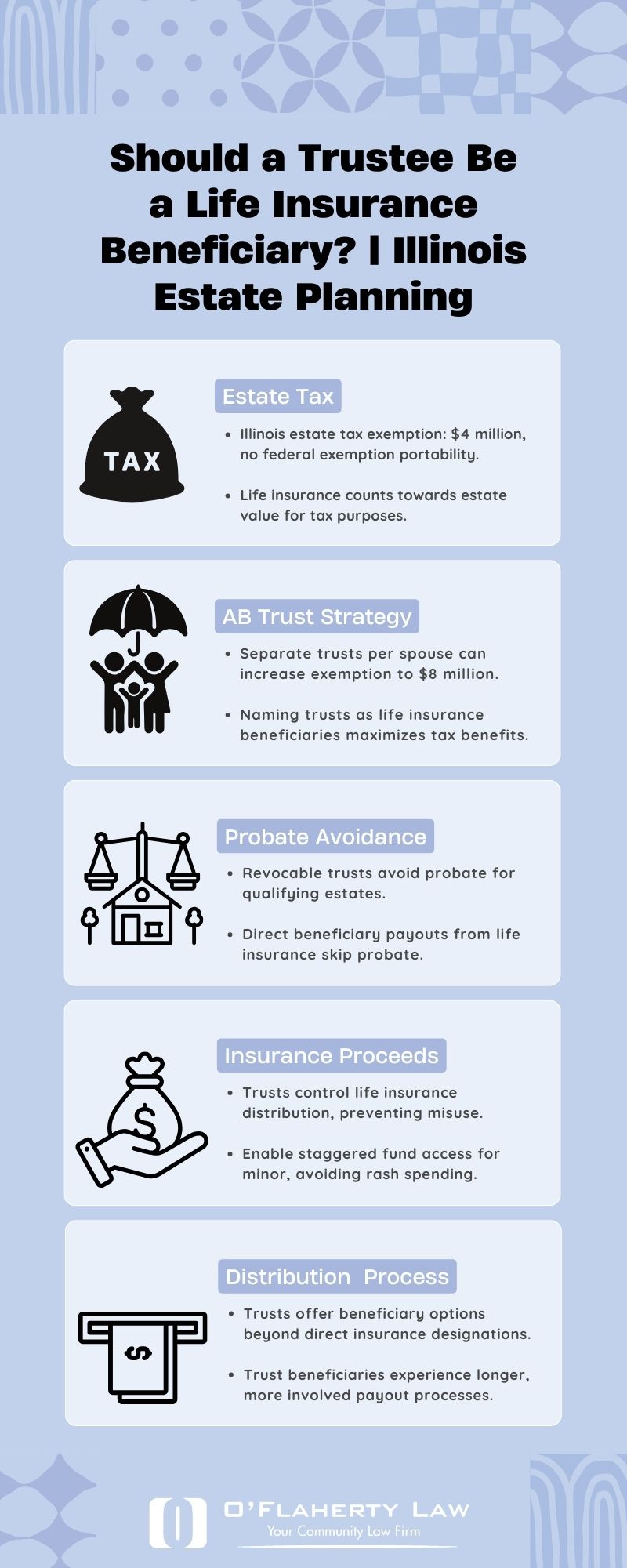
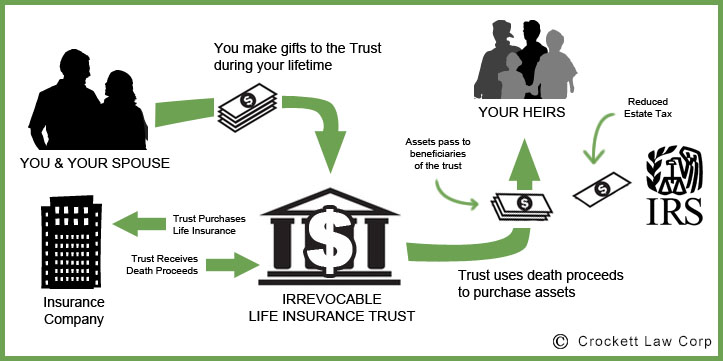
From a tax perspective, life insurance proceeds are generally received income-tax-free by the beneficiary, whether that is an individual or a trust. However, the choice can affect your total taxable estate. If the death benefit is large enough to push your total estate value over the federal estate tax exemption threshold, the proceeds might be included in your taxable estate if the trust is not structured correctly (such as an Irrevocable Life Insurance Trust, or ILIT).
Consulting with a tax professional or estate attorney in 2026 is vital, as tax laws are subject to periodic adjustment and individual jurisdictional rules. You must ensure that the trust is properly funded and that the beneficiary designation form on file with your insurance company matches the exact legal name of the trust.
Common Mistakes to Avoid
- Failure to Update: Life events such as divorce, the death of a beneficiary, or the birth of a child require an immediate review of your beneficiary forms. A "default" payout to an estate or a former spouse can lead to years of litigation.
- Naming a Minor Directly: As noted, this triggers court intervention. Always use a trust or a Uniform Transfers to Minors Act (UTMA) account if naming a minor.
- Mismatched Documents: If your will says one thing but your insurance policy beneficiary form says another, the insurance policy form generally controls. Ensure your estate plan and beneficiary designations are synchronized.
- Ignoring Trust Fees: Trusts are not free. Consider the ongoing trustee fees and legal costs associated with managing a trust before deciding if the benefits outweigh the administrative burden.
Frequently Asked Questions
Can I name both an individual and a trust as beneficiaries? Yes. You can assign percentages to multiple beneficiaries. For example, you might leave 50% to your spouse and 50% to a trust created for your children's education.
Does a trust beneficiary designation make my insurance payout taxable? Generally, no. The proceeds remain income-tax-free. However, if the trust itself earns income or capital gains on the invested proceeds, that income may be subject to trust income tax rates.
What happens if the trust I named as beneficiary no longer exists? If the trust has been dissolved or renamed, the insurance company may be unable to identify the beneficiary, which can lead to the proceeds being paid to your "estate." This drags the money back into probate, which is exactly what you were likely trying to avoid.
Should I name my estate as the beneficiary? It is rarely recommended. Naming your estate as the beneficiary forces the life insurance proceeds through the probate process, making them subject to court fees, attorney fees, and potential claims from your creditors.
How do I update a beneficiary designation? Contact your life insurance provider to request a "Change of Beneficiary" form. In 2026, most major insurers allow you to manage this through secure online policy portals, but ensure you receive a written confirmation once the update is processed.
Next Actions
To make the right choice, start by reviewing your current life insurance policies and your existing estate planning documents. If you have significant assets and specific wishes regarding how your heirs should manage their inheritance, schedule a meeting with a qualified estate planning attorney. Ask them specifically whether an ILIT or a standard living trust best suits your objectives. Once you have a clear plan, update your beneficiary designations with your insurance carrier immediately to ensure your coverage aligns with your current life circumstances.
Image Gallery