Compensation Communication in the Workplace: A Strategic Guide for HR Leaders
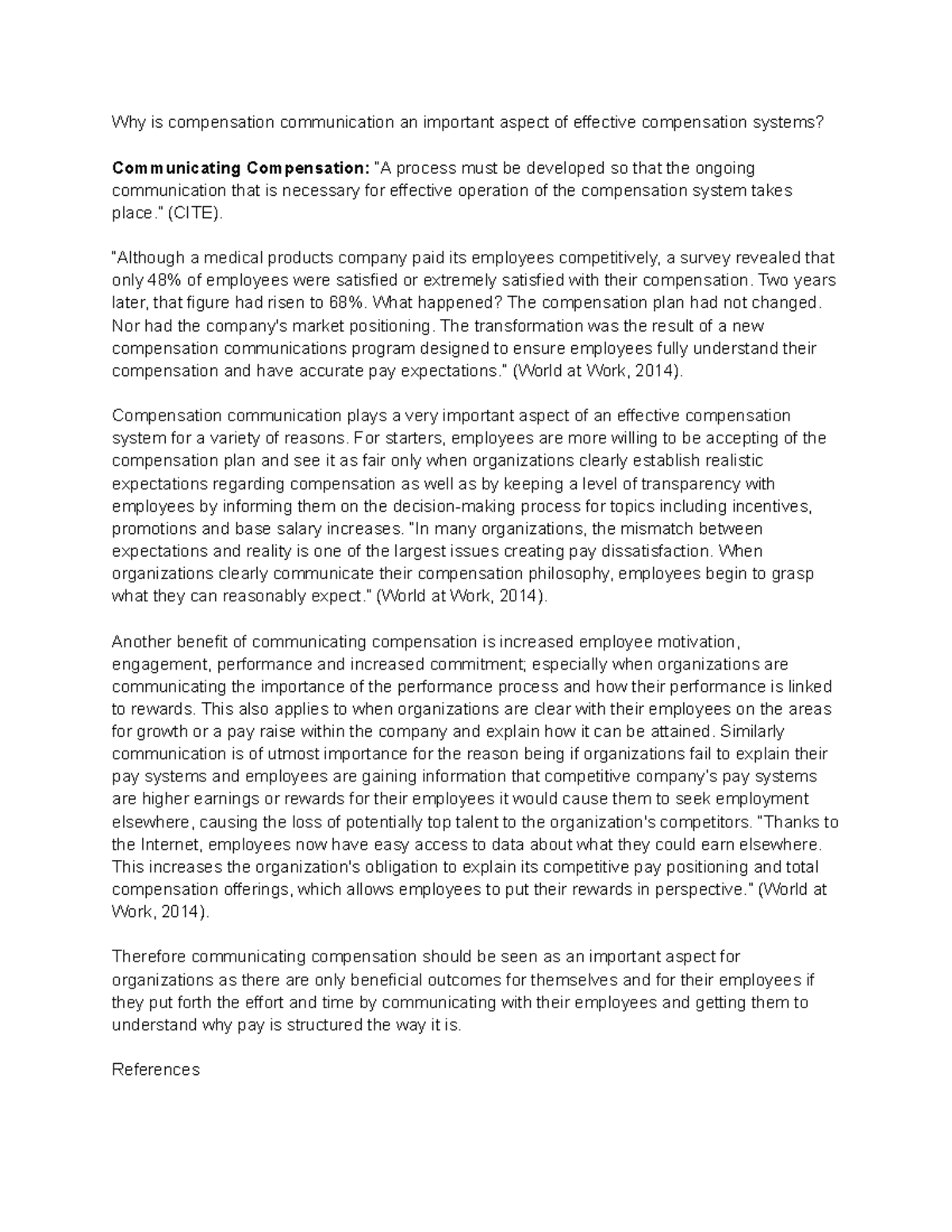
Compensation communication in the workplace is the structured process through which an organization shares information about pay philosophy, salary structures, benefits, performance bonuses, and equity with employees. Effective compens...
Compensation communication in the workplace is the structured process through which an organization shares information about pay philosophy, salary structures, benefits, performance bonuses, and equity with employees. Effective compensation communication translates complex remuneration practices into clear, transparent conversations, ensuring employees understand how their pay is determined, aligned with market rates, and tied to individual performance.
Contents
The Strategic Imperative of Modern Compensation Communication
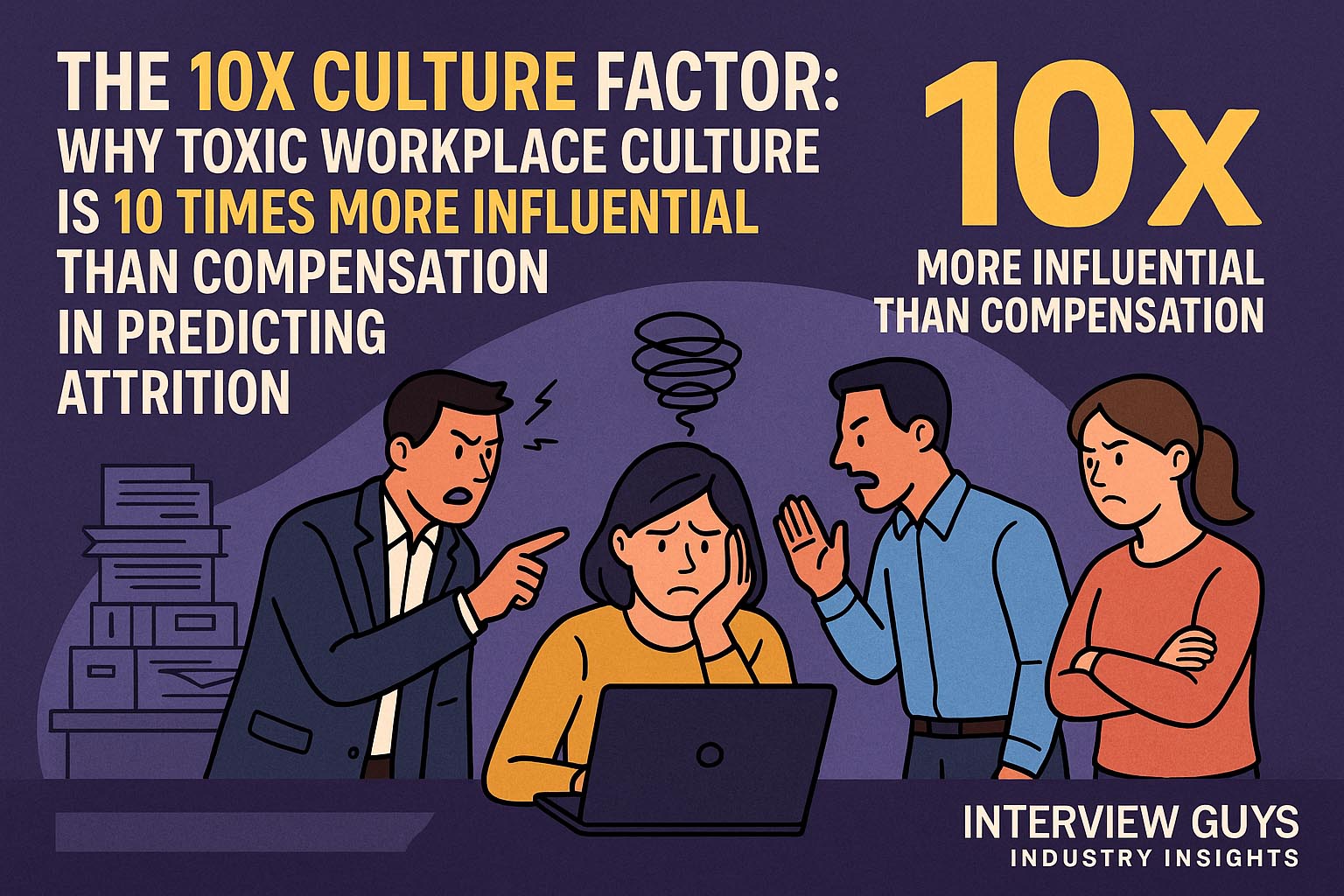
Compensation is no longer viewed solely as a financial transaction between employer and employee; it is a primary driver of retention, organizational trust, and workplace culture. Historically, corporate culture favored pay secrecy, relying on individual negotiations and non-disclosure norms. However, changing workforce expectations, remote work dynamics, and sweeping legislative mandates have forced organizations to adopt transparent compensation communication strategies.
When employees lack insight into how compensation decisions are made, they frequently assume pay disparities are arbitrary or unfair. According to research from the U.S. Bureau of Labor Statistics, labor compensation represents the single largest operational cost for most enterprise organizations. Failing to communicate the full value of that investment leads to employee disengagement, lower productivity, and increased turnover rates.
Clear compensation messaging bridges the gap between management intentions and employee perception. By communicating pay philosophy open-handedly, companies achieve several key objectives:
- Enhanced Retention and Recruitment: Candidates and current employees increasingly prioritize pay clarity over vague assurances of competitive pay.
- Mitigation of Pay Disparities: Transparent communication frameworks expose unintended equity gaps, allowing Human Resources teams to remediate systemic pay compressed bands or demographic pay gaps proactive to legal action.
- Increased Utilization of Benefits: Employees often undervalue total compensation because non-cash benefits (such as 401(k) matching, health premiums, or tuition reimbursement) are not routinely quantified or explained.
- Regulatory Compliance: Navigating mandatory pay range postings and salary reporting mandates requires standardized internal communication processes before external disclosures take place.
Core Components of a Compensation Communication Strategy
A comprehensive compensation communication strategy must address more than just base pay. It requires a holistic explanation of an employee's total monetary and non-monetary return on their labor.
1. The Compensation Philosophy Statement
An organization's compensation philosophy articulates its overarching stance on pay. It answers foundational questions: Does the company aim to pay at the 50th percentile of the market, or does it target the 75th percentile for high-demand technical roles? Is compensation heavily weighted toward base salary, or is it variable and performance-driven? Communicating this philosophy provides context for every individual compensation discussion.
2. Salary Structures and Banding Mechanics
Employees deserve to understand how their roles are classified within job architecture frameworks. This includes explaining salary bands, job levels, pay ranges, and market benchmark data. Organizations should clarify:
- How job families and tiers are defined.
- The sources of third-party market data used for benchmarking.
- The mechanics of broadbands, including salary range minimums, midpoints, and maximums.
- How individual placement within a pay range is determined (e.g., tenure, skill mastery, geographic location).
3. Total Rewards Statements
Base salary is usually only 60% to 70% of total compensation costs. Annual or real-time Total Rewards Statements aggregate the complete financial package provided to an employee. These statements should explicitly itemize:
- Direct financial pay (base salary, commission, bonuses, profit sharing).
- Indirect monetary benefits (employer contributions to health insurance, retirement plans, Health Savings Accounts).
- Paid time off (PTO, parental leave, sick leave, public holidays).
- Perks and development allowances (tuition assistance, professional memberships, equipment stipends).
- Equity and long-term incentives (stock options, Restricted Stock Units, performance shares).
Total Compensation = Base Salary + Variable Incentives + Employer Health/Welfare Contributions + Retirement Match + Equity Value + Perquisites
Navigating Pay Transparency Legislation
Organizations must align internal messaging with evolving statutory frameworks across North America and Europe. Compensation communication plans can no longer rely on localized policies when managing hybrid or global workforces.
United States State-Level Mandates
In the United States, states including California, New York, Washington, Colorado, and Illinois have enacted statutory pay transparency requirements. These laws require employers to disclose pay ranges in job postings, provide salary bands to current employees upon request, and prohibit asking candidates for their compensation history. Information about statutory compliance can be reviewed via the U.S. Equal Employment Opportunity Commission.
European Union Pay Transparency Directive
Within the European Union, member states must transpose the EU Pay Transparency Directive (Directive (EU) 2023/970) into national law. The directive establishes strict rules regarding gender pay gap reporting, bans pre-employment pay history inquiries, and grants workers the right to request information on average pay levels, broken down by gender, for categories of workers performing the same work or work of equal value.
| Jurisdiction | Mandatory Disclosure Rules | Impact on Internal Communication |
|---|---|---|
| California (USA) | Pay ranges required on job listings; pay scale history maintained for positions. | Requires standardized job architecture and public-facing pay transparency. |
| New York State (USA) | Must post minimum and maximum pay ranges for advertised jobs and promotions. | Forces alignment between internal career paths and external recruitment listings. |
| Colorado (USA) | Postings must include compensation, general benefits, and promotion opportunities. | Prompted early adoption of total rewards disclosures across remote job postings. |
| European Union | Public pay gap reporting; right to information on gender-neutral pay structures. | Requires formalized job evaluation criteria and regular employee pay audit statements. |
Compensation Communication Matrix by Channel and Audience
Effective communication relies on utilizing the right medium for each target group. The matrix below outlines how enterprise organizations structure pay communications across audiences.
| Communication Channel | Target Audience | Primary Content / Focus | Recommended Frequency |
|---|---|---|---|
| Company-Wide All-Hands | All Employees | Compensation philosophy, market adjustments, macro bonus pool performance. | Bi-annually or Annually |
| Total Rewards Dashboard | Individual Employees | Personalized breakdown of base pay, benefits, equity vesting, and perks. | Real-time / Always accessible |
| 1-on-1 Review Meetings | Direct Reports | Merit increases, promotion adjustments, performance evaluation outcomes. | Annually or Bi-annually |
| Manager Enablement Sessions | Line Managers & Directors | How to explain pay bands, navigate pay equity questions, and handle pushback. | Quarterly / Pre-review cycle |
| Job Advertisements & Portals | Candidates & Public | Standard salary ranges, health benefits summary, variable incentive targets. | Continuous (per posting) |
Step-by-Step Implementation Framework for HR Leaders
Building a resilient compensation communication program requires structured project planning. Below is a four-phase operational roadmap for People Operations teams.
- Phase 1: Architecture Audit
- Phase 2: Manager Training
- Phase 3: Total Rewards Rollout
- Phase 4: Feedback & Iteration
Phase 1: Standardize Job Architecture and Pay Bands
Before attempting to communicate pay structures, ensure the underlying compensation infrastructure is robust.
- Establish clear job families, career ladders, and leveling guidelines (e.g., Engineer I to Principal Engineer).
- Conduct market benchmarking using verified third-party salary surveys.
- Perform an internal pay equity audit to identify and remediate unwarranted wage compression or demographic disparities.
- Finalize defined minimums, midpoints, and maximums for every pay band.
Phase 2: Train Line Managers
Line managers deliver compensation decisions to employees. If managers cannot clearly explain why an employee received a specific merit increase, the trust in the compensation philosophy degrades.
- Provide managers with talking points on the company's compensation philosophy.
- Roleplay difficult conversations, such as explaining why an employee reached the top of their salary band (pay range ceiling).
- Equip managers with compensation software tools or total rewards summaries for each direct report.
Phase 3: Deliver Personalized Compensation Disclosures
Roll out communications directly to employees through self-service portals and structured 1-on-1 conversations.
- Distribute digital Total Rewards Statements ahead of compensation review cycles.
- Schedule dedicated compensation conversations separate from standard performance feedback reviews to allow focus on financial mechanics.
- Provide written documentation of all merit adjustments, promotional raises, or equity grants.
Phase 4: Gather Feedback and Measure Impact
Evaluate the efficacy of your communication strategy using measurable metrics.
- Include specific compensation clarity questions in regular pulse surveys (e.g., "I understand how my pay is calculated").
- Track compensation-related voluntary turnover trends.
- Review candidate drop-off rates linked to salary disclosures during hiring processes.
Manager Enablement: Training Leaders for Compensation Conversations
The weakest link in compensation communication is often manager execution. HR teams must equip managers with actionable frameworks to handle sensitive salary discussions without deflecting blame onto senior leadership or Human Resources.
Avoiding Script Pitfalls
Managers frequently rely on defensive phrasing that damages trust. Training should actively replace weak language with transparent context.
Weak Response: "I wanted to give you a higher raise, but HR capped my budget."
Transparent Response: "Merit increases were allocated based on performance calibration across the team and your current positioning within your pay band. Because you are currently near the band midpoint, your 4% increase reflects strong performance while keeping your salary aligned with the external market."
Weak Response: "We pay market rate, so this offer is non-negotiable."
Transparent Response: "Our pay bands are benchmarked annually against industry compensation data for tech companies of our size. This offer reflects the 65th percentile for your job level and location, ensuring competitive and equitable compensation relative to your peers."
Common Pitfalls in Compensation Communication
Organizations often encounter hurdles when transitioning to transparent pay models. Recognizing these common mistakes helps HR teams avoid operational friction.
- Communicating Base Pay in Isolation: Failing to emphasize employer-paid healthcare, equity, and retirement contributions leads employees to compare base salaries directly with competitor job listings that may lack comparable benefit packages.
- Conducting Pay Discussions During Performance Appraisals: When performance appraisals and salary adjustments are discussed simultaneously, employees often focus solely on the monetary outcome, missing actionable performance feedback. Decoupling performance reviews from compensation notifications yields better engagement on both fronts.
- Lacking Up-to-Date Market Data: Communicating outdated salary bands erodes credibility quickly. If salary bands are based on data that is several years old, high-performing employees will recognize the discrepancy against real-time market rates.
- Neglecting Remote Pay Differentials: For remote-first or hybrid organizations, failing to communicate geographic pay strategies leads to friction. HR must clearly outline whether pay is tied to national averages, high-cost-of-living tiers, or localized labor markets.
Frequently Asked Questions
What is compensation communication in the workplace?
Compensation communication is the process by which an employer informs employees about pay strategies, total rewards, salary bands, benefits, and performance bonuses. It covers both organization-wide policies and individual pay notifications.
Why is pay transparency important in compensation communication?
Pay transparency builds workplace trust, reduces pay gaps, aligns employee expectations with business performance, and ensures compliance with statutory mandates such as state-level pay range posting laws and the EU Pay Transparency Directive.
How often should an organization communicate total rewards to employees?
Companies should make total rewards data accessible continuously via employee self-service portals. Formally, personalized Total Rewards Statements should be presented annually, ideally prior to annual performance and compensation review cycles.
How should HR handle employees who feel they are underpaid relative to the market?
HR should provide a transparent explanation of the company’s compensation philosophy and benchmarking sources. Review the employee's role against updated salary survey data, assess their positioning within their pay band, and outline a path for compensation growth tied to career progression or skill development.
What is the role of line managers in compensation communication?
Line managers are the primary communicators of compensation decisions to individual employees. They must be trained to explain salary structures, discuss merit increases, clarify bonus calculations, and address compensation concerns confidently without shifting responsibility to HR.
Next Steps for Human Resources Leaders
To modernize your organization's compensation communication strategy, begin by auditing your current communication maturity level. Assess whether your job architecture is clearly defined, ensure your salary ranges are up to date against verifiable market surveys, and establish a manager training curriculum ahead of your next annual compensation cycle. By shifting from reactive pay disclosures to a proactive, transparent compensation communication model, organizations build long-term trust, increase total reward appreciation, and improve employee retention.
Image Gallery