ALPA Term Life Insurance Quotes: A Comprehensive Guide for Airline Pilots in 2026
Obtaining ALPA term life insurance quotes involves accessing the Air Line Pilots Association (ALPA) member portal to review group rates underwritten by MetLife. These quotes offer specialized coverage for commercial pilots, featuring a...
Obtaining ALPA term life insurance quotes involves accessing the Air Line Pilots Association (ALPA) member portal to review group rates underwritten by MetLife. These quotes offer specialized coverage for commercial pilots, featuring age-based premiums, high coverage limits up to $1 million, and the removal of standard aviation exclusions typically found in private policies.
Contents
For professional pilots, life insurance is not merely a financial safety net; it is a critical component of a career-long risk management strategy. Because the aviation profession involves unique medical requirements and operational risks, standard off-the-shelf life insurance policies often include restrictive clauses or "aviation exclusions" that can render a policy useless in the event of a flight-related incident. The ALPA Group Term Life Insurance program, designed specifically for members of the Air Line Pilots Association, International, addresses these gaps by providing industry-specific protection. As of 2026, these plans continue to serve as the primary or supplemental coverage for tens of thousands of flight deck professionals across the globe.
Understanding the ALPA Insurance Program Structure
The ALPA insurance suite is a negotiated group benefit. Unlike individual policies you might find on the open market, these programs are "sponsored" by the union and underwritten by major financial institutions—historically and currently through Metropolitan Life Insurance Company (MetLife). The scale of the ALPA membership allows for collective bargaining power, which results in competitive premiums and more lenient underwriting than many retail products.
The program is divided into several tiers, allowing pilots to customize their coverage based on their career stage, family obligations, and existing employer-provided benefits. While many airlines offer a "Basic Life" policy as part of their collective bargaining agreement (CBA), these are often capped at a multiple of the pilot's salary (e.g., 2x or 3x annual earnings). For many, especially those with young families or significant mortgage debt, this employer-sponsored base is insufficient, making ALPA’s supplemental term insurance a vital tool.
Eligibility and Membership Requirements
To receive a quote and qualify for coverage, an individual must be an ALPA member in good standing. This includes:
- Active Members: Pilots currently flying for an ALPA-represented carrier.
- Apprentice Members: New hires during their initial probationary period.
- Executive Active Members: Members serving in union leadership roles.
- Retired Members: Those who have finished their flying careers but wish to maintain coverage (subject to specific age limits and conversion rules).
If membership lapses or the pilot moves to a non-ALPA carrier, the "portability" of the policy becomes a key concern. In 2026, most ALPA term policies allow for a conversion to an individual policy, though the premiums may adjust to reflect the loss of the group discount.
Key Features of ALPA Term Life Insurance in 2026
When analyzing ALPA term life insurance quotes, it is essential to look beyond the monthly premium. The value of the policy lies in its specific provisions tailored to the aviation environment.
1. Removal of Aviation Exclusions
Standard life insurance policies often exclude coverage if the death occurs while the insured is acting as a crew member of an aircraft. For a professional pilot, this exclusion is a deal-breaker. ALPA’s group policy specifically covers "death by any cause," including aviation-related accidents, whether they occur during Part 121 commercial operations, general aviation flying, or even flight instruction.
2. High Coverage Limits
As of 2026, ALPA members can apply for coverage amounts that significantly exceed standard group offerings. While basic levels often start at $50,000, members can typically seek up to $1,000,000 or more in supplemental term life. This allows senior captains with high earning potential to protect their family's lifestyle effectively.
3. Step-Rate Premium Structure
Most ALPA term insurance follows a "step-rate" model. This means that premiums are not locked in for 20 or 30 years like a "Level Term" policy. Instead, rates are grouped into five-year age brackets (e.g., ages 30–34, 35–39). As you move into a higher age bracket, your premium increases. This makes the insurance extremely affordable for younger pilots but requires careful financial planning as one approaches the end of their career.
4. Dependency and Spouse Coverage
The program extends beyond the pilot. Spouses and domestic partners can often be covered under the same group rates, and there are provisions for child coverage. This holistic approach ensures that the entire household's financial stability is protected under a single administrative umbrella.
Comparing ALPA Term Life vs. Private Individual Policies
Pilots often face a dilemma: should they rely on the ALPA group plan or seek an individual level-term policy? The answer depends on your health, age, and long-term career goals.
| Feature | ALPA Group Term (MetLife) | Private Level-Term Policy |
|---|---|---|
| Aviation Exclusions | None; fully covered. | Often requires an "Aviation Rider" with extra cost. |
| Premium Stability | Increases every 5 years (Step-rate). | Guaranteed fixed rate for 10–30 years. |
| Medical Underwriting | Often simplified; may require "Statement of Health." | Comprehensive exam; strict on FAA medical history. |
| Portability | Tied to ALPA membership/Conversion rules. | Independent of employer or union status. |
| Cost (Young Pilot) | Very Low. | Moderate. |
| Cost (Older Pilot) | High (due to age brackets). | Fixed (if purchased young). |
One of the primary advantages of the ALPA quote is the ease of entry. While a private insurer might scrutinize every detail of your FAA First Class Medical records or ask about "hazardous" layover locations, the ALPA program is designed with the assumption that the applicant is a professional aviator. This doesn't mean there is no underwriting—larger coverage amounts still require medical evidence—but the process is generally more streamlined for the pilot.
How to Obtain and Evaluate Your Quote
In 2026, the process for obtaining an ALPA term life insurance quote is primarily digital, managed through the ALPA Member Insurance portal.
- Log in to the ALPA Member Portal: Use your ALPA credentials to access the insurance section. This ensures the quotes you see are specific to your membership tier and airline.
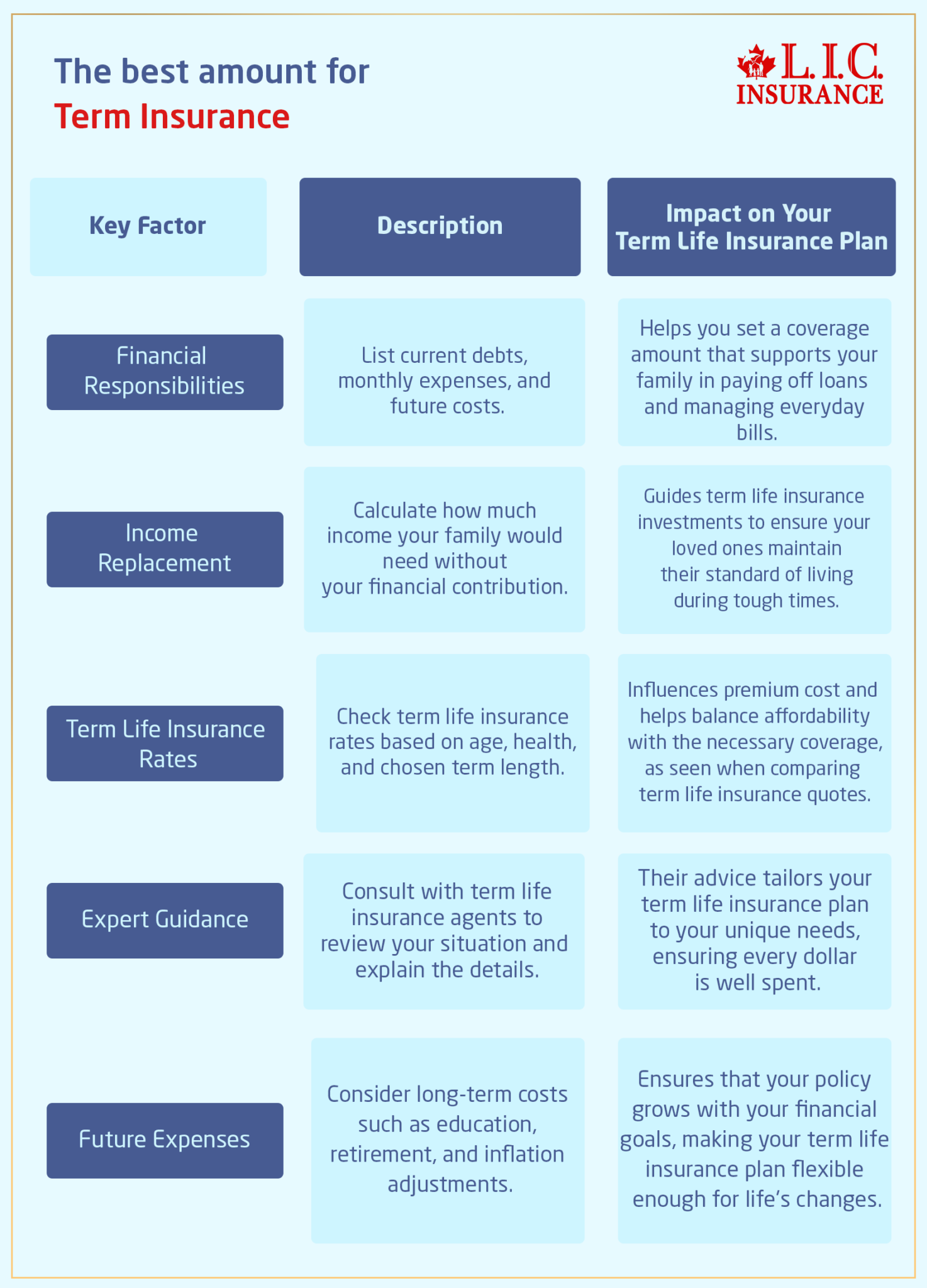
- Define Your Coverage Needs: Use a "needs analysis" calculator. Consider your total debt, future education costs for children, and the income replacement needed for your spouse.
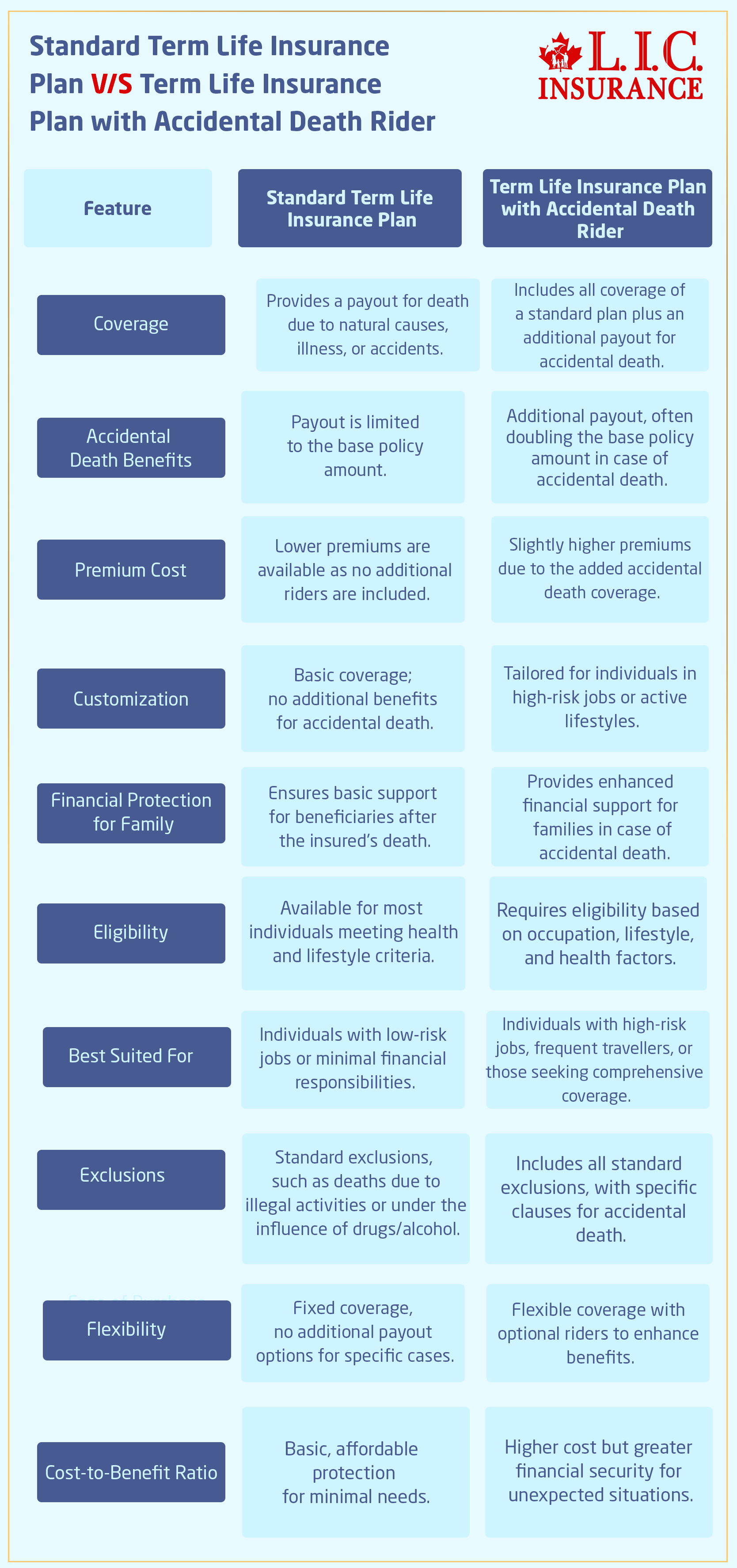
- Select the Product: Choose between the "Member Group Term Life" and any additional "Accidental Death & Dismemberment" (AD&D) riders.
- Review the Age-Band Projections: Do not just look at your current premium. Look at what the policy will cost you 10 and 20 years from now. Because ALPA uses step-rates, the "cheap" policy at age 32 could become quite expensive at age 57.
- Complete the Statement of Health (SOH): For amounts above a certain threshold (often $200,000 or $300,000), you will need to answer medical questions. In 2026, this is often done via a secure e-form that provides instant or near-instant preliminary decisions.
Common Pitfalls and Troubleshooting
When navigating ALPA insurance, there are a few common mistakes that pilots should avoid to ensure they are not left underinsured.
Relying Solely on Employer Basic Life
Many pilots assume their airline’s "Basic Life" is enough. However, if you lose your job, go on long-term disability, or the airline enters bankruptcy, that coverage can vanish or become prohibitively expensive to port. Having supplemental ALPA coverage provides a secondary layer of protection that is tied to your union membership rather than your specific employer's payroll.
Ignoring the "Loss of License" Distinction
It is crucial to distinguish between Life Insurance and Loss of License (Income Protection) Insurance. Term life insurance only pays out upon death or terminal illness. It does not provide financial support if you lose your FAA medical certificate. ALPA offers separate disability and Loss of License products; your term life quote will not cover medical grounding.
Smoking and Health Status
Even in 2026, tobacco use remains a major factor in premium costs. ALPA quotes distinguish between "Smoker" and "Non-Smoker" rates. If you have used tobacco in the last 12 to 24 months, your quotes will be significantly higher. Conversely, if you have recently quit, you may be eligible to re-apply for non-smoker rates after a designated period.
Frequently Asked Questions
Does ALPA term life insurance cover me if I fly for a hobby?
Yes. Unlike many retail policies that exclude "private pilot activities" or "experimental aircraft," the ALPA group term life policy generally covers all legal flying activities. This makes it an excellent choice for airline pilots who also fly GA (General Aviation) aircraft on their days off.
What happens to my policy if my airline's contract changes?
The ALPA insurance program is separate from your airline’s specific Collective Bargaining Agreement (CBA). While your airline might provide some life insurance through the contract, the supplemental ALPA policies are union-wide. As long as you remain an ALPA member and pay your premiums, your coverage remains in effect regardless of contract negotiations at your specific carrier.
Is a medical exam required for ALPA insurance in 2026?
It depends on the amount of coverage you are requesting. For lower coverage amounts, a "Statement of Health" (a questionnaire) is often sufficient. For higher limits (typically over $500,000), the underwriter (MetLife) may require a paramedical exam, which includes blood work and a physical.
Can I keep my ALPA term life insurance after I retire?
Yes, but the terms change. Most ALPA group policies allow members to continue coverage into retirement, though the maximum coverage amount usually decreases once you reach age 70 or 75, and premiums will continue to rise based on the age-step brackets.
How do I file a claim for ALPA life insurance?
In the event of a member's death, the beneficiary should contact the ALPA Member Insurance Department directly. They provide a dedicated representative to assist families through the MetLife claims process, which is often faster than navigating a standard corporate HR department.
Expert Recommendation for 2026
For most pilots, the best strategy is a "laddered" approach. Use the ALPA Term Life Insurance program to secure a high-value base of coverage that specifically protects against aviation-related risks without the hassle of restrictive riders. However, if you are young and in excellent health, you should also consider getting a quote for a private 20-year level-term policy. By locking in a fixed rate for a portion of your coverage, you can hedge against the rising step-rate costs of the ALPA plan as you get older.
Always ensure that your total coverage (Employer Basic + ALPA Supplemental + Private) equals approximately 10 to 15 times your annual income. This ensures that in the event of a tragedy, your family can clear all debts and maintain their standard of living without your salary.
Image Gallery