The Big Meech Chain Cost and Controversy: The Legacy of BMF Jewelry
The Big Meech chain, specifically the iconic "B.M.F." medallion, is estimated to cost between $250,000 and $500,000 depending on the specific iteration and diamond quality. Its controversy stems from its use as primary evidence in the...
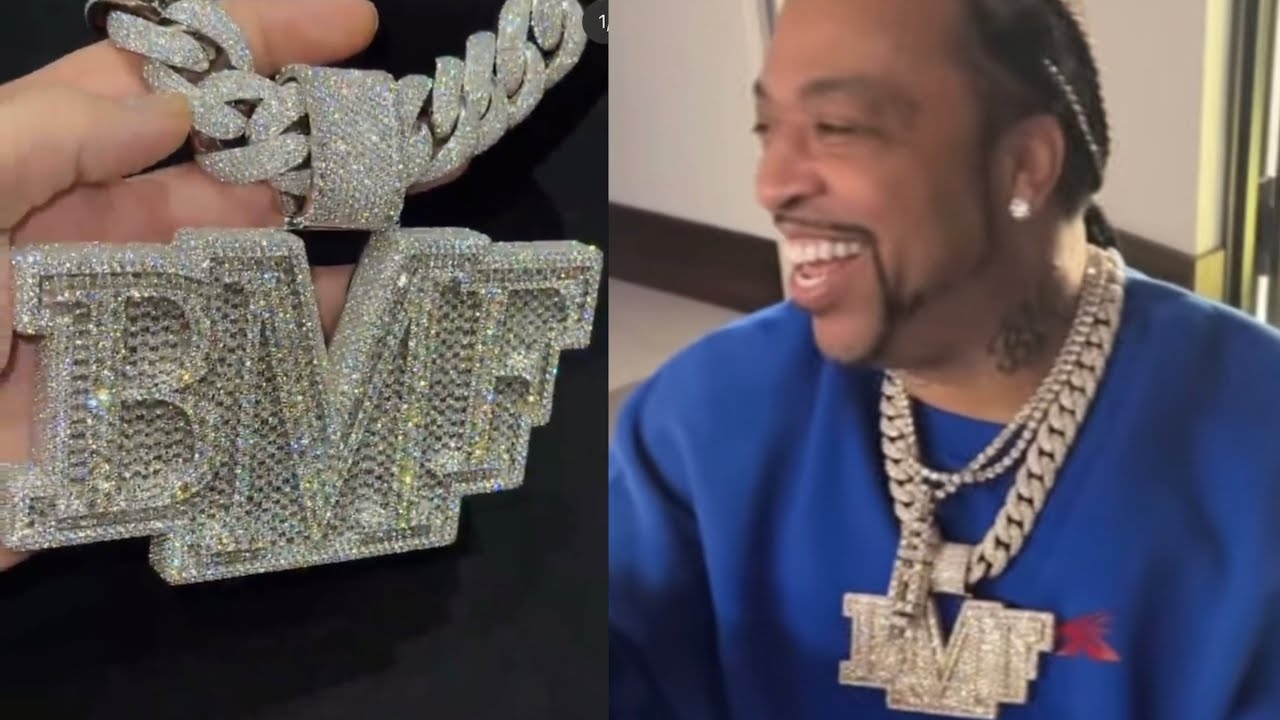
The Big Meech chain, specifically the iconic "B.M.F." medallion, is estimated to cost between $250,000 and $500,000 depending on the specific iteration and diamond quality. Its controversy stems from its use as primary evidence in the federal RICO case against the Black Mafia Family and its status as a symbol of illicit luxury.
Contents
The Origins and Symbolism of the BMF Medallion
Demetrius "Big Meech" Flenory, the co-founder of the Black Mafia Family (BMF), understood the power of branding long before it became a standard practice in the music and lifestyle industries. In the early 2000s, jewelry was not merely an accessory for Flenory; it was a uniform and a corporate identifier. The "B.M.F." chain was the pinnacle of this branding strategy.
Commissioned during the height of BMF's influence, these chains were often crafted by high-end jewelers like Jacob Arabo (Jacob the Jeweler), who was famously associated with the hip-hop elite of the era. The primary medallion featured the letters "B.M.F." in heavy gold, encrusted with hundreds of carats of diamonds. For Meech, the chain represented "The World is Yours" mentality, a nod to the influence he held across the United States.
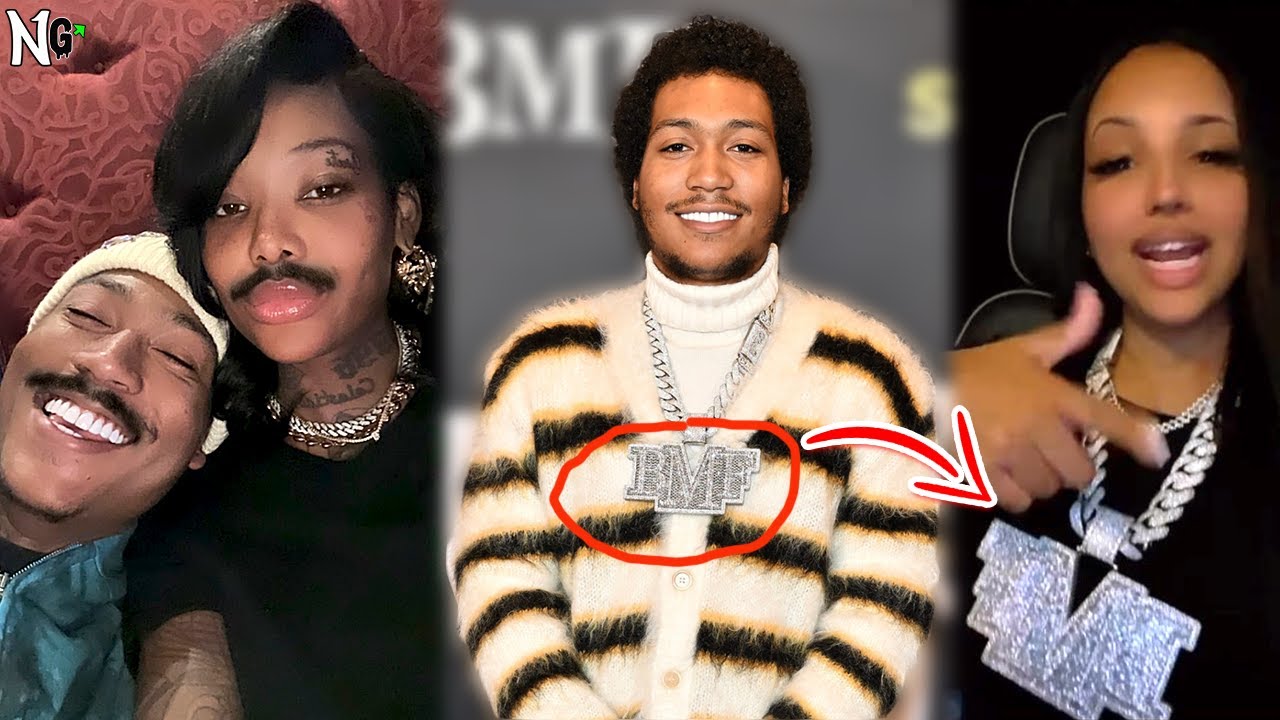
However, the symbolism extended beyond Meech himself. He reportedly commissioned smaller versions or variations for high-ranking members of the organization. This created a hierarchy within the group, where the "B.M.F." chain served as a badge of loyalty and rank. This extreme visibility, while effective for building a legend, eventually became a focal point for federal investigators who tracked the organization's wealth.
Analyzing the Big Meech Chain Cost and Technical Specifications
When discussing the cost of the Big Meech chain, one must account for the inflation of luxury goods and the fluctuating price of gold and diamonds. In the early 2000s, a $250,000 piece was a massive investment; in 2026, the historical and "provenance" value of such a piece would likely push its auction price into the millions, were it ever to be sold legally.
Materials and Craftsmanship
The original medallions were typically cast in 14k or 18k yellow or white gold. The sheer weight of the gold alone contributed significantly to the base cost. However, the true value lay in the "iced-out" finish.
- Carat Weight: Most high-level BMF medallions featured between 50 and 150 carats of diamonds.
- Diamond Quality: While some street-level jewelry uses lower-grade stones, Meech was known for requesting VS (Very Slightly Included) to VVS (Very, Very Slightly Included) clarity stones to ensure maximum brilliance under club lights.
- Custom Tooling: The "spinning" mechanisms found in some later versions of the BMF jewelry added technical complexity and labor costs, as the balance of the medallion had to be perfect to spin smoothly without catching.
Comparative Value Table
The following table provides an estimate of the different jewelry tiers associated with the Flenory era and their estimated valuations.
| Piece Description | Estimated Original Cost | Estimated Carat Weight | Current Status (2026) |
|---|---|---|---|
| Primary B.M.F. Medallion | $250,000 - $500,000 | 100+ Carats | Federal Seizure / Evidence |
| "Southwest T" Multi-Link Chain | $150,000 - $200,000 | 60-80 Carats | Private Collection / Forfeited |
| BMF "Inner Circle" Pendants | $25,000 - $50,000 | 10-20 Carats | Various / Secondary Market |
| BMF Commemorative Rings | $10,000 - $15,000 | 5-8 Carats | Various |
The Federal Controversy: Jewelry as Evidence
The most significant controversy surrounding the Big Meech chain is its role in the legal downfall of the Black Mafia Family. During the 2005 DEA "Operation Motor City Mafia" and subsequent indictments, the jewelry was not viewed as personal property but as proceeds of a Continuing Criminal Enterprise (CCE).
Federal prosecutors argued that the chains were bought with laundered money. Under civil forfeiture laws, the government seized millions of dollars worth of jewelry from the Flenory brothers and their associates. The "Big Meech chain" became Exhibit A in demonstrating the "unexplained wealth" of the organization. Because Flenory had no legitimate source of income that could justify a half-million-dollar necklace, the jewelry itself became a silent witness against him.
Furthermore, the "loyalty chains" given to associates helped the FBI map the organization's hierarchy. If an individual was caught wearing a BMF pendant, it was often used as circumstantial evidence of their membership in the conspiracy. This turned a symbol of pride into a liability, leading to a period where wearing the brand was considered a "legal death sentence" for those still under investigation.
The Cultural Impact and the Starz "BMF" Series
By 2026, the legacy of the Big Meech chain has been further cemented by the Starz television series BMF. The show’s production designers went to great lengths to recreate the specific aesthetic of the jewelry, sparking a renewed interest in "Big Meech chain cost and controversy" among a younger generation.
The series portrays the chain as a central plot device, symbolizing the moment the brothers transitioned from local players to national icons. This media portrayal has contributed to a "second life" for the controversy. It has also led to a market for high-quality replicas, which creates its own set of issues. Genuine members of the original BMF organization have often spoken out against those wearing "fake" BMF chains, viewing it as a sign of disrespect to the original struggle and the years the Flenory brothers spent incarcerated.
The controversy also extends to the jeweler, Jacob Arabo. His association with the BMF chains led to his own legal troubles, including a prison sentence for his involvement in a money-laundering conspiracy related to the BMF case. This solidified the narrative that the jewelry was intrinsically linked to the criminal activity of the era.
Current Status in 2026: Where are the Chains Now?
As of 2026, Demetrius "Big Meech" Flenory has moved into a new phase of his life following his release to community confinement in late 2024 and his transition toward full supervised release. However, the original jewelry remains largely in the hands of the U.S. Marshals Service.
Typically, seized jewelry from RICO cases is sold at government auctions. However, because of the "B.M.F." branding, some pieces were purportedly melted down to prevent the glorification of the criminal enterprise, while others were stripped of their stones. There are persistent rumors in the collectors' market that a few original pieces escaped seizure and are held by family members or high-level associates who were never caught, but these claims remain unverified.
The "BMF" brand has since been legally trademarked for entertainment purposes, shifting the focus from the physical gold to the intellectual property. The controversy today is less about the crime and more about who has the right to profit from the BMF name and likeness in the fashion and film industries.
FAQ: Understanding the BMF Jewelry Legacy
How much did the most expensive BMF chain cost?
The most expensive primary medallion owned by Big Meech is estimated to have cost approximately $500,000 at the time of purchase. When factoring in the custom design by Jacob the Jeweler and the high-grade diamonds used, the value was unprecedented for the early 2000s street culture.
Was the Big Meech chain ever found or sold?
Most of the original BMF jewelry was seized by the DEA and U.S. Marshals during the 2005-2008 raids. These items were processed through the Department of Justice's asset forfeiture program. While some pieces were sold at auction, many of the highly recognizable branded pieces were reportedly dismantled or kept as evidence for the duration of the long-running legal proceedings.
Why was Jacob the Jeweler involved in the controversy?
Jacob Arabo (Jacob the Jeweler) was accused of helping BMF members launder drug money by accepting large cash payments for jewelry and failing to file the required IRS forms. He eventually pleaded guilty to falsifying records and providing false statements, serving a prison sentence as a direct result of his business dealings with the Flenory organization.
Are there replicas of the Big Meech chain available today?
Yes, in 2026, many custom jewelers offer "tribute" or replica BMF pendants. However, these are not official products and are often criticized by original BMF associates. The "official" BMF aesthetic is now mostly seen on screen in the Starz series rather than in the streets.
Did Big Meech get his jewelry back after his release?
No. Assets seized under federal forfeiture laws are permanently lost to the government upon conviction. Even following his release from prison to a halfway house and subsequent supervised release, the original jewelry remains government property or has been liquidated.
Final Recommendation for Researchers and Collectors
When investigating the "Big Meech chain cost and controversy," it is essential to distinguish between the historical artifacts and the modern-day replicas seen in pop culture. The original chains were not just fashion statements; they were the financial and symbolic architecture of one of the largest criminal organizations in American history.
For those interested in the history of hip-hop jewelry or criminal justice, the BMF story serves as a cautionary tale about how "conspicuous consumption" can lead to federal surveillance. If you are looking to purchase BMF-related items, ensure they are licensed through the official Flenory family channels or the BMF production entities to avoid supporting counterfeit markets or unverified historical claims.
Image Gallery