Addressing Water Pollution in Mexico: Challenges, Impacts, and Solutions for 2026
Water pollution in Mexico remains a critical systemic challenge in 2026, driven by rapid industrialization, aging municipal infrastructure, and intensive agricultural practices. Addressing this crisis requires a multi-faceted approach...
Water pollution in Mexico remains a critical systemic challenge in 2026, driven by rapid industrialization, aging municipal infrastructure, and intensive agricultural practices. Addressing this crisis requires a multi-faceted approach involving advanced wastewater treatment technologies, stricter enforcement of environmental regulations by CONAGUA, and significant public-private investment to restore the health of the nation's vital river basins and aquifers.
Contents
The Landscape of Water Quality in Mexico
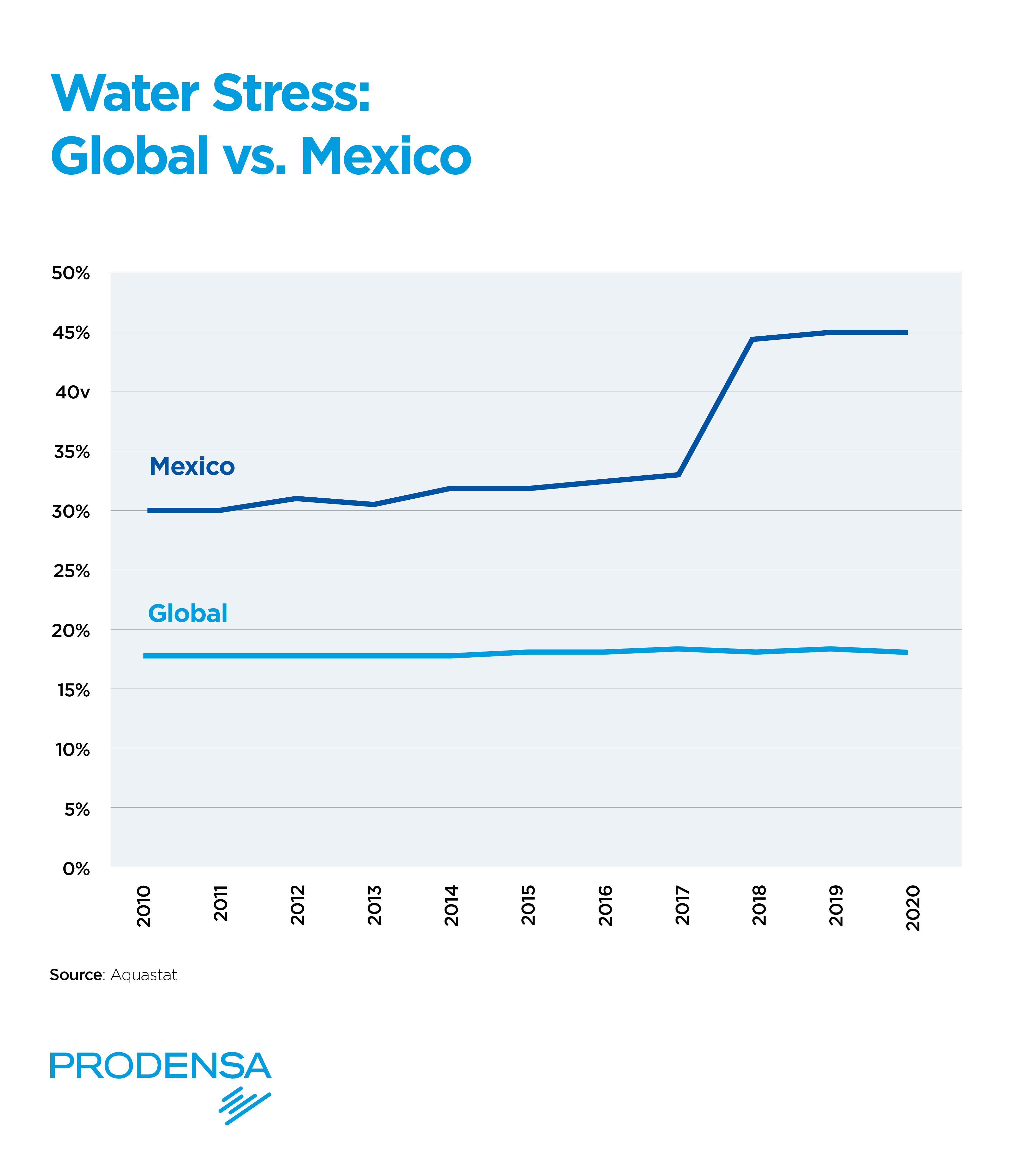
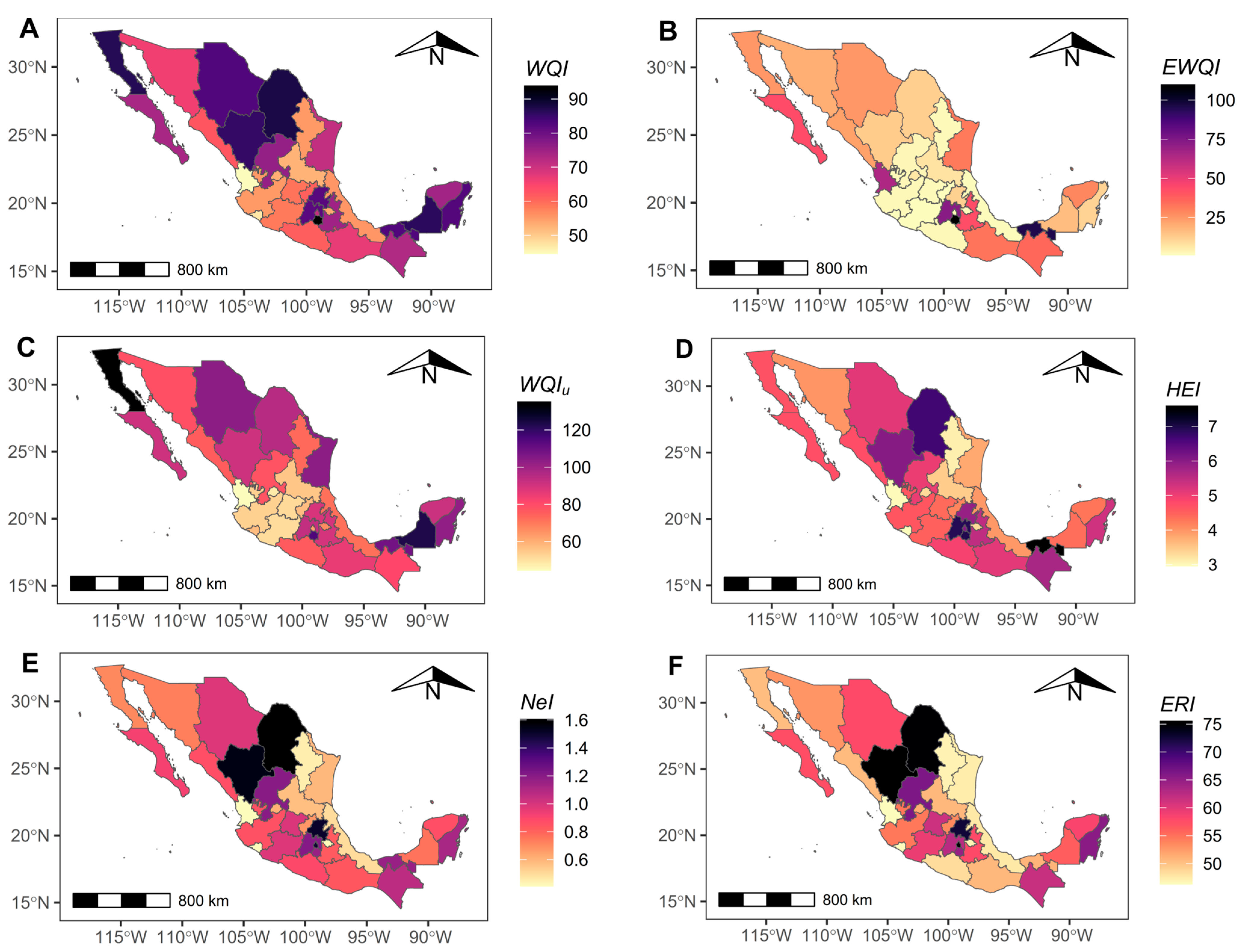
As of 2026, the state of water quality in Mexico reflects decades of tension between economic growth and environmental preservation. While Mexico possesses diverse water resources—from the tropical rivers of the south to the vast aquifers of the north—the distribution of quality is highly unequal. Data from the Comisión Nacional del Agua (CONAGUA) indicates that a significant percentage of the country’s surface water remains classified as "polluted" or "highly polluted," primarily due to chemical oxygen demand (COD) and biochemical oxygen demand (BOD) levels that exceed safety thresholds.
The crisis is not merely an environmental concern but a direct threat to public health and economic stability. In urban centers like Mexico City and Guadalajara, the reliance on overexploited aquifers leads to land subsidence and the infiltration of pollutants into the deep-water supply. Meanwhile, in rural areas, untreated wastewater often flows directly into irrigation channels, creating a dangerous cycle where contaminated water is used to grow the nation's food supply.
Understanding the Primary Contaminants
To address the issue, one must first categorize the pollutants most prevalent in Mexican waterways:
- Organic Matter: Largely from untreated domestic sewage, leading to oxygen depletion in aquatic ecosystems.
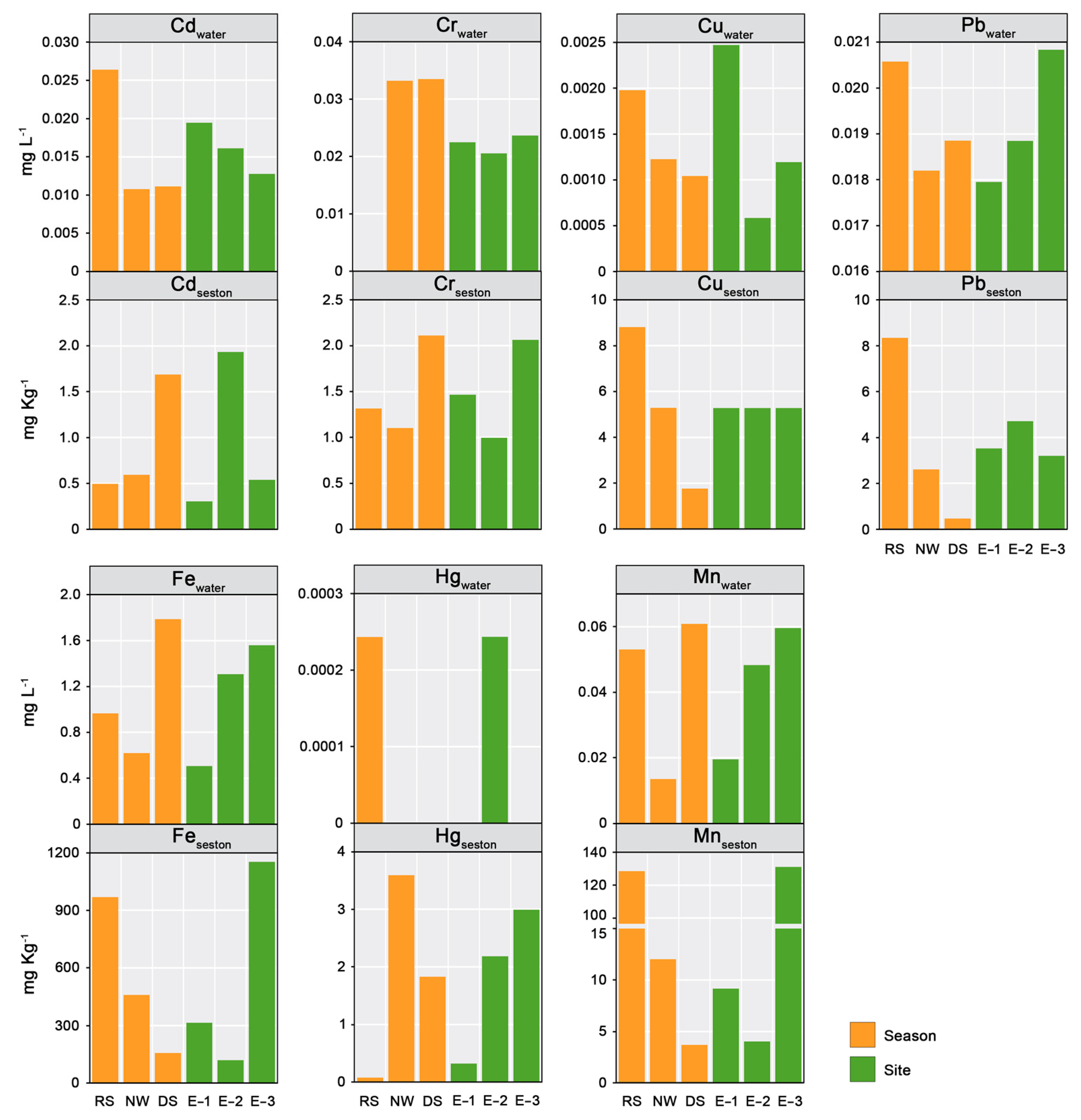
- Heavy Metals: Including lead, mercury, and arsenic, often found in industrial corridors like the Lerma-Santiago basin.
- Nutrients: Nitrogen and phosphorus from agricultural fertilizers, causing eutrophication in lakes like Chapala and Patzcuaro.
- Pathogens: Fecal coliforms resulting from inadequate sanitation infrastructure, contributing to waterborne diseases.
Major Sources of Pollution in 2026
The sources of water degradation in Mexico are diverse, but they generally fall into three primary categories: industrial discharge, municipal waste, and agricultural runoff.
Industrial Corridors and Heavy Metals
Mexico’s manufacturing sectors—including textiles, chemicals, food processing, and electronics—are major contributors to water toxicity. Many industrial facilities are concentrated along specific river basins. The Atoyac River in Puebla and the Santiago River in Jalisco are infamous examples where industrial effluents have historically bypassed treatment protocols. Despite updated regulations in recent years, "non-point" industrial discharge remains a hurdle, where smaller shops or clandestine operations dump waste into municipal sewers not equipped to handle toxic chemicals.
Municipal Wastewater Management
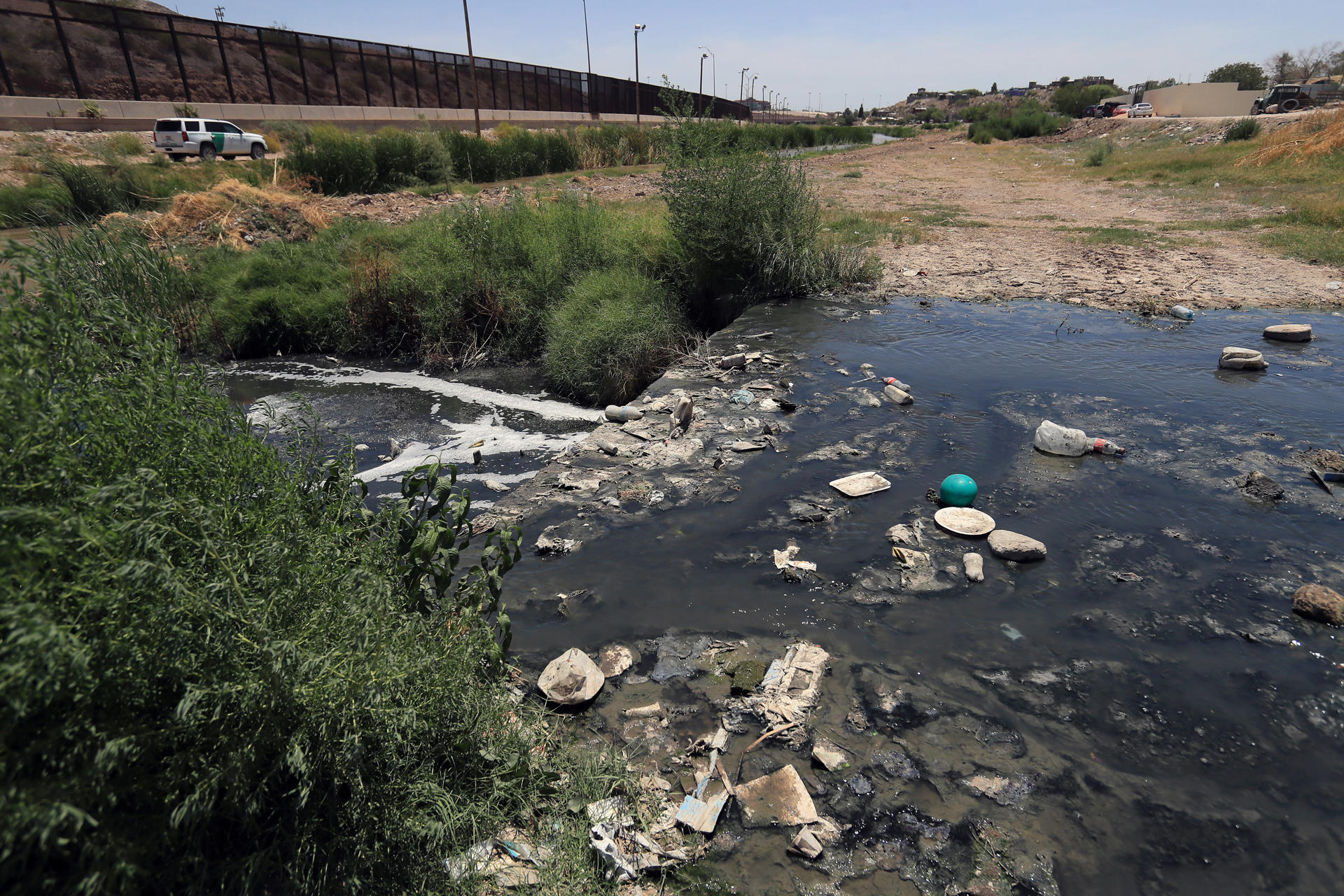
Perhaps the most persistent challenge is the management of municipal sewage. While the number of wastewater treatment plants (WWTPs) has increased, many operate below capacity or are entirely defunct due to high operational costs and lack of technical expertise at the local level. In many municipalities, the cost of electricity required to run aeration pumps is prohibitive, leading to facilities being abandoned shortly after construction. This results in millions of cubic meters of raw sewage being discharged into rivers and oceans daily.
Agricultural Runoff and Pesticides
In the northern and coastal plains, intensive agriculture is the primary driver of water quality decline. The use of agrochemicals is widespread, and during the rainy season, these chemicals wash into surface waters. In the Yucatán Peninsula, the unique karst topography—characterized by porous limestone—allows agricultural chemicals and waste from massive hog farms to seep directly into the underground aquifer system (cenotes), which is the region's only source of fresh water.
Regional Hotspots and Their Impact
The severity of water pollution varies significantly by region, with certain "red zones" requiring urgent intervention.
| Region/Water Body | Primary Pollutants | Major Source | Impacted Population/System |
|---|---|---|---|
| Lerma-Santiago Basin | Heavy metals, VOCs, organic waste | Industrial & Municipal | Over 10 million people; severe ecosystem degradation. |
| Atoyac River (Puebla) | Textiles dyes, lead, detergents | Textile industry & Urban runoff | High rates of gastrointestinal and skin diseases in local towns. |
| Yucatán Aquifer | Nitrates, fecal coliforms | Pig farming & Tourism sewage | Critical threat to the "Riviera Maya" tourism and biodiversity. |
| Lake Chapala | Nutrients, sediment, metals | Agriculture & Upstream industry | Primary water source for Guadalajara; fluctuating toxicity levels. |
| Comarca Lagunera | Arsenic (Natural and Anthropogenic) | Over-extraction & Mining | Chronic arsenic poisoning (arsenicism) in local residents. |
The Crisis in the Lerma-Santiago River
Often referred to as one of the most polluted river systems in North America, the Lerma-Santiago receives waste from thousands of factories. In 2026, the "toxic foam" often seen on the river's surface serves as a visual reminder of the persistent presence of surfactants and industrial chemicals. Chronic exposure to these waters has been linked by health researchers to increased incidences of kidney disease and cancer in riverside communities such as El Salto and Juanacatlán.
Regulatory Framework and Enforcement Challenges
Mexico has a robust legal framework on paper, primarily governed by the Ley de Aguas Nacionales (National Water Law). This law empowers CONAGUA to manage water concessions and monitor discharge quality. However, several factors hinder effective regulation:
- Budgetary Constraints: CONAGUA’s oversight capabilities are often limited by budget cuts, reducing the number of inspectors available to monitor thousands of discharge points.
- Corruption and Subterfuge: Some entities find it more "cost-effective" to pay fines—or bypass them through illicit means—than to invest in sophisticated primary and secondary treatment systems.
- Jurisdictional Overlap: The division of responsibility between federal, state, and municipal authorities often leads to "buck-passing," where no single entity takes full accountability for the cleanup of a shared waterway.
In 2026, there is a growing push for the Right to Water, a constitutional mandate in Mexico, to be enforced through the judicial system. Amparo lawsuits (injunctions) filed by environmental groups are increasingly forcing the government to take specific actions on river restoration.
Technological and Policy Solutions
Solving Mexico's water pollution crisis requires transitioning from reactive "end-of-pipe" treatments to proactive, circular water management.
Advanced Wastewater Treatment
Modernizing Mexico’s WWTPs involves moving beyond simple primary sedimentation. Technologies such as Membrane Bioreactors (MBR) and Reverse Osmosis (RO) are becoming essential, especially in regions where water reuse is mandatory for industry. By treating wastewater to a standard where it can be used for cooling towers or irrigation, municipalities can reduce the pressure on pristine freshwater sources.
Nature-Based Solutions (NbS)
In rural and peri-urban areas, constructed wetlands offer a low-cost, sustainable alternative to traditional treatment plants. These systems use native vegetation and soil microbes to naturally filter out organic pollutants and nutrients. They are particularly effective for smaller communities that cannot afford the high maintenance costs of mechanical plants.
Strengthening Normativity: NOM-001-SEMARNAT-2021
The implementation of the updated official standard NOM-001-SEMARNAT-2021 represents a significant step forward. This regulation lowered the permissible limits for several pollutants and introduced parameters for "true color" and "toxicity," which were previously ignored. As of 2026, the transition periods for many industries to comply with these stricter standards are ending, making this a pivotal year for enforcement.
Practical Guidance for Residents and Businesses
For those living in or operating in Mexico, navigating the water quality landscape requires a mix of caution and proactive management.
For Residents: Ensuring Safe Drinking Water
- Filtration Systems: Relying solely on municipal "potable" water is often risky. In 2026, high-quality point-of-use (POU) systems, such as 3-stage carbon filtration or UV sterilization, are recommended for urban households.
- The "Garrafón" Economy: Most Mexicans rely on 20-liter purified water jugs (garrafones). It is essential to ensure these come from reputable, certified purifiers to avoid microbial contamination from improperly cleaned containers.
For Businesses: Compliance and Sustainability
- Water Audits: Companies should conduct regular audits to identify where water can be recycled within their processes.
- On-site Treatment: Relying on municipal sewers for industrial waste is increasingly a legal liability. Investing in dedicated on-site treatment not only ensures compliance with NOM-001 but also builds brand resilience against future water scarcity.
Frequently Asked Questions
Can I drink tap water in Mexico City in 2026?
While the water leaving treatment plants in Mexico City generally meets safety standards, the aging pipe network often introduces contaminants, including bacteria and heavy metals, before it reaches the tap. It is strongly advised to use a secondary filtration system or consume bottled/purified water.
What is the government doing to clean up the Rio Santiago?
In 2026, the government continues to implement the "Revive the Santiago River" strategy, which involves the construction of new macro-treatment plants and the installation of monitoring stations. However, the scale of industrial discharge means that full restoration is a long-term project expected to take another decade or more.
How does water pollution affect tourism in areas like Cancun?
Water pollution in the Yucatan Peninsula threatens the coral reefs and the clarity of the cenotes. Excess nutrients from sewage cause seaweed (Sargassum) blooms and "brown-outs" of the turquoise water. Local authorities are increasingly mandating that hotels install advanced tertiary treatment systems to protect the coastal environment.
Are there specific laws protecting the aquifers?
Yes, the National Water Law regulates the extraction and protection of aquifers. However, over-extraction remains a major problem, leading to "saltwater intrusion" in coastal areas and the concentration of natural contaminants like arsenic in inland aquifers.
What are the most common health issues related to polluted water in Mexico?
The most common issues remain gastrointestinal infections (e.g., cholera, salmonella). However, in industrial zones, there is a rising concern regarding chronic conditions such as chronic kidney disease (CKD) and various cancers linked to heavy metal exposure.
Final Recommendation
To mitigate the impacts of water pollution in Mexico, stakeholders must prioritize transparency and infrastructure maintenance. For the individual, this means investing in verified domestic filtration. For the policymaker, it means ensuring that wastewater treatment plants are not just built, but funded for long-term operation. As we move through 2026, the integration of real-time water quality monitoring sensors and the strict application of NOM-001 standards will be the most effective tools in reclaiming Mexico’s water security.
Image Gallery