Understanding the Business Valuation and Financial Profile of P-nuff Crunch
Estimating the net worth of a private enterprise like P-nuff Crunch involves analyzing its market valuation, revenue growth, and ownership structure rather than the liquid assets of an individual. Founded by Dr. Juan Salinas, the compa...
Estimating the net worth of a private enterprise like P-nuff Crunch involves analyzing its market valuation, revenue growth, and ownership structure rather than the liquid assets of an individual. Founded by Dr. Juan Salinas, the company gained significant visibility through strategic partnerships and successful expansion into major retail markets, moving beyond its niche origin to become a recognized name in the healthy snack industry.
Contents
The Genesis and Business Model of P-nuff Crunch
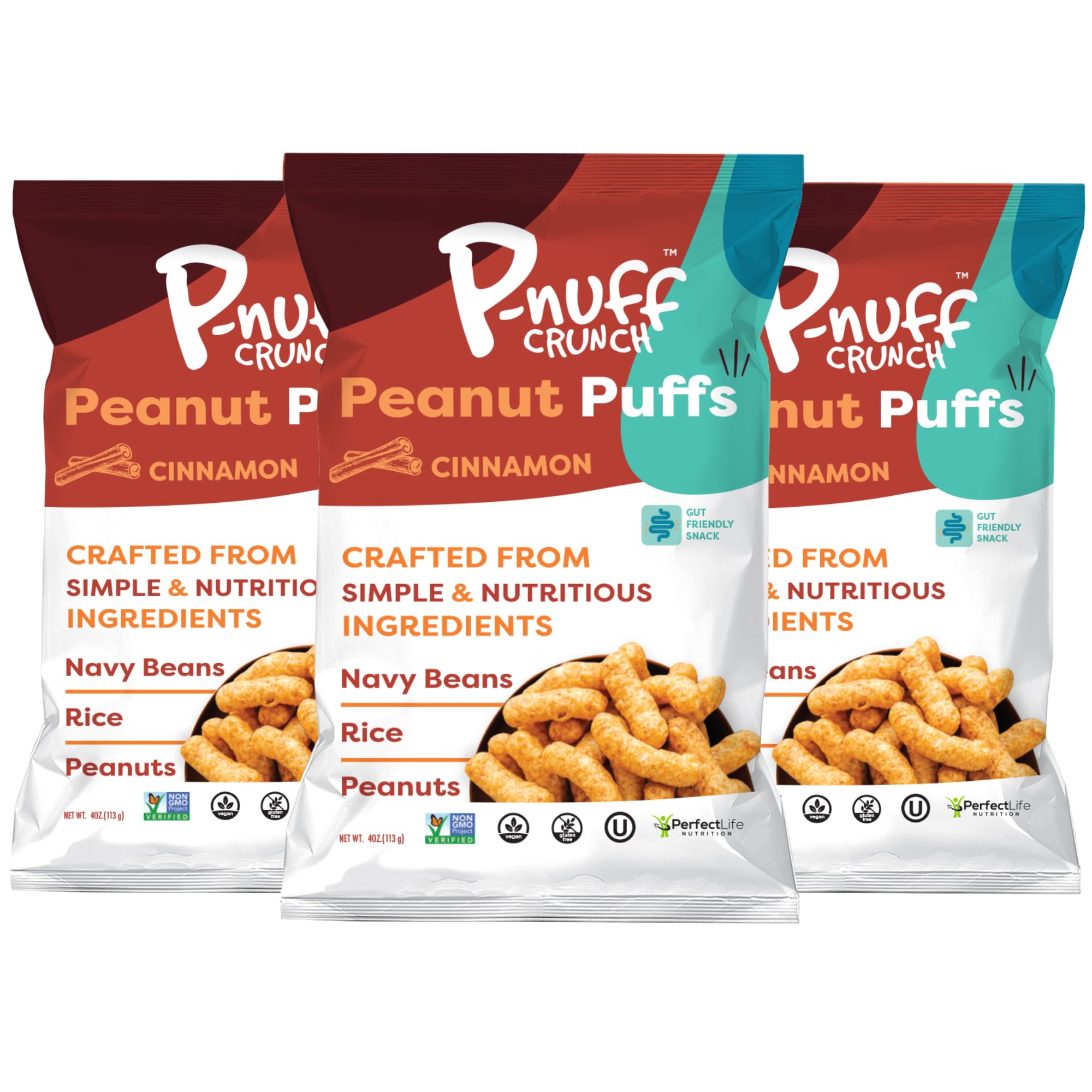
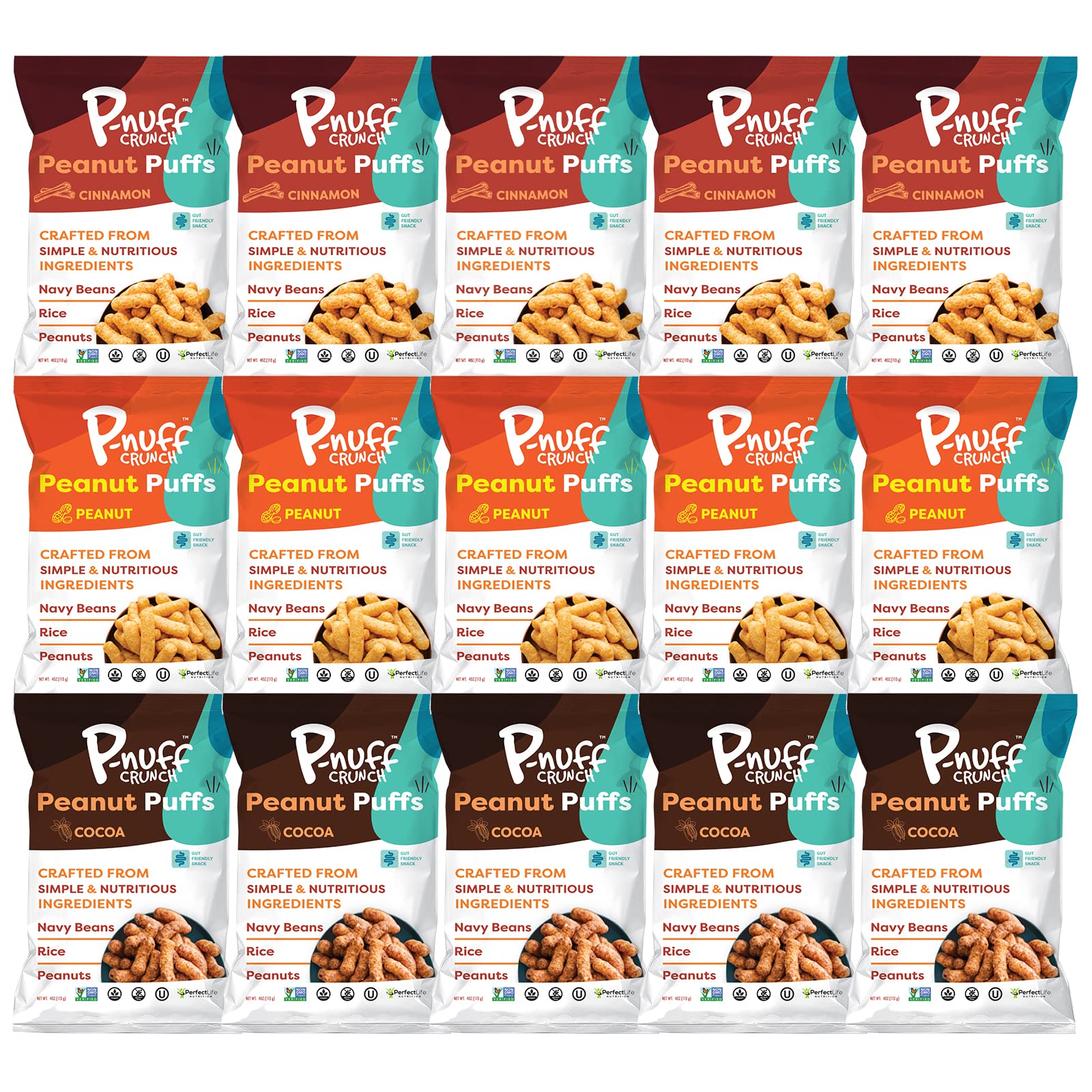
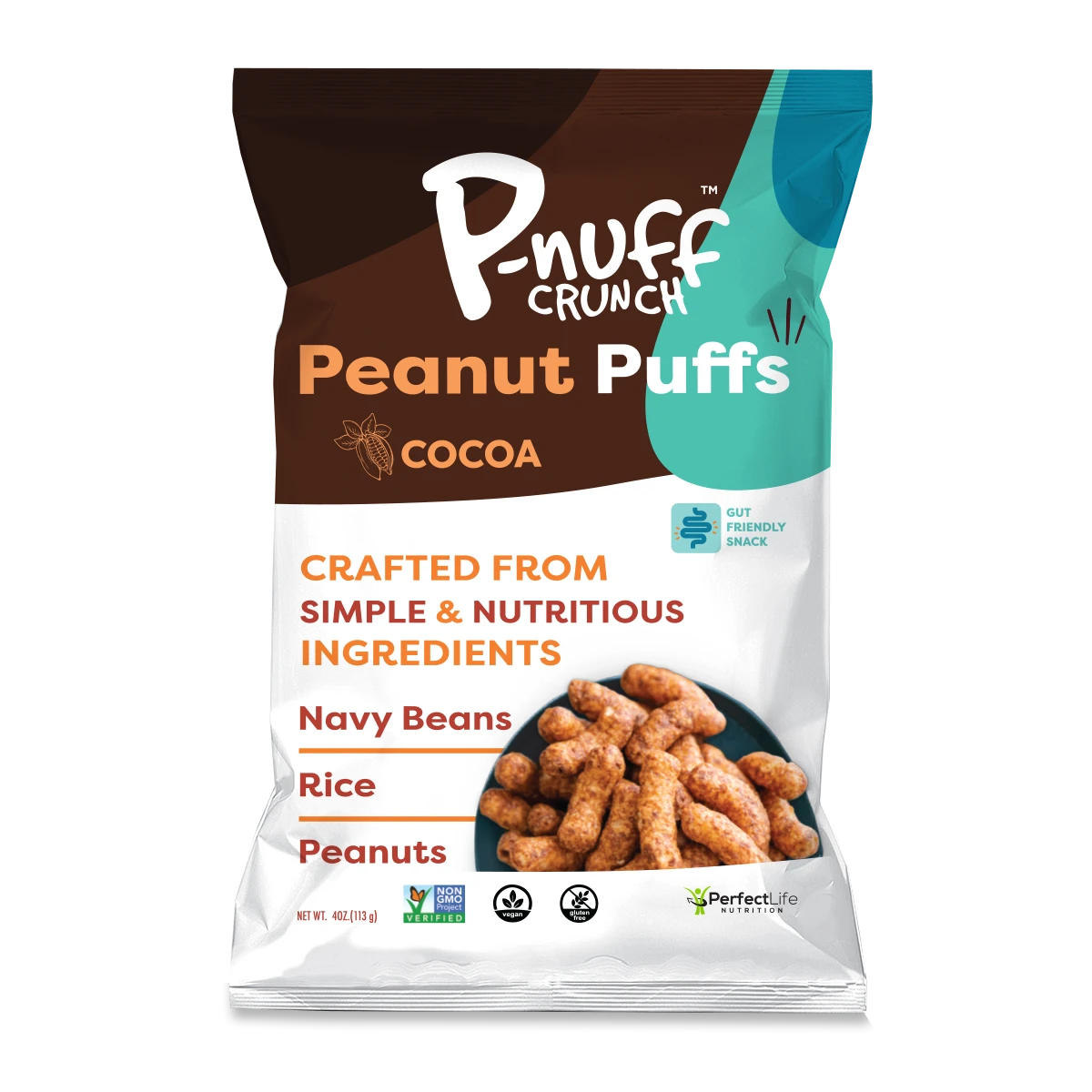
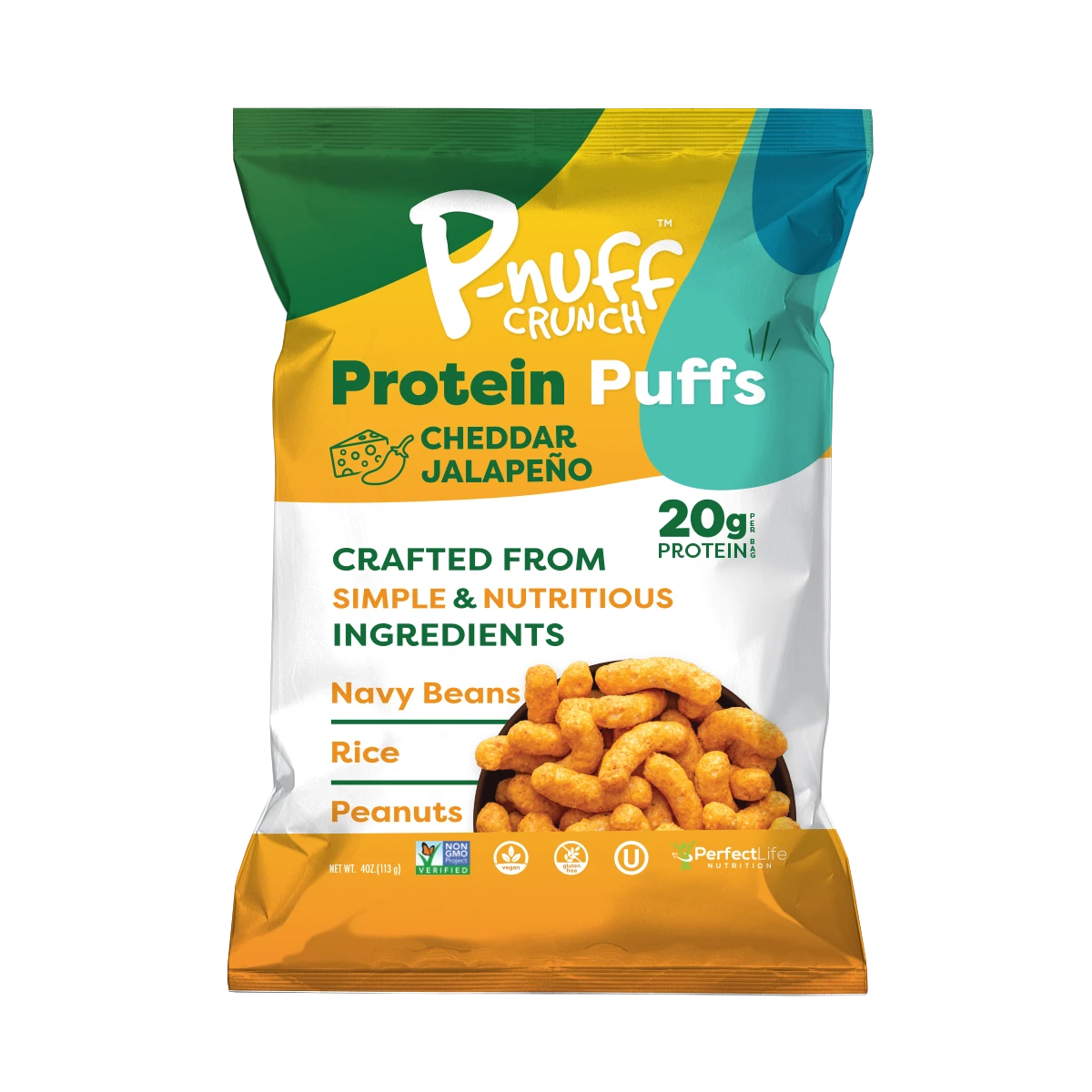
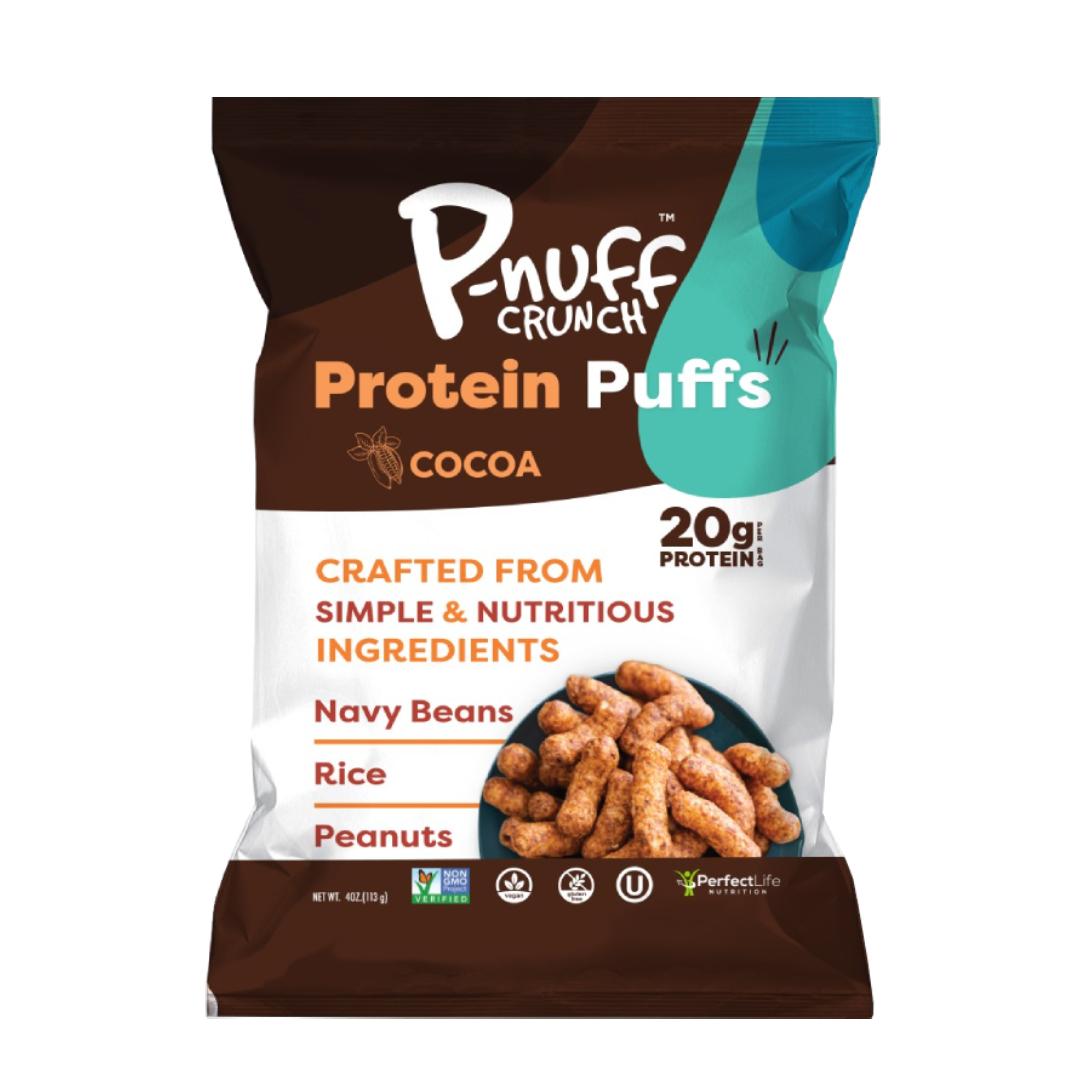
P-nuff Crunch, a line of baked snacks made primarily from navy beans, rice, and roasted peanuts, represents a distinct segment of the "better-for-you" snack market. The brand was conceptualized by Dr. Juan Salinas, a sports scientist with a background in food science, who sought to create a snack that bridged the gap between high-protein requirements for athletes and the general consumer demand for clean-label, plant-based nutrition.
The financial narrative of P-nuff Crunch is fundamentally tied to the evolution of its business model. Unlike publicly traded snack conglomerates, P-nuff Crunch operates as a private entity. Consequently, its "net worth" is not a static figure found in public stock exchanges but a fluctuating valuation based on its intellectual property, distribution network, and year-over-year revenue growth. The company’s trajectory is a classic example of an entrepreneurial venture scaling through strategic retail placement and consumer education, shifting focus from a specialized sports-nutrition product to a mainstream grocery store staple.
Evaluating Private Business Valuation
When discussing the net worth of a brand like P-nuff Crunch, analysts look at specific valuation metrics used by private equity and venture capital firms. Because the company is private, investors do not have access to real-time quarterly earnings reports. Instead, valuation is typically derived from several core business components:
- Revenue Multiples: In the consumer packaged goods (CPG) industry, companies are often valued as a multiple of their annual recurring revenue or EBITDA (Earnings Before Interest, Taxes, Depreciation, and Amortization). High-growth snack brands often command higher multiples if they demonstrate strong brand loyalty and expanding shelf space.
- Distribution Footprint: The number of retail doors, both physical and digital, is a primary driver of enterprise value. As P-nuff Crunch expanded into major national chains, its valuation potential increased due to improved economies of scale and market penetration.
- Intellectual Property and Proprietary Formulas: The specific blend of ingredients and the manufacturing process (extrusion and flavoring) represent non-tangible assets that contribute to the company's valuation.
- Brand Equity: The recognition of the P-nuff Crunch name among health-conscious consumers and its presence on digital platforms like Amazon and direct-to-consumer websites are intangible assets that significantly influence acquisition or investment valuations.
Strategic Growth and Capital Infusion
The growth of P-nuff Crunch has been marked by a transition from local production to mass-market manufacturing. A pivotal moment for many companies in this sector is the involvement of strategic investors or participants in business growth programs. For P-nuff Crunch, the journey involved scaling operations to meet the rigorous logistics demands of major retail partners.
Capital requirements for such growth are substantial. Scaling a snack brand requires investment in inventory, high-grade manufacturing facilities, and aggressive marketing to overcome the "noise" of the crowded snack aisle. The net worth of the business entity grows as these capital injections are converted into physical infrastructure and brand market share. Investors who support these brands look for "exit" potential, usually through a strategic acquisition by a larger food conglomerate, which effectively cements the valuation of the brand.
Comparative Market Analysis
Understanding where P-nuff Crunch stands requires comparing it to other independent, health-focused snack brands that have achieved similar levels of retail penetration.
| Feature | P-nuff Crunch (Plant-Based) | Conventional Snack Brands | Private Label Snacks |
|---|---|---|---|
| Primary Ingredient | Navy Beans/Rice/Peanuts | Corn/Potato/Wheat | Various |
| Growth Strategy | Direct-to-consumer & Specialty Retail | Mass market saturation | Price competition |
| Valuation Metric | Brand Equity & Growth Potential | Stable Dividend/Market Share | Volume efficiency |
| Market Segment | Premium "Better-For-You" | Commodity | Budget |
The distinction in the table above highlights why P-nuff Crunch sits in a premium valuation category. Unlike commodity snack producers, which rely on volume and razor-thin margins, P-nuff Crunch relies on a "value-add" proposition. Consumers pay a premium for the protein density and the lack of allergens or artificial additives. This pricing power allows the company to maintain healthier margins, which is a key factor when investors assess its total business worth.
Challenges to Sustained Value
While the upward trajectory of the brand is evident, sustaining valuation in the food industry is fraught with challenges. Market conditions in 2026 reflect a highly competitive landscape for healthy snacks. Several factors can impede the valuation growth of a private snack entity:
- Supply Chain Volatility: The cost of raw ingredients, specifically high-quality legumes and nuts, can fluctuate based on agricultural yields and logistics costs. Unforeseen spikes in costs directly impact the bottom-line profitability and, by extension, the company's enterprise value.
- Retail Slotting Fees: Entering new retail chains often requires paying "slotting fees" or engaging in expensive trade promotion programs. These costs can dilute the immediate net worth of the company by tying up cash flow in the pursuit of shelf space.
- Consumer Preference Shifts: The "health" label is subjective and subject to rapid shifts in diet trends. A brand built on specific nutritional claims must constantly innovate to ensure that its product remains relevant as consumer interest shifts between keto, paleo, plant-based, and other dietary frameworks.
- Operational Complexity: As a company scales, the complexity of managing distribution logistics and quality control across multiple production lines increases. Inefficiencies here can lower the company’s valuation during a due diligence process.
The Role of Founder Influence
Dr. Juan Salinas acts as the public face and the driving intellectual force behind the brand. In private businesses, the founder’s personal involvement often serves as a key intangible asset. Potential investors often evaluate the "key man risk"—the potential impact on the business if the primary architect were to depart. For P-nuff Crunch, the alignment of the founder’s scientific expertise with the product’s marketing ensures that the value of the company remains tightly linked to its authentic origin story, which is a significant factor in brand loyalty and, consequently, its financial worth.
Frequently Asked Questions
Is P-nuff Crunch a publicly traded company?
No, P-nuff Crunch is a private entity. Its financials, including precise valuation figures and revenue, are not public record. Any figures cited in financial reports regarding its "worth" are typically estimates based on market reach and growth benchmarks in the snack industry.
What factors drive the valuation of a snack brand like P-nuff Crunch?
Valuation is primarily driven by revenue growth, the breadth of distribution, customer acquisition costs, and the scalability of the manufacturing process. Brands that can prove consistent growth in retail shelf space often see the highest appreciation in their enterprise value.
How does the healthy snack market impact the brand’s value?
The "better-for-you" segment is currently experiencing high demand. This segment often commands higher profit margins than traditional processed snacks, which makes brands like P-nuff Crunch more attractive to potential investors, thereby increasing their theoretical market valuation.
What is the primary revenue source for the brand?
The primary revenue comes from direct retail sales through national grocery chains and direct-to-consumer sales via the brand’s digital storefront and platforms like Amazon. Diversifying across these channels is a strategy used to maintain stable cash flow.
Can individuals invest in P-nuff Crunch?
As a private company, shares of P-nuff Crunch are not available on public stock markets. Private investment typically occurs through venture capital rounds, private equity firms, or professional angel investors who enter into private contracts with the company’s owners.
Next Steps for Stakeholders
For those interested in the financial evolution of P-nuff Crunch, the most reliable indicators of its success remain its expansion into new retail regions and the introduction of new product SKUs. Monitoring the brand's presence in major retail outlets serves as a proxy for its ongoing business health. As the industry moves through 2026, the company's ability to maintain high-quality manufacturing while expanding its logistical footprint will be the definitive measure of its continued financial growth. Readers looking to understand the brand further should focus on official business news releases and product-line updates, as these represent the most concrete evidence of the company’s strategic direction and market presence.
Image Gallery