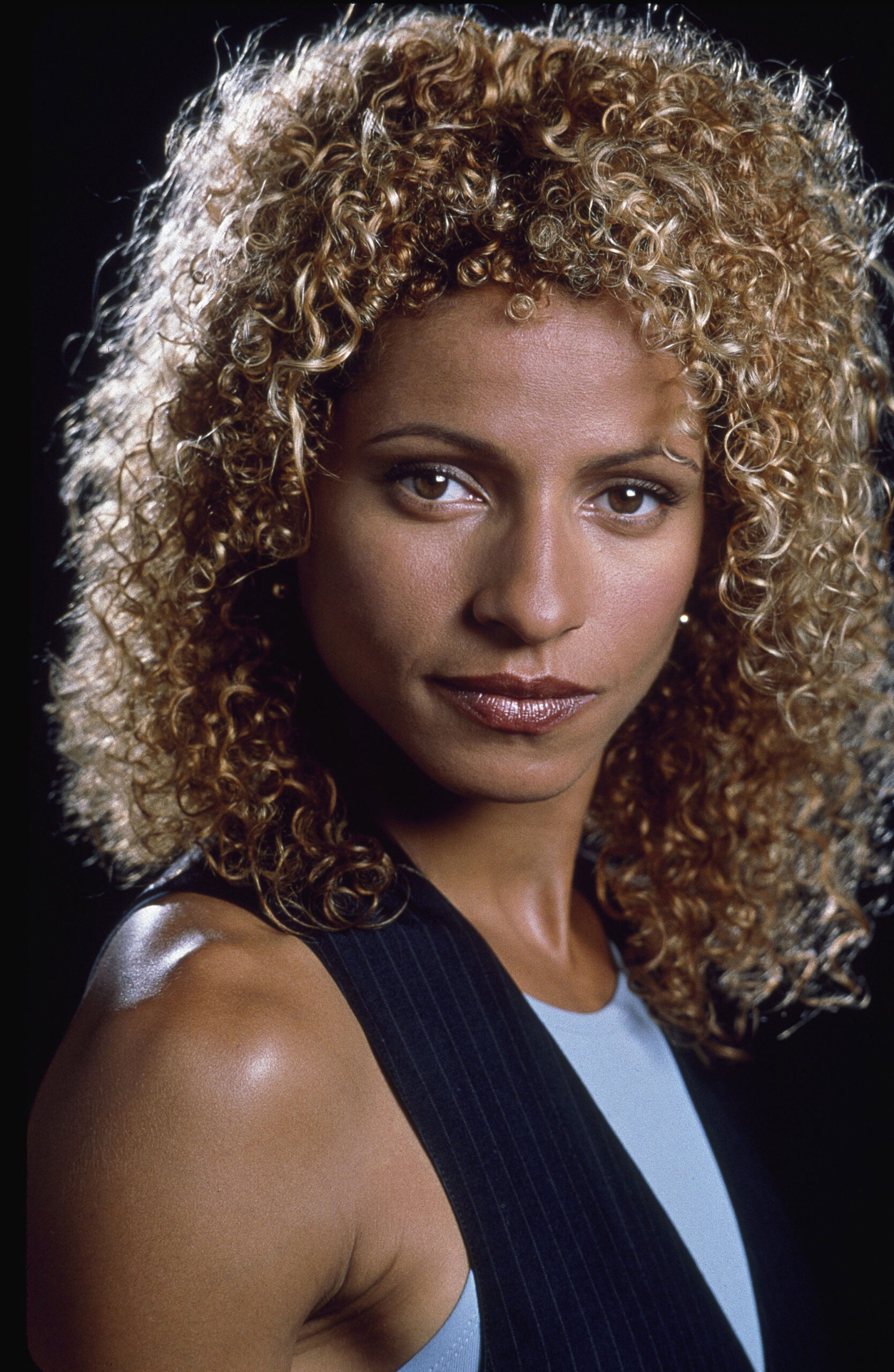
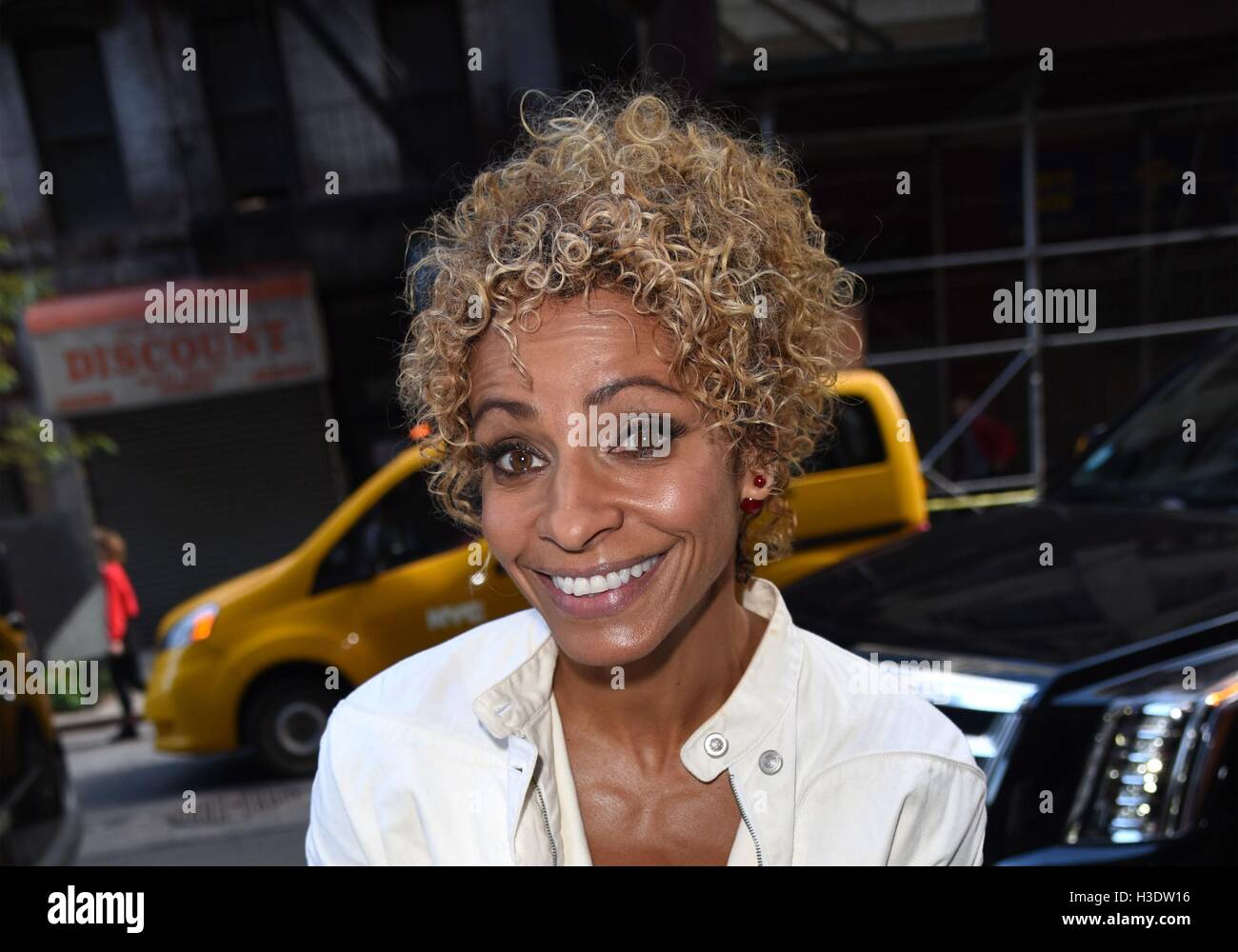
Michelle Hurd in the 90s: From Daytime Drama to Law & Order Icon
Michelle Hurd’s career in the 1990s was defined by her transition from a long-running role on the soap opera Another World to her iconic breakout as Detective Monique Jeffries on Law & Order: Special Victims Unit. Throughout the decade...
Michelle Hurd’s career in the 1990s was defined by her transition from a long-running role on the soap opera Another World to her iconic breakout as Detective Monique Jeffries on Law & Order: Special Victims Unit. Throughout the decade, she became a staple of New York-based television production, balancing procedural dramas with prestigious stage work.
Contents
As of 2026, looking back at the trajectory of Michelle Hurd’s career reveals that the 1990s were not just a formative period but the bedrock of her professional identity. For many viewers, she is currently recognized for her work in the Star Trek universe or her recent high-profile film appearances, yet her journey began in the grueling, fast-paced world of New York theater and daytime television. This decade saw her transform from a classically trained NYU graduate into one of the most recognizable faces in the burgeoning "procedural" era of television.
The Early 90s: Theatre and the NYU Foundation
Michelle Hurd entered the 1990s with a pedigree of rigorous training. Having studied at the NYU Tisch School of the Arts and the Alvin Ailey American Dance Theater, she possessed a physical presence and vocal discipline that allowed her to navigate both the stage and the screen with ease.
In the early 1990s, Hurd was deeply embedded in the New York theater scene. Her training at the Circle in the Square Theatre School provided her with the tools to tackle complex, character-driven roles. This period of her career was characterized by "hustling" in the traditional New York sense—balancing minor television guest spots with significant stage performances. Unlike many actors who move to Los Angeles immediately, Hurd remained tethered to the East Coast, a decision that would eventually lead her to the doorstep of the most successful television franchise in history.
Her theatrical background is essential to understanding her 90s screen work. The intensity required for live performance translated into the "grounded" quality she brought to her early television characters. Whether playing a background character or a featured guest, Hurd possessed a gravity that suggested a much larger backstory than the script often provided.
The Another World Era: 1991–1997
The most significant portion of Michelle Hurd’s early 90s career was her tenure on the NBC soap opera Another World. Joining the cast in 1991 as Dana Kramer, Hurd stepped into a role that would occupy her for the next six years. Daytime television in the 1990s was a massive cultural force, and for a young actress, it served as a masterclass in efficiency, memorization, and emotional stamina.
Dana Kramer was a character who allowed Hurd to display a wide emotional range. As the daughter of the established character Lucas Kramer, Dana was involved in several high-stakes storylines involving romance, family secrets, and the typical melodramatic twists of the genre.
- The Demands of Daytime: Hurd has often spoken about how the soap opera format requires an actor to produce 30 to 50 pages of dialogue a day. This "boot camp" environment sharpened her ability to find the truth in a scene quickly—a skill that would later make her an ideal fit for the fast-paced world of Dick Wolf’s Law & Order.
- Representation: During her time on Another World, Hurd was one of the few prominent Black actresses in a medium that was, at the time, struggling with diversity. Her presence on the show was vital for a generation of viewers who saw a sophisticated, multi-dimensional woman of color navigating complex interpersonal dramas.
By the time she left the show in 1997, she was a seasoned professional, ready to transition from the heightened reality of daytime to the grit of primetime police procedurals.
Breaking Into Primetime: The Mid-90s Guest Roles
Following her departure from Another World, Hurd began to populate the guest rosters of several major television shows. The mid-90s were a "golden age" for New York-based actors, as the city’s filming infrastructure expanded.
In 1994 and 1995, Hurd appeared in New York Undercover, a show that was revolutionary for its focus on urban culture and its diverse cast. Her appearances on the show, though relatively small, aligned her with a movement in television that prioritized realism over the polished artifice of 1980s dramas.
She also secured roles in projects like The Cosby Mysteries (1995), demonstrating her versatility across different tones of mystery and drama. During this phase, she was often cast as professional, competent women—lawyers, detectives, or administrative officials—establishing a "type" that she would eventually perfect in her later roles.
The Law & Order Evolution: 1997 and 1999
Michelle Hurd’s relationship with the Law & Order universe is unique. While she is best known for the spin-off Special Victims Unit, her entry into the franchise actually occurred in the "mothership" series.
The 1997 Appearance
In the 1997 episode of Law & Order titled "Entrapment," Hurd played a character named FBI Agent Anne Kasuba. This was a pivotal moment. The producers, including Dick Wolf, were notorious for "testing" actors in guest roles before considering them for series regular positions. Hurd’s performance was sharp and authoritative, proving she could hold her own against veterans like Jerry Orbach and Sam Waterston.
The Birth of Special Victims Unit (1999)
In 1999, when the franchise expanded with Law & Order: Special Victims Unit, Hurd was cast as Detective Monique Jeffries. This role was a landmark in her career. As a member of the original squad alongside Christopher Meloni, Mariska Hargitay, Richard Belzer, and Dann Florek, Hurd helped define the show's initial atmosphere.
Monique Jeffries was characterized by her intelligence and her somewhat guarded nature. She provided a necessary counterweight to the often-explosive temperaments of Stabler and Munch. However, the character faced challenges behind the scenes; the writers struggled to integrate Jeffries into the primary duo dynamic of Benson and Stabler. Despite this, Hurd’s work in the first season (which aired in late 1999) remains a highlight of the series' early history.
Filmography and Stage Credits in the 1990s
While television was her primary medium, Hurd also contributed to several films and stage productions during the decade. These roles often showcased a more vulnerable or comedic side of her acting that wasn't always visible in her procedural work.
| Year | Title | Role | Format |
|---|---|---|---|
| 1991–1997 | Another World | Dana Kramer | TV Series (Regular) |
| 1994 | New York Undercover | AD Reynolds | TV Series (Guest) |
| 1995 | The Cosby Mysteries | Jogger / Various | TV Series (Guest) |
| 1997 | Law & Order | FBI Agent Anne Kasuba | TV Series (Guest) |
| 1998 | The Practice | Renee Williams | TV Series (Recurring) |
| 1998 | The 24 Hour Woman | Mirella | Film |
| 1999 | Personals | Lorraine | Film |
| 1999 | Law & Order: SVU | Det. Monique Jeffries | TV Series (Lead) |
In The 24 Hour Woman (1998), Hurd worked alongside Rosie Perez, exploring themes of motherhood and career pressure. This film, though a smaller production, allowed her to flex her muscles in the independent cinema world, which was thriving in the late 90s.
Critical Analysis of 90s Performance Style
Analyzing Michelle Hurd’s work in the 90s reveals a consistent dedication to naturalism. Even in the heightened world of soap operas, she avoided the "theatricality" that many of her peers adopted. Her style was internal and observant. This made her the perfect "procedural actor"—someone who can convey that they are thinking and processing information while listening to a witness or a suspect.
In the late 90s, there was a shift toward "tough" female characters on television. Hurd, with her athletic build and commanding voice, fit this archetype, but she always added a layer of intellectualism. She didn't just play "the cop"; she played the cop who was smarter than everyone else in the room but chose to stay quiet until it mattered.
Frequently Asked Questions
What was Michelle Hurd's first major role?
Her first major, long-term role was playing Dana Kramer on the soap opera Another World. She joined the cast in 1991 and remained with the show until 1997. This role made her a recognizable face in millions of households and served as her primary training ground for television acting.
When did Michelle Hurd join the Law & Order franchise?
While most fans associate her with the 1999 launch of Law & Order: SVU, her first appearance in the franchise was actually in 1997. She appeared in the original Law & Order episode "Entrapment" as FBI Agent Anne Kasuba. This performance likely led to her being cast as Detective Monique Jeffries two years later.
Why did Michelle Hurd leave SVU after the first season?
While Hurd's character, Monique Jeffries, was part of the original 1999 cast, she moved to a recurring role in Season 2 and eventually departed. This was largely due to the show's creative direction narrowing its focus onto the partnership of Benson and Stabler. Hurd expressed a desire for more character development, and when it wasn't forthcoming, she moved on to other opportunities, including a successful run on Leap Years and later The Glades.
What other 90s shows did Michelle Hurd appear in?
Beyond her main roles, Hurd guest-starred in several iconic 90s dramas, including New York Undercover, The Cosby Mysteries, and David E. Kelley’s legal drama The Practice. She was a frequent "New York actor," appearing in shows that were filmed on location in the city.
Did Michelle Hurd do theater in the 1990s?
Yes, Michelle Hurd remained active in the New York theater scene throughout the 90s. She participated in various off-Broadway productions and was a regular participant in developmental workshops. Her theater background remained a point of pride and a source of her technical skill during her television rise.
Practical Recommendation for Fans and Historians
For those looking to truly understand Michelle Hurd’s 90s output, the best starting point is the first season of Law & Order: SVU (1999). It captures her at the peak of her procedural prowess and highlights the specific energy she brought to the "New York Cop" archetype.
Additionally, tracking down archival clips of Another World from the mid-90s provides a fascinating contrast. Seeing the transition from the emotional melodrama of Dana Kramer to the steely resolve of Monique Jeffries offers a masterclass in how an actor can evolve their "instrument" to fit the changing landscape of television.
Image Gallery