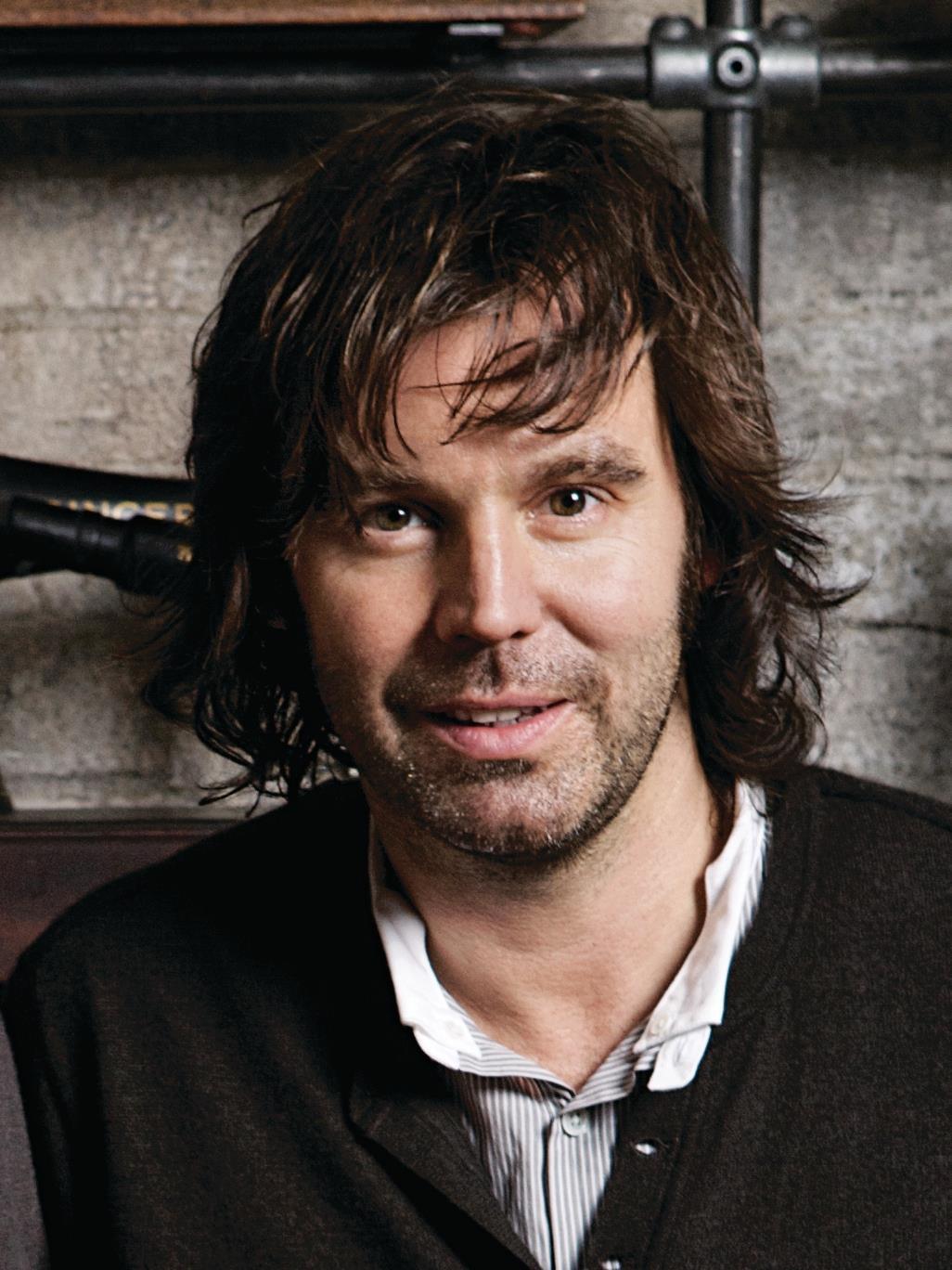
Steve Craig: Comprehensive Profile, Real Estate Leadership, and Market Impact in 2026
(Note: This article focuses on Steve Craig, the prominent real estate developer, retail executive, and civic leader known for shaping major commercial real estate projects.) The commercial real estate and retail sectors require a disti...
(Note: This article focuses on Steve Craig, the prominent real estate developer, retail executive, and civic leader known for shaping major commercial real estate projects.)
Contents
The commercial real estate and retail sectors require a distinct brand of strategic foresight, especially as market dynamics shift toward experiential spaces in 2026. Understanding the career, methodology, and industry influence of Steve Craig offers valuable insight into how modern retail centers evolve. From pioneering open-air lifestyle centers to steering high-profile developments, his trajectory reflects the broader transformation of urban and suburban commercial planning.
Career Trajectory and Industry Foundations
Steve Craig’s professional journey spans decades of retail real estate leadership, marked by a deep commitment to adapting traditional shopping environments into vibrant community hubs. Early in his career, he recognized that consumer preferences were moving away from enclosed, single-purpose malls toward mixed-use developments that blend retail, dining, entertainment, and hospitality.
His leadership approach integrates rigorous financial modeling with creative placemaking. By collaborating with municipal leaders, urban planners, and top-tier national retailers, he has consistently positioned his projects to capture shifting demographic trends. In 2026, as commercial real estate faces ongoing adaptation regarding hybrid work models and e-commerce integration, the foundational principles established by industry veterans like Craig remain vital references for modern developers.
Strategic Approach to Commercial Real Estate Development
Developing successful commercial real estate demands a meticulous balance of capital allocation, zoning navigation, and tenant curation. Steve Craig's operational philosophy emphasizes several core pillars designed to mitigate risk while maximizing long-term asset value.
- Market Demographics and Data Analytics: Utilizing granular local data to identify underserved retail corridors and population growth zones.
- Tenant Diversification: Balancing experiential anchors, such as specialty dining and entertainment, with stable traditional retail tenants to maintain high foot traffic.
- Public-Private Partnerships (PPPs): Collaborating with local governments to secure infrastructure improvements, tax incentives, and streamlined zoning approvals.
- Sustainability and Modern Infrastructure: Incorporating energy-efficient building systems, EV charging stations, and smart-lighting infrastructure to meet contemporary ESG (Environmental, Social, and Governance) standards.
Comparative Analysis of Traditional Malls vs. Modern Lifestyle Centers
To understand the market shifts navigated by developers like Steve Craig, it is helpful to examine the structural evolution of retail real estate through a comparative framework.
| Feature | Traditional Enclosed Malls | Modern Lifestyle Centers |
|---|---|---|
| Architectural Style | Indoor corridors, inward-facing storefronts | Open-air walkways, pedestrian-friendly streetscapes |
| Primary Tenant Mix | Department stores, apparel chains | Specialty retail, restaurants, entertainment, fitness |
| Average Visit Duration | Shorter shopping-focused trips | Extended stays due to dining and leisure options |
| Community Integration | Isolated structures surrounded by parking lots | Integrated into surrounding residential and commercial zones |
| Adaptability to 2026 Trends | Low flexibility for physical repurposing | High adaptability for mixed-use expansions |
Civic Engagement and Community Impact
Beyond commercial ventures, Steve Craig has maintained a strong focus on community stewardship and philanthropic engagement. Successful real estate development inherently alters the social and economic fabric of a region. Consequently, his projects have historically integrated public green spaces, community event plazas, and support for local non-profit organizations.
Engaging with municipal stakeholders ensures that large-scale developments do not overburden local infrastructure but instead contribute positively to the local tax base, job creation, and civic identity. This dual focus on profitability and community value stands as a benchmark for contemporary developers operating in 2026.
Pros and Cons of Mixed-Use Commercial Development
Evaluating the methodologies associated with Steve Craig's development style reveals distinct advantages as well as inherent industry challenges.
Advantages
- Resilience Against E-Commerce: Experiential mixed-use spaces offer services and atmospheres that cannot be replicated online, driving consistent foot traffic.
- Multiple Revenue Streams: Combining retail, office, and residential units diversifies income sources for property owners and investors.
- Placemaking Appeal: Creates destination properties that attract regional visitors, boosting municipal tourism and local economic growth.
Challenges
- High Initial Capital Expenditure: Acquiring prime land and constructing complex, multi-use infrastructure requires substantial upfront investment.
- Complex Zoning Requirements: Navigating municipal regulations for mixed-use zoning can lead to prolonged pre-development timelines.
- Economic Sensitivity: Broad economic fluctuations can impact consumer discretionary spending in retail and dining sectors.
Step-by-Step Guide to Modern Retail Placemaking
For professionals entering the commercial real estate sector in 2026, adopting a structured, strategic development framework is essential for mitigating risk and ensuring project viability.
- Conduct Feasibility and Demand Studies: Analyze local population density, average household income, and existing retail saturation to identify market gaps.
- Secure Strategic Land Control: Option or acquire parcels with high visibility, strong transit connectivity, and room for future expansion.
- Engage Municipal Stakeholders Early: Present preliminary plans to city planning boards to align with local zoning goals and secure necessary entitlements.
- Curate the Tenant Mix Strategically: Secure anchor tenants and experiential operators before finalizing architectural layouts to accommodate specific utility needs.
- Execute Phased Construction: Build out core retail phases to generate early cash flow while preparing subsequent residential or office components.
Frequently Asked Questions
What is Steve Craig best known for in the business world?
Steve Craig is widely recognized for his leadership in commercial real estate development, particularly in creating and managing successful retail and lifestyle centers. His strategic focus centers on aligning modern consumer demands with innovative placemaking and strong municipal partnerships.
How have commercial real estate development strategies shifted by 2026?
Development strategies have largely moved away from enclosed shopping malls toward open-air, mixed-use lifestyle centers that incorporate residential, dining, and green spaces. This evolution prioritizes experiential retail to counter the dominance of e-commerce.
What role do public-private partnerships play in major retail developments?
Public-private partnerships allow developers and local governments to collaborate on infrastructure improvements, zoning approvals, and economic incentives. This cooperation ensures that new projects benefit the local community while remaining financially viable for investors.
Why is tenant diversification critical for modern commercial properties?
Diversification minimizes financial risk by reducing reliance on a single retail category, ensuring that properties maintain consistent foot traffic even if specific retail sectors experience downturns.
What are the primary sustainability considerations in current commercial real estate?
Current sustainability standards focus on energy-efficient HVAC systems, LED lighting, water conservation, EV charging integration, and achieving recognized green building certifications to lower operational costs.
Conclusion and Strategic Outlook
The legacy and ongoing influence of leaders like Steve Craig underscore the resilience and adaptability required in commercial real estate. As the industry navigates the technological and consumer demands of 2026, the blueprint for success relies on balancing financial rigor with community-focused design. By prioritizing mixed-use adaptability, strong stakeholder relationships, and experiential placemaking, developers can build enduring assets that thrive in a dynamic economic landscape.
Image Gallery