Mastering Khan Academy Unit 2: Economic Indicators and the Business Cycle in 2026
This guide provides a technical breakdown of the core macro-economic concepts found in the Khan Academy Unit 2 curriculum, specifically tailored for students and professionals looking to solidify their understanding of the 2026 economi...
This guide provides a technical breakdown of the core macro-economic concepts found in the Khan Academy Unit 2 curriculum, specifically tailored for students and professionals looking to solidify their understanding of the 2026 economic landscape.
Contents
The Foundations of Macroeconomic Measurement
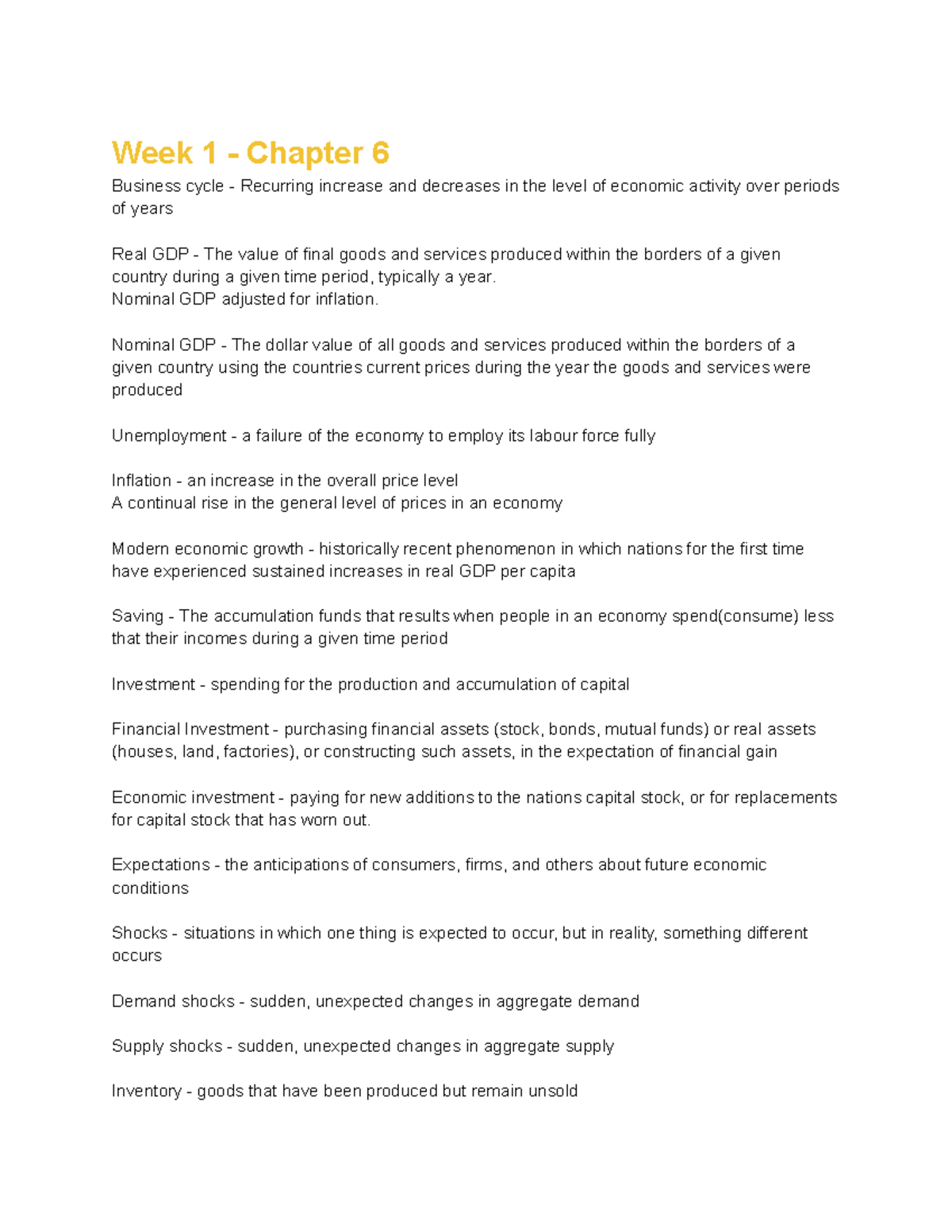
Macroeconomics relies on specific metrics to gauge the health of a national economy. In 2026, the focus remains on the "Big Three" indicators: Gross Domestic Product (GDP), the Unemployment Rate, and the Inflation Rate (typically measured via the Consumer Price Index or CPI). These metrics provide the empirical data necessary for central banks and fiscal policymakers to determine the stance of monetary and fiscal policy.
Real vs. Nominal GDP and the Deflator
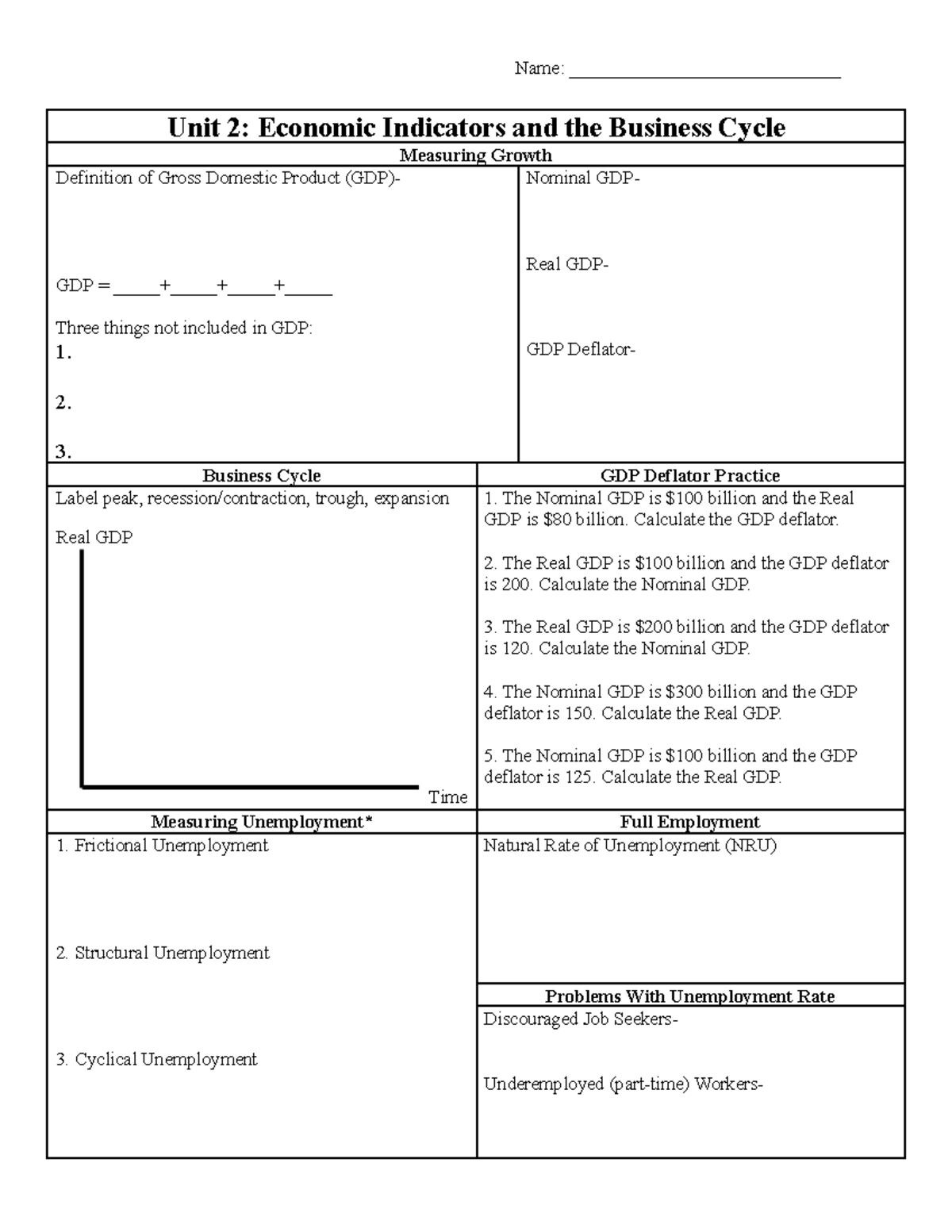
The primary challenge for economists in 2026 is distinguishing between nominal growth and real growth. Nominal GDP reflects the total market value of all goods and services produced within a country's borders at current prices. However, inflation can artificially inflate this number.
To adjust for this, we use the GDP Deflator:
- Calculate the Nominal GDP for the year.
- Calculate the Real GDP using a constant base year (the 2026 standard utilizes the 2020 reference period for chaining).
- Divide Nominal by Real and multiply by 100 to derive the deflator, which identifies how much of the GDP increase is attributable to price changes versus output increases.
Understanding Labor Market Health
The unemployment rate is not simply the percentage of people without jobs. In 2026, the Bureau of Labor Statistics (BLS) maintains a strict methodology. An individual is only considered "unemployed" if they are:
- Actively seeking employment within the last four weeks.
- Available for work.
- Part of the civilian non-institutionalized population.
The natural rate of unemployment, or full employment, is the sum of frictional and structural unemployment. Cyclical unemployment occurs when the economy operates below its potential output, a critical focal point during the 2026 economic stabilization phases.
Analyzing the Business Cycle Phases
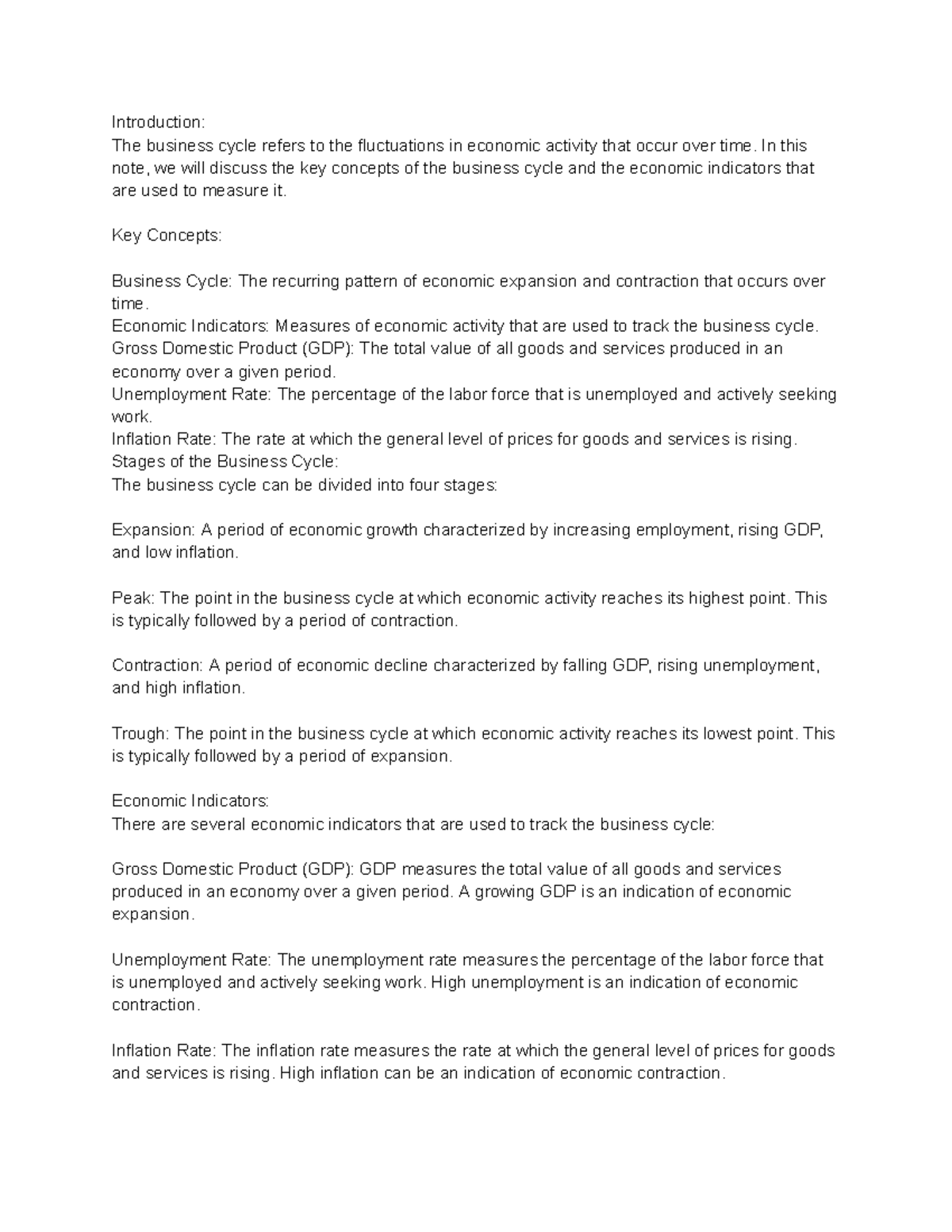
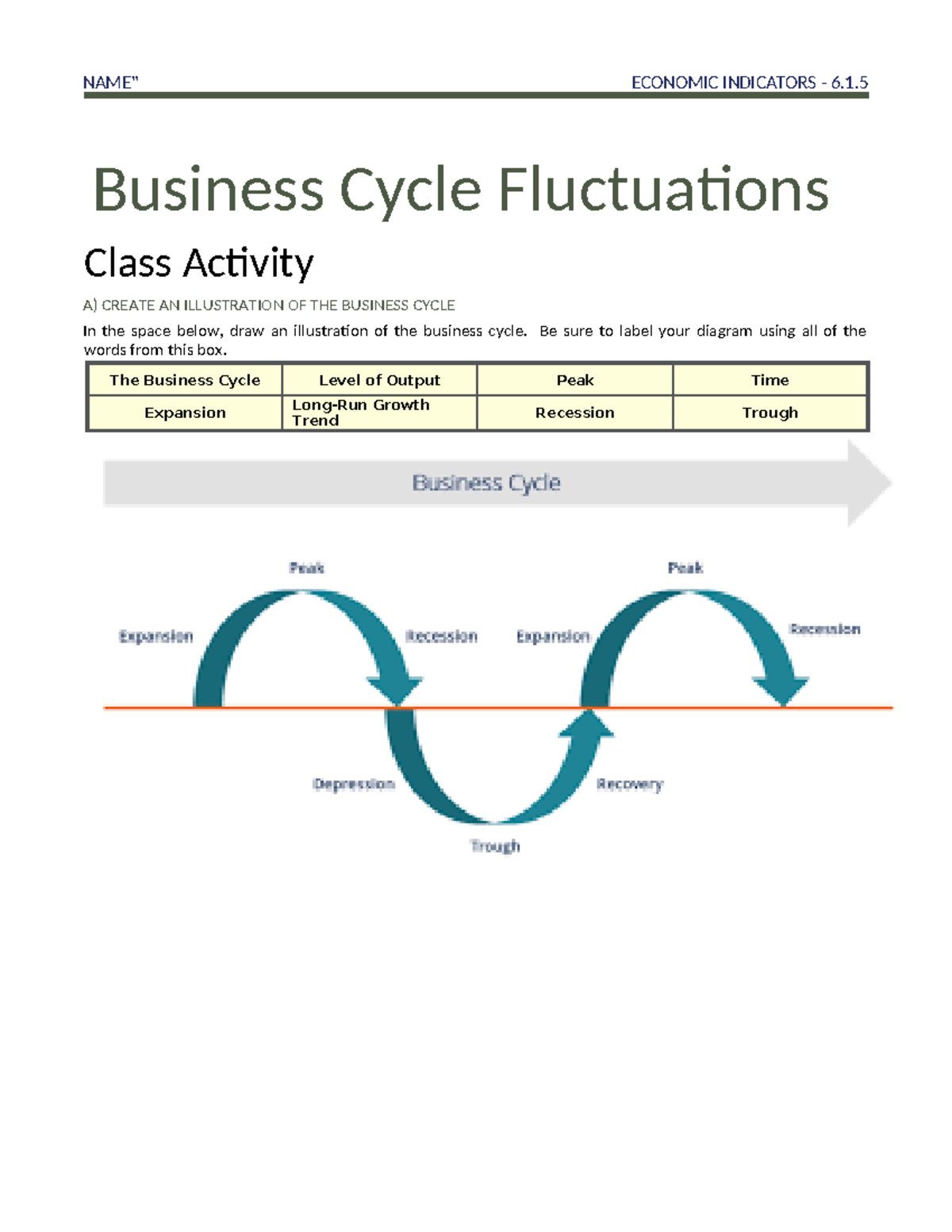
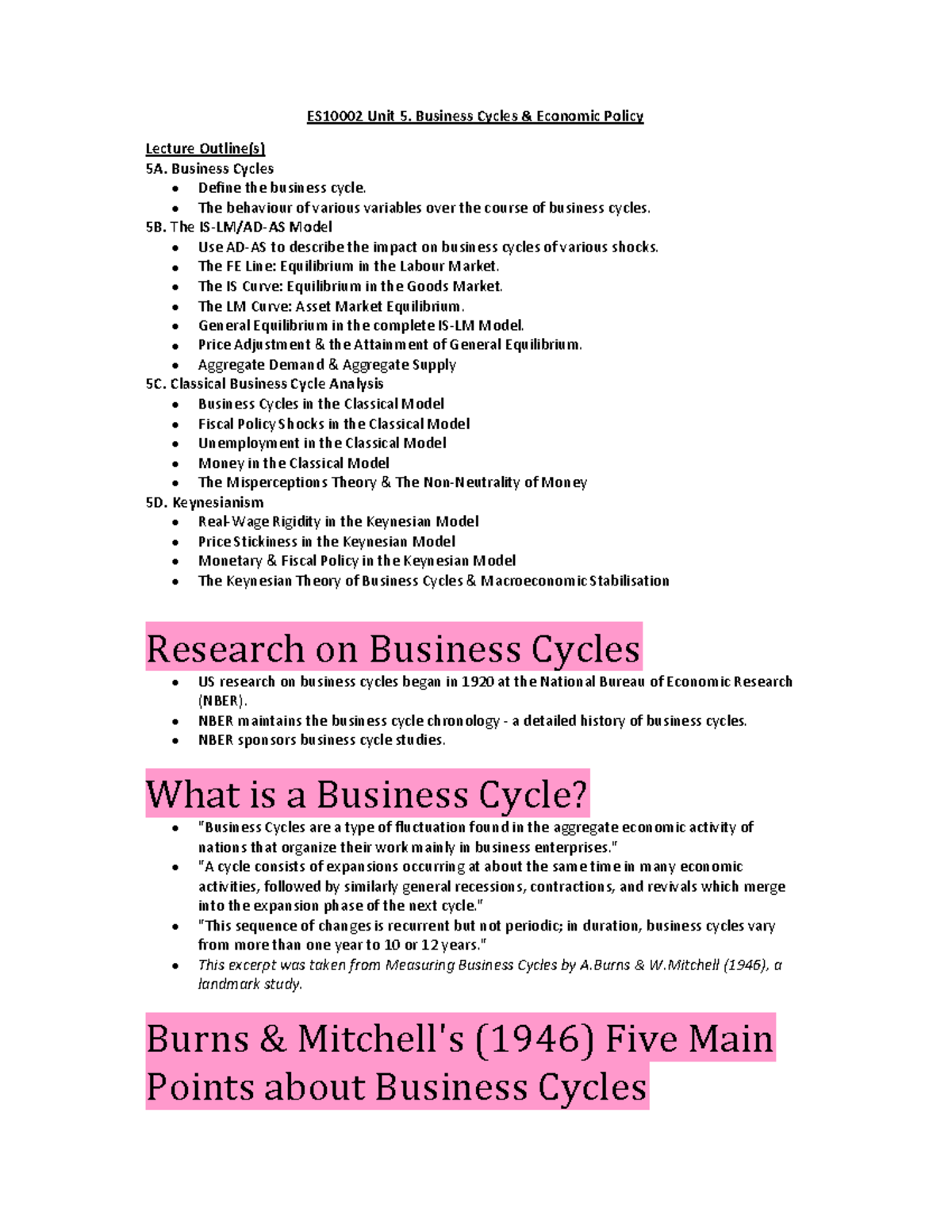
The business cycle represents the recurring, though not periodic, fluctuations in economic activity. Understanding these phases is essential for forecasting and asset allocation.
Economic Cycle Phase Characteristics
Expansionary Phase This phase is defined by rising GDP, declining unemployment, and increasing consumer confidence. Businesses expand production capacity, and capital investment levels often reach cyclical peaks.
The Peak The transition point where the economy reaches maximum capacity. Inflationary pressures typically accelerate here as the aggregate demand outpaces aggregate supply, often leading to restrictive central bank policy.
Contractionary Phase Often termed a recession if GDP growth is negative for two consecutive quarters, this phase features rising unemployment and reduced consumer spending. Inventories accumulate as demand weakens.
The Trough The bottom of the cycle where economic output reaches its lowest point before the recovery begins. This is frequently characterized by extreme low-interest rates and government intervention.
Comparison of Economic Indicators and Their Impact
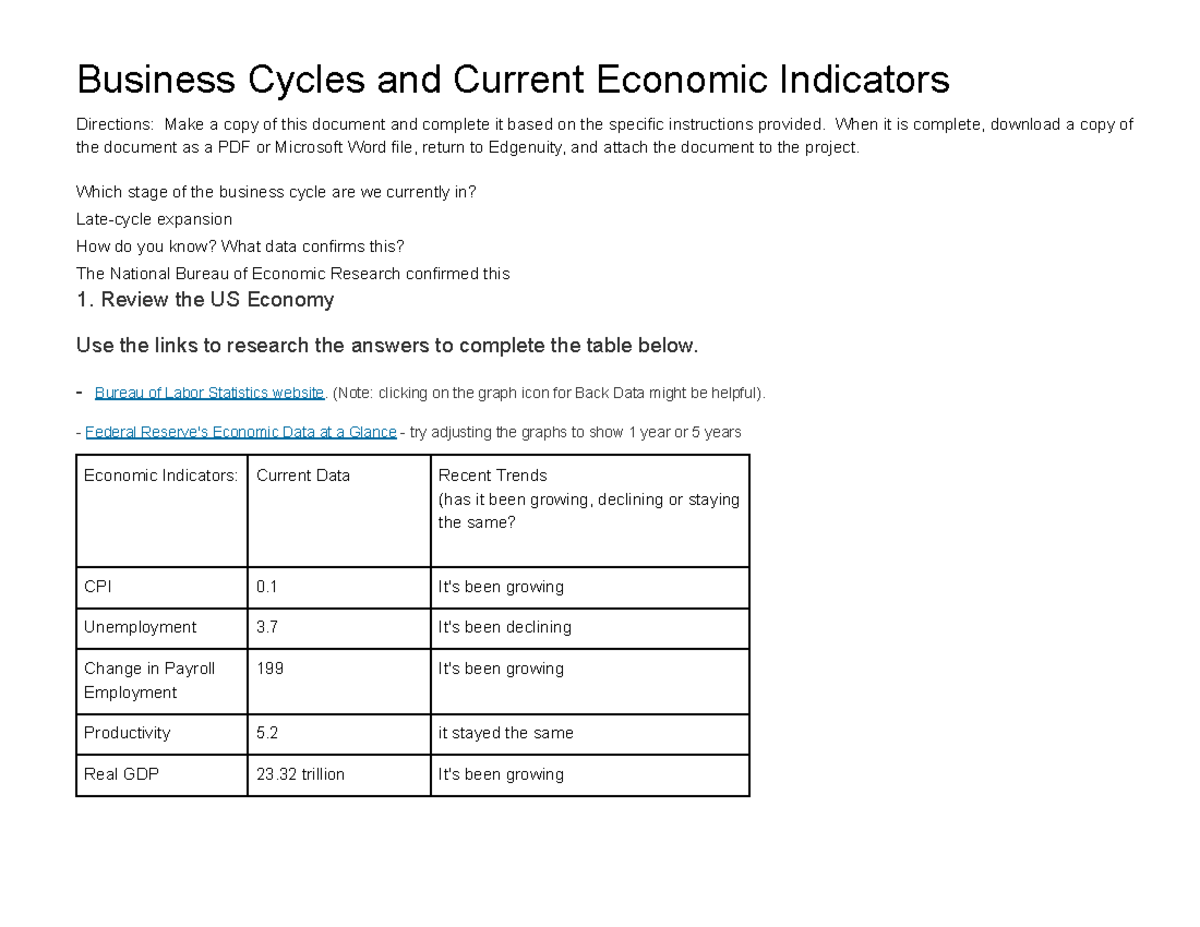
The following table summarizes how key indicators interact with the business cycle in 2026.
| Indicator | During Expansion | During Contraction | Policy Impact |
|---|---|---|---|
| GDP Growth | Positive / Accelerating | Negative / Decelerating | Signals for Fiscal Intervention |
| Unemployment Rate | Decreasing | Increasing | Triggers Automatic Stabilizers |
| CPI (Inflation) | Rising | Falling or Deflationary | Influences Interest Rate Decisions |
| Interest Rates | Likely Increasing | Usually Lowering | Managed by Central Bank |
The Role of Price Indices in 2026
Inflation tracking has evolved. While the Consumer Price Index (CPI) remains the most visible metric for the cost of living, in 2026, the Personal Consumption Expenditures (PCE) index is increasingly favored by the Federal Reserve.
- CPI: Measures a fixed basket of goods. It is prone to substitution bias, as consumers naturally shift consumption patterns when prices rise.
- PCE: Accounts for the changing composition of the basket. It provides a more accurate view of actual expenditure patterns in the current digital and service-oriented economy.
Practical Troubleshooting for Macroeconomic Problems
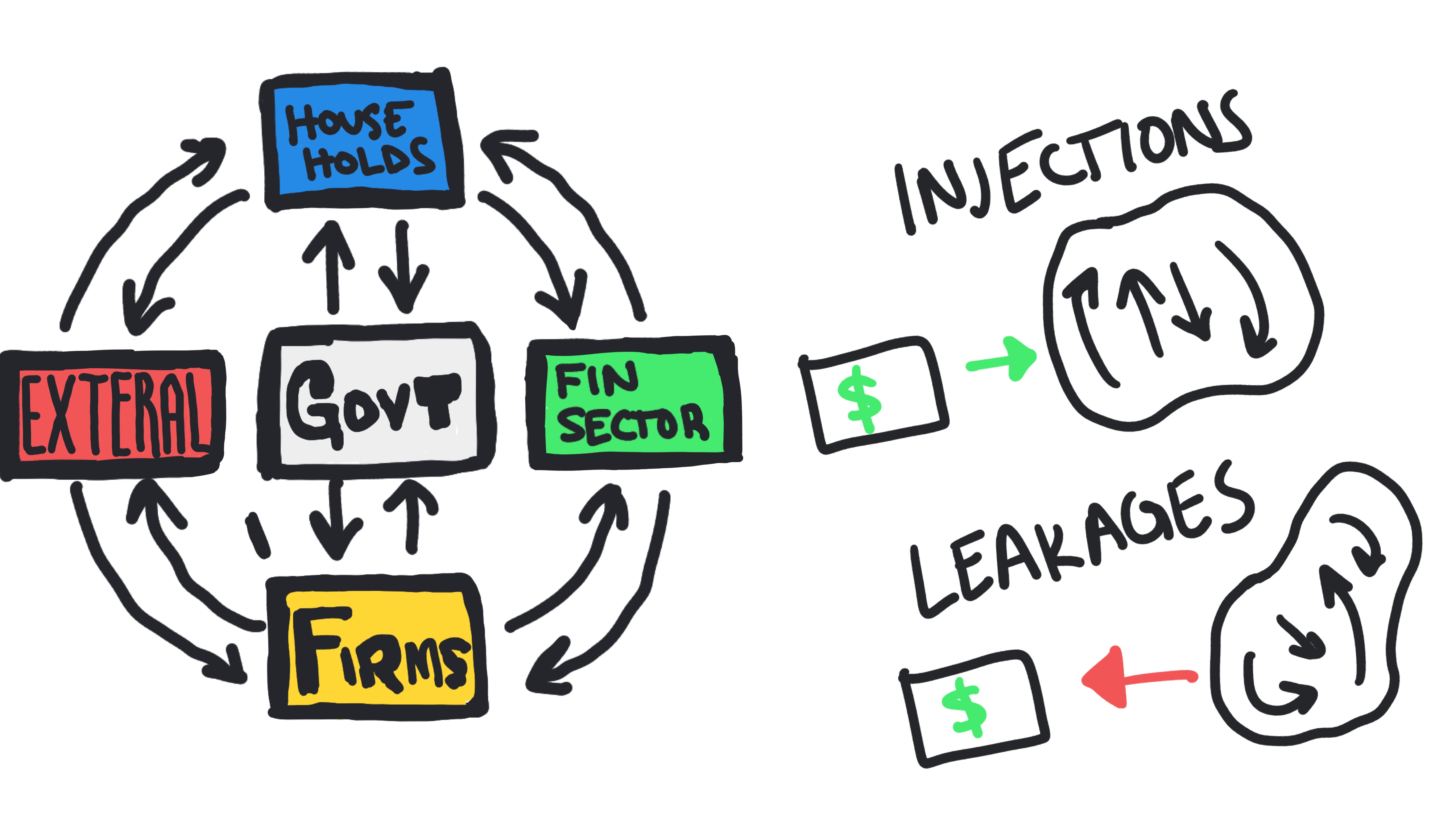
When solving Khan Academy Unit 2 problems, students often struggle with the "circular flow" model. If you are stuck on a problem involving leakages and injections, follow this analytical framework:
- Identify the Sector: Are you looking at households, firms, or the government?
- Define the Flow: Is the transaction an investment (leakage to firms) or a transfer payment (injection into households)?
- Balance the Equation: Remember that in a closed economy, total leakages (Savings + Taxes + Imports) must equal total injections (Investment + Government Spending + Exports).
Frequently Asked Questions (FAQ)
What is the difference between frictional and structural unemployment? Frictional unemployment is temporary and occurs as workers move between jobs, whereas structural unemployment is a long-term mismatch between worker skills and available job openings. Both contribute to the natural rate of unemployment.
How does the GDP Deflator differ from the CPI? The GDP Deflator measures the price of all domestically produced goods and services, while the CPI measures a specific basket of goods purchased by typical urban consumers. Consequently, the Deflator is broader, while the CPI is more focused on the cost of living.
Why is the business cycle not perfectly periodic? Economic cycles are driven by exogenous shocks—such as technological breakthroughs, supply chain disruptions, or geopolitical events—which prevent the economy from adhering to a set timeline.
What is meant by the "Potential GDP"? Potential GDP is the maximum sustainable output an economy can produce when all resources (labor, capital, technology) are fully and efficiently employed without triggering excess inflation.
How do interest rates affect the business cycle? Lower interest rates reduce the cost of borrowing, which stimulates investment and consumption, helping an economy emerge from a trough. Higher interest rates are used to cool down an overheating economy during a peak.
Final Expert Insights
To excel in this unit, focus on the interconnectedness of variables. Do not memorize the definitions in isolation; instead, visualize how an interest rate hike by the central bank ripples through the economy—from reduced business investment to decreased aggregate demand, and finally to a cooling of inflation. By applying this systematic approach to the 2026 economic data, you will achieve a professional-grade understanding of macroeconomic health.
Image Gallery