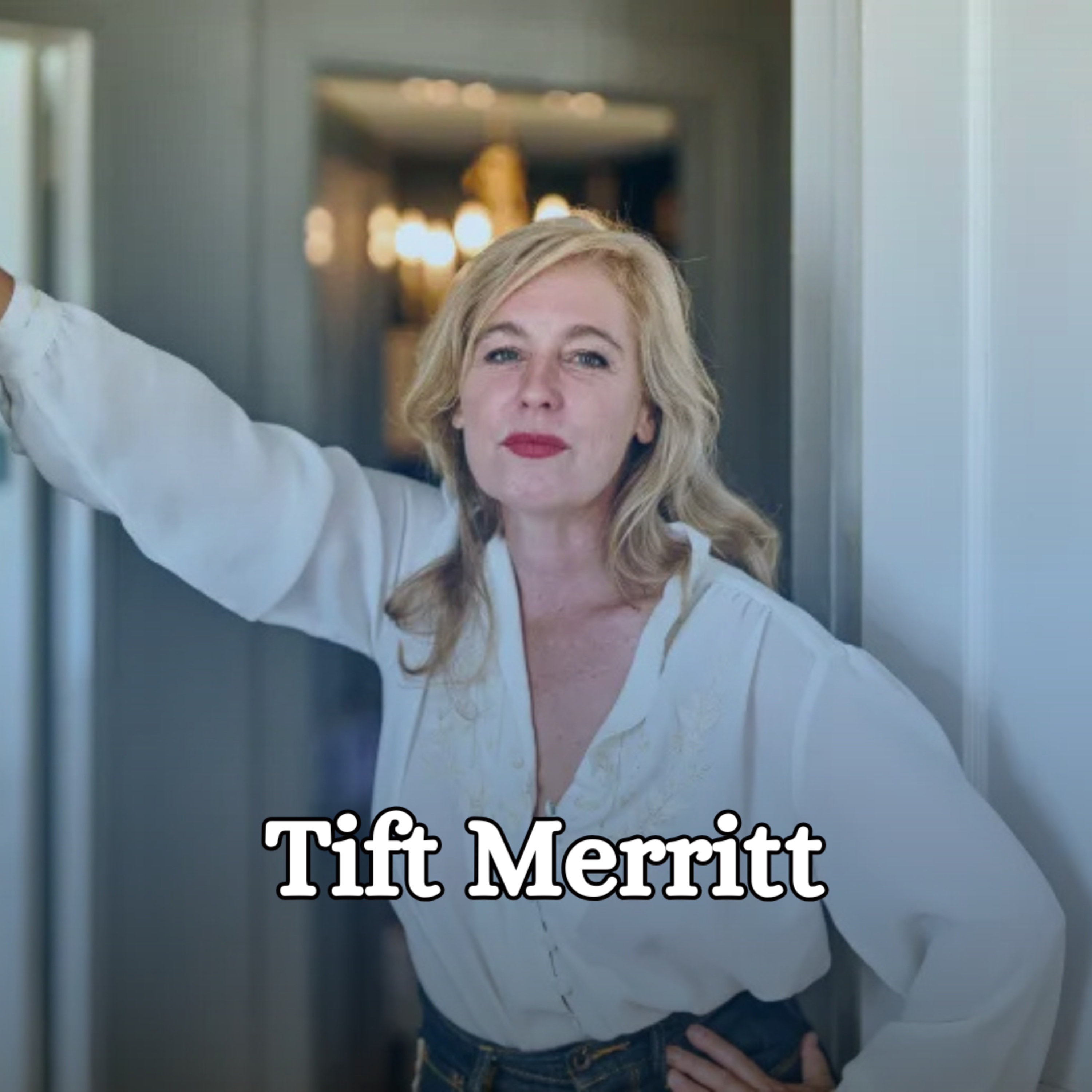
Understanding the Career and Financial Profile of Tift Merritt
Tift Merritt is a critically acclaimed American singer-songwriter and musician known for her distinctive blend of country, folk, and Americana. As of 2026, estimations of her net worth are generally placed in the range of $1 million to...
Tift Merritt is a critically acclaimed American singer-songwriter and musician known for her distinctive blend of country, folk, and Americana. As of 2026, estimations of her net worth are generally placed in the range of $1 million to $5 million, a figure derived from over two decades of touring, record sales, songwriting royalties, and professional collaborations within the independent music industry.
Contents
The Professional Foundation of an Americana Artist
To understand the financial landscape of an artist like Tift Merritt, one must first look at the unique structure of the independent music business. Unlike major pop icons who often rely on high-volume, mass-market consumption, Merritt has built a career based on critical longevity, a devoted cult following, and high-quality creative output.
Born in Houston, Texas, and raised in Raleigh, North Carolina, Merritt’s path to the music industry began in the late 1990s. Her breakthrough came with her 2002 debut album, Bramble Rose, which gained significant attention and eventually earned her a Grammy nomination in the Best Country Album category. In the music industry, net worth is rarely the result of a single viral moment. Instead, it is the accumulation of various revenue streams that persist long after an initial release.
Primary Revenue Streams for Independent Musicians
For an artist operating in the Americana and singer-songwriter space, income is segmented into several key areas. These categories represent the foundational pillars of financial stability in the arts.
1. Touring and Live Performance
Live performance remains the single largest driver of revenue for most mid-tier touring artists. While the 2020s have seen significant shifts in the economics of touring—including rising costs for transportation, logistics, and personnel—Merritt has consistently maintained a presence on the road. Her ability to play both intimate club dates and larger festival stages allows for tiered ticket pricing and consistent merch sales, which typically carry higher profit margins than digital streaming dividends.
2. Songwriting and Publishing Royalties
One of the most stable forms of income for a songwriter is the collection of publishing royalties. When a song is written by the artist, they retain a portion of the copyright. These assets generate income through:
- Mechanical Royalties: Fees generated from physical record sales and digital streams.
- Performance Royalties: Fees collected when songs are played on radio, in television shows, or in public spaces.
- Synchronization Licensing: Fees paid by film, television, and advertising companies to feature a song in a production. Merritt’s catalog, known for its lyrical depth and atmospheric quality, has been a frequent candidate for such placements, providing periodic, high-value injections of capital.
3. Recording Contracts and Independent Releases
Merritt’s career has seen her work with major labels like Lost Highway and later transition to independent models. While major labels often provide higher upfront advances, they also entail more restrictive recoupment clauses. Independent distribution allows for a higher percentage of royalties per unit, though it requires the artist to take on more of the financial burden for marketing and production. This transition is a common strategic pivot for veteran artists seeking greater control over their master recordings.
Industry Context and Economic Realities
The concept of "net worth" in the context of a working musician is often misunderstood by the public. It does not represent a liquid cash pile, but rather a calculation of total assets minus liabilities. These assets include:
- Master Recording Ownership: The rights to the back catalog of music.
- Real Estate: Primary residences or studio spaces acquired through long-term earnings.
- Investment Portfolios: Income reinvested into traditional financial markets or retirement accounts, a standard practice for long-term professionals in the arts.
It is important to note that artists in the Americana genre typically avoid the "boom and bust" cycle associated with short-term celebrity. Their financial health is predicated on a steady "long tail" of income. The 2026 economic landscape for musicians involves a complex balance of rising inflation-adjusted operating costs versus the steady decline in physical sales, mitigated by the stability of a loyal fan base that continues to purchase vinyl, concert tickets, and exclusive fan-club content.
Comparative Financial Profiles
To provide a better perspective on these figures, we can compare the financial structures of various tiers of musical artists.
| Artist Segment | Primary Income Drivers | Profitability Focus |
|---|---|---|
| Major Pop Icon | Brand deals, stadium tours, massive streaming volume | High gross, extreme overhead |
| Americana/Singer-Songwriter | Touring, publishing, merch, sync licensing | High margin, sustained longevity |
| Session Musician | Per-service fees, union scale, studio hourly rates | Consistent billable hours |
| Independent Producer | Production fees, royalty points on finished tracks | Scalability, equipment investment |
Challenges and Financial Volatility
The life of a professional musician is inherently volatile. Expenses such as health insurance, retirement planning, and instrument maintenance are managed entirely by the artist. Furthermore, the reliance on touring as a primary income source poses risks related to health, travel logistics, and the unpredictability of global market trends.
Artists like Tift Merritt often mitigate these risks by diversifying their career interests. This may include teaching songwriting workshops, participating in collaborative artistic projects, or engaging in literary or academic work, which provides a layer of professional insulation against the fluctuations of the commercial music market.
Frequently Asked Questions
Is Tift Merritt a millionaire? Yes, industry estimates place her net worth in the low seven-figure range. This is the result of a two-decade career characterized by consistent touring, critical acclaim, and the retention of creative rights over much of her catalog.
How do songwriters make money in 2026? Songwriters primarily earn through a mix of performance royalties (radio/live play), mechanical royalties (streaming/physical sales), and "sync" fees (licensing music for visual media). The rise of direct-to-fan platforms has also allowed artists to capture a higher percentage of profit than traditional retail models allowed.
Why is there no exact figure for her net worth? Wealth estimations for non-public figures—even those with high public profiles—are based on public records and reported earnings. Private investments, debt obligations, and non-public business assets remain private, making any specific dollar amount an approximation rather than a verified balance sheet.
Does touring still pay well? Touring remains a significant revenue source, but profit margins have tightened due to the rising costs of fuel, crew labor, and venue fees. For established artists with a dedicated following, touring remains the most effective way to engage fans and drive merchandise sales, which often represent a significant portion of the total net income from a tour cycle.
What is the impact of streaming on her financial health? While streaming pays lower rates per individual play compared to traditional sales, the "long tail" effect means that a deep catalog of high-quality songs can provide a consistent baseline of income that persists for years without requiring active promotion.
Next Steps for Evaluating Artist Finances
When researching the financial status of artists, it is crucial to recognize that the most accurate indicators of an artist’s success are their touring consistency, the frequency of their releases, and the degree of control they maintain over their song catalogs. Readers should rely on professional trade journals such as Billboard or Pollstar for industry reporting rather than speculative celebrity wealth websites, which often use generic, unverified algorithms.
If you are an aspiring musician or investor looking into the music industry, focus on the "rights-based" economy. The value of any artist, regardless of their genre, is ultimately tied to the underlying copyrights they own and their ability to mobilize their audience for live experiences.
Image Gallery