Peter Budaj: From NHL Crease to Coaching Excellence
Peter Budaj transitioned from a successful 14-season professional goaltending career in the National Hockey League (NHL) to a dedicated role in coaching and player development. His journey highlights the evolution of a veteran athlete...
Peter Budaj transitioned from a successful 14-season professional goaltending career in the National Hockey League (NHL) to a dedicated role in coaching and player development. His journey highlights the evolution of a veteran athlete who leveraged his deep experience in high-pressure situations to mentor the next generation of goaltenders, moving from the playing surface to the training camp and administrative side of professional hockey.
Contents
The Playing Career: A Foundation of Professionalism
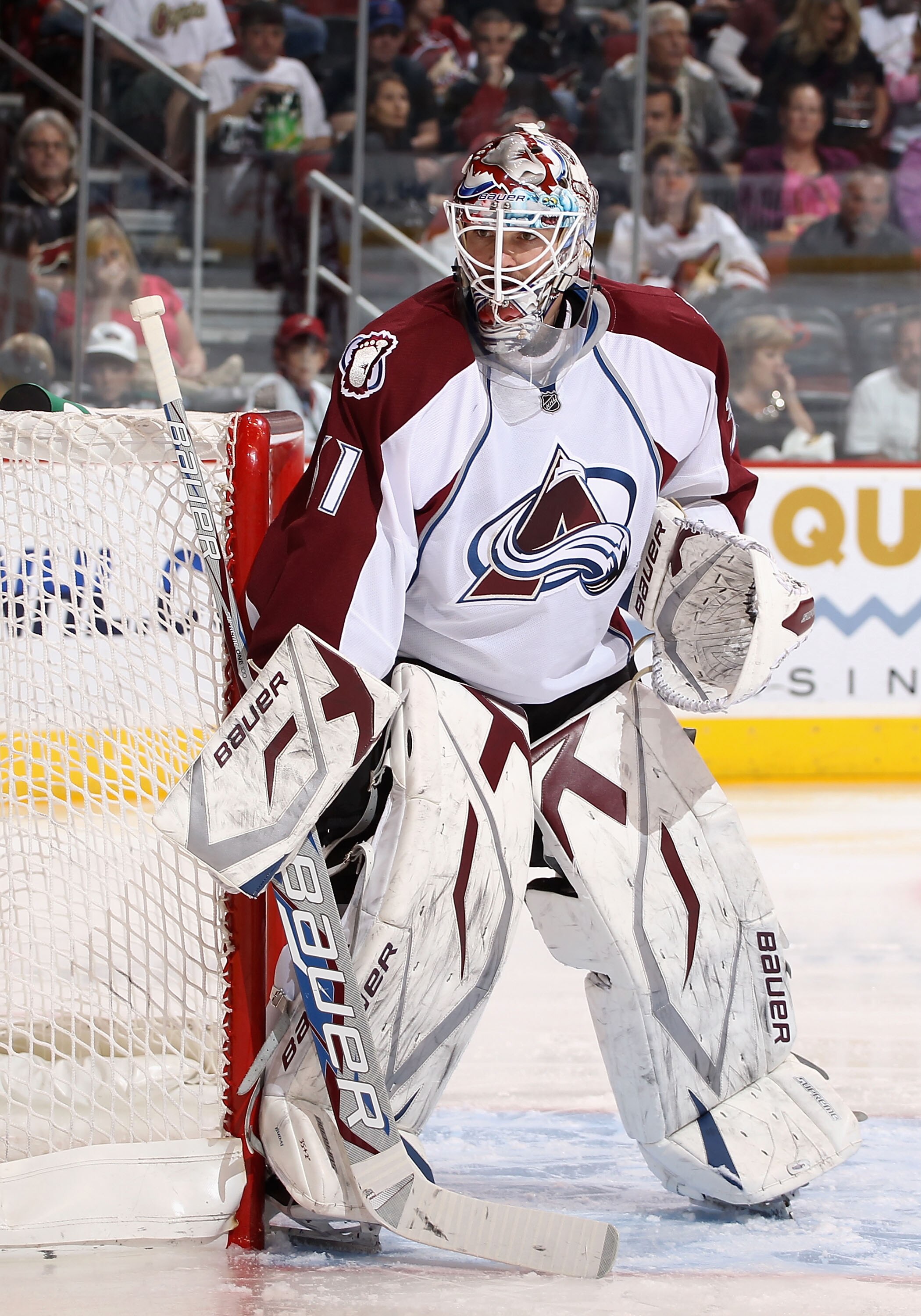
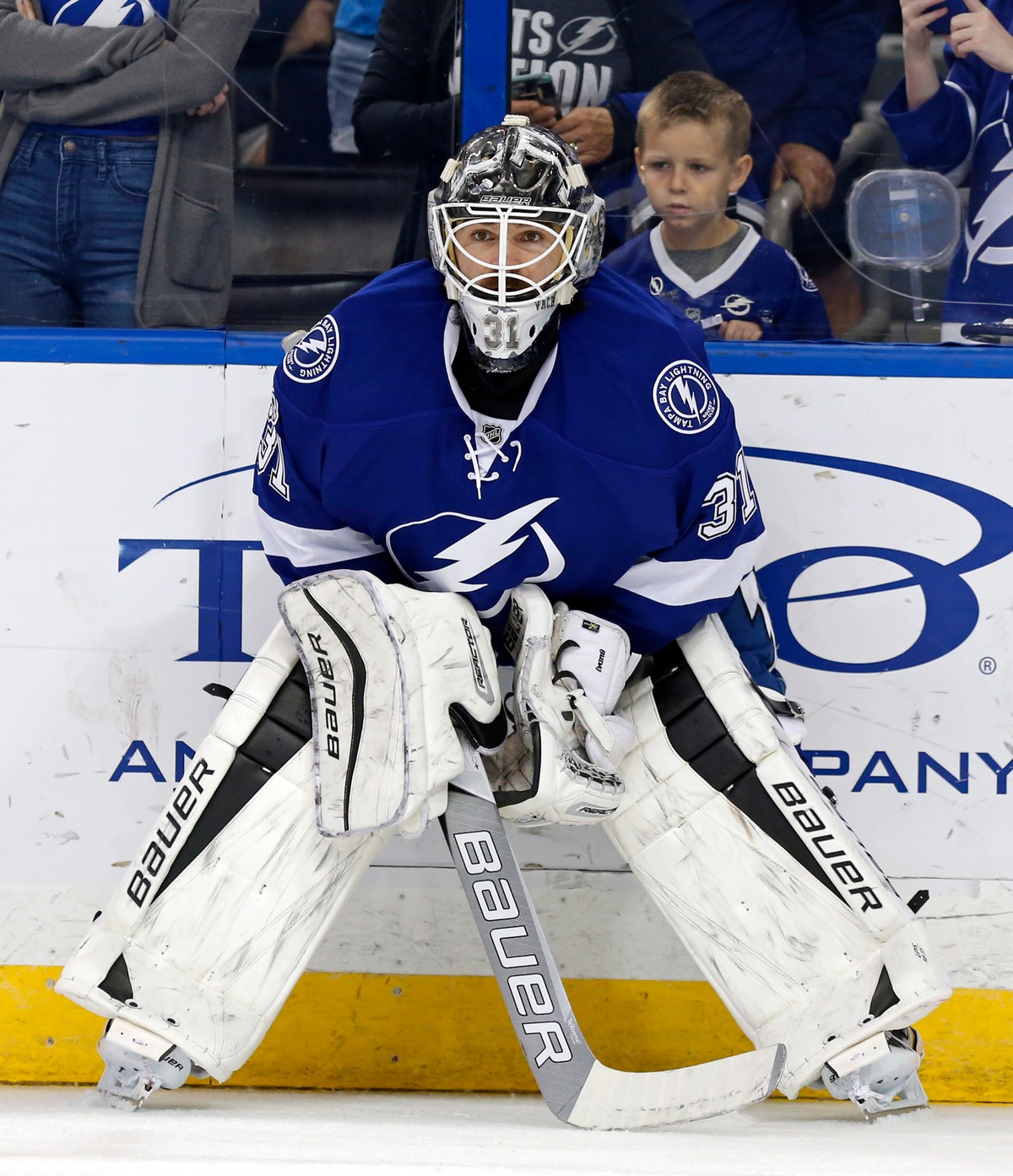
Before stepping into a coaching capacity, Peter Budaj established a reputation as a reliable and hard-working presence in the crease. Born in Banská Bystrica, Czechoslovakia (now Slovakia), Budaj was selected by the Colorado Avalanche in the 2001 NHL Entry Draft. Over his long tenure in the league, he served as a goaltender for the Colorado Avalanche, the Montreal Canadiens, the Winnipeg Jets, the Los Angeles Kings, and the Tampa Bay Lightning.
Budaj’s career was characterized by consistency and adaptability. Perhaps most notably, his 2016-2017 season with the Los Angeles Kings served as a masterclass in professional preparation. Called upon to fill in for an injured starter, Budaj played a heavy workload, providing his team with stability during a critical stretch of the season. This period solidified his standing as a player who understood not only the technical demands of goaltending but also the psychological stamina required to endure the rigors of an 82-game NHL schedule.
Core Strengths of His Playing Style
- Technical Positioning: Budaj was known for his fundamentally sound approach, focusing on squareness to the puck and controlled movements.
- Work Ethic: Peers and coaches frequently cited his relentless preparation, a trait that directly informed his later transition into mentoring.
- Adaptability: Having played for multiple franchises, he learned to integrate into diverse systems, which is a vital skill for any coach tasked with working under different organizational philosophies.
The Transition to Coaching
Retiring as a player in 2019, Budaj did not wander far from the sport. The transition from player to coach is rarely a linear path, but for goaltenders, it often involves a natural shift toward analytical observation. Because goaltending is the most isolated position on the ice, players at that position often spend their careers analyzing shooters, angles, and team defensive schemes.
By 2026, Budaj’s influence in the coaching sphere is characterized by a focus on the specific developmental needs of young goaltenders. His coaching philosophy centers on bridging the gap between raw athleticism and the nuanced, "quiet" game that defines elite NHL goaltending. He emphasizes the importance of mental composure, recognizing that the most significant challenges in modern goaltending are often cognitive rather than physical.
Coaching Methodology and Focus
When coaching, Budaj utilizes his firsthand knowledge of the "battle" state of mind. He advocates for a methodology that prepares goalies to remain functional under extreme fatigue and psychological pressure. This involves structured practice drills that mimic the chaotic nature of rebound situations and high-danger scoring chances.
Key Focus Areas for Developing Goalies
- Situational Awareness: Training goalies to read the play before the puck is released, reducing the reliance on desperation saves.
- Efficiency of Movement: Eliminating wasted motion to ensure the goalie is set and balanced when the shot arrives.
- Resilience Training: Developing the emotional intelligence required to bounce back after allowing a goal, a skill Budaj famously demonstrated throughout his playing career.
Comparison of Goaltender Developmental Models
The role of a goaltending coach has evolved significantly since the early 2000s. Today, it incorporates advanced data analytics, video breakdown software, and specialized skating mechanics. The following table illustrates the shift from traditional mentorship to the integrated coaching model Budaj participates in today.
| Feature | Traditional Goaltender Mentorship | Modern Integrated Coaching |
|---|---|---|
| Data Usage | Limited/Subjective | Heavy/Predictive Analytics |
| Technical Focus | Basic saves and reaction time | Skating mechanics and posture |
| Mental Game | "Toughness" through trial | Cognitive psychology and focus |
| Video Review | Post-game highlights | Real-time tactical tracking |
Challenges in Coaching Modern Goaltenders
The professional landscape of 2026 presents unique challenges for former players turned coaches. The speed of the game has increased, and the offensive tactics utilized by teams—such as cross-crease passing and screen-heavy strategies—have made the goaltender’s job exponentially harder.
Budaj’s approach addresses these challenges by prioritizing high-frequency, low-mistake drills. He acknowledges that modern goaltenders are often technically superior to those of the previous era, meaning the coach’s role is less about teaching "how to save" and more about teaching "how to manage the game." This involves decision-making processes, such as knowing when to track the puck versus when to retreat into the crease, which are lessons best taught by those who have lived the experience at the highest level.
FAQ: Understanding the NHL Goaltender Transition
Why do veteran goalies often make successful coaches?
Veteran goalies have spent thousands of hours studying the release points and tendencies of opposing shooters. This analytical background allows them to translate complex patterns into simple, actionable advice for younger players.
What is the most critical skill Budaj emphasizes?
Consistency. Budaj focuses on the "process" rather than the result. He teaches that if a goaltender executes their positioning and technical base correctly, the results will follow, regardless of individual outcomes in a single game.
How does technology impact Budaj’s coaching?
In the current era, coaches use wearable technology to monitor heart rate and stress levels during practice. Budaj utilizes this data to ensure his goalies are practicing at a game-like intensity without risking overtraining.
Can a former goalie successfully coach non-goalies?
While Budaj’s primary expertise lies in goaltending, his understanding of defensive team systems makes him a valuable asset in broad coaching staffs. He can provide unique feedback to defensemen regarding where to place their bodies to provide maximum cover for the netminder.
What is the primary difference between a scout and a coach?
A scout evaluates performance to project future potential, whereas a coach works within an organization to actively mold and improve that performance daily. Budaj’s role is firmly rooted in the latter.
Next Steps for Aspiring Goaltenders
For those looking to understand the technical nuances of the position, the best next step is to analyze the game through a structured lens. Rather than watching for goals, focus on the goaltender's head movement and footwork during the three seconds preceding a shot. Aspiring coaches should focus on studying the intersection of biomechanics and game theory, as this represents the current frontier of professional hockey development. Peter Budaj’s career trajectory serves as an ideal case study for how a professional athlete can successfully channel their competitive fire into a sustainable and impactful career behind the bench.
Image Gallery