Bozo the Clown Died: The True Story Behind the Headlines and Legends
The true story behind headlines claiming "Bozo the Clown died" is that Bozo was not a single individual, but a syndicated media franchise played by multiple actors over several decades. When major news outlets reported Bozo's death, th...
The true story behind headlines claiming "Bozo the Clown died" is that Bozo was not a single individual, but a syndicated media franchise played by multiple actors over several decades. When major news outlets reported Bozo's death, they were covering different performers—most notably Bob Bell (1997), Larry Harmon (2008), Frank Avruch (2018), or Willard Scott (2021).
Contents
Why "Bozo the Clown Died" Headlines Created Decades of Confusion
For generations of television viewers, Bozo the Clown was a staple of morning and afternoon children’s entertainment. Children growing up in Chicago watched a completely different live-action Bozo than children in Boston, Washington, D.C., or Los Angeles. Because local television stations produced their own regional versions of the character, public understanding of who "Bozo" actually was became blurred.
When news organizations periodically published obituaries with titles like "Bozo the Clown Dies at Age 83," audiences frequently reacted with shock, assuming the beloved performer they remembered from their childhood had passed away. In reality, these obituaries marked the deaths of distinct men who wore the iconic red hair, blue suit, and white face paint at different points in broadcast history.
To understand the full story behind Bozo's legacy and the recurring obituaries, one must examine how Bozo transformed from a promotional audio character into the most successful franchised clown in television history.
The Birth of Bozo: From Record Albums to Local Television
Bozo the Clown was not created by a circus performer or a TV station. The character was invented in 1946 by Alan W. Livingston, an executive at Capitol Records. Livingston created Bozo as the central character for a series of children's audio storybooks called Bozo at the Circus. The record sets featured a hardcover book paired with a vinyl record, prompting children to turn the page whenever Bozo spoke.
Pinto Colvig: The Original Voice and First Live-Action Bozo
The original voice of Bozo on those early Capitol Records releases belonged to Vance DeBar "Pinto" Colvig. Colvig was a former circus clown, animator, and veteran voice actor who had already achieved fame as the original voice of Walt Disney's Goofy and Grumpy (from Snow White and the Seven Dwarfs), as well as Bluto in the Popeye animated shorts.
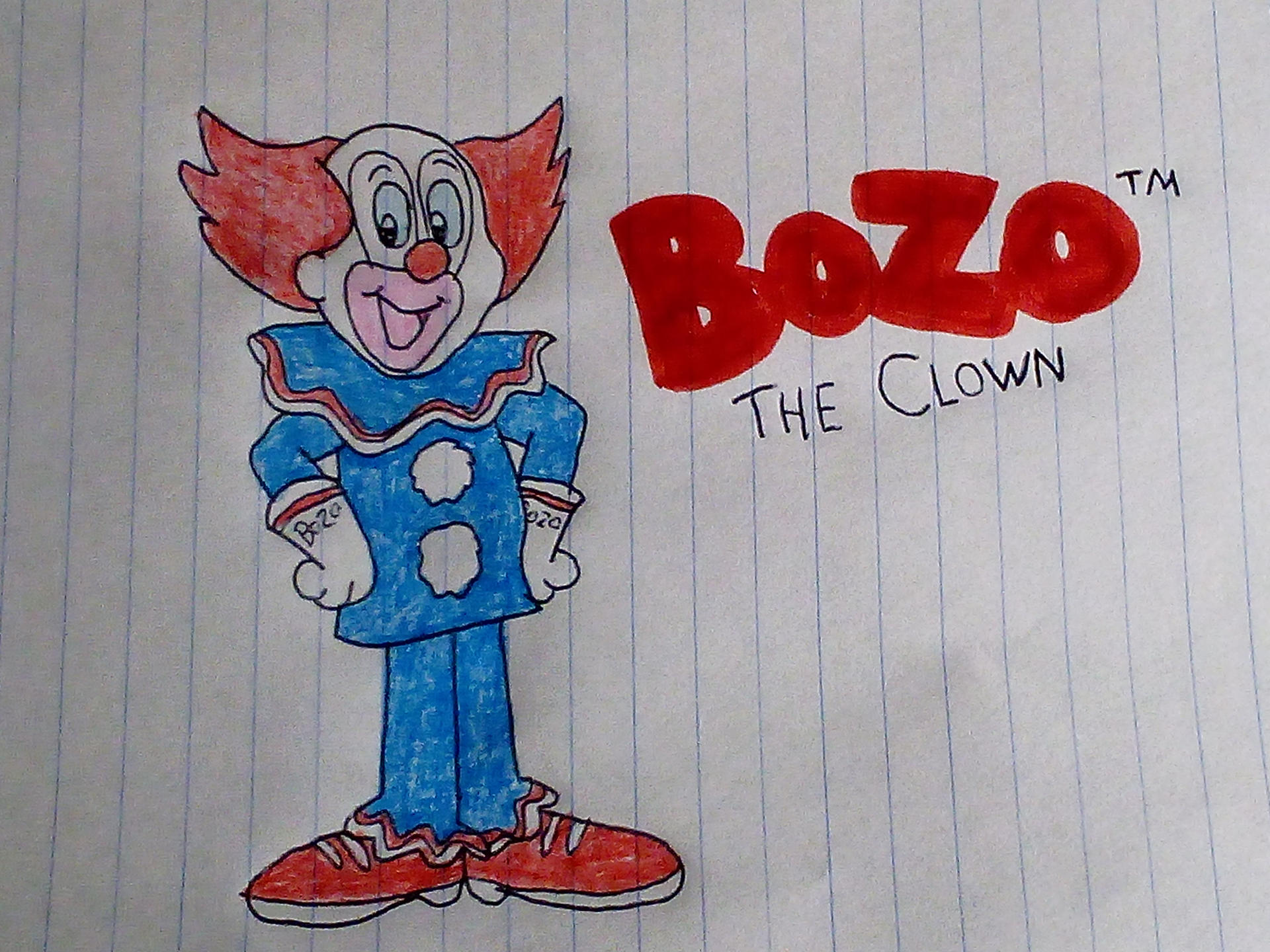
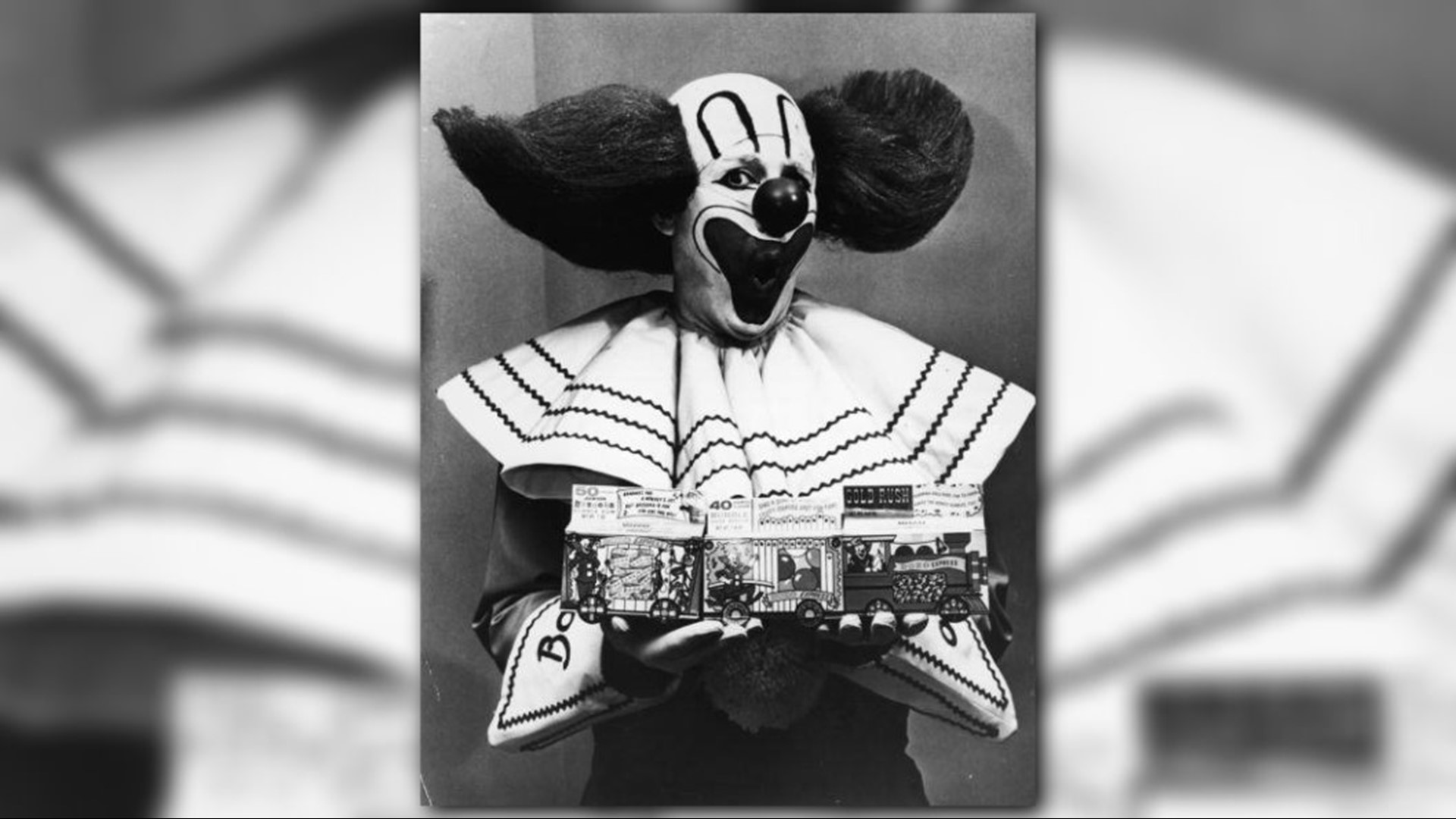
In 1949, television station KTTV in Los Angeles launched the very first live-action Bozo's Circus television show, starring Colvig in full costume and makeup. Colvig performed as Bozo until 1956, setting the visual standard for the character's signature look:
- Bright red bulbous hair tufts extending from the sides of a bald cap.
- A bright blue fabric suit with a white ruffle collar.
- Exaggerated white face paint with an enlarged red smile.
Pinto Colvig passed away from lung cancer on October 3, 1967, at the age of 75. His passing was the first historical instance of "the original Bozo" dying, though by 1967, the character had already been franchised nationwide.
The Larry Harmon Era: Turning Bozo into a Global Franchise
In 1956, an ambitious entrepreneur and entertainer named Larry Harmon bought the rights to the Bozo character from Capitol Records alongside a group of investors. Harmon eventually bought out his partners and established Larry Harmon Pictures Corporation, turning Bozo into an unprecedented television franchise.
Harmon recognized that local television stations in the late 1950s were hungry for localized children's programming. Rather than producing one single national show, Harmon licensed the Bozo character to local stations across the United States and abroad.
[Capitol Records (1946)] ➔ [Larry Harmon Rights Acquisition (1956)] ➔ [Local TV Franchising (1950s-1990s)]
Under Harmon’s business model:
- Local TV stations purchased a franchise package that included rights to use the Bozo name and costume.
- Stations received library access to animated Bozo cartoons produced by Harmon’s animation studio.
- Local actors were hired by the stations and sent to "Bozo School," where Larry Harmon personally trained them to mimic Bozo's voice, laughs, body language, and makeup application.
At the peak of the franchise's popularity, more than 40 local TV stations across the United States were broadcasting their own live, locally produced Bozo shows simultaneously. Internationally, franchises were launched in countries such as Brazil, Mexico, Thailand, and Greece.
Because of this unique business structure, when Larry Harmon passed away on July 3, 2008, at age 83, headlines worldwide declared that "Bozo the Clown" had died. While Harmon had occasionally portrayed Bozo in promotional appearances and voiced the character in animated shorts, he was primarily the business mogul and trademark guardian behind the brand rather than the daily television performer most viewers watched.
Profiles of the Most Famous Actors Who Played Bozo
Because so many men portrayed the character, confusion lingering around "Bozo's death" usually stems from four key performers whose obituaries made national news.
1. Bob Bell (Chicago's Iconic WGN Bozo)
- Active Years as Bozo: 1960–1984
- Date of Death: December 8, 1997 (Age 75)
- Legacy: For tens of millions of viewers across North America, Bob Bell was the definitive Bozo. Bell launched Bozo's Circus on WGN-TV in Chicago on September 11, 1960. When WGN became a national satellite superstation in the late 1970s, Bell's show was broadcast into millions of homes across the United States.
Bell introduced iconic segments like the "Grand Prize Game," where children tossed ping-pong balls into numbered buckets to win prizes, including crisp $100 bills placed in Bucket #6. The ticket waiting list for Bozo's Circus in Chicago became legendary, stretching up to 10 years in advance. Bell retired in 1984 due to heart issues and was inducted into the International Clown Hall of Fame in 1996. When he died in 1997, millions of Midwestern and national fans mourned the man who defined childhood TV.
2. Larry Harmon (The Creator & Franchise Owner)
- Active Years: 1956–2008 (Franchise Owner & Voice Actor)
- Date of Death: July 3, 2008 (Age 83)
- Legacy: Harmon was the marketing genius who expanded Bozo worldwide. He trained over 200 actors to play the role and strictly enforced quality control over the character's image. His death from congestive heart failure in 2008 triggered global obituaries detailing his half-century stewardship of the franchise.
3. Frank Avruch (Boston's Nationally Syndicated Bozo)
- Active Years as Bozo: 1959–1970
- Date of Death: March 20, 2018 (Age 89)
- Legacy: Frank Avruch played Bozo for WHDH-TV in Boston. In 1966, Larry Harmon selected Avruch’s Boston-produced show to be syndicated in markets that did not produce their own live Bozo programs. As a result, Avruch became the first version of Bozo to reach a nationwide syndicated TV audience. Beyond his work as a clown, Avruch was a respected Boston broadcaster, news anchor, and UNICEF ambassador. His death in 2018 led to another wave of "Bozo the Clown dies" headlines.
4. Willard Scott (Washington, D.C.'s Local Bozo)
- Active Years as Bozo: 1959–1962
- Date of Death: September 4, 2021 (Age 87)
- Legacy: Long before he achieved national fame as the beloved, charismatic weather presenter on NBC's Today Show, Willard Scott portrayed Bozo the Clown for WRC-TV in Washington, D.C. Scott's stint as Bozo directly led to him being hired by local franchisee McDonald's to create and portray their original mascot, Ronald McDonald, in 1963. When Scott passed away in 2021, news coverage highlighted his early career roots in the Bozo suit.
Comprehensive Comparison of Key Bozo Performers
The following table breaks down the key individuals associated with Bozo the Clown, their broadcasting roles, active periods, and historical dates of passing:
| Actor / Key Figure | Primary Region / Media | Active Bozo Era | Date of Passing | Major Contribution to Franchise |
|---|---|---|---|---|
| Alan W. Livingston | Capitol Records | 1946 (Creator) | March 13, 2009 | Invented the Bozo character and conceptualized the audio-storybook format. |
| Pinto Colvig | KTTV Los Angeles / Audio | 1946–1956 | October 3, 1967 | Original voice of Bozo; first actor to portray live-action Bozo on TV. |
| Larry Harmon | Franchise Owner / Voice | 1956–2008 | July 3, 2008 | Purchased rights, animated Bozo shorts, and trained 200+ local TV Bozos worldwide. |
| Willard Scott | WRC-TV Washington, D.C. | 1959–1962 | September 4, 2021 | Played local TV Bozo; leveraged experience to create Ronald McDonald in 1963. |
| Frank Avruch | WHDH-TV Boston | 1959–1970 | March 20, 2018 | Starred in the first nationally syndicated television version of Bozo's Circus. |
| Bob Bell | WGN-TV Chicago | 1960–1984 | December 8, 1997 | Most famous live-action Bozo; elevated show to national prominence on WGN. |
| Joey D'Auria | WGN-TV Chicago | 1984–2001 | Living | Succeeded Bob Bell; starred on WGN until the final episode broadcast in 2001. |
Separating Fact from Urban Legends Surrounding Bozo's History
Because Bozo existed across multiple decades of live, unedited local television, numerous urban legends and myths grew around the character and the actors who played him.
Myth 1: A Child Cussed Out Bozo on Live TV ("Cram It, Clown!")
The most famous urban legend in broadcasting history claims that during a live broadcast of the Grand Prize Game, a frustrated child missed a bucket, turned to Bozo (usually alleged to be Bob Bell or Joey D'Auria), and said, "Cram it, clown!" to which Bozo supposedly replied, "That's a bozo no-no!"
- The Reality: This incident never happened. Media historians, museum curators, and WGN station archivists have thoroughly reviewed decades of broadcast tapes and studio logs. No record or recording of such an exchange exists. Both Bob Bell and Joey D'Auria repeatedly denied that the event ever occurred, attributing the story to a widely circulated playground myth that gained traction in the 1970s and 1980s.
Myth 2: Bozo Died on Live Television During a Show
Another common rumor suggests that one of the actors portraying Bozo suffered a fatal heart attack live on air while entertaining children.
- The Reality: No actor portraying Bozo ever died on air. All major performers retired from the role years or decades before their passings. For example, Bob Bell retired in 1984 and passed away 13 years later in 1997. Frank Avruch stopped playing Bozo in 1970 and died in 2018.
Myth 3: There Was Only Ever One Official Bozo
Many viewers who grew up before the era of widespread internet assumed that the Bozo they watched on their local channel was the only Bozo in existence.
- The Reality: As detailed by historical records, Larry Harmon's licensing model explicitly allowed dozens of actors to play Bozo simultaneously in different broadcast markets. Every local actor was official, licensed, and trained to perform under the single corporate brand.
The End of the Franchise Era and Bozo’s Legacy
By the late 1990s, changing television regulations, shifts in child audience demographics, and the rise of cable networks like Nickelodeon and Cartoon Network rendered local children's studio shows obsolete.
WGN-TV in Chicago was the final station carrying the torch. After Bob Bell’s retirement in 1984, actor Joey D'Auria took over the role, performing successfully as Bozo for another 17 years. On July 14, 2001, WGN aired a prime-time special titled Bozo: 40 Years of Fun!, marking the final taping of the long-running franchise.
Although live TV broadcasts of Bozo's Circus have ended, the character remains a fundamental icon of American pop culture. The recurring news reports of actors passing away serve as historical markers for the end of a unique era in broadcast history—a time when local television stations created shared community experiences for millions of children every day.
Frequently Asked Questions
Which actor played Bozo the Clown the longest?
Bob Bell played Bozo the Clown on WGN-TV in Chicago for 24 consecutive years, from 1960 until his retirement in 1984. Joey D'Auria subsequently played the character on WGN for 17 years, from 1984 until the show concluded in 2001.
Is the actor who played Bozo the Clown still alive?
While major historical figures like Pinto Colvig (d. 1967), Bob Bell (d. 1997), Larry Harmon (d. 2008), Frank Avruch (d. 2018), and Willard Scott (d. 2021) have passed away, Joey D'Auria, who portrayed Bozo on WGN-TV from 1984 to 2001, is still alive.
Did Larry Harmon create Bozo the Clown?
No, Larry Harmon did not create the character. Bozo was created in 1946 by Capitol Records executive Alan W. Livingston. Harmon purchased the rights to Bozo in 1956 and created the national TV franchising and animation model that made the character globally famous.
Why did so many different TV stations have their own Bozo?
Larry Harmon Pictures Corporation operated Bozo as a licensed franchise. Local television stations purchased rights to use the character name and costumes, air animated shorts, and hire local performers whom Harmon trained to maintain brand consistency.
When did the last Bozo the Clown TV show air?
The last regularly scheduled live-action Bozo television show was The Bozo Super Sunday Show on WGN-TV Chicago, which aired its final recorded episode on July 14, 2001.
How to Verify Broadcast History and Pop Culture Records
When researching classic television history, obituaries, and pop culture rumors surrounding iconic characters, rely on verified primary archives rather than unverified forum posts:
- Consult Official Archives: Archives such as the Museum of Broadcast Communications provide verified documentation, production logs, and footage from local television franchises like WGN's Bozo's Circus.
- Cross-Reference Industry Obituaries: Major publications like The New York Times, Los Angeles Times, and Associated Press maintain detailed biographical archives detailing exact dates and credentials for historical performers.
- Verify Trademark and Business Records: Official corporate entities, such as Larry Harmon Pictures Corporation, hold historical documentation outlining licensing agreements and voice rights across decades of broadcast media.
Image Gallery