Napoleon Dynamite Is a Fictional Character: Exploring Cultural Impact, Production Origins, and Cinematic Legacy
Napoleon Dynamite is a fictional character portrayed by actor Jon Heder in the 2004 indie comedy film Napoleon Dynamite, directed by Jared Hess. Set in the rural landscape of Preston, Idaho, the character is an eccentric, awkward, and...
Napoleon Dynamite is a fictional character portrayed by actor Jon Heder in the 2004 indie comedy film Napoleon Dynamite, directed by Jared Hess. Set in the rural landscape of Preston, Idaho, the character is an eccentric, awkward, and socially alienated high school teenager whose distinct aesthetic, mannerisms, and quotable dialogue transformed him into a defining figure of 2000s pop culture.
Contents
Understanding the cinematic origins, cultural footprint, and structural design of this character requires looking past the persistent urban legends that claim he was based on a real-world individual. While the film draws heavily from the real-life experiences of its writer-director, Napoleon Dynamite is a completely fictional creation whose enduring appeal stems from a meticulous blend of deadpan humor, hyper-stylized retro design, and universal themes of teenage alienation.
Cinematic Origins and Character Conception
The genesis of Napoleon Dynamite dates back to the early 2000s, when writer-director Jared Hess was studying at Brigham Young University. Hess collaborated with his then-fiancée (and future co-writer) Jerusha Dunlap to create a short film titled Peluca. Released in 2002, Peluca served as a proof-of-concept for what would become the feature-length film Napoleon Dynamite.
In Peluca, Jon Heder portrayed a nearly identical character named Seth, who shared the same frizzy hair, oversized glasses, moon boots, and general social maladjustment. Impressed by the short film's reception and Heder’s uncanny comedic timing, Hess expanded the concept into a feature script.
Despite persistent rumors that the character was modeled directly on a specific resident of Preston, Idaho, Jared Hess has repeatedly clarified that Napoleon is an amalgamation of various odd acquaintances, childhood memories, and comedic archetypes he encountered growing up in the Intermountain West. The name "Napoleon Dynamite" itself was not taken from a real person; rather, Hess selected "Napoleon" for its distinct historical resonance and "Dynamite" because he felt it sounded energetic and memorable, contrasting sharply with the character's lethargic demeanor. Furthermore, the moniker shares a surprising coincidental link with a pseudonym used by musician Elvis Costello on his 1986 album King of America, though Hess has noted this was entirely unintentional.
Aesthetic, Mannerisms, and Defining Traits
The visual and behavioral construction of Napoleon Dynamite relies heavily on precise character design choices that place him outside conventional adolescent tropes of early-2000s cinema. Unlike standard teen comedy protagonists who seek popularity or romantic validation through overt rebellion, Napoleon exists in a state of suspended animation, entirely unconcerned with societal norms yet deeply sensitive to perceived slights.
Key Characteristics of Napoleon Dynamite
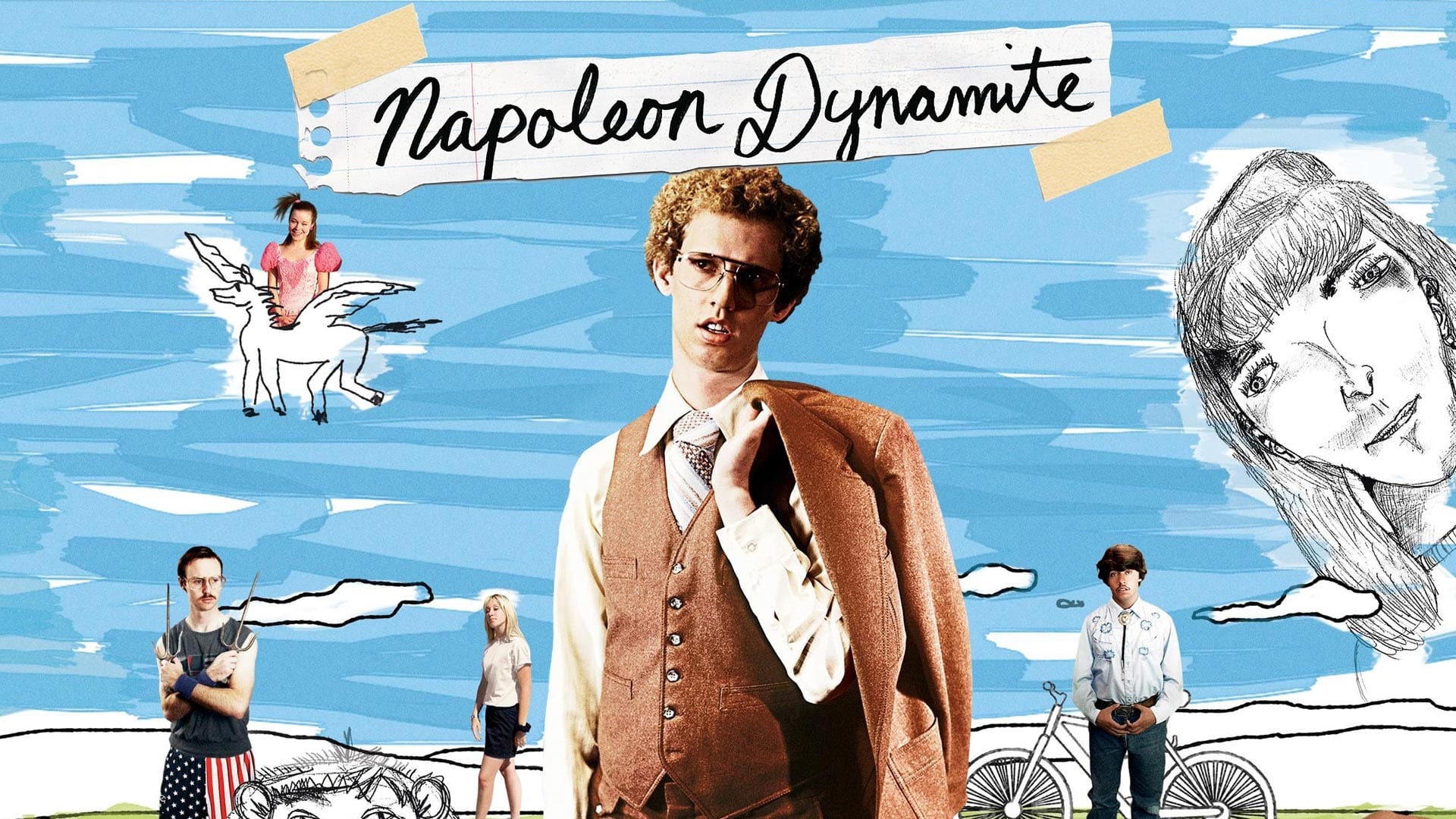
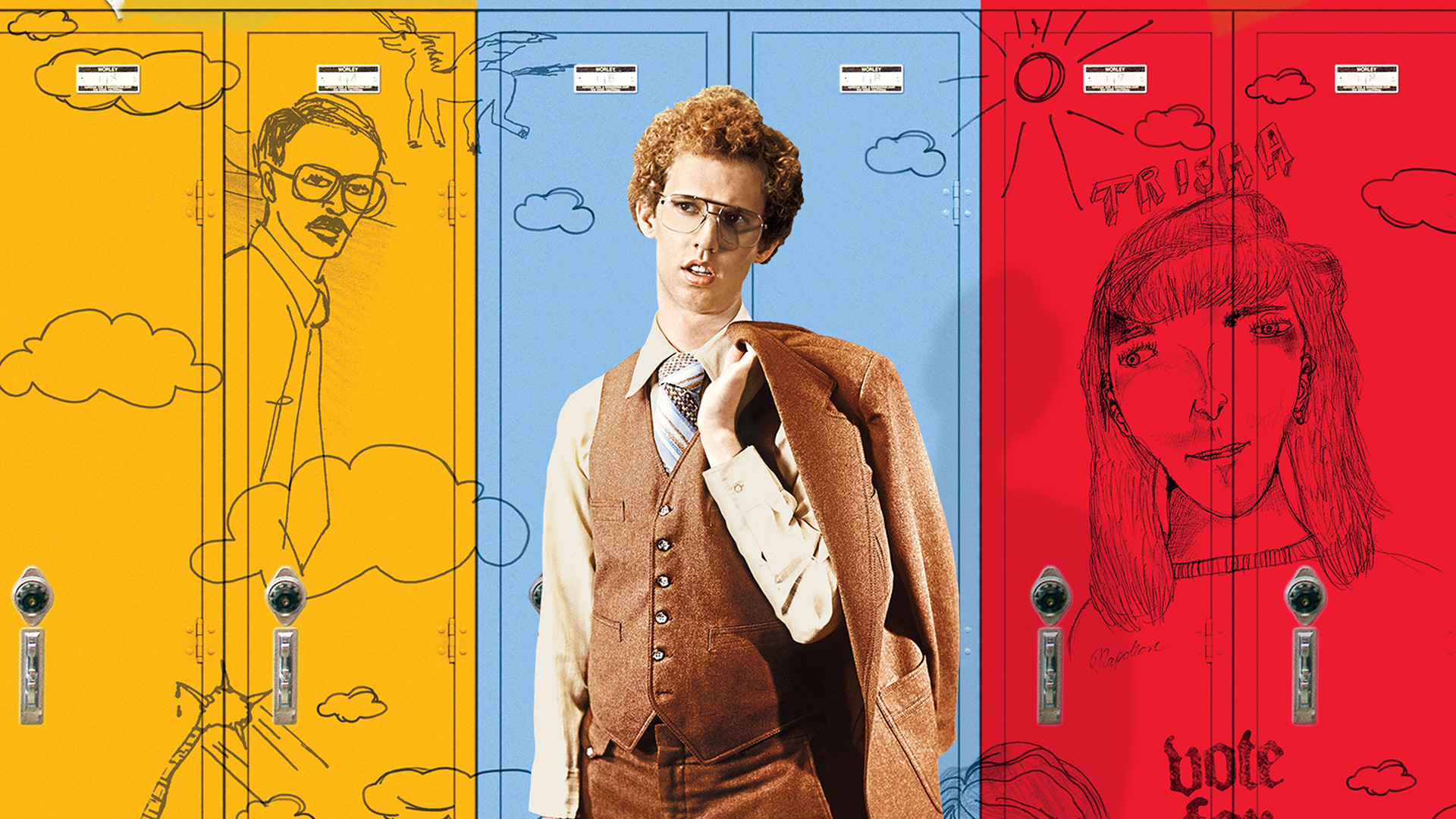
- Visual Style: Characterized by a mop of untamed sandy-brown hair, heavy-framed glasses, graphic T-shirts featuring animals like ligers and horses, and ill-fitting stonewashed jeans.
- Communication Style: Characterized by passive-aggressive dialogue, frequent sighs, grandiose exaggerations about his imaginary skills, and an overall deadpan delivery.
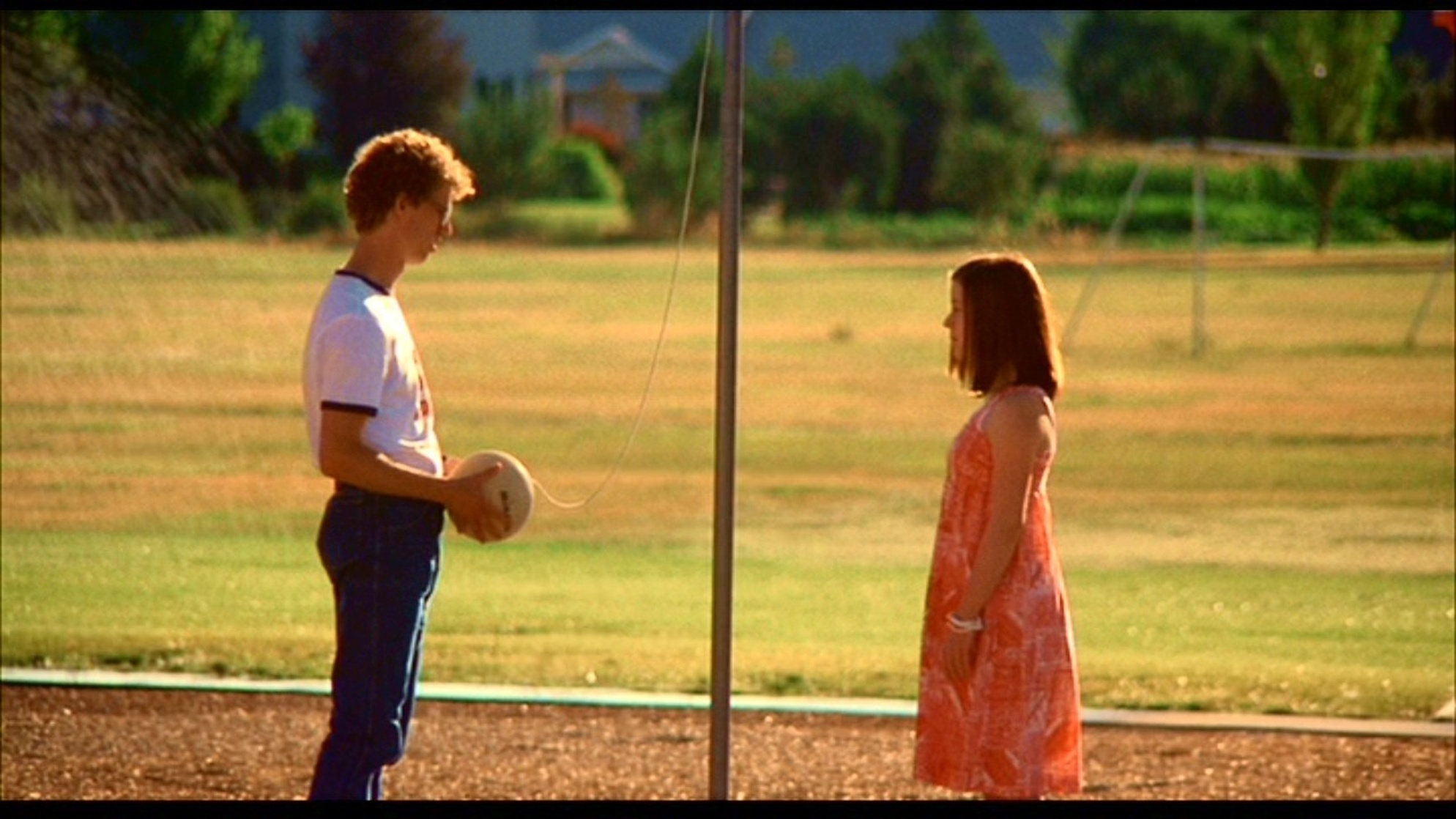
- Hobbies and Pursuits: He spends his time practicing solo martial arts, drawing fantasy creatures (such as ligers—half-lion, half-tiger), playing tetherball, and eventually orchestrating a triumphant, choreography-heavy dance routine to Jamiroquai’s "Canned Heat" for his friend Pedro's class president campaign.
These traits collectively form a shield against a monotonous high school environment populated by indifferent teachers, bullying peers, and an equally eccentric family structure that includes his older brother Kip and his Uncle Rico.
Examining the Fiction vs. Reality Disconnect
Audiences frequently mistake indie films shot on location in small towns for documentaries or biographical features, particularly when the performances possess a high degree of dry realism. This phenomenon affected Napoleon Dynamite significantly upon its theatrical release by Fox Searchlight Pictures and Paramount Pictures.
Viewers often assumed Jon Heder was simply playing an exaggerated version of himself or that the events depicted in the film were drawn from local history in Franklin County, Idaho. In reality, the production operated on a modest budget of approximately $400,000, utilizing local amateur actors for supporting roles alongside professional talent.
| Feature | Fictional Reality (The Film) | Real-World Production Facts |
|---|---|---|
| Setting | Preston High School, Preston, Idaho | Filmed on location in Preston, Idaho, utilizing local residents as extras. |
| Protagonist | Napoleon Dynamite, a 16-year-old high school student | Portrayed by 25-year-old actor Jon Heder, who wore a wig and practiced specific vocal cadences. |
| Central Conflict | Surviving high school social hierarchies and helping Pedro win class president | A fictional narrative constructed by Jared and Jerusha Hess based on composite comedic tropes. |
| Inspiration | None explicitly; composite of suburban/rural quirks | Drawn vaguely from Jared Hess’s childhood observations in Utah and Idaho. |
Recognizing these distinctions helps clarify why attempts to locate the "real" Napoleon Dynamite in public records or local archives yield no results. The character exists entirely within the scripted universe crafted by its writers.
Cultural Impact and Legacy in Modern Media
Over two decades after its 2004 premiere, Napoleon Dynamite maintains a prominent position in American cinematic history as a cult classic. The character's catchphrases—such as "Gosh!", "Your mom goes to college," and inquiries about skills involving "nunchuck skills, bowhunting skills, computer hacking skills"—permeated vernacular culture during the mid-2000s.
The film's success also demonstrated the viability of meme-like dialogue and deadpan aesthetic styling before the widespread adoption of social media algorithms. Napoleon became a precursor to modern internet humor, which frequently embraces awkwardness, mundane surrealism, and deadpan irony. Jon Heder reprised the role for a short-lived animated television series on Fox in 2012, further cementing the character's status as an animated cartoon icon operating outside traditional live-action constraints.
Frequently Asked Questions
Is Napoleon Dynamite based on a real person?
No, Napoleon Dynamite is entirely fictional. While writer-director Jared Hess drew inspiration from the quirky personalities of people he met growing up in Idaho and Utah, the character was fabricated for the 2002 short film Peluca and expanded for the 2004 feature film.
Who played Napoleon Dynamite in the film?
The character was portrayed by actor Jon Heder. At the time of filming, Heder was a student at Brigham Young University, where he met Jared Hess and collaborated on the original short film project.
Where was Napoleon Dynamite filmed?
The film was shot almost entirely on location in and around Preston, Idaho. Many local landmarks, including Preston High School and local farms, served as the actual backdrops for the fictional narrative.
Why did the creators choose the name Napoleon Dynamite?
Jared Hess selected the first name because he appreciated its distinct historical cadence, while "Dynamite" was chosen to give the character an energetic, memorable surname that contrasted ironically with his passive personality.
Did Jon Heder do his own dancing in the movie?
Yes, Jon Heder performed the iconic final dance sequence himself. Heder had a background in breakdancing and hip-hop dance from his college years, which allowed him to execute the choreography without a stunt double.
Next Actions and Further Exploration
For researchers, film students, and pop-culture historians examining early-2000s independent cinema, exploring the production history of Napoleon Dynamite offers valuable insight into micro-budget filmmaking and the mechanics of cult classic distribution. To deepen your understanding, consider reviewing the original short film Peluca to observe how the character's visual design and comedic timing evolved from a low-budget student project into a feature-length cultural touchstone.
Image Gallery