Zlatan Ibrahimović at Manchester United: A Legacy of Impact and Ambition
Zlatan Ibrahimović’s tenure at Manchester United, spanning from 2016 to 2018, remains one of the most defining chapters in the club’s recent history. Joining on a free transfer under manager José Mourinho, the Swedish striker brought a...
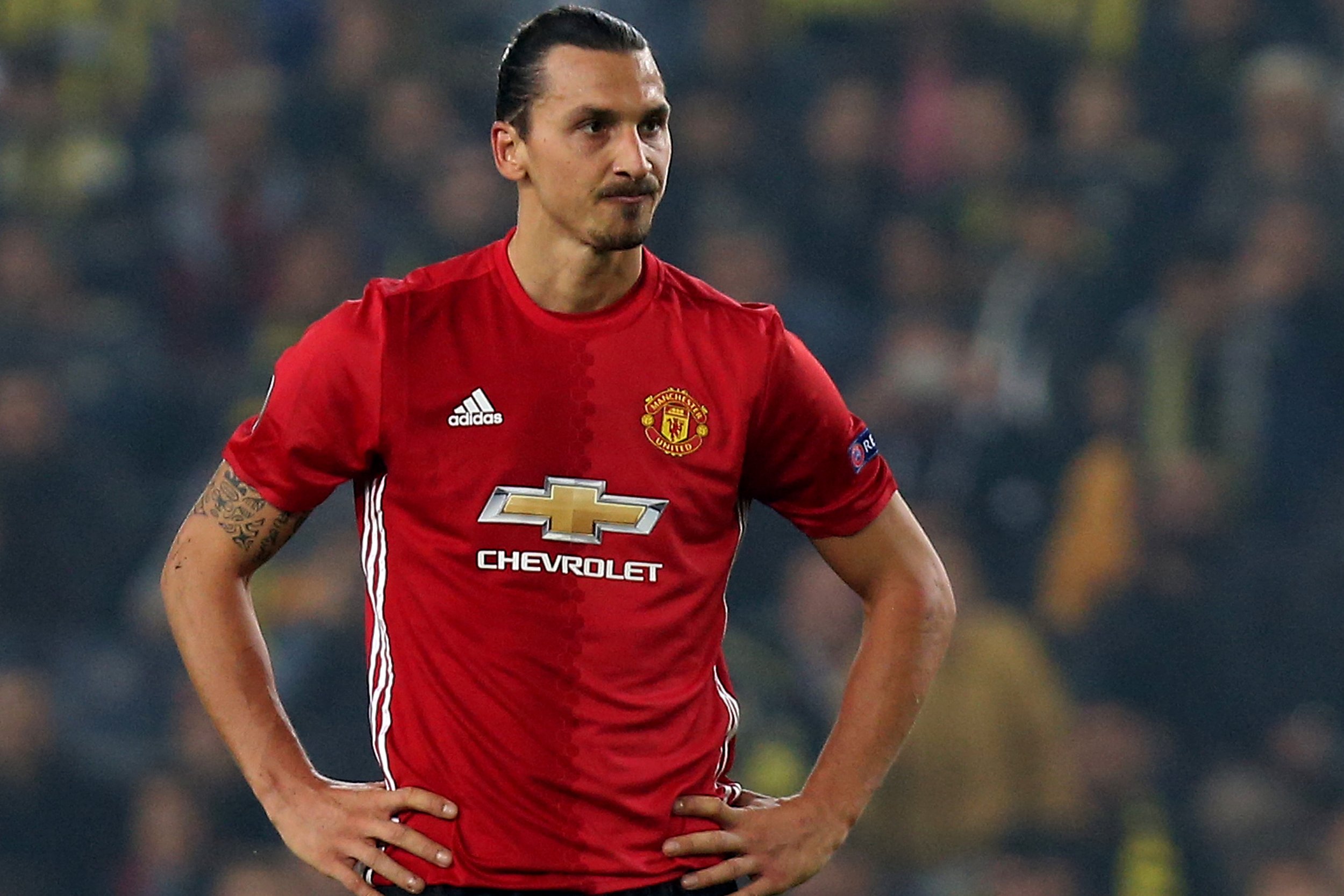
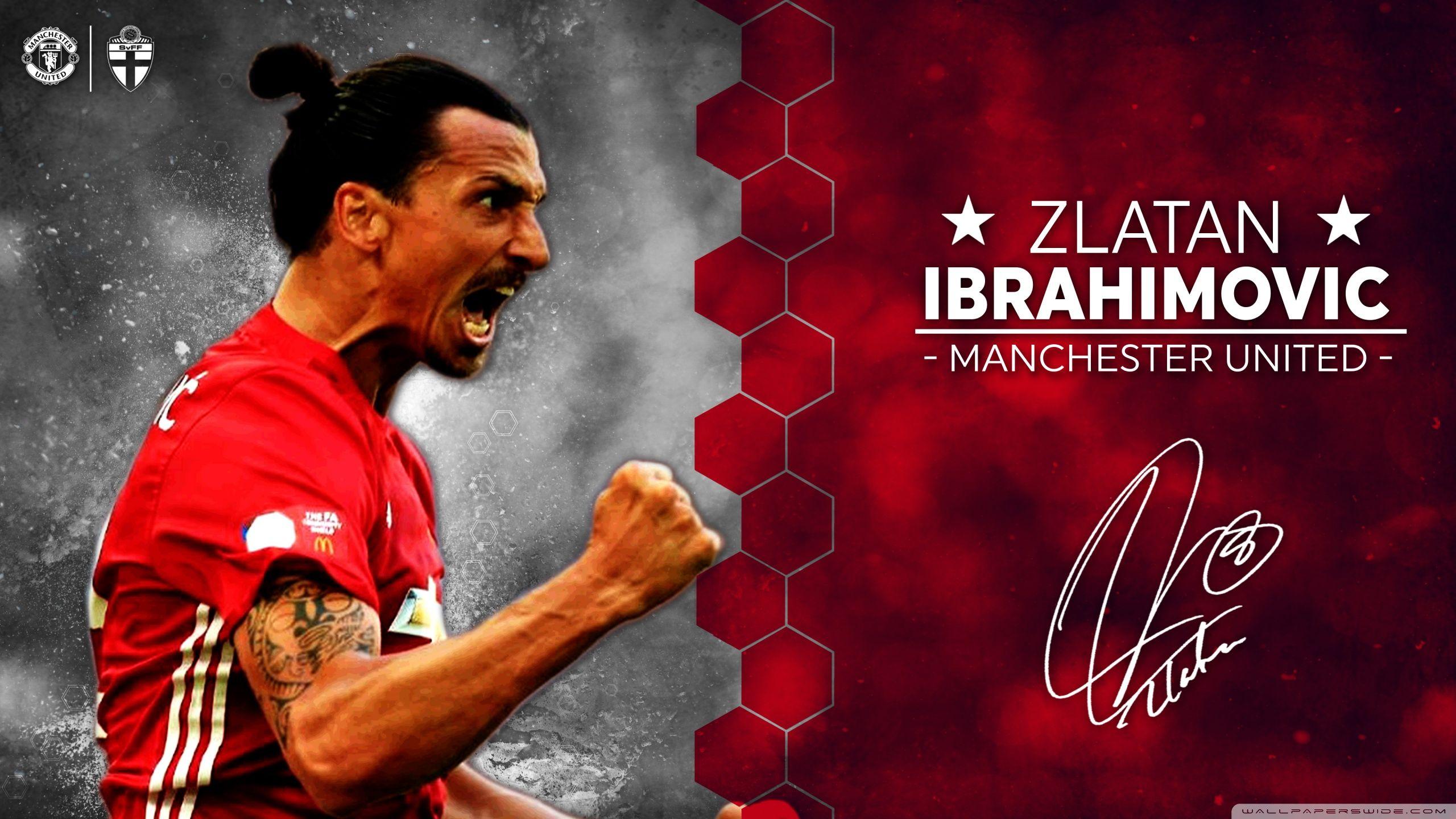
Zlatan Ibrahimović’s tenure at Manchester United, spanning from 2016 to 2018, remains one of the most defining chapters in the club’s recent history. Joining on a free transfer under manager José Mourinho, the Swedish striker brought a unique combination of physical dominance, technical flair, and a polarizing, winning mentality that significantly bolstered the squad during a transitional period for the Red Devils.
Contents
The Arrival: A Statement of Intent
When Manchester United announced the signing of Zlatan Ibrahimović in July 2016, it was viewed as a move that blended immediate quality with a high-profile marketing presence. Ibrahimović, fresh off a prolific season with Paris Saint-Germain, arrived at Old Trafford with a reputation as a serial winner, having secured league titles in the Netherlands, Italy, Spain, and France.
For Manchester United, who were attempting to reclaim their status as Premier League title contenders under José Mourinho, Ibrahimović represented the perfect catalyst. He was not signed for a long-term rebuild but for immediate impact. His presence in the dressing room served as a standard-setter, demanding a level of professionalism and intensity that the manager felt was missing at the time.
Tactical Role and Performance
In Mourinho’s system, Ibrahimović was more than a traditional target man; he functioned as the fulcrum of the attack. By dropping deep to link play, he allowed wingers like Anthony Martial and Marcus Rashford to exploit the spaces behind defensive lines. His technical ability to hold the ball under pressure and his vision for a final pass proved vital in matches where Manchester United struggled to break down deep-sitting opponents.
His 2016–2017 season was statistically exceptional. He finished the campaign as the club’s top scorer in all competitions, netting 28 goals in 46 appearances. Beyond the raw numbers, his contribution to winning silverware was decisive. He scored the winning goal in the 2016 FA Community Shield against Leicester City and notched a crucial brace in the 2017 EFL Cup final against Southampton, effectively delivering two trophies in his debut season.
The Defining Challenge: The Europa League and Injury
The highlight and the tragedy of Ibrahimović’s time in Manchester were inextricably linked during the 2016–2017 UEFA Europa League campaign. As the spearhead of the team, he played a massive role in guiding United to the final in Stockholm. However, during the quarter-final second leg against RSC Anderlecht, he suffered a catastrophic anterior cruciate ligament (ACL) injury.
This injury abruptly ended his season, forcing him to watch the final from the sidelines as his teammates secured the trophy. The recovery process was grueling, and while he signed a contract extension for the 2017–2018 season, the injury had effectively curtailed his ability to maintain his status as a weekly starter. The arrival of Romelu Lukaku during that summer further signaled a shift in the club's strategy, moving toward a more youthful and physically robust long-term option, which eventually led to Ibrahimović’s departure to LA Galaxy in March 2018.
Statistical Overview of Impact
To understand the efficacy of his transfer, one must look at how his output influenced the team’s results during his most active period (2016–2017).
| Competition | Appearances | Goals | Assists |
|---|---|---|---|
| Premier League | 28 | 17 | 5 |
| UEFA Europa League | 11 | 5 | 4 |
| EFL Cup | 5 | 4 | 0 |
| FA Cup | 1 | 1 | 0 |
| Community Shield | 1 | 1 | 0 |
The "Zlatan" Effect: Culture and Mentality
Beyond the statistics, Ibrahimović introduced a psychological shift to Manchester United. In footballing circles, he is known for his immense self-belief, often referred to as the "Zlatan" persona. During his time in Manchester, he was frequently credited by younger players—most notably Marcus Rashford—for teaching them the nuances of the game, the importance of diet, and the mental resilience required to compete at the elite level.
His influence was not without friction. His demand for excellence often meant that teammates were held to an incredibly high standard. While this served to push some players to perform better, it also created a high-pressure environment. Nonetheless, the consensus among observers and teammates was that Ibrahimović’s arrival restored a degree of fear factor that had been waning at Old Trafford since the departure of Sir Alex Ferguson.
Common Questions Regarding the Transfer
Was Zlatan Ibrahimović’s signing considered a success? Yes, it is widely regarded as a success. Despite the injury cutting his time short, he delivered on his primary purpose: to provide a world-class focal point, win trophies, and raise the standards of the squad. The EFL Cup and Europa League titles remain significant achievements from that era.
What was the primary reason for his departure? The combination of his long-term knee injury and the tactical evolution of the team led to his exit. With the arrival of Romelu Lukaku and the desire for more mobility in the forward line, it became clear that Ibrahimović’s playing time would be limited. He chose to move to the MLS to ensure consistent playing minutes.
How did he compare to other strikers in the Premier League at the time? At age 35, he was an outlier. While he lacked the explosive pace of younger forwards like Sergio Agüero or Harry Kane, his spatial awareness, aerial prowess, and clinical finishing allowed him to compete at the very top level of the Premier League, proving that his game was based on intelligence rather than purely physical attributes.
Did his time at Manchester United impact his legacy? It reinforced his reputation as a player capable of thriving in any league. Successfully transitioning to the physicality of English football at an advanced stage of his career validated his status as one of the most versatile and durable strikers of his generation.
What role did he play in mentoring younger players? He was a mentor to the club's youth prospects, particularly Marcus Rashford. He emphasized the importance of hard work in training and maintaining composure in front of goal, leaving a lasting impression on the club's academy graduates.
Are there any lingering controversies from his time there? There were no significant scandals, though his high-profile personality occasionally drew media scrutiny. His outspoken nature sometimes overshadowed team news, but internally, his relationship with manager José Mourinho was professional and built on mutual respect.
Legacy and Final Considerations
Zlatan Ibrahimović’s Manchester United tenure was a short but potent period of success. He provided the necessary bridge between a team struggling to find its identity and one capable of securing continental honors. While the injury in 2017 prevented a longer, potentially more productive stay, his impact on the club’s culture and his ability to deliver when the pressure was highest remain verified milestones of his career.
For those interested in the history of Manchester United’s transfer strategies, the Ibrahimović acquisition remains a case study in the value of experienced, high-ego, but high-performance players. It demonstrated that even in a modern game obsessed with youth and resale value, there is still a vital space for the veteran game-changer who understands how to win.
Image Gallery