The Truth Behind Selena Casket Open Rumors and Cultural Legacy in 2026
Note: This article addresses the historical facts, viral misinformation, and enduring cultural impact surrounding the tragic 1995 death and public viewing of Tejano music icon Selena Quintanilla-Pérez, clarifying persistent myths that...
Note: This article addresses the historical facts, viral misinformation, and enduring cultural impact surrounding the tragic 1995 death and public viewing of Tejano music icon Selena Quintanilla-Pérez, clarifying persistent myths that continue to circulate across digital platforms.
Contents
Decades after her tragic passing on March 31, 1995, the legacy of Selena Quintanilla-Pérez remains profoundly influential. As digital archives expand and new generations discover her timeless catalog, online curiosity frequently resurfaces around specific historical details of her public farewell. Among the most searched and misunderstood queries is the topic of the "selena casket open" searches. Navigating the intersection of public grief, media sensationalism, and digital misinformation requires separating verified historical facts from persistent urban legends.
Historical Context of the 1995 Public Viewing in Corpus Christi
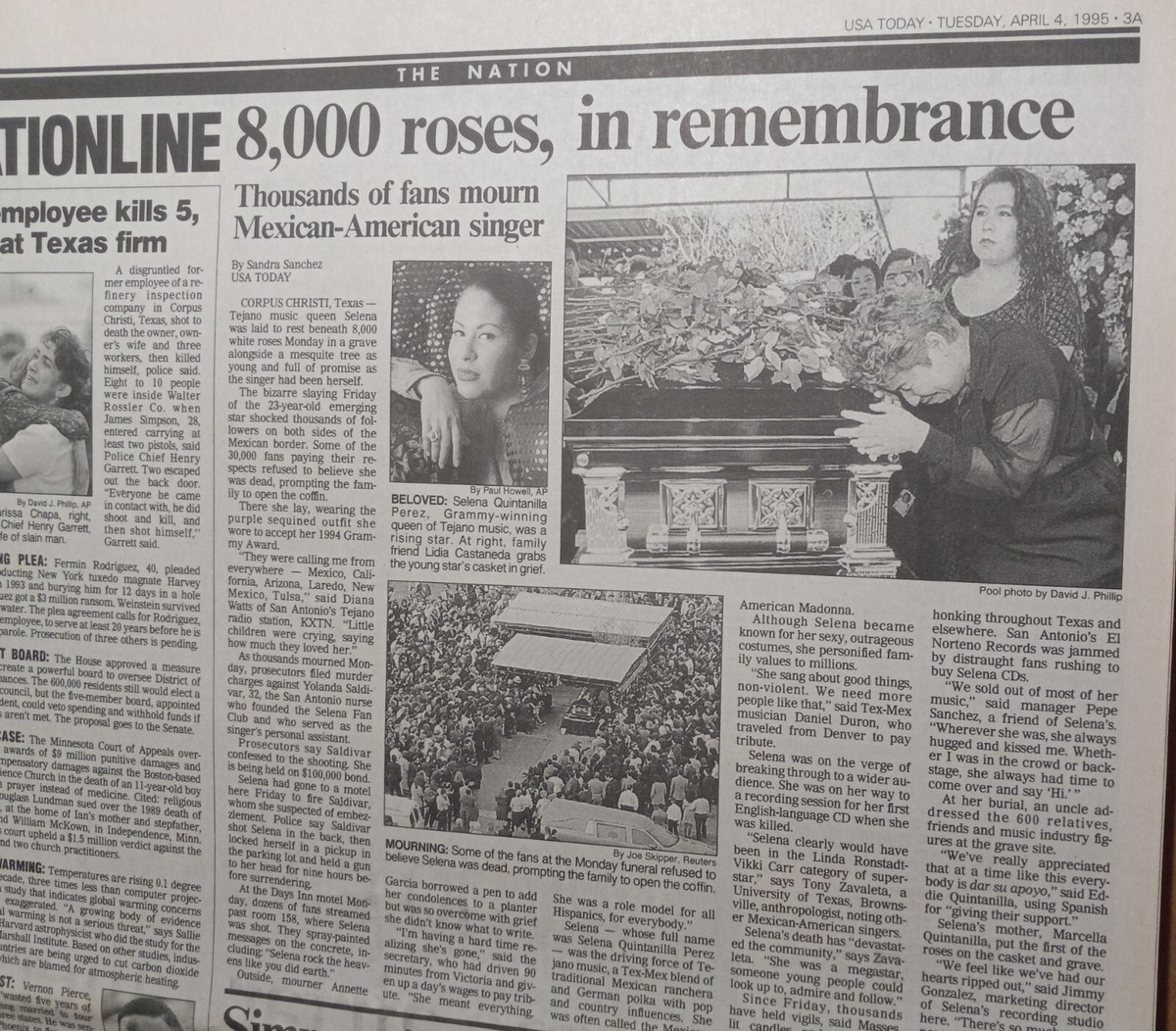
To understand the origin of questions regarding an open casket, one must examine the events at the Bayfront Plaza Convention Center in Corpus Christi, Texas, in April 1995. Following her murder, the Quintanilla family made the difficult decision to hold a public viewing to allow hundreds of thousands of fans from across the United States and Mexico to pay their final respects.
The logistical framework of the memorial service was designed to accommodate unprecedented crowds while maintaining the dignity of the Tejano superstar. Key historical realities of the memorial include:
- Massive Attendance: An estimated 50,000 to 78,000 mourners passed through the convention center during the public viewing period, creating monumental crowd control challenges for local law enforcement.
- Duration of Viewing: The public viewing lasted for approximately 17 hours, allowing continuous lines of grieving fans to file past the site.
- Family Decision: Abraham Quintanilla and the immediate family carefully coordinated with funeral directors regarding the presentation of the body, balancing the outpouring of public grief with privacy and respect.
Debunking the Open Casket Rumors and Digital Misinformation
In the decades following the 1995 memorial, various rumors, digitally altered photographs, and speculative videos have circulated on social media platforms regarding whether Selena's casket was open or closed, or alleging the existence of leaked post-mortem imagery. As an authoritative historical review confirms, these claims are entirely false and exploitative.
The factual reality of the casket configuration during the public viewing is well-documented by legitimate news agencies, family statements, and official records from that era.
| Rumor Claim | Factual Reality | Source / Verification |
|---|---|---|
| Open Casket Public Viewing | The casket was closed for the duration of the public memorial at the Bayfront Plaza Convention Center. | Contemporary reports by Corpus Christi Caller-Times and national news archives. |
| Leaked Post-Mortem Photographs | No legitimate post-mortem photographs of Selena in her casket have ever been publicly released or authenticated. | Family statements, legal protections of autopsy records, and digital forensics. |
| Private Family Viewing vs. Public | Only closed-casket viewing protocols were observed during the public memorial service. | Funeral home records and official family biographical accounts. |
| Altered Digital Imagery | Viral images claiming to show the interior of the casket are digitally fabricated hoaxes. | Community moderation flags and digital media verification standards. |
Digital Literacy and Evaluating Historical True-Crime Content
The persistence of searches for terms like "selena casket open" highlights a broader phenomenon in modern digital culture: the blurring lines between historical documentation, true-crime fascination, and clickbait fabrication. In the current information landscape, sensationalized keywords are frequently targeted by malicious actors seeking ad revenue through fabricated search results, deepfakes, and misleading video thumbnails.
Fans and researchers navigating digital archives regarding historical figures must apply rigorous evaluation criteria:
- Verify Source Credibility: Rely exclusively on established journalistic archives, official museum exhibitions (such as the Selena Museum in Corpus Christi), and authorized family biographies rather than anonymous social media clips.
- Recognize Clickbait Tactics: Be wary of websites utilizing shocking headlines or explicit promises of unseen memorial footage, which almost universally lead to spam or malware.
- Respect Privacy Standards: Understand the ethical boundaries of grief and memorialization, recognizing that public figures retain dignity in death despite intense media scrutiny.
The Cultural Impact and Preservation of Selena's Legacy
While morbid inquiries occasionally trend online, the true narrative of Selena's final days is defined by the unprecedented solidarity of the Latino community and her enduring artistic contributions. The response to her passing galvanized the Tejano music genre and established new paradigms for celebrity memorials and fan engagement.
Institutions and digital platforms dedicated to her memory focus heavily on her musical achievements, fashion influence, and cultural empowerment rather than sensationalized tragedy.
| Era / Milestone | Cultural Focus | Primary Legacy Outcome |
|---|---|---|
| 1995 | Community mourning and global grief | Unification of fans across borders; historic coverage by mainstream media. |
| 1997 - 2010s | Biopics, fashion lines, and posthumous releases | Introduction of Selena's catalog to subsequent generations; permanent museum establishment. |
| 2026 and Beyond | Digital streaming milestones and cultural studies | Recognition of Selena as a permanent cross-cultural icon and pioneer of modern Latin pop. |
Frequently Asked Questions
Was Selena's casket open during the public viewing in 1995?
No, the casket remained closed during the public memorial service held at the Bayfront Plaza Convention Center in Corpus Christi, Texas. The Quintanilla family chose a closed-casket service to maintain dignity and focus the gathering on prayer and collective mourning.
Are there any official photos of Selena inside her casket?
No authentic public photographs of Selena inside her casket exist. Official media coverage strictly documented the exterior of the floral-covered casket and the massive crowds of grieving fans outside and inside the venue.
Why do rumors about an open casket persist online?
Sensationalized rumors persist due to online misinformation, clickbait websites attempting to drive search traffic, and morbid curiosity common in true-crime subcultures surrounding celebrity deaths.
Where is Selena buried, and can fans visit the site?
Selena is entombed at Seaside Memorial Park in Corpus Christi, Texas. While the exact mausoleum crypt site is a place of quiet reflection for visiting fans, respectful adherence to cemetery rules and family privacy guidelines is strictly encouraged.
How can fans best honor Selena's memory today?
Fans can celebrate her life by supporting the official Selena Museum in Corpus Christi, streaming her timeless discography, and participating in cultural events and scholarship funds established in her name.
Honoring a Timeless Legacy
The fascination with every detail of Selena Quintanilla-Pérez's life and passing reflects the deep, personal connection she forged with millions of admirers. By relying on verified historical facts rather than sensationalized digital myths, fans can preserve the authentic dignity of her memory. To explore authorized exhibits, official merchandise, and verified biographical milestones, visit accredited cultural centers and official family-backed platforms dedicated to celebrating the Queen of Tejano Music.
Image Gallery