Exploring Orlando Florida’s Hidden Gems: A Guide to Local Secrets in 2026
Orlando’s hidden gems offer a refreshing alternative to the high-octane environment of major theme parks, focusing instead on crystal-clear natural springs, historic architecture, and vibrant cultural districts. To find them, travelers...
Orlando’s hidden gems offer a refreshing alternative to the high-octane environment of major theme parks, focusing instead on crystal-clear natural springs, historic architecture, and vibrant cultural districts. To find them, travelers must venture into neighborhoods like Winter Park, the Mills 50 district, and the expansive state parks surrounding the city.
Contents
For many visitors, Orlando is synonymous with a specific set of mouse ears or cinematic wizards. However, as of 2026, the trend of "slow travel" has brought the city's quieter, more authentic side into the spotlight. Moving beyond the resort corridors reveals a landscape shaped by ancient limestone aquifers, a rich African American history, and a burgeoning culinary scene that rivals any major American metropolis. This guide explores the essential off-the-beaten-path locations that define the real Orlando.
The Lure of Central Florida’s Natural Springs
The geological foundation of Florida is a porous limestone shelf that houses the Floridan Aquifer. This system feeds hundreds of natural springs that maintain a constant temperature of roughly 72 degrees Fahrenheit (22 degrees Celsius) year-round. While the coastlines offer beaches, the interior springs offer a primitive, prehistoric look at Florida’s ecology.
Wekiwa Springs State Park
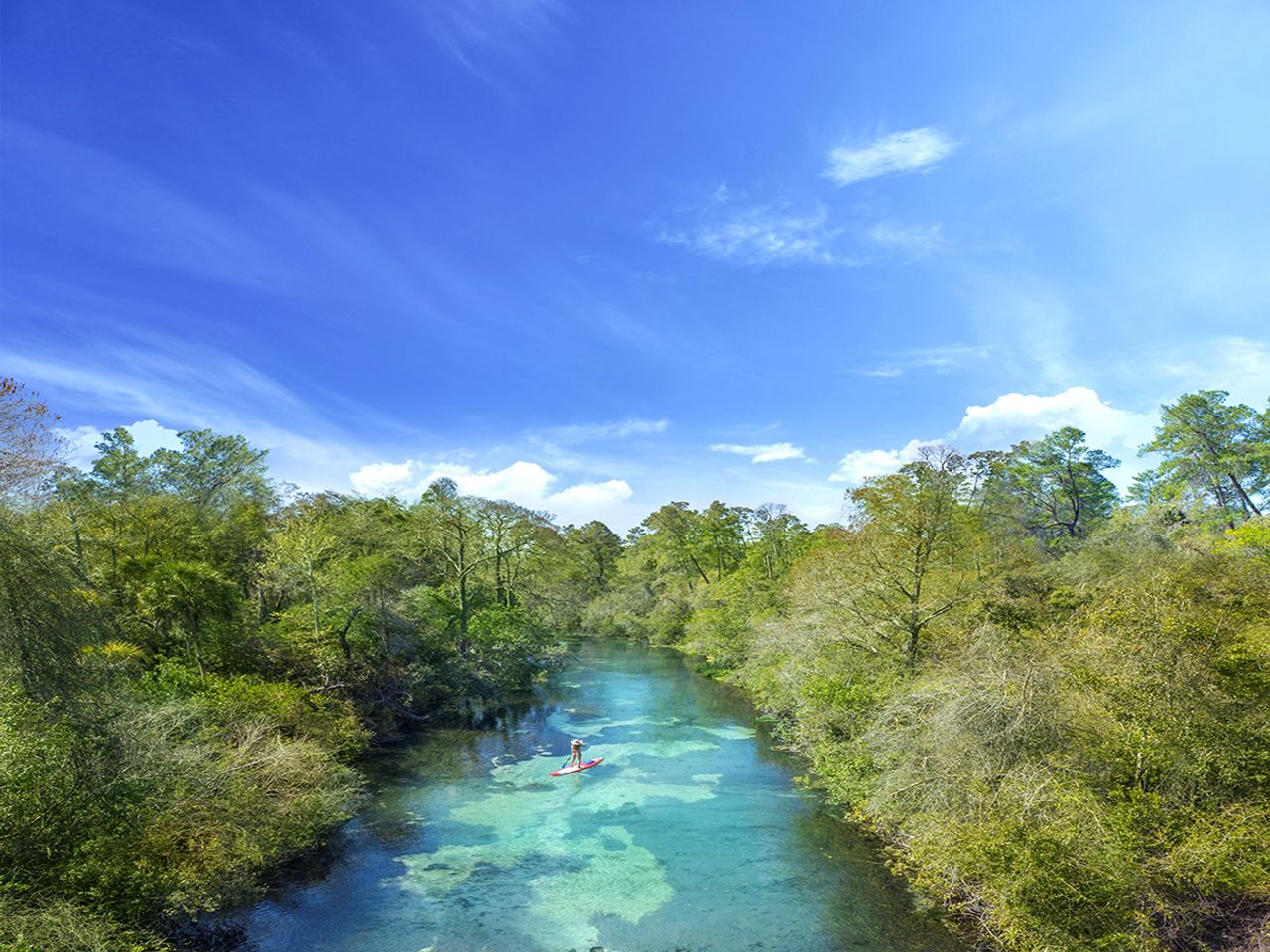
Located just 20 minutes north of downtown Orlando, Wekiwa Springs State Park remains one of the most accessible yet breathtaking natural escapes. In 2026, the park continues to be a favorite for kayaking and canoeing. The main spring head produces approximately 42 million gallons of water daily, flowing into the Wekiva River.
Visitors should arrive early, as the park often reaches capacity by 9:00 AM on weekends. The "hidden" aspect of Wekiwa lies in the secondary trails, such as the Wetland Discovery Trail, where the crowds thin out, and the chance of spotting white-tailed deer, wild turkeys, or even a Florida black bear increases significantly.
Kelly Park and Rock Springs Run
A short drive from Wekiwa is Kelly Park, home to Rock Springs. Unlike the deep basin of Wekiwa, Rock Springs is a natural "lazy river." The water bubbles out from a cavern beneath a rocky bluff, allowing visitors to float downstream on inner tubes through a canopy of oak and palm trees.
The experience is visceral and strikingly different from the artificial water parks nearby. The clarity of the water is such that the limestone floor and schools of mullet are visible even in deeper sections. For those seeking more than a float, the Camp Joy area provides a quieter entry point for long-distance paddleboarding through the Rock Springs Run State Preserve.
Historic Winter Park and the Scenic Boat Tour
Winter Park was founded in the late 19th century as a winter resort for wealthy Northerners. Today, it remains an enclave of sophistication characterized by cobblestone streets, high-end boutiques, and the sprawling campus of Rollins College.
The Scenic Boat Tour
Operating since 1938, the Winter Park Scenic Boat Tour is a quintessential "hidden gem" that many tourists overlook. The hour-long guided tour takes passengers through three of the seven lakes on the Winter Park Chain (Lake Osceola, Lake Virginia, and Lake Maitland).
The true value of this tour is the access it provides to the narrow, man-made canals connecting the lakes. Lined with towering cypress trees draped in Spanish moss, these canals feel like a journey back in time. You will see historic lakefront estates, some dating back to the early 1900s, and the back-lawns of Rollins College. It is a rare opportunity to see the architecture and landscaping that defined Florida’s elite social circles a century ago.
The Charles Hosmer Morse Museum of American Art
While the city has several museums, the Morse Museum houses the world’s most comprehensive collection of works by Louis Comfort Tiffany. This includes his famed glass lamps, windows, and even the interior of the Tiffany Chapel created for the 1893 World’s Columbian Exposition. The museum is a quiet, contemplative space that stands in stark contrast to the sensory overload of the International Drive tourist district.
Cultural Heritage in Eatonville and Downtown
To understand Orlando, one must acknowledge its history. Two specific locations offer deep insight into the regional narrative beyond the commercial veneer.
The Town of Eatonville
Located just north of the city, Eatonville holds the distinction of being the first self-governing all-Black municipality in the United States, incorporated in 1887. It is famously the childhood home of author Zora Neale Hurston.
Visitors can explore the Zora Neale Hurston National Museum of Fine Arts, which provides a platform for artists of African descent. Walking through Eatonville offers a sense of place that is rare in the sprawling suburbs of Central Florida. The town’s preservation of its 19th-century roots makes it a vital stop for anyone interested in American literary and social history.
The Wells’ Built Museum of African American Heritage
In the heart of downtown Orlando’s Parramore district, the Wells’ Built Museum is housed in a former hotel built by Dr. William Monroe Wells in 1921. During the era of segregation, this hotel served Black travelers, including famous musicians and athletes like Ella Fitzgerald and Jackie Robinson, who were not permitted to stay in the city's "white" hotels. The museum preserves artifacts from the Civil Rights movement and the local African American community, providing a necessary perspective on the city’s evolution.
The Modern Orlando: Districts for Locals
If you want to see where Orlando’s residents spend their time in 2026, you must leave the "Attractions Area" and head to the various "Main Street" districts.
Mills 50 District
The Mills 50 District, centered at the intersection of Mills Avenue and State Road 50 (Colonial Drive), is the city's creative heart. It is home to a large Vietnamese population, resulting in some of the best Pho and Banh Mi in the Southeast.
The district is also a hub for street art. Dozens of murals adorn the sides of businesses, many commissioned by the city to reflect the area’s diverse and resilient spirit. For a unique evening, visit one of the many "bar-cades" or independent vegan bakeries that characterize the neighborhood’s gritty, authentic charm.
The Milk District
Named after the T.G. Lee Dairy plant that has operated there for decades, The Milk District is a center for subculture and nightlife. It is famous for its "Tasty Tuesdays" food truck rallies and a high density of independent record stores and vintage clothing shops. This area represents the "New Orlando"—progressive, entrepreneurial, and fiercely local.
Comparing Orlando’s Off-the-Beaten-Path Attractions
The following table provides a quick reference for planning visits to these locations, including estimated costs and the primary appeal of each site.
| Location | Category | Best For | Estimated Cost (2026) |
|---|---|---|---|
| Wekiwa Springs | Nature/Outdoors | Swimming & Kayaking | $6 per vehicle |
| Winter Park Boat Tour | History/Scenic | Lake views & Estates | $20 - $25 per adult |
| Morse Museum | Art/Culture | Tiffany Glass Collection | $6 per adult |
| Eatonville | History | Literary Heritage | Free (Donations for Museum) |
| Mills 50 District | Dining/Art | Vietnamese Food & Murals | Varies (Budget-friendly) |
| Bok Tower Gardens | Nature/Music | Gardens & Singing Tower | $20 per adult |
| Leu Gardens | Botanical | Semi-tropical plants | $15 per adult |
Serene Greenery: Botanical Gardens and Wildlife Preserves
Orlando’s subtropical climate allows for a staggering variety of flora. While the theme parks spend millions on landscaping, several local gardens offer a more organic experience.
Harry P. Leu Gardens
Located in the Audubon Park Garden District, Leu Gardens comprises 50 acres of cultivated gardens and lakes. The gardens are particularly famous for their collection of camellias and roses. In 2026, the gardens serve as a major educational center, offering workshops on Florida-friendly landscaping and urban farming. The historic Leu House Museum, located on the property, provides a glimpse into Florida farm life at the turn of the century.
Orlando Wetlands Park
For those willing to drive about 40 minutes east to Christmas, Florida, the Orlando Wetlands Park is a massive man-made wetland designed to treat reclaimed water. It has become a premier destination for birdwatchers and photographers.
The park features over 20 miles of trails. In the winter months, the sheer volume of migratory birds is staggering. Alligators are a common sight here, often sunning themselves on the banks of the canal. Unlike many other attractions, entry to the Orlando Wetlands Park is free, making it one of the best values for nature lovers.
Practical Considerations for 2026 Travel
When exploring these hidden gems, logistics differ significantly from the standardized experience of a resort stay.
- Transportation: While the SunRail (Orlando’s commuter train) provides access to Winter Park and Downtown, a car is generally necessary to reach the springs and the Wetlands Park. Ride-sharing services are plentiful, but costs can add up if traveling to the outlying state parks.
- Weather and Timing: Florida’s heat is significant from May through September. For outdoor hidden gems like the springs or gardens, aim for early morning arrivals. This helps avoid the peak humidity and ensures entry to parks that have capacity limits.
- Reservations: As of 2026, several state parks and the Winter Park Boat Tour have moved toward digital reservation systems to manage crowds. Always check official websites 24 to 48 hours in advance.
Frequently Asked Questions
What is the best hidden gem for families with small children?
Kelly Park/Rock Springs is often the best choice for families. The shallow, slow-moving water is safer and more manageable for children than the deeper pools found at other springs. Additionally, the park includes traditional playground facilities and shaded picnic areas, making it easy to spend a full day without the exhaustion typical of a theme park visit.
Are Orlando’s hidden gems accessible by public transport?
Only partially. The SunRail stops in the heart of Winter Park, providing easy access to the Boat Tour and Park Avenue. However, reaching the natural springs or the Milk District via the LYNX bus system can be time-consuming, often involving multiple transfers. For the best experience, renting a car or using a ride-share service is recommended.
How much should I budget for a day of exploring local spots?
One of the primary benefits of Orlando’s hidden gems is their affordability. A day at a state park or a botanical garden typically costs between $5 and $20 per person. Even with a mid-range lunch in the Mills 50 district, a traveler can easily see two or three major local sites for under $60 per day, which is a fraction of the cost of a single theme park ticket.
Is it safe to swim in the natural springs?
Yes, swimming in designated areas of state parks like Wekiwa and Blue Spring is safe and regulated. The water is exceptionally clean. However, visitors should always remain aware of their surroundings. While alligators generally avoid the high-traffic swimming areas where humans are active, they are part of the natural ecosystem. Always follow park signage and lifeguard instructions.
When is the best time of year to visit these locations?
The "shoulder seasons"—specifically October to November and March to April—offer the best balance of pleasant weather and lower crowd levels. During the winter (December to February), you might even spot manatees seeking the warmth of the 72-degree spring water, particularly at Blue Spring State Park, located just north of Orlando.
Next Steps for Your Orlando Adventure
To make the most of Orlando’s hidden gems, choose one "thematic" day to start your exploration. Begin with a morning float at Rock Springs, followed by a late lunch in the Mills 50 district to experience the city's culinary diversity. By stepping away from the primary tourist corridors, you will discover a city defined not just by imagination and artifice, but by a deep-rooted history and some of the most unique natural landscapes in the United States.
Image Gallery