Comprehensive Safety Analysis: Is Gwinnett County Safe for Most Residents in 2026?
Gwinnett County remains a fundamentally safe suburban environment for the vast majority of its nearly one million residents. While rapid urbanization has introduced challenges typical of large metropolitan areas, proactive law enforcem...
Gwinnett County remains a fundamentally safe suburban environment for the vast majority of its nearly one million residents. While rapid urbanization has introduced challenges typical of large metropolitan areas, proactive law enforcement, significant investments in the Gwinnett Real-time Information Center (GRIC), and robust community-policing initiatives maintain crime rates that are generally lower than those in neighboring core-Atlanta counties.
Contents
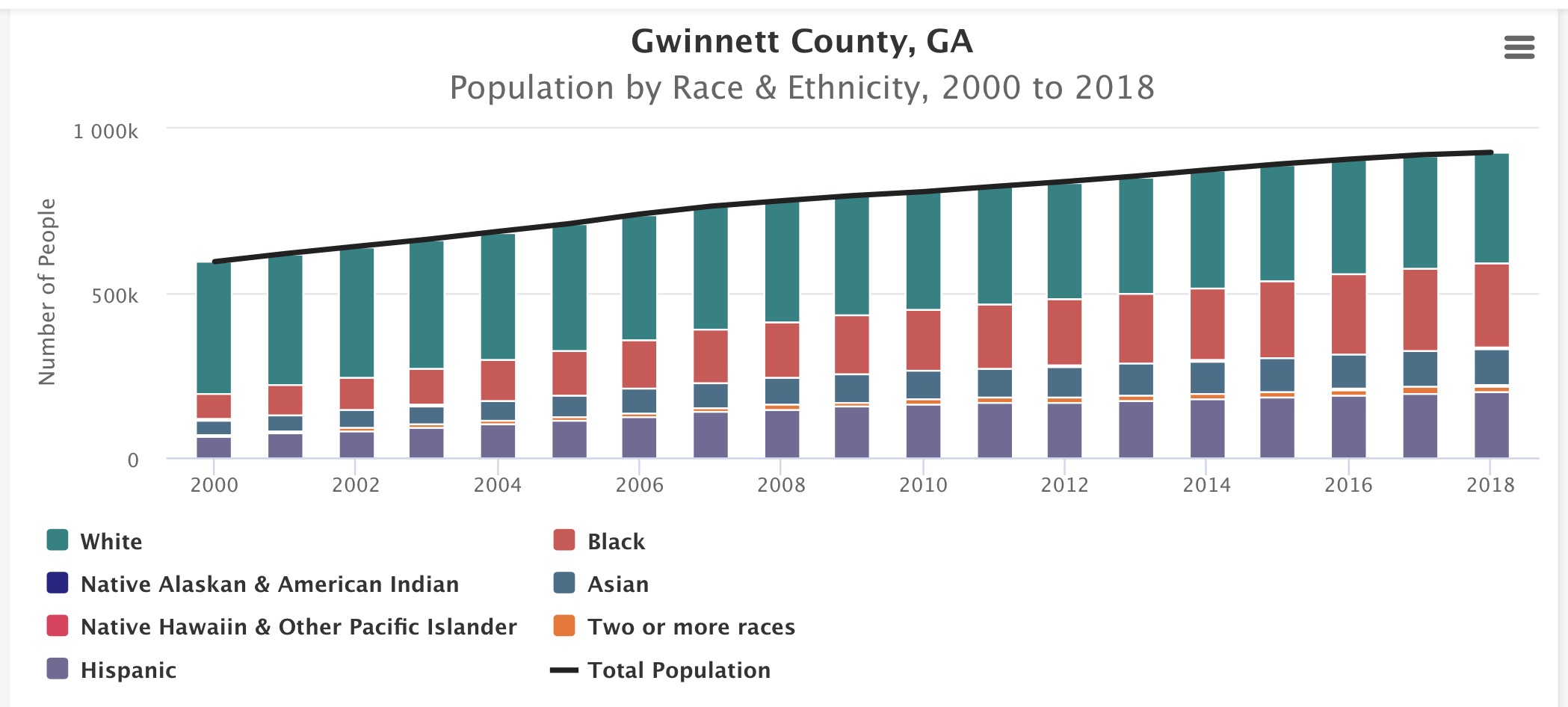
Located northeast of Atlanta, Gwinnett County has transitioned from a quiet bedroom community into a powerhouse of diversity and economic activity. In 2026, the question of safety is not merely about "good" or "bad" areas, but rather about understanding the nuances of a county that is larger and more populous than several U.S. states. For those considering moving to the area or current residents evaluating their long-term security, an objective look at the data, infrastructure, and local initiatives reveals a community that prioritizes public safety through high-tech surveillance and specialized police units.
The Statistical Reality of Gwinnett County Safety
To understand why Gwinnett County is safe for most residents, one must look at the crime rate relative to its massive population density. As of 2026, Gwinnett continues to report lower violent crime rates per capita than both Fulton and DeKalb counties. While property crimes—such as entering autos and retail theft—remain the most frequent challenges, violent crimes like aggravated assault and homicide are statistically rare for the average citizen.
Law enforcement reporting transitioned fully to the National Incident-Based Reporting System (NIBRS) several years ago, providing more granular data. This transparency has allowed the Gwinnett County Police Department (GCPD) to identify "hot spots" and deploy resources more effectively. For most residents living in established residential subdivisions or master-planned communities, the likelihood of being a victim of a violent crime remains significantly below the national average for high-population suburban zones.
Property Crime vs. Violent Crime Trends
The most common safety concern for Gwinnett residents is property crime. The "entering auto" phenomenon—where individuals check for unlocked car doors in residential driveways—persists as a regional issue. However, the GCPD’s 2025-2026 "Lock It or Lose It" campaigns and the increased prevalence of residential ring-fencing technologies have begun to plateau these numbers. Violent crime, conversely, is often concentrated in specific high-traffic commercial corridors or linked to known interpersonal disputes rather than random acts targeting the general public.
The Role of the Gwinnett Real-time Information Center (GRIC)
A primary reason for the sustained safety levels in 2026 is the maturity of the Gwinnett Real-time Information Center. Established to integrate technology with traditional patrolling, the GRIC acts as the "brain" of the county’s safety infrastructure.
- License Plate Readers (LPRs): Throughout the county, LPR cameras monitor major thoroughfares. These systems have been instrumental in 2026 for recovering stolen vehicles and locating missing persons (Silver Alerts) within minutes of a report.
- Video Integration: With the consent of business owners and some residential HOAs, the GCPD can access private camera feeds during active emergencies. This "Fusus" integration allows officers to arrive on the scene with real-time intelligence, often de-escalating situations before they turn violent.
- Drone First Responder (DFR) Programs: In 2026, Gwinnett has expanded its use of drones to reach emergency scenes faster than ground units. These drones provide an overhead view that helps officers track suspects or locate lost children in the county's extensive park systems.
This technological layer creates a deterrent effect. Criminals are increasingly aware that Gwinnett County’s digital footprint makes it difficult to commit a crime and exit the county borders without being captured on high-definition surveillance.
Neighborhood Variance: Where is Gwinnett Safest?
While the county is safe overall, the experience of a resident can vary depending on their specific municipality. Gwinnett is unique because it features a large county police force supplemented by several independent city police departments.
Top-Tier Safety Zones
Areas such as Suwanee, Peachtree Corners, and Braselton consistently rank as some of the safest places to live in Georgia. These municipalities often fund their own police departments, allowing for lower officer-to-resident ratios and faster response times. Suwanee, for example, is frequently cited for its low violent crime rates and high community engagement scores.
Urban-Suburban Transitional Zones
The southwestern portion of the county, particularly areas bordering DeKalb County and sections along the Jimmy Carter Boulevard and Indian Trail corridors, experiences higher call volumes. These areas are more densely populated and feature more transient commercial activity. While law enforcement presence is higher here to compensate, residents in these corridors are more likely to witness police activity than those in the northern reaches of the county near Hamilton Mill or Sugar Hill.
Comparison of Gwinnett Regions (2026 Data Projections)
| Region | Primary Safety Profile | Key Infrastructure | Crime Trend (2024–2026) |
|---|---|---|---|
| Northern Gwinnett (Suwanee, Buford) | Extremely High Safety | Proximity to Mall of GA/Lake Lanier | Stable / Low |
| Western Gwinnett (Peachtree Corners) | High Safety (Corporate/Residential) | Smart City Technology Integration | Improving |
| Central Gwinnett (Lawrenceville) | Moderate to High Safety | County Seat / Major Hospital Hub | Stable |
| Southern Gwinnett (Snellville, Loganville) | High Safety (Family-Oriented) | Highway 78 Monitoring | Stable |
| Southwestern Gwinnett (Norcross area) | Moderate Safety | High-Density Commercial Zones | Improving through Redevelopment |
Public Safety Beyond Policing: Fire and EMS
Safety for Gwinnett residents is not limited to crime prevention. The Gwinnett County Fire and Emergency Services (GCFES) is one of the largest and most well-equipped departments in the Southeast. In 2026, Gwinnett maintains an ISO Class 1 rating, which is the highest possible grade for fire protection services.
This rating is significant for two reasons:
- Response Times: For residents, especially those in the "Silver Tsunami" demographic (seniors), the rapid response of Gwinnett EMS is a critical safety component. The county’s strategically placed fire stations ensure that medical help is usually less than six minutes away.
- Insurance Costs: The ISO Class 1 rating helps keep homeowners' insurance premiums lower for residents, as it reflects the department’s ability to suppress fires efficiently.
Safety in Schools and Public Parks
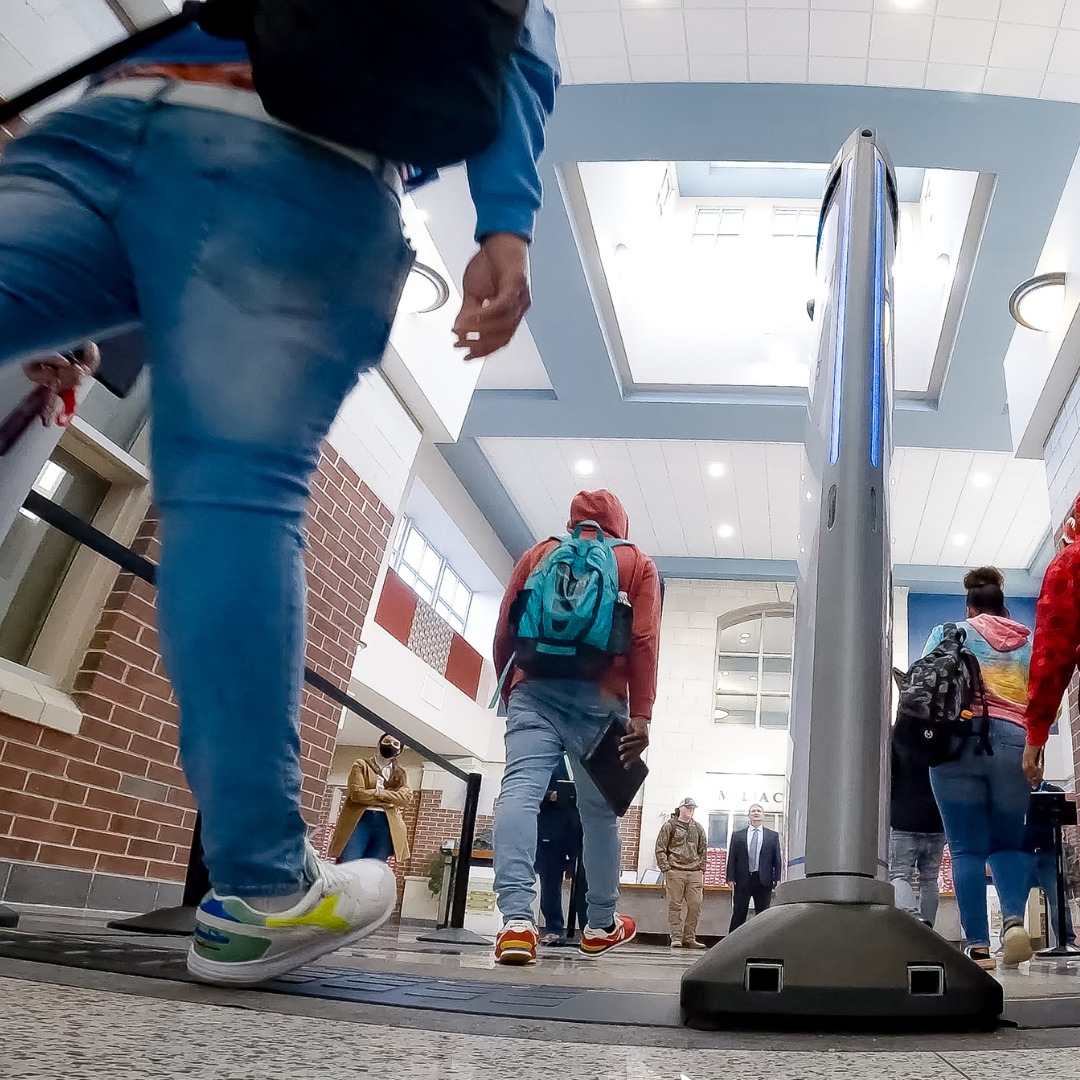
For families, the safety of the Gwinnett County Public Schools (GCPS) system is a top priority. As of 2026, every middle and high school in the county is staffed with dedicated School Resource Officers (SROs). These are sworn police officers who work to build relationships with students while providing a physical security presence.
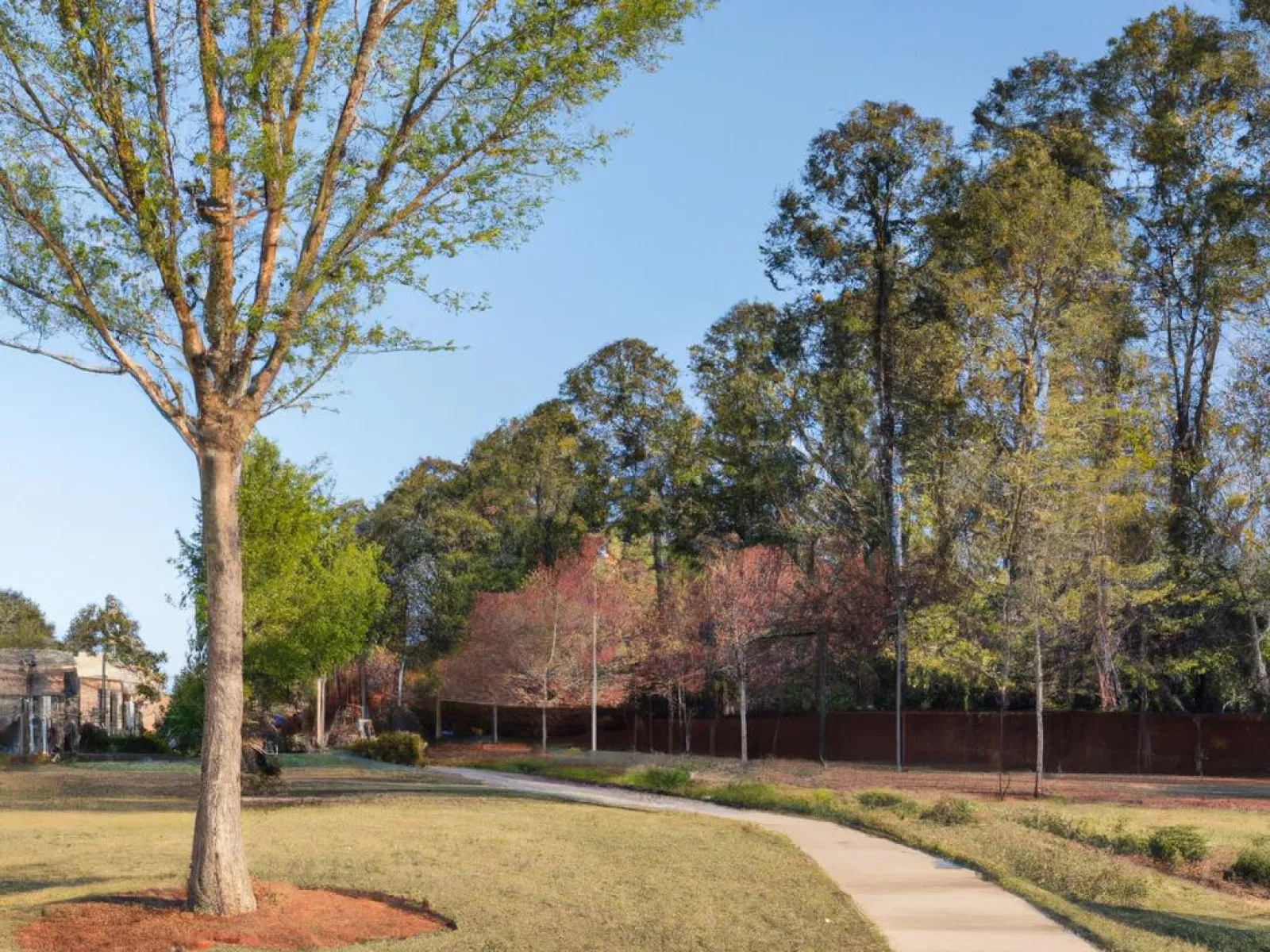
The county’s park system, often called the "Gold Standard" in Georgia, is also heavily monitored. Parks like Mulberry Park and Tribble Mill Park feature emergency call boxes and are regularly patrolled by the GCPD’s specialized units, including park police on ATVs and bikes. This focus on "passive safety"—creating environments that are well-lit, well-maintained, and regularly occupied—further contributes to the feeling of security for residents.
Challenges and Areas for Improvement
No large jurisdiction is without its flaws. In 2026, Gwinnett County faces specific challenges that the local government is actively working to address:
- Pedestrian Safety: With increasing traffic and a push toward "walkable" downtowns, pedestrian-involved accidents remain a concern. The county has invested in the "Comprehensive Transportation Plan 2045," which in 2026 is mid-implementation, focusing on better lighting and crosswalks along Highway 124 and Highway 29.
- Mental Health Crisis Response: Like many major metros, Gwinnett has seen a rise in calls related to mental health. The county’s Behavioral Health Unit (BHU), which pairs police officers with licensed clinicians, has been expanded in 2026 to ensure that non-criminal crises are handled with medical intervention rather than force.
- Gangs and Organized Retail Theft: While the average resident is not a target, the Gwinnett Gang Task Force remains active in disrupting groups that travel from Atlanta to Gwinnett to target high-end retail locations.
Practical Recommendations for Residents
While Gwinnett is safe for most, residents can take proactive steps to minimize their risk. In the context of 2026, "common sense" safety has been augmented by technology:
- Participate in the "Connect Gwinnett" Program: Residents and business owners can register their exterior security cameras with the police department. This does not give police live access to your home but allows them to quickly request footage if a crime occurs nearby.
- Utilize the Gwinnett Police App: The county’s mobile application provides real-time crime alerts based on your GPS location, allowing you to avoid areas where active police investigations are taking place.
- Practice Basic Situational Awareness: The majority of crime in Gwinnett is "crime of opportunity." Locking car doors, removing valuables from sight, and using outdoor motion-sensor lighting remain the most effective ways to stay safe.
Frequently Asked Questions
Is Gwinnett County safer than Atlanta?
Statistically, yes. Gwinnett County has a lower rate of violent crime per 100,000 residents compared to the city of Atlanta and its immediate neighboring urban counties. While Gwinnett is becoming more urban, it retains a suburban policing model that emphasizes residential safety and rapid response.
How does the diversity of Gwinnett impact its safety?
Gwinnett is one of the most diverse counties in the Southeast. This diversity has led to specialized community-oriented policing units that speak multiple languages (Spanish, Korean, Vietnamese). These units help build trust between law enforcement and immigrant communities, which leads to higher crime reporting rates and, ultimately, a safer environment for everyone.
Are the parks in Gwinnett safe to walk in alone?
Yes, Gwinnett County parks are considered very safe. They are designed with visibility in mind and are frequently patrolled. However, like any public space, it is recommended to visit during daylight hours and remain aware of your surroundings, especially in the more secluded trail areas of the larger regional parks.
Is there a high gang presence in Gwinnett County?
While Gwinnett has a dedicated Gang Task Force, gang activity is largely confined to specific criminal circles and rarely impacts the average resident. The task force focuses on interdiction and preventing the "spillover" of gang activity from the Atlanta urban core.
What is the police response time in Gwinnett?
Response times vary by precinct and priority of the call. For Priority 1 (life-threatening) emergencies, response times in Gwinnett are among the fastest in the state, often averaging under five to seven minutes, depending on the proximity to a precinct or patrolling unit.
Final Perspective on Living in Gwinnett
For the vast majority of people—from young professionals in Peachtree Corners to retirees in Snellville—Gwinnett County provides a secure, high-quality living environment. The "safe for most residents" designation is supported by the county's willingness to fund public safety at high levels and its early adoption of crime-fighting technology. While no area is immune to the effects of growth and societal shifts, Gwinnett's infrastructure is designed to adapt to these changes, ensuring it remains a premier destination for families and businesses in the Georgia landscape of 2026.
Image Gallery