Understanding the View Boycott Sparked by Savannah Chrisley: A Full Timeline and Analysis
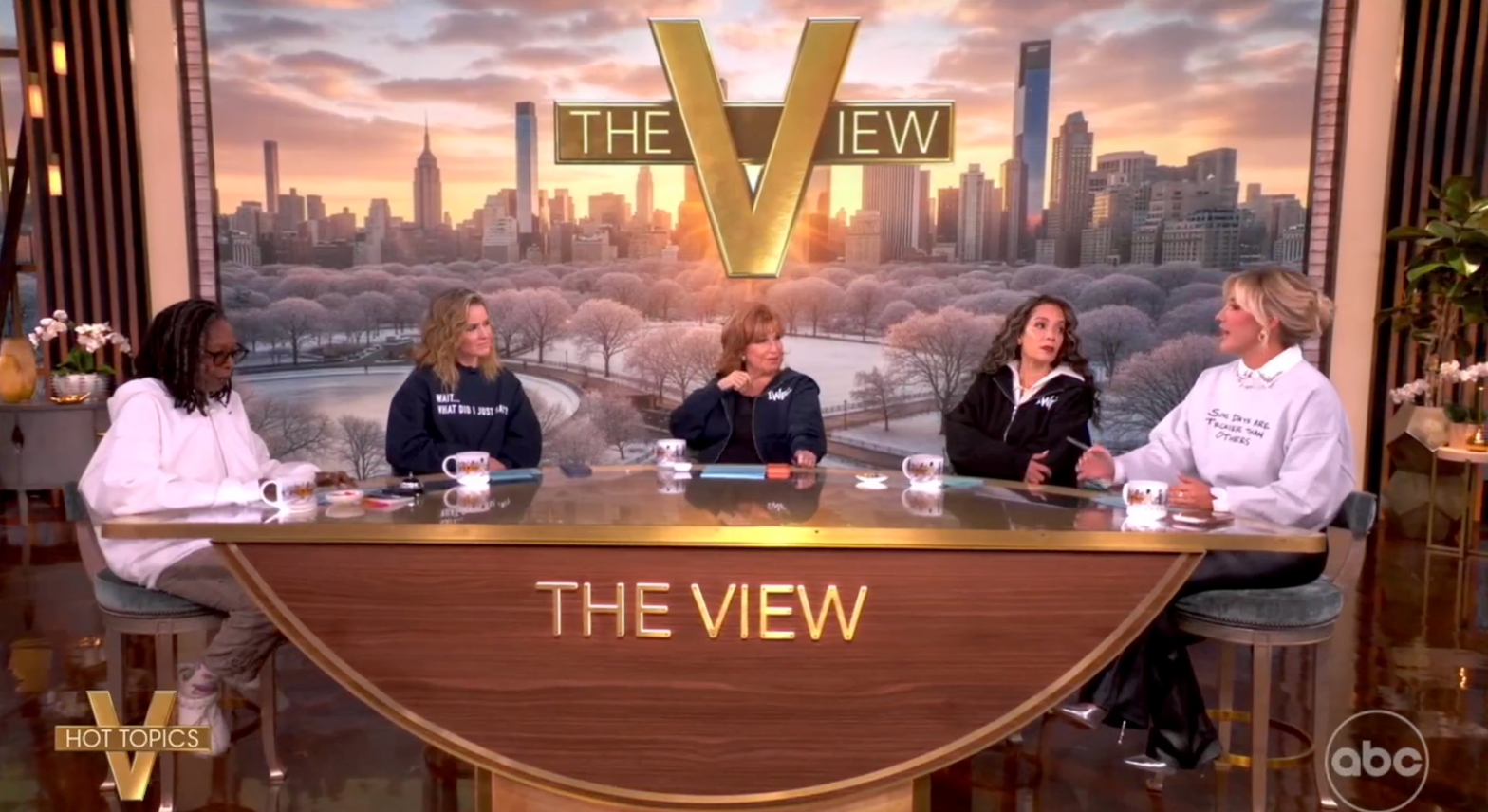
The boycott of ABC’s The View sparked by Savannah Chrisley originated from an incident in early 2024 where the reality star alleged she was "canceled" from a scheduled appearance due to her conservative political views. Chrisley claime...
The boycott of ABC’s The View sparked by Savannah Chrisley originated from an incident in early 2024 where the reality star alleged she was "canceled" from a scheduled appearance due to her conservative political views. Chrisley claimed that the show’s production team and hosts, specifically citing a lack of tolerance for "diversity of thought," barred her from the segment shortly before it was set to air. This led to a significant social media backlash and a organized call for a boycott among her followers and conservative media circles.
Contents
The intersection of celebrity legal drama, daytime television politics, and "cancel culture" narratives often creates a volatile environment for public discourse. When Savannah Chrisley—daughter of embattled reality stars Todd and Julie Chrisley—publicly called out the long-running talk show The View, it touched a nerve with a viewership already divided by the show’s often-partisan atmosphere. As of 2026, the ripple effects of this incident continue to serve as a case study in how guest booking disputes can evolve into larger movements regarding media bias.
The Genesis of the Conflict: What Happened at ABC Studios?
In the first quarter of 2024, Savannah Chrisley was reportedly booked to appear on The View to discuss her family’s ongoing legal struggles, her parents’ imprisonment, and her podcast, Unlocked with Savannah Chrisley. According to Chrisley’s account, she had traveled to New York City and was prepared for the appearance when she was informed that she would no longer be participating in the broadcast.
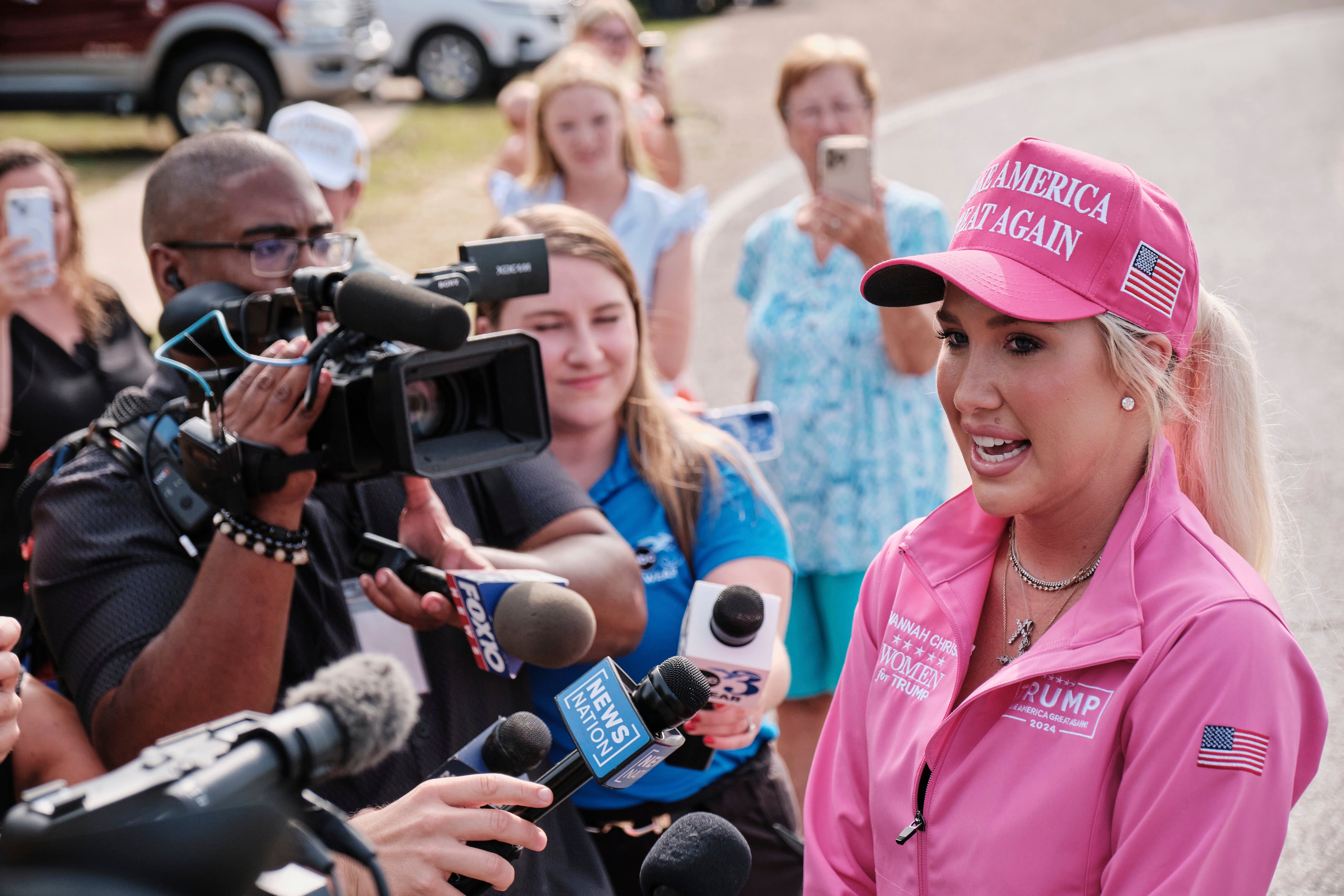
Chrisley took to her social media platforms and her podcast to detail the experience. She alleged that the decision to remove her was not based on scheduling or time constraints but on her personal political stance and her refusal to conform to the prevailing viewpoints of the show’s moderators. She specifically mentioned that she felt the environment was hostile toward anyone who did not align with the liberal leanings often associated with the program.
The fallout was immediate. Chrisley’s audience, which had grown significantly since she took over guardianship of her younger siblings following her parents’ 2023 incarceration, rallied behind her. The hashtag #BoycottTheView began trending as supporters argued that the show was silencing a young woman who was simply trying to share her family’s story.
Analyzing the Two Sides: Conflicting Narratives
To understand why this specific incident sparked a sustained boycott, one must examine the starkly different accounts provided by Chrisley and the representatives of The View.
Savannah Chrisley’s Allegations
Chrisley maintained that she was "scrapped" because she was "not the right fit" for the show’s agenda. She argued that The View frequently claims to represent "all women" but fails to provide a platform for conservative women unless they are willing to be confrontational or serve as a "punching bag" for the other hosts. Her narrative centered on the idea of censorship and the "bullying" of guests who do not share the majority opinion of the panel.
The Network’s Response
While ABC and The View rarely provide detailed public explanations for guest changes, sources close to the production suggested that the issue was more nuanced. Reports indicated that the "creative differences" stemmed from the specific topics Chrisley wanted to focus on—namely her advocacy for prison reform and her parents' legal appeals—versus the show's desire to focus on broader political headlines. Some industry insiders suggested that Chrisley’s appearance was never fully "confirmed" for a sit-down interview, but rather a tentative booking that fell through during the pre-interview process.
| Feature of the Incident | Savannah Chrisley's Claim | The View's Likely Stance (Reported) |
|---|---|---|
| Reason for Cancellation | Political bias and "cancel culture." | Creative differences and booking logistics. |
| Preparation Level | Traveled to NYC, fully prepared for the segment. | Pre-interview stage; segment not finalized. |
| Central Conflict | Suppression of conservative voices. | Focus on relevant news vs. personal family drama. |
| Resulting Action | Called for transparency and a viewer boycott. | Continued with standard broadcast schedule. |
The Role of the Chrisley Family Legal Saga
The boycott cannot be fully understood without the context of the Chrisley family's legal troubles. Todd and Julie Chrisley were convicted of bank fraud and tax evasion, beginning their prison sentences in early 2023. Savannah Chrisley transitioned from a lifestyle influencer and reality star to a vocal advocate for her parents, often criticizing the Department of Justice and the conditions within the federal prison system.
By 2026, Savannah has established herself as a significant voice in the prison reform movement. However, in 2024, her reputation was still heavily tied to the controversy of her parents’ crimes. For The View, booking such a guest carried inherent risks. The hosts, particularly Whoopi Goldberg and Joy Behar, are known for their strong stances on legal accountability and ethics. The potential for the interview to turn into a heated debate about the validity of the Chrisleys’ convictions was high. Savannah’s fans argued that the show was afraid to give her a platform because she would humanize a family the media had already "villainized."
Impact on Ratings and Public Perception
The immediate impact of the boycott was visible in the show's digital engagement metrics. The View has a history of high engagement on social media, often fueled by clips of contentious arguments. When the Chrisley incident occurred, the show’s comment sections were flooded with criticism.
- Audience Polarization: The boycott further entrenched the show’s audience. Viewers who already perceived the show as biased used the incident as definitive proof, while loyal viewers defended the show’s right to curate its guest list.
- Platform Growth for Chrisley: Ironically, the "cancellation" from The View provided Savannah with a massive PR boost. Her podcast, Unlocked, saw a surge in downloads as she used the platform to provide the interview she "wasn't allowed" to give on television.
- Advertiser Pressure: While the boycott did not lead to a mass exodus of advertisers—as The View remains a powerhouse in the daytime demographic—it did force the network to navigate a PR minefield regarding their "diversity and inclusion" policies as they apply to political thought.
Media Bias and the Polarization of Daytime Talk
The Savannah Chrisley incident is a microcosm of a larger trend in American media: the death of the "neutral" talk show. Programs like The View have shifted from lifestyle and entertainment-focused segments to heavy political commentary. This shift has made the booking process a political act in itself.
When a guest like Chrisley is removed from the schedule, it is rarely seen by the public as a simple logistical error. Instead, it is interpreted through a political lens. In the current landscape of 2026, where media fragmentation is at an all-time high, these incidents serve to reinforce "echo chambers." Supporters of the boycott argued that if a show claims to be a "forum" for different perspectives, it has a moral obligation to host guests who challenge the status quo of the panel.
The Longevity of the Boycott
By 2026, the "Savannah Chrisley Boycott" has largely transitioned from an active campaign to a symbolic reference point for conservative critics of mainstream media. While most casual viewers returned to their habits, a dedicated segment of the population remains vocal about their refusal to watch the program.
This event served as a turning point for Savannah Chrisley’s career. It marked her transition from a reality TV personality to a media figure who could mobilize a base of supporters against a major network. For ABC, it served as a reminder of the volatility of celebrity bookings in an era where the guest has as much, if not more, direct access to the public via social media as the network does.
FAQs
Why did Savannah Chrisley call for a boycott of The View?
Savannah Chrisley alleged that the show canceled her appearance at the last minute because of her conservative political views and her refusal to be bullied by the hosts. She claimed the show lacks "diversity of thought" and excludes voices that do not align with its liberal agenda.
Did The View officially respond to the boycott?
The show generally maintains a policy of not commenting on specific guest booking decisions. However, reports from production sources often cite "creative differences" or "scheduling conflicts" as the official reasons for guest changes, rather than political bias.
How did the incident affect Savannah Chrisley’s career?
The controversy actually boosted Savannah’s public profile. It allowed her to position herself as a victim of "cancel culture," which helped grow her podcast audience and strengthened her ties with conservative media outlets.
Has Savannah Chrisley appeared on The View since the incident?
As of 2026, Savannah Chrisley has not returned to the show. The relationship between Chrisley and the network remains strained, with both parties moving forward in different directions regarding their content and target audiences.
What was the main topic Savannah Chrisley wanted to discuss?
She intended to discuss her parents' (Todd and Julie Chrisley) prison experience, her advocacy for federal prison reform, and the launch of her new business and media ventures following her family’s legal crisis.
Practical Recommendation for Viewers and Consumers
When navigating media controversies like the boycott of The View, it is essential to seek out primary sources. Rather than relying solely on social media clips or secondary reporting, consumers should listen to the full context of the statements made by both the guest (via their own platforms like podcasts) and the program (via their full broadcasts).
If you are concerned about media bias, the most effective action is to diversify your "media diet" by consuming content from various ideological backgrounds. Boycotts are a powerful tool for consumer feedback, but they are most effective when accompanied by constructive dialogue and a clear demand for transparency in how guest segments are curated and presented.
Image Gallery