Understanding Lake Erie Temperature in Buffalo, NY: A Guide for Residents and Visitors
Lake Erie serves as the primary aquatic backdrop for the city of Buffalo, New York, influencing everything from local climate patterns to recreational opportunities. Because Lake Erie is the shallowest of the five Great Lakes, its wate...
Lake Erie serves as the primary aquatic backdrop for the city of Buffalo, New York, influencing everything from local climate patterns to recreational opportunities. Because Lake Erie is the shallowest of the five Great Lakes, its water temperature fluctuates significantly throughout the year, responding rapidly to changes in ambient air temperature. Understanding these thermal shifts is essential for anyone planning maritime activities, monitoring ice development, or simply interested in the local meteorology of Western New York.
Contents
The Thermal Dynamics of Lake Erie
To understand why Lake Erie’s temperature behaves the way it does, one must consider its physical geography. With an average depth of only 62 feet (19 meters), Lake Erie possesses a relatively small volume of water compared to its surface area. Unlike deeper basins like Lake Superior or Lake Ontario, which hold massive amounts of thermal energy and resist rapid temperature changes, Lake Erie gains and loses heat quickly.
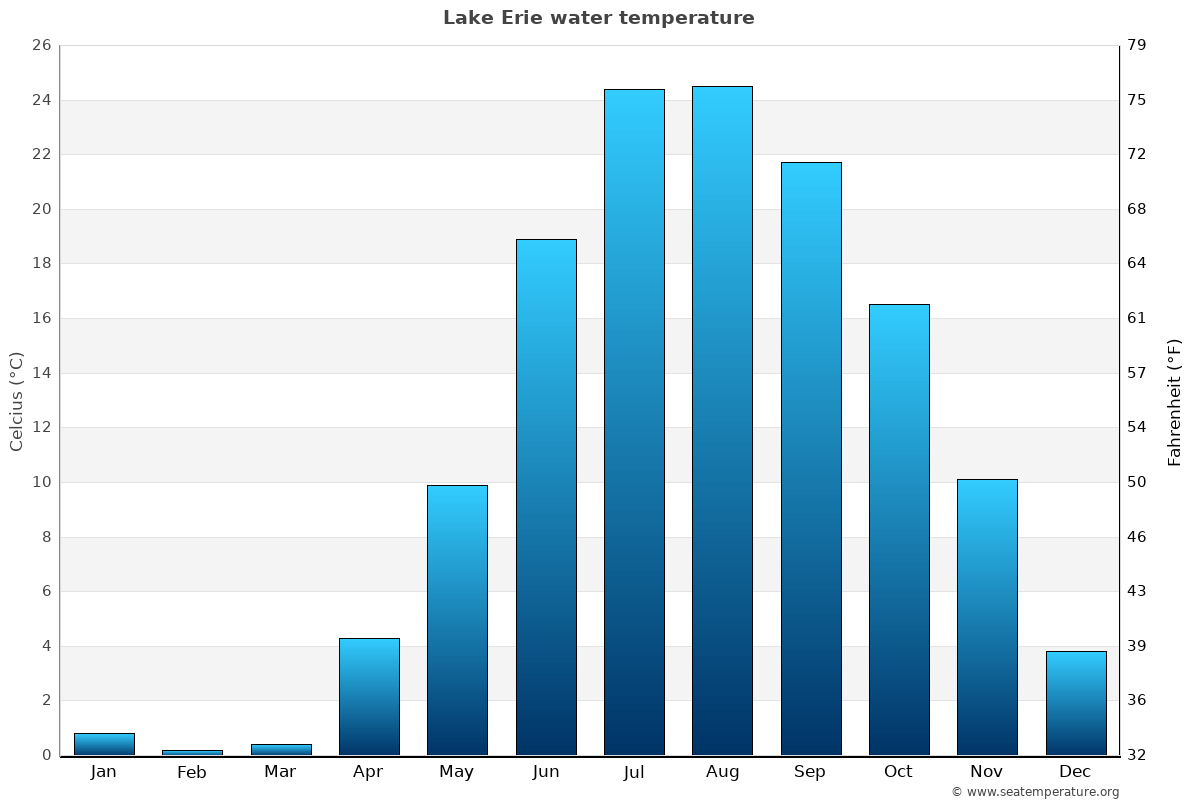
During the spring, the lake absorbs solar radiation, causing the water temperature to climb from near freezing to comfortable levels for swimming by mid-July. However, this same physical trait makes it vulnerable to rapid cooling in the autumn. As air temperatures drop in October and November, the lake sheds heat at a high rate, often leading to the formation of steam fog as the water remains warmer than the encroaching cold air masses.
Seasonal Temperature Profiles and Recreational Impacts
The annual temperature cycle of Lake Erie in the Buffalo harbor region dictates the feasibility of various water-based activities. Water safety experts recommend monitoring current conditions, as local currents and wind-driven upwellings can cause significant variations in temperature even during the peak of summer.
Spring: The Thaw and Thermal Lag
As March gives way to April, the lake typically resides in the low to mid-30s Fahrenheit. During this period, the water temperature is often influenced by the remaining ice cover and the influx of snowmelt from the watershed. Boaters and anglers must exercise extreme caution; cold-water immersion at these temperatures leads to rapid hypothermia. Even as air temperatures begin to rise into the 60s, the water remains dangerously cold.
Summer: The Peak Season
By late June and early July, the surface temperatures typically reach the 70°F threshold. The shallow nature of the eastern basin near Buffalo allows the lake to hit its peak warmth in August, where surface temperatures often hover between 72°F and 76°F. This period is the primary window for recreational boating, swimming, and kayaking. It is important to note that prevailing southwesterly winds can push warmer surface water toward the northern shore, occasionally causing cold bottom water to rise (upwelling) near Buffalo, which can drop surface temperatures by 10 degrees or more within a few hours.
Autumn: The Rapid Cooling
As the calendar turns to October, the process reverses. The lake begins a steady decline, cooling into the 50s. This period is often characterized by high-energy weather systems where the warm lake water interacts with cold, high-altitude air, contributing to the development of the famous lake-effect snow squalls that Buffalo experiences in November and December.
Winter: Ice Formation
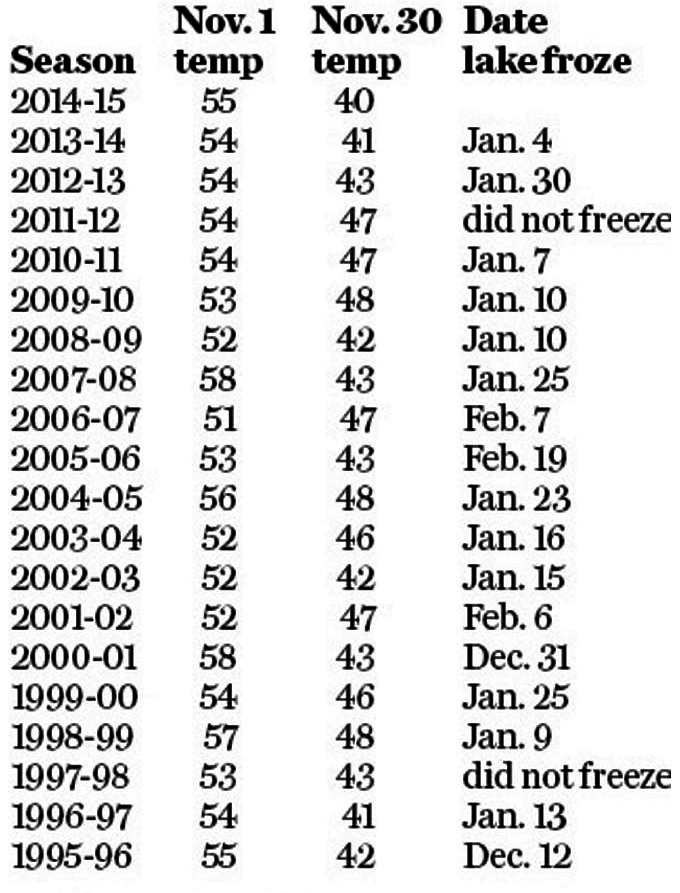
When the air temperature remains consistently below freezing, the eastern basin near Buffalo will eventually develop ice cover. The timing and extent of this ice are highly variable, depending on wind conditions and the severity of the winter season.
Comparison Table: Seasonal Water Trends
| Season | Typical Temperature Range (F) | Primary Environmental Context | Recreational Suitability |
|---|---|---|---|
| Spring | 34°F – 50°F | Snowmelt; high debris flow | High risk; drysuit required |
| Summer | 68°F – 76°F | Thermal stratification | Optimal for swimming/boating |
| Autumn | 45°F – 65°F | Rapid heat loss; steam fog | Caution; cooling water temperatures |
| Winter | 32°F – 39°F | Ice formation; wind-driven drift | Restricted; ice fishing potential |
Monitoring and Verification Sources
For accurate, real-time data, it is best to rely on standardized reporting systems. The National Oceanic and Atmospheric Administration (NOAA) maintains buoy networks throughout the Great Lakes. Specifically, NOAA buoy stations near the Buffalo area provide automated, telemetry-based updates on water temperature, wave height, and wind speed.
Before heading out onto the water, users should check the National Weather Service (NWS) Buffalo office, which publishes marine forecasts. These forecasts account for current water temperatures and warn of risks such as rip currents or dangerous wave conditions, which are often exacerbated by the lake's thermal properties. Relying on unofficial smartphone weather applications can sometimes yield inaccurate results, as these often estimate data based on regional air models rather than direct sensor readings from the water.
Safety Considerations for Cold Water Exposure
Regardless of the season, cold water safety remains a critical subject in Buffalo. Even in summer, the shock of a sudden fall into deep, cold water can induce involuntary gasping, which significantly increases the risk of drowning. All recreational users should adhere to the following safety protocols:
- Personal Flotation Devices (PFDs): Always wear a coast-guard-approved life jacket. In the spring and autumn, consider PFDs that provide added insulation.
- Float Plan: Communicate your intended destination and expected return time with someone on shore.
- Monitor Winds: Lake Erie is known for its "fetch"—the distance wind travels over open water. A moderate wind can create large waves in a short time, compounding the danger if the water is cold.
- Avoid Solo Activities: During the shoulder seasons, avoid swimming or paddling alone.
FAQ: Common Questions Regarding Lake Erie Temperature
How often does the water temperature update? Official NOAA buoys typically update their readings hourly. However, during extreme weather events or equipment maintenance, data may be delayed or unavailable.
Why does the lake feel colder than the reported air temperature? Water conducts heat away from the human body approximately 25 times faster than air. Even if the air feels mild at 70°F, water at that same temperature will cause the body to lose heat steadily, potentially leading to hypothermia over an extended period.
Does the depth of the water affect swimming temperature? Yes. In shallower areas like the outer harbor, the sun warms the water more effectively than in the deep, open lake. If you are looking for warmer water, look for protected, shallow coves that are less exposed to deep-water circulation.
What is the "Lake Effect" in relation to water temperature? The lake effect occurs when cold air passes over the relatively warm surface of the lake. The lake provides moisture and heat to the air, which rises and condenses into clouds and snow. The greater the temperature difference between the water and the air, the higher the intensity of the resulting snowfall.
Can I swim in Lake Erie in the winter? Swimming in Lake Erie during the winter is extremely dangerous due to the risk of cold-water shock, incapacitation, and the presence of ice. It is strongly discouraged unless part of an organized, supervised safety event.
Next Steps for Water Enthusiasts
To stay informed, visit the official website of the National Weather Service in Buffalo or consult the NOAA Great Lakes Environmental Research Laboratory (GLERL) portal for the most recent sensor data. These sources provide the most reliable evidence for planning your aquatic activities safely. When the water temperatures reach comfortable levels in mid-summer, ensure your vessel is properly registered and your safety equipment is inspected, as the transition back into cooler autumn temperatures can happen unexpectedly quickly in Western New York.
Image Gallery