Understanding the Philosophical Origins and Modern Misinterpretations of Do No Evil, See No Evil
The phrase "do no evil, see no evil" is a common, often misquoted derivation of the Three Wise Monkeys—a pictorial maxim originating from 17th-century Japanese iconography. While frequently used in contemporary culture to describe wilf...
The phrase "do no evil, see no evil" is a common, often misquoted derivation of the Three Wise Monkeys—a pictorial maxim originating from 17th-century Japanese iconography. While frequently used in contemporary culture to describe wilful ignorance or moral inaction, its original intent was to advocate for a disciplined, mindful approach to one’s own conduct and sensory engagement with the world.
Contents
The Cultural Origins: The Three Wise Monkeys
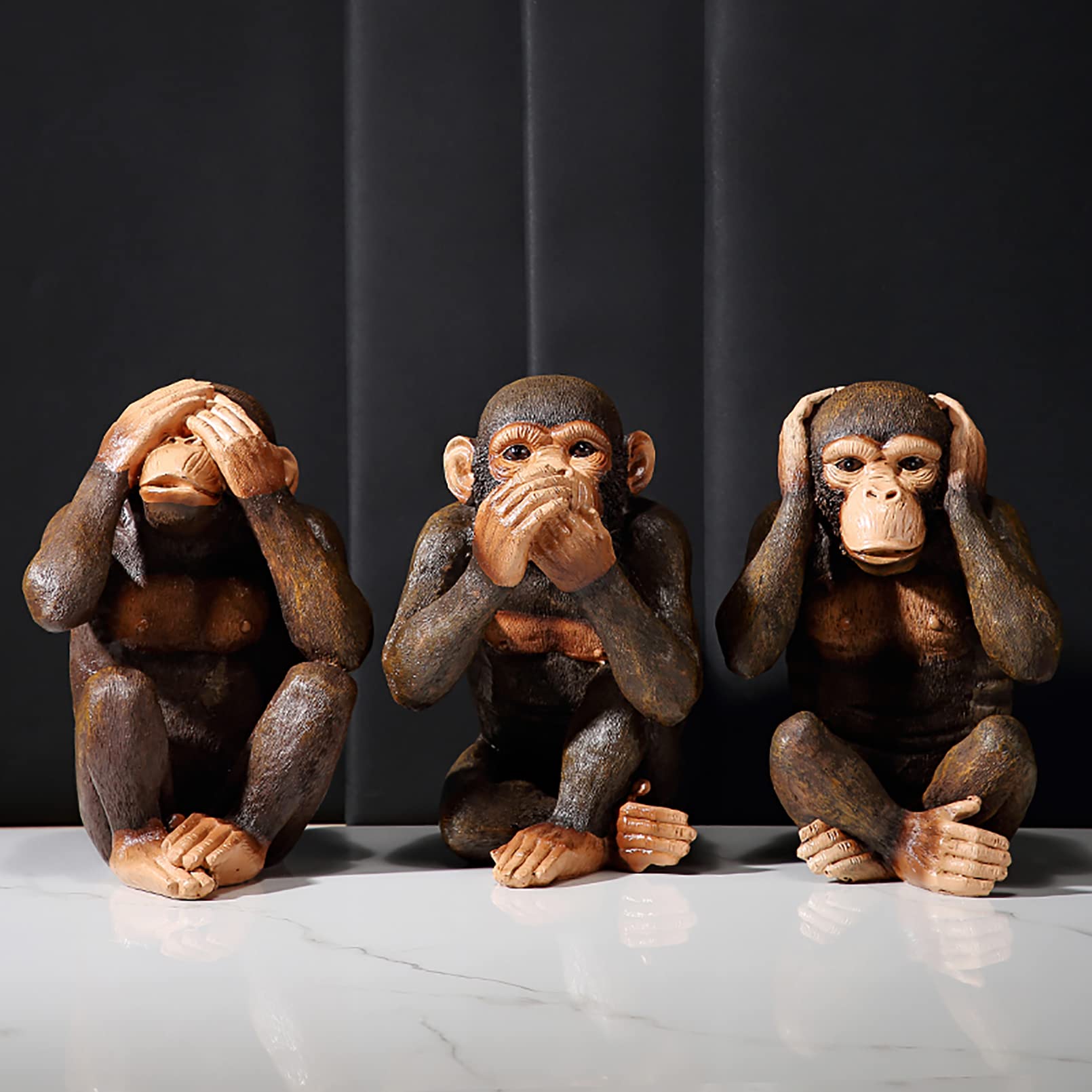
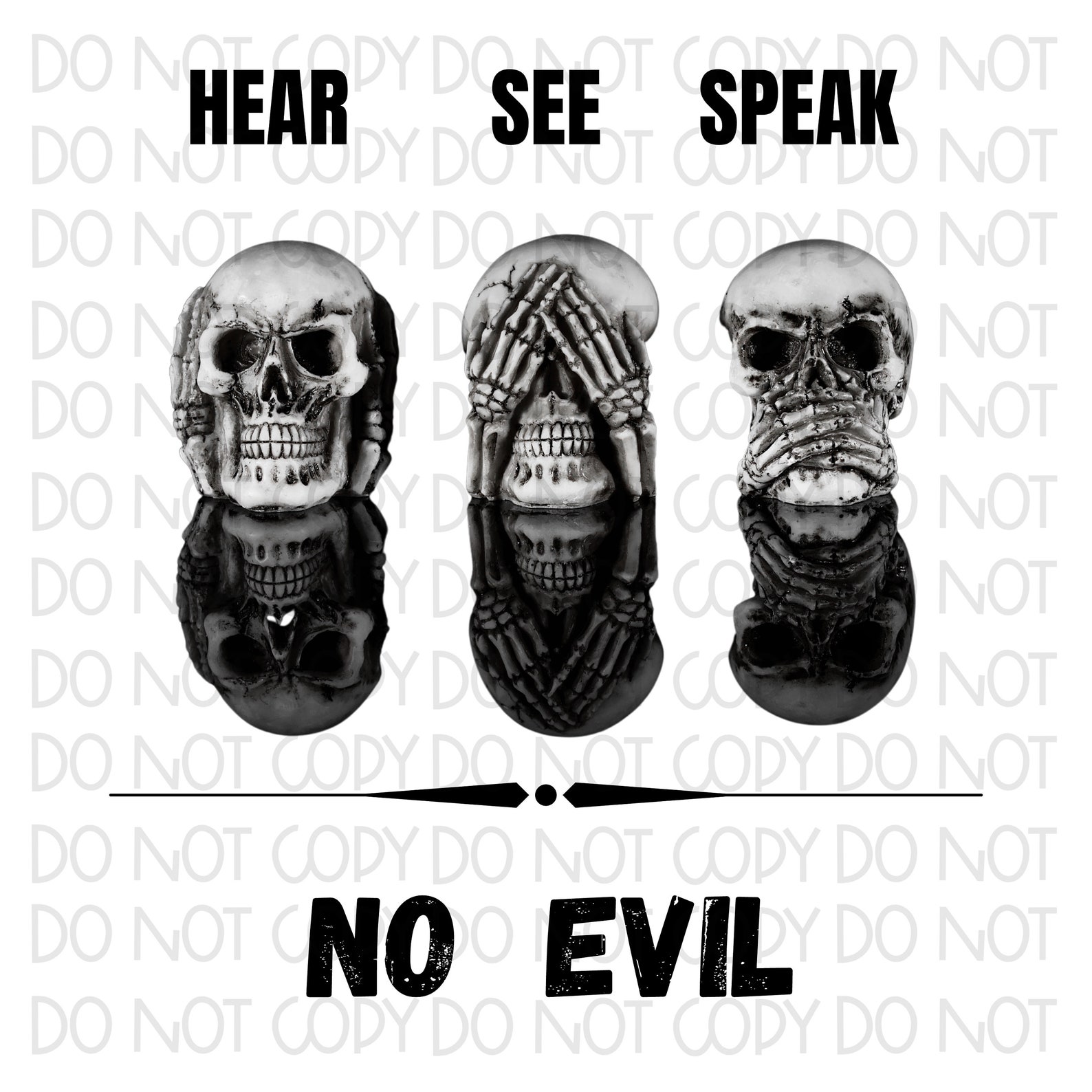
The visual representation of "see no evil, hear no evil, speak no evil" is historically rooted in the Japanese carving at the Tōshō-gū shrine in Nikkō, Tochigi Prefecture. This carving depicts three monkeys: Mizaru (covering his eyes), Kikazaru (covering his ears), and Iwazaru (covering his mouth).
These figures act as a mnemonic device for a code of conduct derived from the Tendai-Buddhist philosophy, which emphasizes a life of purity and discernment. The foundational text for this philosophy is found in the Analects of Confucius, where the philosopher states: "Look not at what is contrary to propriety; listen not to what is contrary to propriety; speak not what is contrary to propriety; make no movement which is contrary to propriety."
By the time these concepts reached Japan, they were merged with local Shinto-Buddhist traditions and codified into the monkey imagery. Contrary to the modern Western interpretation—which often views the figures as symbols of turning a blind eye to wrongdoing—the original Japanese moral framework advocated for the active avoidance of malevolence in one’s own life. It was a proactive strategy for maintaining inner peace and moral integrity rather than an instruction to ignore the suffering or corruption of others.
The Shift Toward Wilful Ignorance
In the 21st century, particularly in corporate, political, and social contexts, the phrase has evolved. It is now frequently invoked to describe situations where individuals or organizations purposefully maintain ignorance to avoid accountability. When a person claims to "see no evil," it is often interpreted not as a spiritual discipline of avoiding corruption, but as a deliberate refusal to acknowledge evidence of wrongdoing within a system or hierarchy.
This shift in meaning creates a significant paradox. The original teaching was intended to keep the individual’s conscience clean through the avoidance of negative input. However, its modern usage frequently results in the opposite: the perpetuation of harm through silence. Understanding this evolution is essential for anyone seeking to reconcile historical philosophical values with modern professional and personal ethics.
Ethical Frameworks and Accountability
When analyzing the phrase through a modern lens, it is crucial to distinguish between "avoiding exposure to malice" and "refusing to address injustice." Modern ethical standards, particularly in professional environments, often categorize "seeing no evil" as a failure of oversight.
Comparative Analysis of Moral Approaches
The following table contrasts the traditional philosophical intent with the contemporary social interpretation of the maxim.
| Component | Traditional Philosophical View | Contemporary Social Interpretation |
|---|---|---|
| Objective | Personal purity and internal moral clarity. | Denial, avoidance, and lack of responsibility. |
| Focus | Internal discipline; controlling one's own actions. | External observation; choosing to ignore evidence. |
| Outcome | Protection of the soul/mind from corruption. | Complicity in systemic wrongdoing or negligence. |
| Application | Mindful interaction with one's surroundings. | Wilful ignorance in corporate or legal settings. |
Practical Challenges in Modern Application
In professional settings, the directive to avoid "evil" or "malice" is often codified in compliance policies, codes of conduct, and whistleblower protection laws. However, the internal cultural pressure to "not see" problematic behavior—often referred to as groupthink or institutional bias—can mirror the physical gesture of the monkey covering its eyes.
The Role of Transparency
Organizations that prioritize ethical behavior often struggle with the "see no evil" trap. To counteract the tendency toward silence, leaders must implement:
- Clear Reporting Channels: Anonymous portals that allow for the reporting of unethical practices without fear of retaliation.
- Standardized Oversight: Periodic audits that require objective verification of internal processes rather than relying on the subjective claims of those involved.
- Values-Based Training: Shifting the narrative from "avoiding trouble" to "actively fostering integrity," ensuring that silence is not rewarded.
Risks of Misunderstanding the Maxim
The risk of applying the "do no evil, see no evil" mentality in an outdated, literal fashion is primarily found in the erosion of personal and collective responsibility. If an individual interprets this as a mandate to disengage from the world, they lose the ability to act as a witness to justice.
In legal and professional contexts, the defense of "I didn't see anything" is increasingly viewed as an admission of professional failure. Compliance standards in 2026 place a heavy emphasis on "active duty" to monitor and report, moving the needle firmly away from the passive posture historically associated with the maxim.
Frequently Asked Questions
Is "do no evil, see no evil" a universal religious command?
No. It is a cultural proverb with roots in Confucian thought and Buddhist moral training. It is not a centralized religious commandment but rather a philosophical guideline for personal conduct and spiritual hygiene.
How did the phrase change from a positive to a negative connotation?
The transition occurred primarily through linguistic evolution and the shifting social landscape of the industrial and digital ages. As society became more focused on systemic accountability, the passive nature of the proverb was increasingly associated with moral cowardice or negligence rather than spiritual discipline.
Can this philosophy coexist with modern transparency requirements?
Yes, but only if the philosophy is interpreted correctly. If "see no evil" is interpreted as "do not engage with or perpetuate malevolence in your own character," it remains highly compatible with modern transparency. If interpreted as "ignore wrongdoing," it is fundamentally incompatible with contemporary professional ethics.
Does the phrase specifically require action against others?
Historically, it focused on individual behavior. Modern ethics, however, require that individuals act when they become aware of wrongdoing. The original proverb does not provide a framework for whistleblowing; that is a product of modern legislative and corporate evolution.
Recommendation for Ethical Engagement
To effectively navigate the tension between the traditional spirit of the proverb and the requirements of the modern world, individuals should adopt a stance of "conscious awareness." Rather than closing your eyes or ears to the world, practice discernment—the ability to identify and reject malevolence when it occurs, while maintaining your personal moral boundaries. In your professional and personal life, accountability is the primary antidote to the pitfalls of "see no evil." Always prioritize verification of facts and clear communication over the passive avoidance of uncomfortable realities.
Image Gallery