Jessie Buckley Nails the Look: A Study in Modern Character-Driven Aesthetics
When observers remark that Jessie Buckley “nails the look,” they are rarely referring to simple fashion trends; they are describing the Irish actor’s unique ability to embody a character through a transformative synthesis of costume, p...
When observers remark that Jessie Buckley “nails the look,” they are rarely referring to simple fashion trends; they are describing the Irish actor’s unique ability to embody a character through a transformative synthesis of costume, period-appropriate grooming, and subtle physical idiosyncrasies. Whether appearing in the gritty, claustrophobic atmosphere of a period drama or the high-stakes tension of a psychological thriller, Buckley’s commitment to an aesthetic vision functions as a crucial narrative tool that grounds her performances in reality.
Contents
To understand how Buckley achieves this level of visual consistency, one must look at the intersection of costume design, makeup artistry, and her specific approach to Method-adjacent character work. Achieving a “look” that feels authentic rather than performative requires a deep integration between the performer and the creative team behind the camera. In this analysis, we examine how the mechanics of visual storytelling in film and television allow Buckley to bridge the gap between performer and persona.
The Architecture of Transformation: Collaboration with Designers
The phrase “nails the look” implies a successful execution of a specific intent. For a performer, this process begins long before the cameras roll. It involves a collaborative dialogue with costume designers and hair and makeup artists who interpret the script’s historical or situational requirements.
In projects such as Wild Rose (2018), where Buckley portrayed an aspiring country singer from Glasgow, the aesthetic was defined by a specific subculture. The "look" was not about glamour; it was about the lived-in reality of a character struggling against her circumstances. Buckley’s wardrobe choices—often featuring distressed denim, worn leather, and hair styled with the frantic energy of someone on the verge of success—served as an external manifest of the character’s internal volatility.
This requires a high degree of technical preparation. Designers must source garments that meet the visual demands of the specific year or socioeconomic environment depicted. When the actor wears these items, the technical requirement is that the clothing must not feel like a costume. It must feel like an extension of the character’s skin. Buckley is frequently cited in production design circles for her willingness to adopt the posture and gait dictated by her character’s sartorial constraints, whether that be a restrictive Victorian gown or a modern, oversized utility coat.
Technical Components of the “Look”
Analyzing how a look is constructed requires breaking down the individual elements that audiences perceive as "on point." In contemporary cinema, this is a multi-disciplinary effort involving several specialized departments.
Key Aesthetic Elements
- Textural Integrity: The choice of fabric weight, age of the garment (distressing), and fit. In period pieces, the fabric must react correctly to historical lighting sources.
- Grooming and Color Palette: Makeup artists focus on skin texture rather than coverage. For a character like the one seen in I’m Thinking of Ending Things (2020), the makeup was designed to reflect a shifting, surrealist reality, requiring meticulous attention to the subtle degradation of the actor's appearance as the narrative progressed.
- Movement and Silhouette: How the costume affects the physical presence of the actor. A stiff collar or heavy boots changes how an actor walks, which in turn changes how the camera perceives them.
The following table compares the distinct aesthetic approaches required for different genres in which Buckley has performed, highlighting the necessary adjustments in styling to maintain character immersion.
| Genre | Aesthetic Focus | Technical Challenge | Example Project |
|---|---|---|---|
| Historical Drama | Authenticity of silhouette | Maintaining period-accurate posture | The Lost Daughter |
| Gritty Realism | Minimalist/Raw | Avoiding "studio" polish | Wild Rose |
| Psychological Thriller | Symbolic/Abstract | Visualizing internal descent | I’m Thinking of Ending Things |
| Folk Horror | Atmosphere/Cultural | Symbolism through traditional attire | Men |
The Role of Personal Styling in Public Life
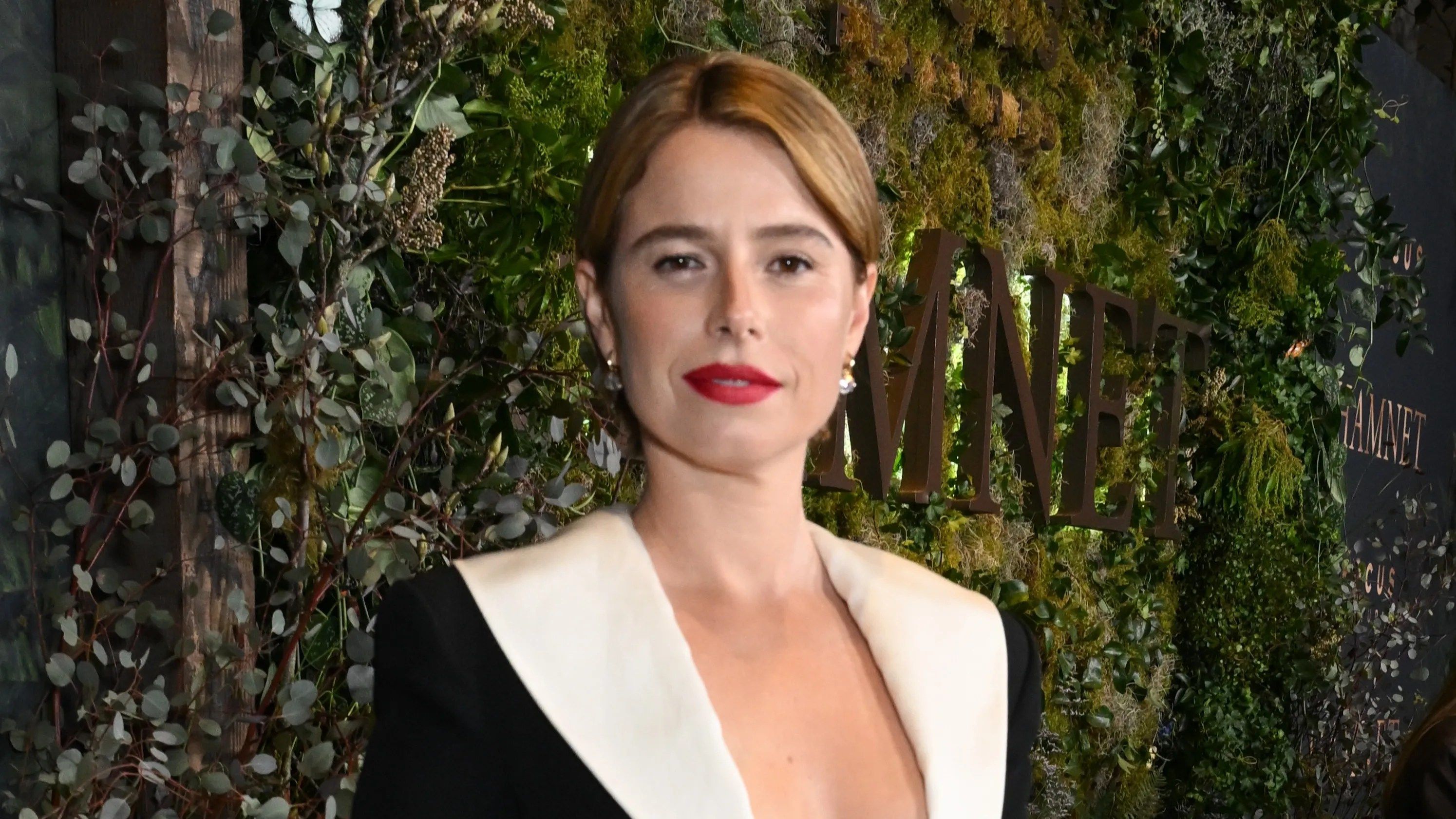
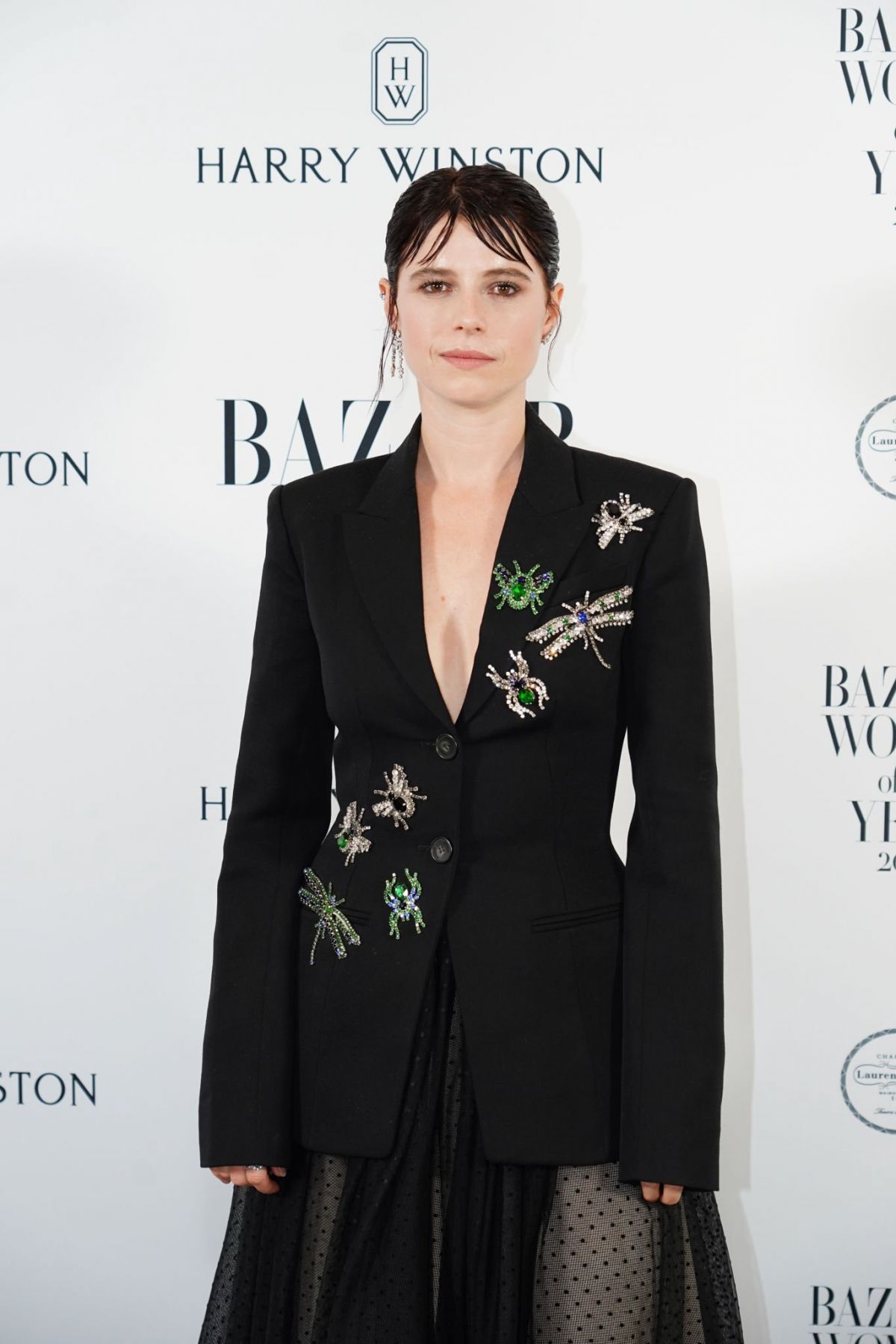
Outside of her film work, the public perception of Buckley “nailing the look” often shifts toward high-fashion editorial styling. In these instances, the goal is not character immersion but rather the projection of a specific brand identity or artistic persona.
In 2026, the intersection between personal branding and red-carpet styling remains a high-stakes arena. Unlike character work, which is directed by a production's aesthetic vision, public styling involves a partnership between the performer and a stylist to create a visual narrative that aligns with current trends while maintaining the individual’s aesthetic signature. For Buckley, this often involves sharp, architectural silhouettes that contrast with the more rugged, earthy roles for which she is known.
The technical challenge here is maintaining a consistent visual identity that allows the audience to recognize the person behind the character. This is achieved through the repeated use of specific color palettes or design houses that complement the actor’s natural features, ensuring that even when the aesthetic changes, the presence remains recognizable.
Common Mistakes in Achieving Cinematic Realism
For those interested in the technical aspects of filmmaking or character design, understanding where "the look" often fails is as important as understanding how it succeeds. Even with world-class design, a look can fall flat if there is a lack of cohesion between the performer’s physical performance and the design team's intent.
- Over-Polishing: One of the most common pitfalls is when makeup or clothing looks too new or too clean for the environment. Even in high-budget productions, the lack of "breakdown"—a process where clothes are artificially worn or dirtied—can make an actor look like they are standing in front of a green screen rather than inhabiting a world.
- Anachronistic Choices: In period dramas, the failure to account for historical norms—such as how a specific textile reflects light—can break the audience's suspension of disbelief.
- Lack of Psychological Integration: If an actor wears a costume but does not adjust their physical demeanor to match the constraints of that clothing, the audience perceives a disconnect. Buckley succeeds here by effectively "owning" the silhouette provided to her, whether it is avant-garde or historically restrictive.
FAQ: Understanding Professional Aesthetic Direction
How does a performer prepare to embody a specific period look?
Preparation involves historical research and costume fittings that focus on movement. Performers work with movement coaches to understand how period-appropriate garments, such as corsets or heavy period footwear, dictate physical gestures, ensuring the "look" is supported by authentic movement.
What is the purpose of "distressing" in film costume design?
Distressing is the process of physically aging and damaging costumes to make them appear worn or lived-in. This is vital for maintaining realism, as brand-new clothing often lacks the necessary character history to look natural on camera.
Does Jessie Buckley have a specific "signature" style?
While her character work is transformative, her personal aesthetic frequently leans toward structured, minimalist tailoring. This provides a baseline that allows her to pivot into widely varied roles without her public image becoming too tied to a single, static look.
How do makeup artists decide on a character’s color palette?
Makeup artists select colors based on the film’s color grade and the emotional temperature of the scene. They ensure that skin tones remain accurate under specific lighting conditions—whether the production is using natural light, high-contrast LED, or period-accurate lamps.
Why is physical movement considered part of "the look"?
The "look" is an integrated visual package. If an actor’s posture contradicts their clothing—such as a character in period armor moving with modern, loose athleticism—the audience subconsciously registers an error. The clothing and the body must function as a single unit.
Next Steps for Aspiring Professionals
For those looking to understand the technical side of how performers and design teams achieve a cohesive look, the best approach is to examine behind-the-scenes materials from production houses. Many major studios now provide digital archives or featurettes detailing the "breakdown" process and the historical research involved in creating a character's aesthetic.
To effectively replicate this level of attention to detail in your own creative projects, focus on the "why" before the "what." Every item of clothing, every shade of makeup, and every hairstyle must serve a narrative purpose. When the technical requirements of the environment (the period, the weather, the class, the emotional state) are addressed, the "look" ceases to be a costume and becomes a story.
Image Gallery