The Evolution of Champions: The Story Behind Past Club World Cup Winners
The story of past Club World Cup winners is a narrative of shifting footballing power, moving from a localized duel between Europe and South America to a centralized global spectacle managed by FIFA. Since its inception in 2000 and its...
The story of past Club World Cup winners is a narrative of shifting footballing power, moving from a localized duel between Europe and South America to a centralized global spectacle managed by FIFA. Since its inception in 2000 and its permanent return in 2005, the tournament has been dominated by UEFA Champions League winners, with Real Madrid holding the record for the most titles.
Contents
The Genesis of a Global Crown
Before the FIFA Club World Cup became the definitive method for crowning the "world champion," the title was largely symbolic or decided through the Intercontinental Cup. That competition, which ran from 1960 to 2004, featured only the winners of the UEFA Champions League and the Copa Libertadores. While prestigious, it ignored the developing footballing landscapes of Africa, Asia, North America, and Oceania.
FIFA’s move to create an official World Cup for clubs was driven by the desire to democratize the path to the title and, crucially, to consolidate commercial rights under the global governing body. The inaugural tournament in 2000, held in Brazil, was an experimental precursor. It featured eight teams and produced an all-Brazilian final where Corinthians defeated Vasco da Gama on penalties. However, due to the collapse of FIFA’s marketing partner ISL, the tournament went into a hiatus until 2005.
The modern era began when the FIFA Club World Cup merged with the Intercontinental Cup in 2005. Since then, the tournament has been held annually (until the 2025 expansion), primarily in Japan, the United Arab Emirates, Morocco, and Qatar. The "story" of its winners is largely a tale of European financial and technical dominance, occasionally punctuated by the grit and passion of South American defiance.
The Early Years of South American Defiance (2005–2006)
When the tournament was permanently revived in 2005, the footballing world expected European dominance. However, the first two editions of the revamped format belonged to Brazil.
In 2005, São Paulo faced a powerhouse Liverpool side in the final. Despite Liverpool dominating possession and having three goals disallowed for offside, São Paulo’s goalkeeper Rogério Ceni produced a legendary performance to secure a 1-0 win. This victory reinforced the idea that South American clubs, while lacking the massive budgets of the Premier League or La Liga, possessed a tactical discipline and psychological edge in one-off finals.
The following year, 2006, saw Internacional pull off a similar upset against a Barcelona team led by Ronaldinho. It was a young Alexandre Pato and a late goal from Adriano Gabiru that sealed the title for the Porto Alegre side. These early years established the Club World Cup as a serious trophy, particularly in South America, where winning the "Mundial de Clubes" was often viewed as the pinnacle of a club’s history, even eclipsing the Copa Libertadores.
The Era of European Hegemony (2007–2011)
The tide began to turn decisively in 2007 when AC Milan, led by Ballon d'Or winner Kaká, dismantled Boca Juniors 4-2. This marked the beginning of a period where the talent gap, fueled by the migration of South American stars to European leagues, became too wide to bridge.
Barcelona’s "Sextuple" and the Messi Era
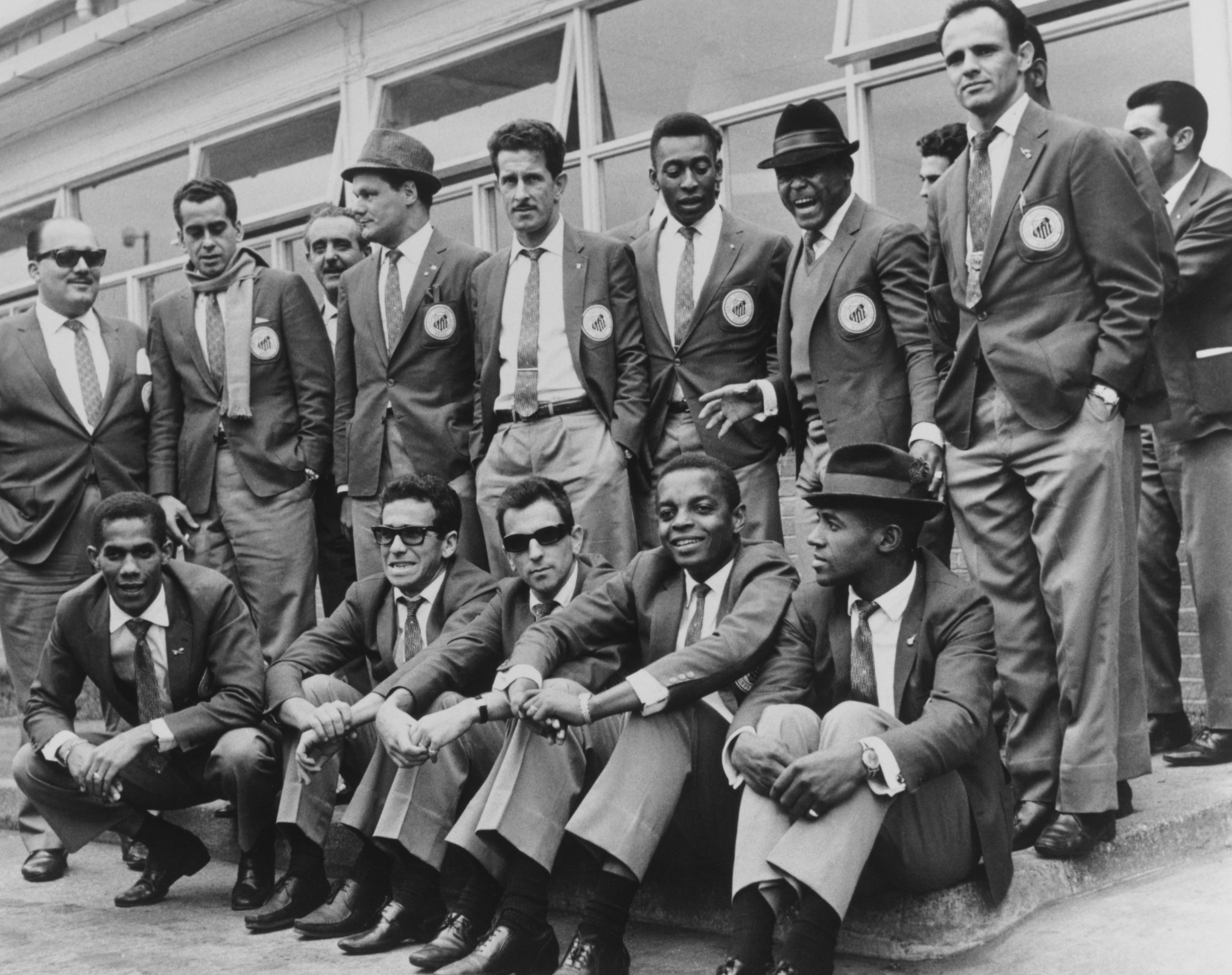
In 2009, Pep Guardiola’s Barcelona completed an unprecedented "Sextuple" by defeating Estudiantes in Abu Dhabi. The match is remembered for Lionel Messi scoring the winning goal in extra time with his chest—specifically over his heart. This victory symbolized the perfection of the "tiki-taka" style on a global stage. Barcelona returned in 2011 to provide arguably the most dominant performance in the tournament’s history, a 4-0 demolition of Neymar’s Santos. This match was a watershed moment, illustrating that the technical gulf between the best of Europe and the best of the rest had become a chasm.
Inter Milan and the European Professionalism
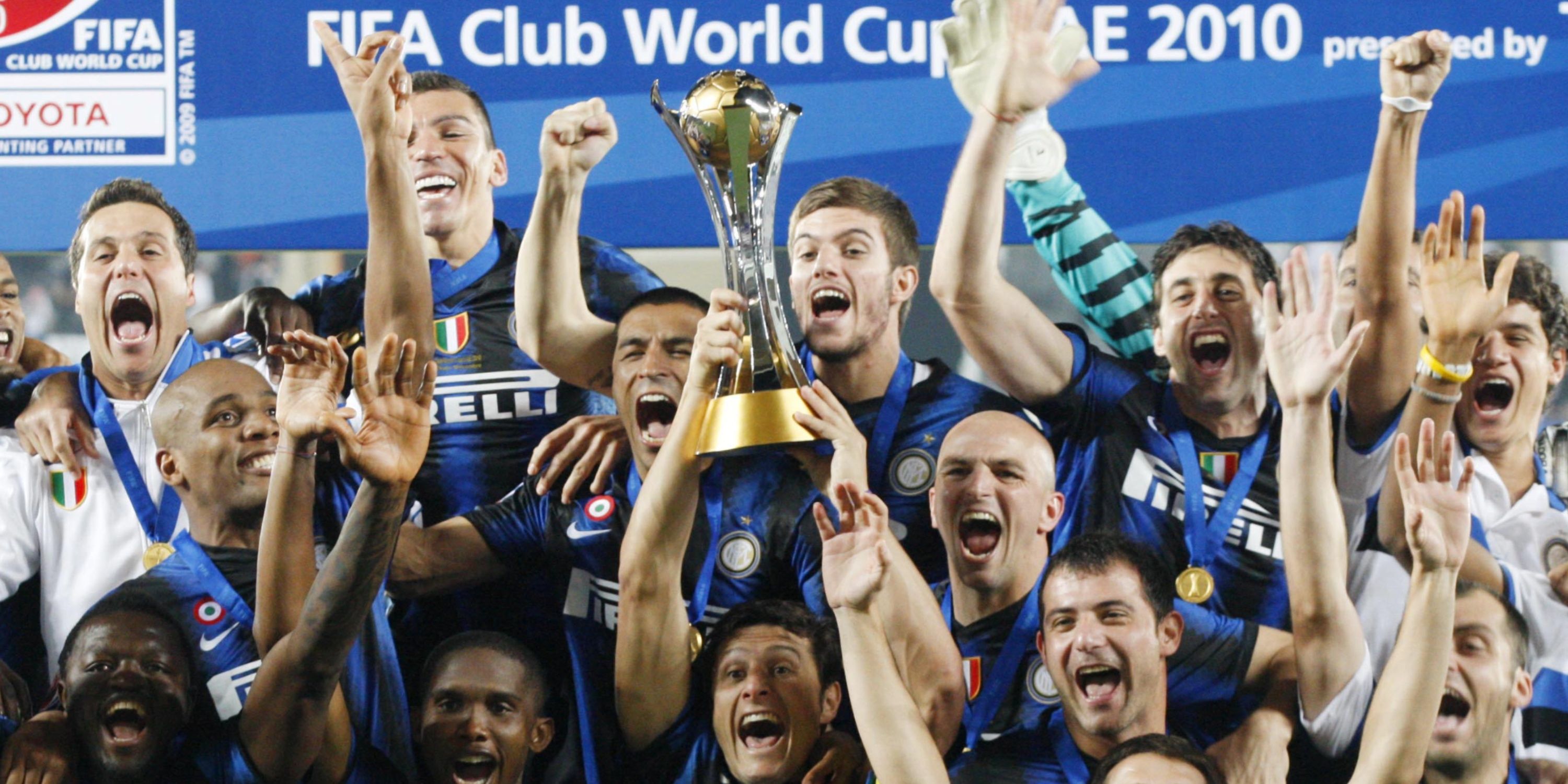
In 2010, Inter Milan continued the European streak by defeating TP Mazembe. The 2010 edition was historic not because of the winner, but because TP Mazembe (DR Congo) became the first African team to reach the final, breaking the UEFA-CONMEBOL duopoly that had existed since 1960. Inter’s 3-0 victory was a clinical display of the professionalism instilled by the squad built by José Mourinho.
The 2012 Outlier: The Last Stand of South America
Since 2006, only one non-European team has managed to lift the trophy: Corinthians in 2012. Facing a Chelsea side that had recently won the Champions League, Corinthians brought an estimated 30,000 fans from Brazil to Yokohama, Japan.
The match was a masterclass in defensive resilience. Paolo Guerrero scored the only goal, and goalkeeper Cássio delivered a performance for the ages to deny Fernando Torres and Eden Hazard. The 1-0 victory remains the last time a South American club stood atop the world, and it serves as a reminder of the unique pressure the Club World Cup exerts on European favorites. For Chelsea, it was a disappointment; for Corinthians, it was a cultural event that defined a generation.
The Record-Breakers: Real Madrid’s Total Dominance
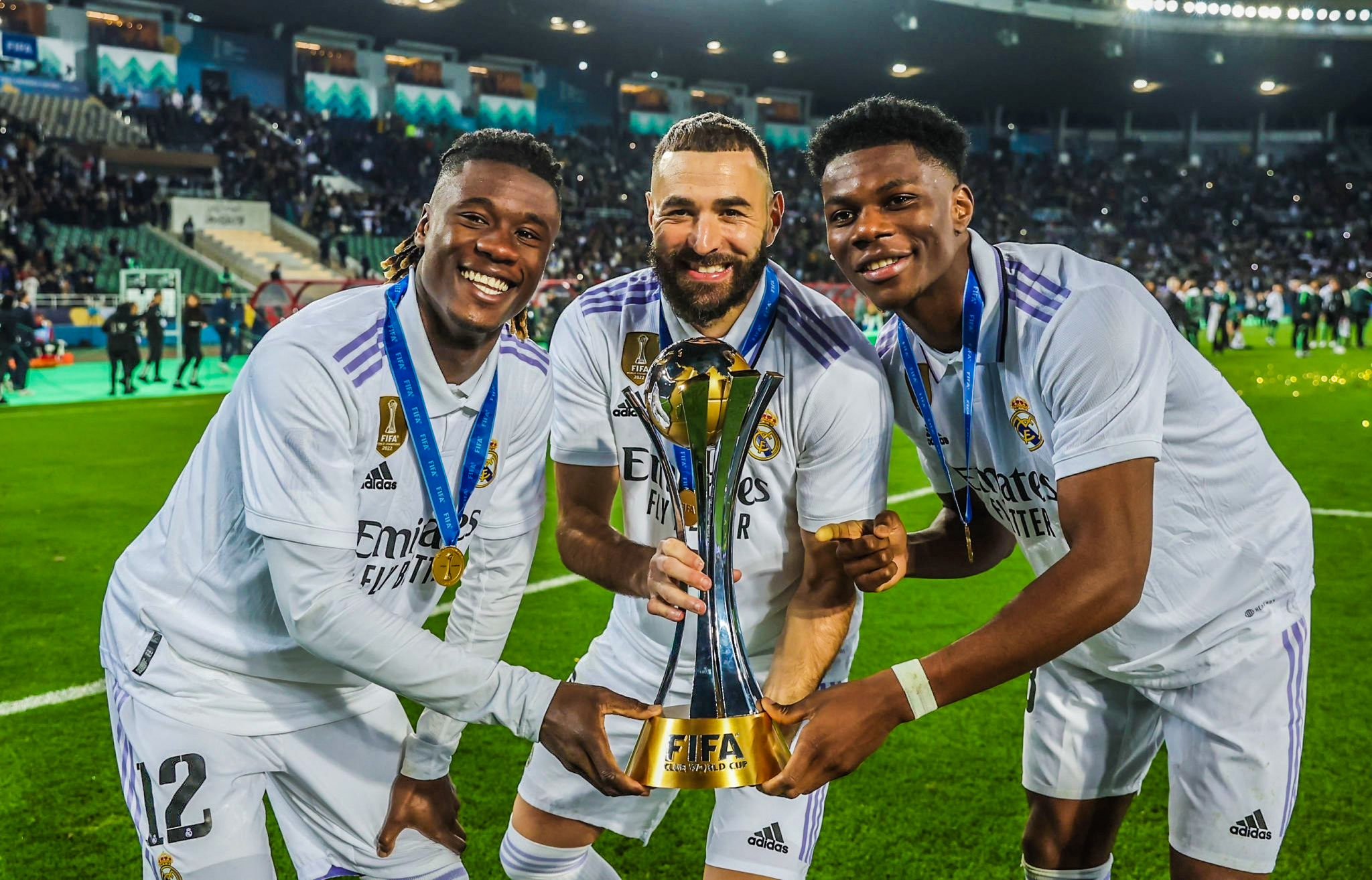
No discussion of past winners is complete without the staggering statistics of Real Madrid. The Spanish giants have made the Club World Cup their personal playground, winning the title in 2014, 2016, 2017, 2018, and 2022.
Real Madrid’s success in this tournament is inextricably linked to their dominance in the UEFA Champions League. Their victories often showcased the individual brilliance of players like Cristiano Ronaldo, Gareth Bale, and Karim Benzema.
- 2014: A 2-0 win over San Lorenzo in Morocco.
- 2016: A hat-trick by Cristiano Ronaldo rescued Madrid in a 4-2 extra-time win over Kashima Antlers.
- 2017: A narrow 1-0 win over Gremio via a Ronaldo free-kick.
- 2018: A 4-1 victory over Al Ain, making them the first club to win three consecutive titles.
- 2022: A thrilling 5-3 win over Al-Hilal in Rabat, Morocco.
Real Madrid’s approach to the tournament evolved from treating it as a mid-season distraction to viewing it as a vital part of their global brand identity. Their five titles (prior to the 2025 expansion) set a benchmark that may not be challenged for decades.
Modern Winners and the Premier League’s Rise
In the latter half of the 2010s and early 2020s, the Premier League’s financial power translated into Club World Cup success.
Liverpool won their first title in 2019, defeating Flamengo 1-0 in Qatar. For Liverpool, this was a moment of redemption after losing the 2005 final and the 1981 Intercontinental Cup. Roberto Firmino, a Brazilian, scored the winning goal against the Brazilian champions, highlighting the globalized nature of modern football.
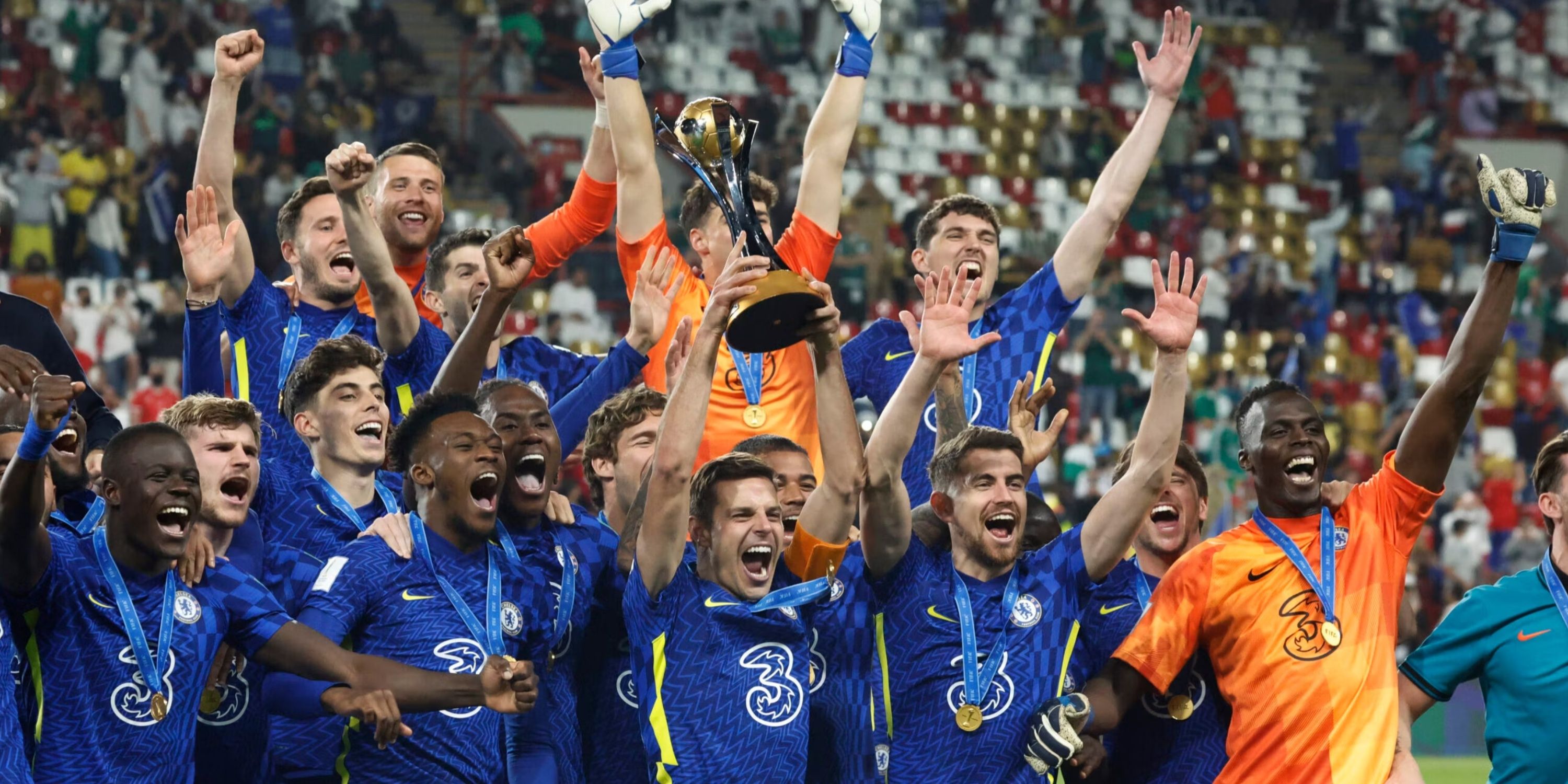
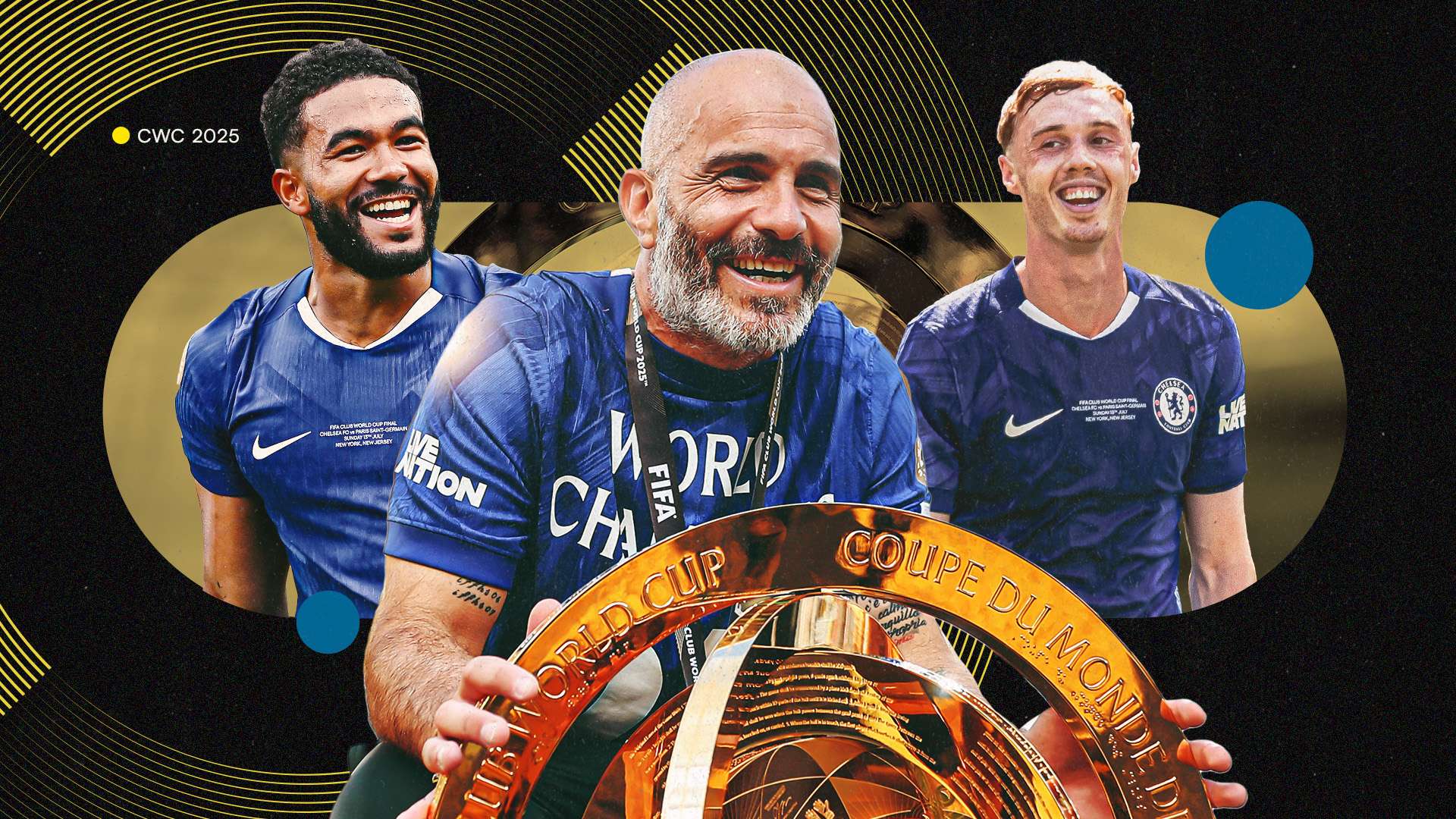
Chelsea followed suit in 2021 (played in early 2022), defeating Palmeiras 2-1 in extra time. This victory allowed Chelsea to complete the "clean sweep" of every major trophy available to them. In 2023, Manchester City continued the trend by thrashing Fluminense 4-0, securing their first world title and completing a historic treble-winning year under Pep Guardiola.
Historical Winners and Runners-Up (2000–2025)
The following table outlines the finalists and scores of the FIFA Club World Cup throughout its history, illustrating the shift in dominance.
| Year | Winner | Runner-Up | Score | Host Nation |
|---|---|---|---|---|
| 2000 | Corinthians | Vasco da Gama | 0–0 (4–3 pen) | Brazil |
| 2005 | São Paulo | Liverpool | 1–0 | Japan |
| 2006 | Internacional | Barcelona | 1–0 | Japan |
| 2007 | AC Milan | Boca Juniors | 4–2 | Japan |
| 2008 | Manchester United | LDU Quito | 1–0 | Japan |
| 2009 | Barcelona | Estudiantes | 2–1 (aet) | UAE |
| 2010 | Inter Milan | TP Mazembe | 3–0 | UAE |
| 2011 | Barcelona | Santos | 4–0 | Japan |
| 2012 | Corinthians | Chelsea | 1–0 | Japan |
| 2013 | Bayern Munich | Raja Casablanca | 2–0 | Morocco |
| 2014 | Real Madrid | San Lorenzo | 2–0 | Morocco |
| 2015 | Barcelona | River Plate | 3–0 | Japan |
| 2016 | Real Madrid | Kashima Antlers | 4–2 (aet) | Japan |
| 2017 | Real Madrid | Grêmio | 1–0 | UAE |
| 2018 | Real Madrid | Al Ain | 4–1 | UAE |
| 2019 | Liverpool | Flamengo | 1–0 (aet) | Qatar |
| 2020 | Bayern Munich | Tigres UANL | 1–0 | Qatar |
| 2021 | Chelsea | Palmeiras | 2–1 (aet) | UAE |
| 2022 | Real Madrid | Al-Hilal | 5–3 | Morocco |
| 2023 | Manchester City | Fluminense | 4–0 | Saudi Arabia |
| 2025* | [Expanded Format] | Varies | Varies | USA |
*The 2025 edition marked the transition to a 32-team format held every four years, significantly altering the tournament's structure.
Frequently Asked Questions
Which club has won the most FIFA Club World Cup titles?
Real Madrid is the most successful club in the history of the competition. As of 2026, they hold five titles from the original annual format (2014, 2016, 2017, 2018, 2022). Their success is largely attributed to their consistent dominance in the UEFA Champions League, which served as the qualifying path for the tournament.
Has a team from outside Europe or South America ever won?
No. While teams from Africa (TP Mazembe, Raja Casablanca), Asia (Kashima Antlers, Al-Hilal), and North America (Tigres UANL) have reached the final, the trophy has only ever been won by clubs from UEFA (Europe) or CONMEBOL (South America). This reflects the concentrated financial and historical power within these two confederations.
Who is the all-time top scorer in the Club World Cup?
Cristiano Ronaldo holds the record for the most goals in the tournament's history with seven goals. He scored one for Manchester United and six for Real Madrid. He is closely followed by Gareth Bale, who scored six goals during his tenure with Real Madrid.
Why did the format change in 2025?
FIFA expanded the tournament to 32 teams starting in 2025 to increase the commercial viability and global reach of the competition. The goal was to create a "World Cup" for clubs that mirrors the scale and prestige of the national team World Cup, moving away from the annual seven-team knockout format that many felt was too predictable and skewed toward Europe.
Which player has won the most Club World Cup trophies?
Several players from Real Madrid’s "golden era" share the record for most titles, including Toni Kroos, who has won the trophy six times (once with Bayern Munich and five times with Real Madrid). Other notable multi-time winners include Karim Benzema, Luka Modrić, and Dani Carvajal.
Final Recommendations for Fans and Historians
To truly understand the story behind past Club World Cup winners, one must look beyond the scores. The tournament is a reflection of the global football economy. For those interested in the tactical evolution of the game, reviewing the 2005 São Paulo victory or the 2012 Corinthians win provides a fascinating look at how defensive organization can overcome superior individual talent.
As we move further into the era of the expanded 32-team format, the historical records of the annual tournament serve as a foundation for what has become a true global league of champions. Fans should monitor official FIFA archives for detailed match reports and technical studies that explain how these champions reached the summit of world football.
Image Gallery