Is the Delhi Rainy Season Worth Planning a Trip?
Planning a trip to Delhi during the rainy season is worth it for budget travelers, culture enthusiasts, and photographers who prefer fewer crowds and lush green urban landscapes. However, it requires a flexible itinerary to navigate oc...
Planning a trip to Delhi during the rainy season is worth it for budget travelers, culture enthusiasts, and photographers who prefer fewer crowds and lush green urban landscapes. However, it requires a flexible itinerary to navigate occasional heavy downpours, high humidity, and localized traffic delays caused by waterlogging.
Contents
Understanding Delhi’s Monsoon Season: Timeline and Weather Patterns
The monsoon season in Delhi officially arrives in late June or early July and extends through September, with July and August experiencing the heaviest rainfall. Driven by the southwest monsoon winds, the climate transitions rapidly from the scorching, dry heat of late spring to a humid, tropical environment.
During these months, daily temperatures typically range between 28°C (82°F) and 35°C (95°F). While the mercury drops compared to the extreme 40°C+ summer peaks, the relative humidity frequently hovers between 70% and 90%. This high humidity elevates the heat index, making outdoor physical exertion feel warmer than the air temperature indicates.
Rainfall in the National Capital Region (NCR) tends to occur in intense, intermittent bursts rather than continuous, day-long drizzles. A bright, overcast morning can quickly yield to a torrential downpour lasting one to three hours, followed by clearing skies. Understanding this erratic weather rhythm is essential for structuring daily sightseeing activities without getting stranded or soaked.
Pros of Visiting Delhi During the Monsoon
While winter remains the traditional peak tourist season for India’s capital, the monsoon presents several distinct advantages for travelers who approach the trip with realistic expectations.
Reduced Crowds at Major Historic Sites
Delhi’s UNESCO World Heritage Sites—including Humayun’s Tomb, the Qutub Minar complex, and the Red Fort—draw millions of visitors annually. During the winter months from November to February, ticket lines can be long and courtyards congested.
In the rainy season, tourist footfall drops significantly. Visiting these centuries-old architectural marvels during a soft rain or immediately after a cloudburst offers a serene, almost contemplative experience. Photographers particularly benefit from the absence of dense crowds, dramatic overcast skies, and the reflective mirror effects created by puddles against sandstone monuments.
Lower Accommodation and Travel Costs
Because July to September falls into Delhi’s off-peak travel window, hospitality providers lower their rates to maintain occupancy.
- Luxury and Boutique Hotels: Five-star properties in areas like Connaught Place, Chanakyapuri, and Aerocity often reduce room tariffs by 30% to 50% compared to winter rates, or bundle promotions with complimentary meals and spa discounts.
- Flights and Intercity Transport: Domestic airfares into Indira Gandhi International Airport (DEL) and regional train fares generally drop, making long-distance travel across northern India more economical.
- Tour Packages: Guided city tours, private chauffeur services, and experiential workshops operate with greater flexibility and lower pricing negotiable through local operators.
Vibrant Gardens and Heritage Parks
Delhi is one of the greenest capital cities in Asia, and its expansive parks transform during the rainy season. Months of summer dust wash away, leaving the city’s historic gardens vibrant and lush.
- Sundar Nursery: This restored 16th-century heritage park adjacent to Humayun’s Tomb features over 300 tree species, flowing water channels, and restored Mughal monuments that come alive in the rain.
- Lodhi Garden: Spanning 90 acres, Lodhi Garden offers scenic walking paths lined with XV-century Sayyid and Lodi Dynasty tombs, surrounded by fresh greenery and active birdlife.
- Mehrauli Archaeological Park: Located near Qutub Minar, this sprawling reserve contains over 100 historical monuments set amid dense foliage that thrives under monsoon rains.
Culinary Experiences Tailored for Rainy Days
Food culture in North India shifts dynamically with the arrival of the rains. Rainy days in Delhi trigger a seasonal culinary preference for piping hot snacks paired with spiced masala chai.
Street food vendors and traditional sweet shops across Old Delhi (Chandni Chowk) and South Delhi specialize in freshly fried pakoras (vegetable fritters), crisp samosas, and hot kachoris. Dining at legendary establishments or modern cafes while watching rain fall over historic courtyards provides an authentic cultural connection to how locals celebrate the season.
Drawbacks and Operational Challenges
Traveling during the rainy season is not without substantial drawbacks. Neglecting the infrastructure challenges of a major metropolis during heavy rain can lead to frustration and lost time.
Monsoon Travel in Delhi: Key Trade-offs
| ADVANTAGES | DISADVANTAGES |
|---|---|
| Lower hotel rates & airfares | Severe traffic & waterlogging |
| Uncrowded heritage monuments | High humidity & thermal comfort |
| Lush green parks & gardens | Vector-borne health risks |
| Dramatic photography light | Unpredictable outdoor plans |
Waterlogging and Severe Traffic Congestion
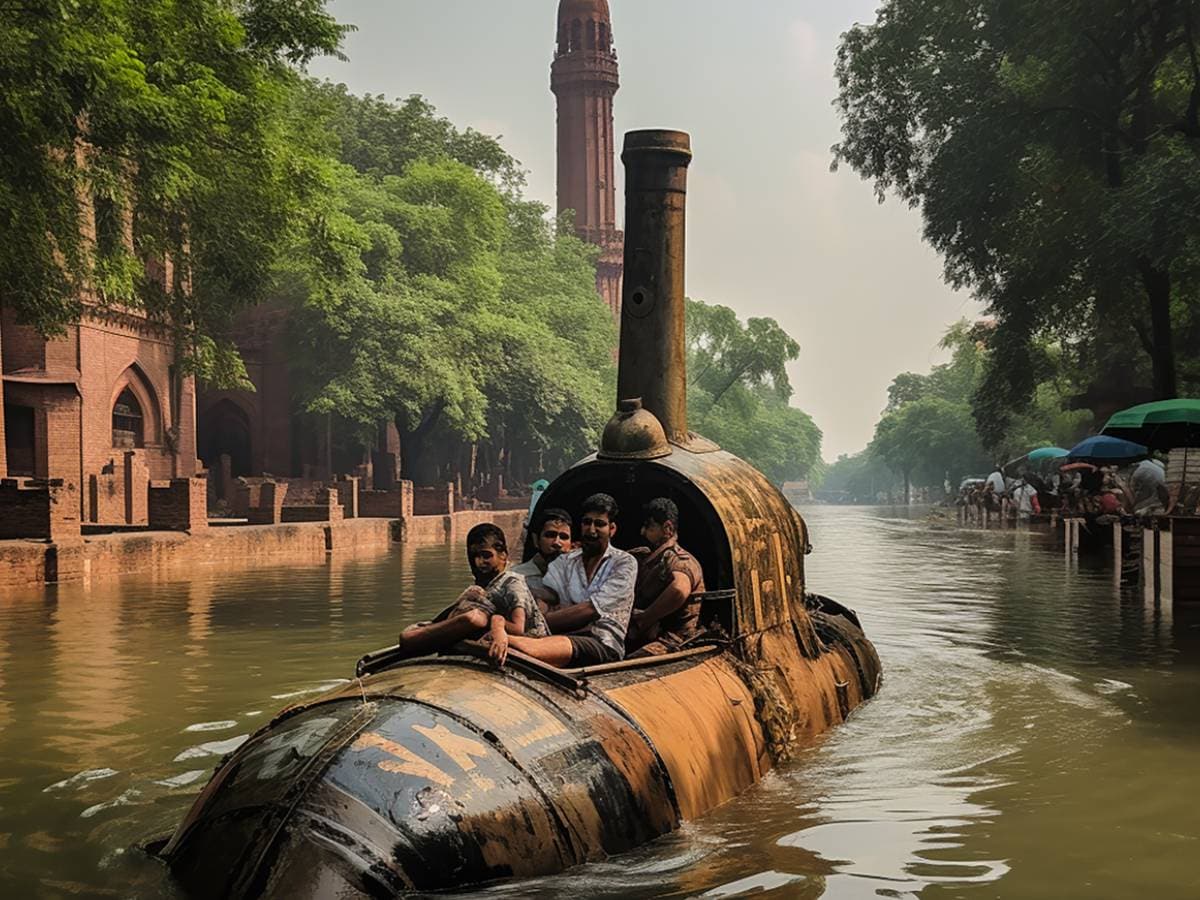
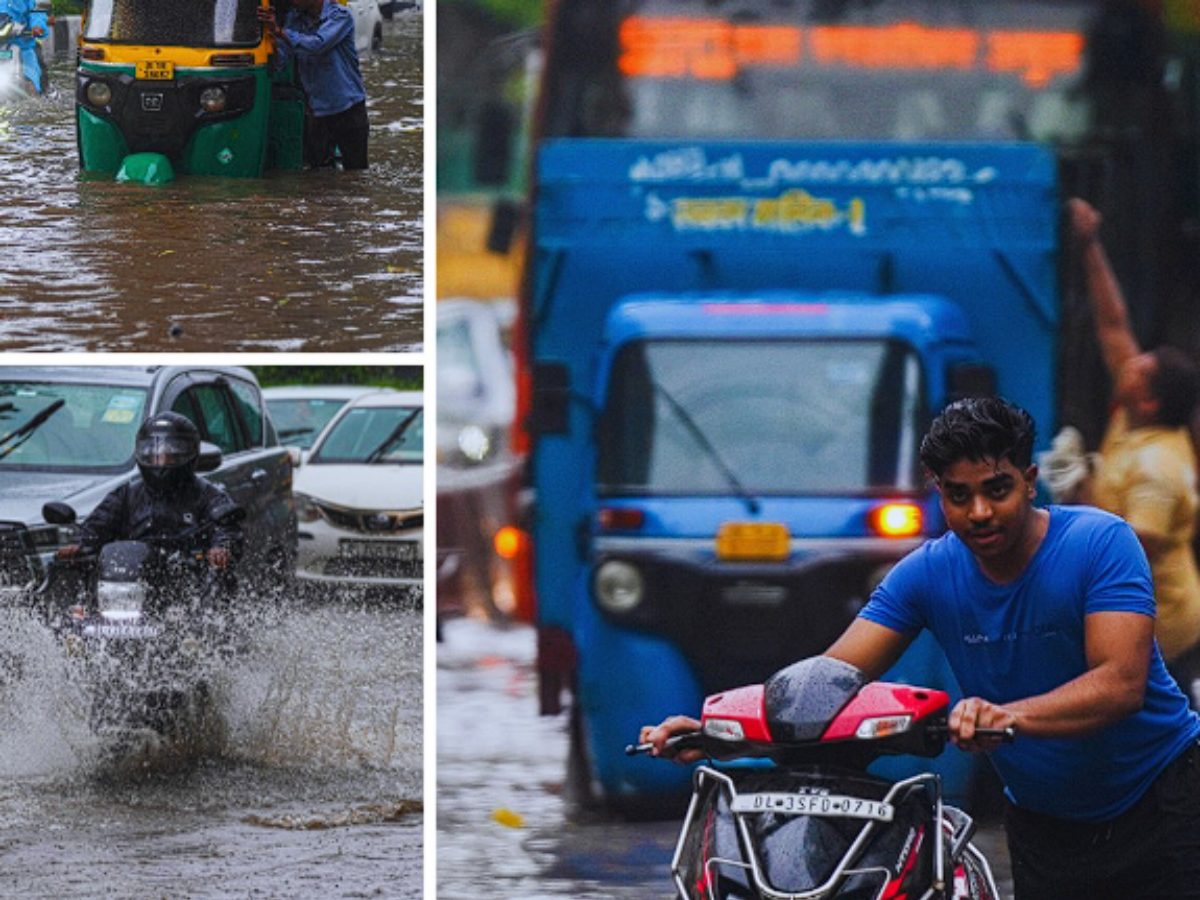
Delhi’s storm drainage infrastructure often struggles to cope with short, high-volume downpours. Low-lying arterial roads, underpasses, and major intersections can flood rapidly.
- Road Transport Delays: Taxis, ride-hailing services (such as Uber and Ola), and auto-rickshaws experience massive surges in demand during rainstorms. Journey times across the city can easily double or triple due to waterlogged roads and localized traffic jams.
- Airport Transit Risks: Flooded access roads around major traffic hubs can cause delays when traveling to Indira Gandhi International Airport or major railway stations like New Delhi (NDLS) and Hazrat Nizamuddin (NZM).
High Humidity and Physical Discomfort
While actual air temperatures stay around 30°C to 34°C, humidity levels near 80% mean that body sweat does not evaporate efficiently. Walking outdoors for extended periods can cause rapid dehydration, fatigue, and sticky discomfort. Travelers sensitive to heat and humidity may find outdoor exploring draining without frequent breaks in air-conditioned spaces.
Health Risks: Mosquitoes and Waterborne Illnesses
Standing water created by heavy rainfall provides breeding grounds for mosquitoes, raising the risk of vector-borne illnesses such as dengue fever and chikungunya between July and October.
Additionally, the rainy season sees an increase in waterborne bacteria. Consuming untreated tap water, ice from unverified sources, or raw food washed in tap water poses a high risk of gastrointestinal infection.
Delhi Seasonal Comparison
To evaluate whether a monsoon trip aligns with your travel style, compare the rainy season against Delhi's winter and summer periods:
| Feature / Season | Monsoon (July – September) | Winter (October – March) | Summer (April – June) |
|---|---|---|---|
| Average Temperature | 28°C – 35°C (82°F – 95°F) | 8°C – 24°C (46°F – 75°F) | 35°C – 45°C (95°F – 113°F) |
| Humidity Levels | Very High (70% – 90%) | Moderate (40% – 60%) | Very Low (20% – 40%) |
| Rainfall Frequency | Frequent, heavy bursts | Rare, minimal showers | Rare dry dust storms |
| Crowd Levels | Low to Moderate | Peak Tourist Season | Low |
| Accommodation Costs | Off-Peak (30%–50% discount) | Peak Pricing | Lowest Rates |
| Best For | Photographers, Budget Travelers | Sightseeing, Walking Tours | Indoor/Museum Travelers |
Essential Tips for Traveling to Delhi in the Rainy Season
If you choose to plan a trip during the monsoon, taking specific logistical precautions will ensure a smooth, enjoyable journey.
1. Rely Primary on the Delhi Metro
The Delhi Metro system is modern, fully air-conditioned, and largely immune to surface waterlogging and traffic congestion.
- Reach Core Attractions: Most major tourist spots—including the Red Fort (Chandni Chowk Station), Qutub Minar (Qutub Minar Station), Humayun's Tomb (JLN Stadium Station), and Connaught Place (Rajiv Chowk Station)—are accessible via Metro.
- Avoid Surface Traffic: Utilizing the Metro for long cross-city journeys saves hours compared to surface taxis when torrential rains hit.
2. Pack the Right Clothing and Gear
- Quick-Drying Fabrics: Bring lightweight, synthetic, or technical fabrics that dry rapidly. Avoid heavy denim or thick cotton, which retain moisture and become uncomfortable in high humidity.
- Waterproof Footwear: Pack sturdy sandals or water-resistant walking shoes with good traction. Pavements and slick stone tiles at historical monuments become slippery when wet.
- Compact Rain Protection: Carry a sturdy, wind-resistant umbrella and a lightweight rain shell or poncho in your daypack.
- Mosquito Protection: Bring DEET or Picaridin-based insect repellent, and apply it liberally when visiting parks, gardens, or outdoor monuments.
3. Maintain Strict Food and Water Safety
- Drink Bottled or Purified Water: Consume only commercially sealed bottled water or water filtered through certified reverse-osmosis systems. Avoid ice in drinks from smaller street vendors.
- Eat Freshly Cooked Foods: Enjoy street food from high-turnover vendors where snacks are fried or cooked hot directly in front of you. Avoid pre-cut fruits, fresh salads, or raw chutneys exposed to humid air.
4. Build a Flexible, Modular Itinerary
Structure your days with indoor alternatives ready for unexpected downpours. Pair outdoor morning explorations with indoor afternoon activities:
- National Museum, New Delhi: Located on Janpath, this museum houses thousands of historical artifacts spanning 5,000 years of South Asian history in an air-conditioned space.
- National Handicrafts and Handlooms Museum (Crafts Museum): Offers covered gallery spaces detailing India's rich artisanal heritage.
- Art Galleries and Shopping Malls: Spend rain-heavy afternoons exploring indoor galleries in Lutyens' Delhi or modern shopping centers like Select CITYWALK in Saket.
Frequently Asked Questions
Is July or August worse for rain in Delhi?
Both July and August fall squarely within the peak of Delhi's monsoon season. August typically receives slightly higher total rainfall volumes and rainy days, while July sees sudden, violent transitional storms as the monsoon sets in.
Can you visit the Taj Mahal from Delhi during the rainy season?
Yes. The Yamuna Expressway connecting Delhi to Agra remains operational during the monsoon, though heavy rain can reduce visibility while driving. The Taj Mahal looks striking against monsoon cloudscapes, and tourist crowds in Agra are significantly smaller than in winter.
Does air pollution drop in Delhi during the monsoon?
Yes. Rain showers wash particulate matter (PM2.5 and PM10) out of the atmosphere, resulting in some of the lowest air pollution index (AQI) readings of the entire year in Delhi. Air quality during the monsoon is vastly cleaner than during the winter smog months.
Are outdoor monuments open when it rains in Delhi?
Yes, major heritage sites managed by the Archaeological Survey of India (ASI) remain open during rain. However, specific outdoor sections or unpaved garden paths may temporarily close or become muddy during severe downpours.
How do I get to Indira Gandhi International Airport during heavy rain?
Take the Delhi Metro Airport Express Line. It connects New Delhi Railway Station directly to Terminal 3 (DEL) in approximately 20 minutes, bypassing surface road flooding completely.
Final Recommendation: Should You Plan Your Trip?
Planning a trip to Delhi during the rainy season is worth it if you prioritize budget value, clean air, lower crowd sizes, and lush green scenery, and if you are willing to use public metro transport.
However, if your schedule is tight, if you have low tolerance for humidity, or if your ideal vacation involves walking outdoors all day without checking weather forecasts, booking your trip during the cool dry winter months (October through March) remains the safer choice.
Image Gallery