Robinhood Dividend Yield Explained: A Comprehensive Guide for 2026 Investors
Dividend yield on Robinhood is a financial ratio that represents the annual dividend payments a company distributes to its shareholders relative to its current stock price. Expressed as a percentage, this metric allows investors to est...
Dividend yield on Robinhood is a financial ratio that represents the annual dividend payments a company distributes to its shareholders relative to its current stock price. Expressed as a percentage, this metric allows investors to estimate the passive income potential of a specific stock or Exchange-Traded Fund (ETF) held within their Robinhood brokerage account.
Contents
Understanding how Robinhood calculates and displays dividend yield is essential for anyone looking to build a dividend growth portfolio or generate reliable cash flow. While the platform simplifies the investing experience, the mechanics behind dividend distributions, reinvestment programs, and tax reporting require a deeper look to avoid common pitfalls like "yield traps." This guide explores every facet of the Robinhood dividend experience, from the technical calculations to the automated tools available to investors in 2026.
Locating and Interpreting Dividend Yield in the Robinhood App
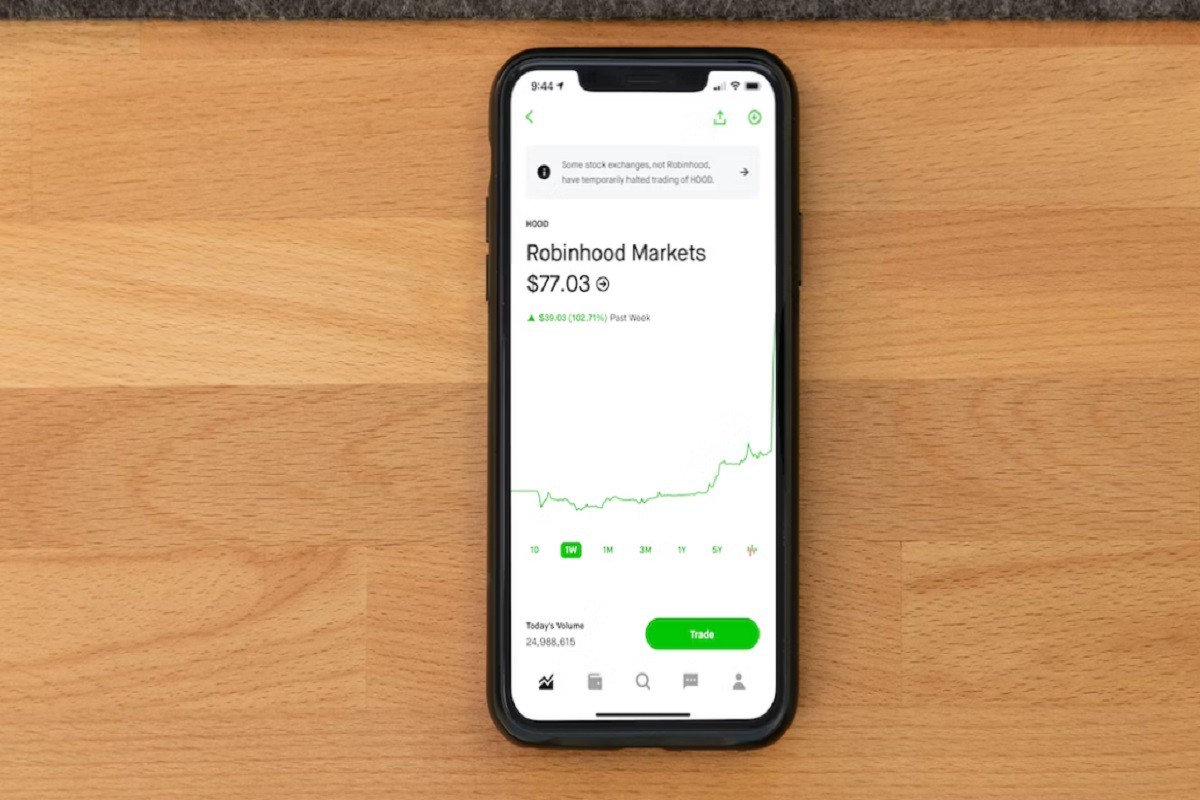
For many users, the first encounter with dividend yield occurs on the individual stock or ETF detail page. When you search for a ticker symbol—such as Apple (AAPL) or a dividend-focused ETF like SCHD—Robinhood provides a "Stats" section below the primary price chart.
Within this section, the Dividend Yield is listed alongside other key metrics like Market Cap, P/E Ratio, and Average Volume. It is important to note that Robinhood generally displays the forward dividend yield. This is calculated by taking the most recent dividend payment announced by the company, annualizing it (multiplying by the number of payments per year, typically four for quarterly payers), and dividing that sum by the current market price of the stock.
For example, if a stock currently trades at $100 and the company just announced a $1 quarterly dividend, the annualized dividend is $4. The dividend yield displayed on Robinhood would be 4.00%. Because the denominator (stock price) fluctuates every second the market is open, the yield percentage you see on your screen is dynamic. If the stock price rises to $110, the yield drops to approximately 3.63%, even if the dividend payment remains the same.
The Technical Calculation: Trailing vs. Forward Yield
While Robinhood focuses on ease of use, sophisticated investors must distinguish between the two primary ways yield is calculated.
- Forward Dividend Yield: This is the estimate of a year's worth of dividends based on the most recent actual dividend payment. It assumes the company will continue to pay at that rate or higher. This is what most Robinhood users see.
- Trailing Dividend Yield (LTM): This is calculated using the total dividends actually paid out over the previous 12 months.
The discrepancy between these two can be significant during periods of economic volatility. If a company cuts its dividend, the trailing yield might still look attractively high because it includes old, larger payments. Conversely, the forward yield provides a more current "best guess" of future income. Robinhood sources this data from third-party providers, such as Nasdaq and Xignite. While generally accurate, there can be a slight delay between a company's official SEC filing and the update appearing on your mobile interface.
Dividend Reinvestment Plan (DRIP) on Robinhood
One of the most powerful features for Robinhood users is the Dividend Reinvestment Plan (DRIP). Historically, reinvesting dividends was a manual process or required high account minimums. On Robinhood, this process is automated and supports fractional shares.
When DRIP is enabled, any cash dividends you receive from a stock or ETF are automatically used to purchase more shares of that same security. Because Robinhood allows for fractional share trading, the entire dividend amount is put to work, even if it is only enough to buy 0.001 of a share. This process triggers on the dividend payment date, usually just after market open.
How to Enable or Disable DRIP
To manage this feature in 2026, navigate to the Account tab, select Investing, and then look for Dividend Reinvestment. You can choose to enable it for your entire portfolio or toggle it for specific individual stocks.
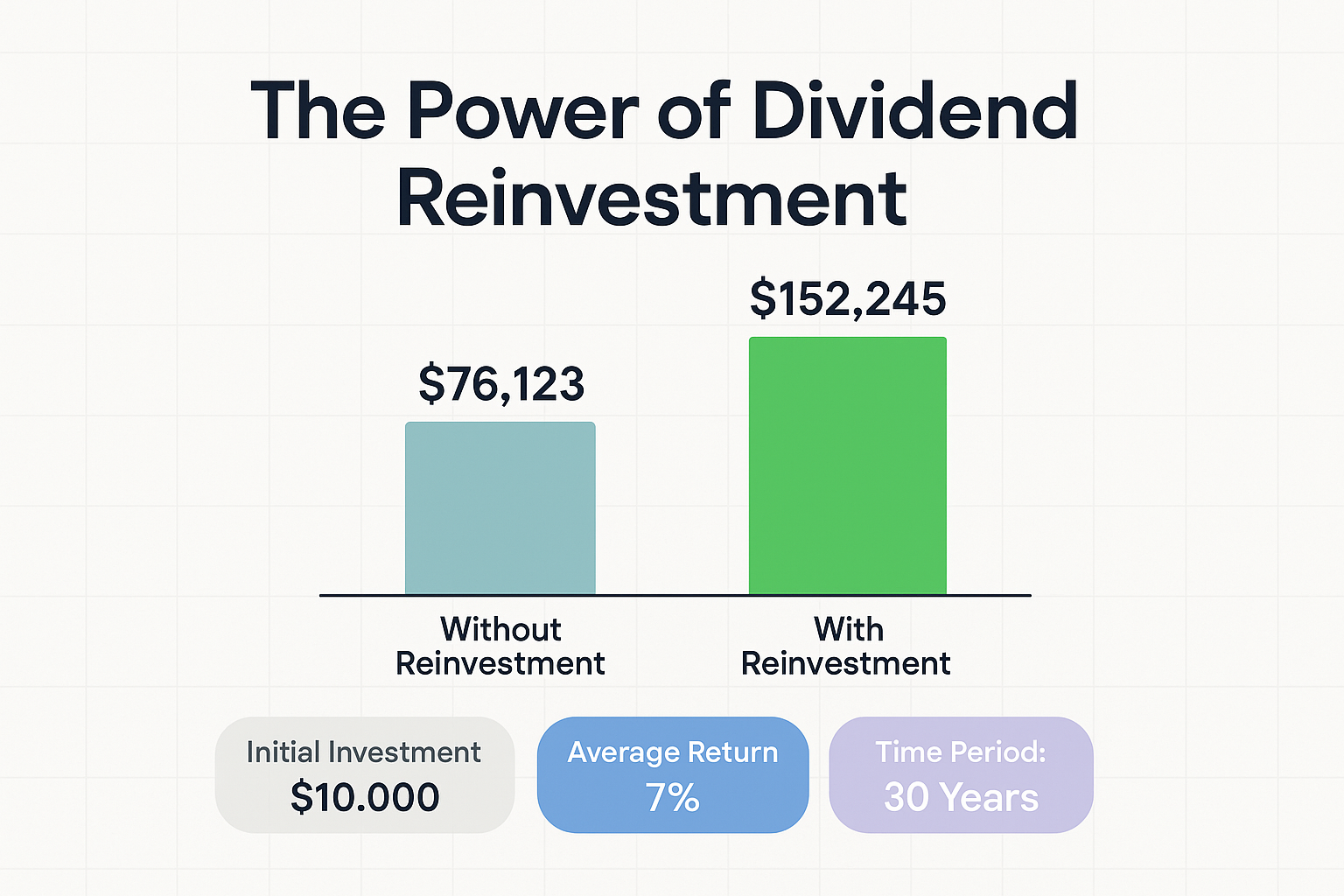
The primary advantage of DRIP is the power of compounding. By reinvesting dividends, you increase the total number of shares you own, which in turn increases the amount of the next dividend payment you receive. Over a multi-year horizon, this "snowball effect" can significantly outperform a strategy where dividends are simply taken as cash.
Understanding Key Dividend Dates
Investors often wonder why they didn't receive a dividend despite owning the stock. To understand "Robinhood dividend yield explained," one must master the calendar of distributions. The yield percentage is only relevant if you actually qualify for the payment.
| Date Term | Definition | Importance for Robinhood Users |
|---|---|---|
| Declaration Date | The day the company's board announces the next dividend. | Sets the amount and the schedule for the upcoming payment. |
| Ex-Dividend Date | The day the stock begins trading without the value of the next dividend. | You must purchase the stock before this date to receive the dividend. |
| Record Date | The date the company checks its books to see who owns the shares. | Usually one business day after the ex-dividend date. |
| Payment Date | The day the cash (or reinvested shares) actually hits your account. | This is when you will see a notification in your Robinhood "History" tab. |
A common mistake is buying a stock on the ex-dividend date thinking you will receive the upcoming payment. In reality, if you buy on or after the ex-dividend date, the previous owner receives the dividend, not you. You can find these dates for any specific company via the SEC's EDGAR database or the company’s official Investor Relations website.
Identifying and Avoiding "Yield Traps"
A high dividend yield on Robinhood—perhaps 10%, 15%, or higher—might look like an incredible opportunity, but it often signals a "yield trap." A yield trap occurs when a stock's price has plummeted because the company is in financial distress. Since the yield formula uses the stock price as the denominator, a crashing price makes the yield percentage spike.
In these scenarios, the company is often on the verge of cutting or suspending its dividend entirely to preserve cash. Investors who "chase yield" without looking at the underlying health of the company often suffer capital losses that far outweigh the dividend income. When analyzing a high yield on Robinhood, always check the Payout Ratio. While Robinhood does not always display this directly in the main stats, you can calculate it by dividing the annual dividend per share by the Earnings Per Share (EPS). A payout ratio over 75-80% is often considered unsustainable for most industries, with the exception of Real Estate Investment Trusts (REITs).
Tax Implications of Dividends on Robinhood
Dividends received in a standard Robinhood brokerage account are taxable events in the year they are received, even if you have DRIP enabled and never "touched" the cash. There are two primary classifications for tax purposes:
- Qualified Dividends: These are taxed at the long-term capital gains rate (0%, 15%, or 20% depending on your income). To qualify, you must hold the stock for more than 60 days during the 121-day period beginning 60 days before the ex-dividend date.
- Ordinary (Non-Qualified) Dividends: These are taxed at your standard federal income tax bracket rate. Most dividends from REITs and short-term holdings fall into this category.
Every February, Robinhood provides a Consolidated 1099 Tax Document which includes Form 1099-DIV. This form breaks down your total dividends and specifies which are qualified and which are ordinary. For detailed rules on dividend taxation, investors should refer to IRS Publication 550, Investment Income and Expenses.
Robinhood Gold and Cash Sweep vs. Dividends
In 2026, many users confuse the interest earned on uninvested cash with stock dividends. If you are a Robinhood Gold subscriber, your uninvested cash is "swept" to program banks where it earns a high APY (Annual Percentage Yield).
While both provide passive income, they are fundamentally different:
- Dividends come from corporate earnings of stocks/ETFs you own.
- Interest comes from the cash sitting in your account that isn't currently invested in securities.
The interest from the cash sweep is typically reported on Form 1099-INT, whereas stock income is on 1099-DIV. Understanding this distinction is vital for accurate financial planning and tax preparation.
Frequently Asked Questions
Why is the dividend yield on Robinhood different from other sites?
Yield calculations can vary based on whether a platform uses trailing or forward data, and how frequently they update the stock price used in the calculation. Robinhood's data might also lag slightly behind real-time exchange data during periods of high volatility.
Does Robinhood charge a fee for dividend reinvestment?
No. Robinhood does not charge commissions or service fees for the Dividend Reinvestment Plan (DRIP). This makes it a highly efficient way to build a portfolio without losing a percentage of your income to transaction costs.
Can I get dividends on fractional shares?
Yes. If you own 0.5 shares of a company that pays a $1.00 dividend, Robinhood will credit your account with $0.50. The system is designed to handle distributions down to the nearest penny.
What happens to my dividend if I sell the stock before the payment date?
As long as you held the stock through the market close on the day before the ex-dividend date, you are entitled to the dividend. You can sell the stock on the ex-dividend date or any time after, and you will still receive the payment on the scheduled payment date.
How do I see my upcoming dividends on Robinhood?
You can view pending dividends by navigating to the "History" section of your account. Robinhood typically shows "Pending" distributions a few days before the actual payment date, allowing you to see exactly how much cash is expected to arrive.
Is dividend yield guaranteed?
No. Unlike the interest on a savings account or a bond's coupon (in most cases), corporate dividends are discretionary. A company's board of directors can choose to reduce, skip, or eliminate dividends at any time based on the company's financial performance.
Practical Recommendation for 2026 Investors
When using Robinhood to build a dividend portfolio, do not rely solely on the "Dividend Yield" percentage shown in the stats. Instead, use it as a starting point for further research. Look for companies with a history of Dividend Aristocracy (increasing dividends for 25+ consecutive years) or consistent dividend growth.
Utilize the automated DRIP feature to ensure your wealth is compounding daily, but periodically review your "History" tab to ensure that your high-yield holdings haven't become yield traps. For those seeking a more hands-off approach, consider dividend-focused ETFs where the fund manager handles the selection and rebalancing of high-yield assets, providing diversification that individual stocks cannot offer.
Image Gallery