Danny Granger Teams: A Comprehensive History of His NBA Career
Danny Granger played for three active franchises during his ten-year NBA career: the Indiana Pacers, the Los Angeles Clippers, and the Miami Heat. While he was also officially signed or traded to the Philadelphia 76ers, Phoenix Suns, a...
Danny Granger played for three active franchises during his ten-year NBA career: the Indiana Pacers, the Los Angeles Clippers, and the Miami Heat. While he was also officially signed or traded to the Philadelphia 76ers, Phoenix Suns, and Detroit Pistons, he never appeared in a regular-season game for those organizations due to buyouts or persistent knee injuries.
Contents
Danny Granger’s journey through the NBA is a narrative of elite scoring prowess, a franchise-altering leadership role in Indiana, and a career ultimately curtailed by physical setbacks. As of 2026, he remains one of the most respected figures in Pacers history, representing the bridge between the "Malice at the Palace" era and the Eastern Conference Finals runs of the mid-2010s. Understanding the teams Danny Granger played for requires looking at both his statistical peaks and the transactional movements that defined the latter half of his professional life.
The Indiana Pacers (2005–2014): The Foundation and the Peak
The Indiana Pacers drafted Danny Granger with the 17th overall pick in the 2005 NBA Draft. At the time, the Pacers were an organization in flux, reeling from the aftermath of the 2004 brawl and the aging of franchise icon Reggie Miller. Granger, a versatile forward out of New Mexico, was seen as a high-upside prospect who could provide much-needed perimeter scoring.
Early Development and Rise to Stardom
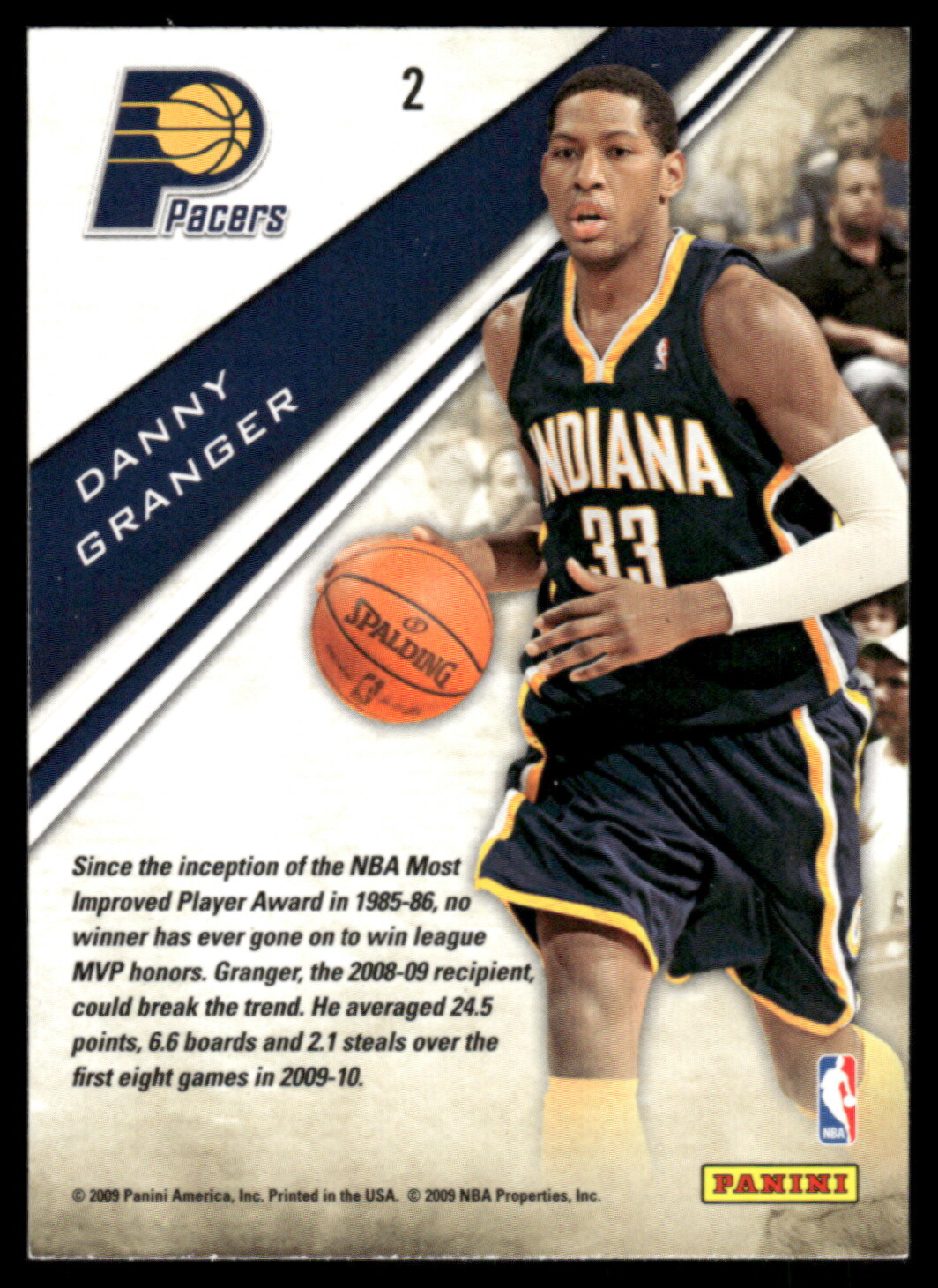
Granger’s rookie season saw him play a supporting role, but his trajectory changed rapidly. By his third season (2007–2008), he became the primary scoring option for Indiana, averaging 19.6 points per game. His breakout arrived in the 2008–2009 season, where he averaged a career-high 25.8 points per game. This performance earned him the NBA Most Improved Player Award and his sole NBA All-Star selection.
During this peak, Granger was one of the league's premier "three-and-D" prototypes before the term became a staple of modern basketball jargon. He possessed a lightning-quick release on his jump shot and the length to bother elite wings on the defensive end. He was the undisputed face of the franchise, carrying a heavy offensive load while the front office rebuilt the roster around him.
Mentorship and the Passing of the Torch
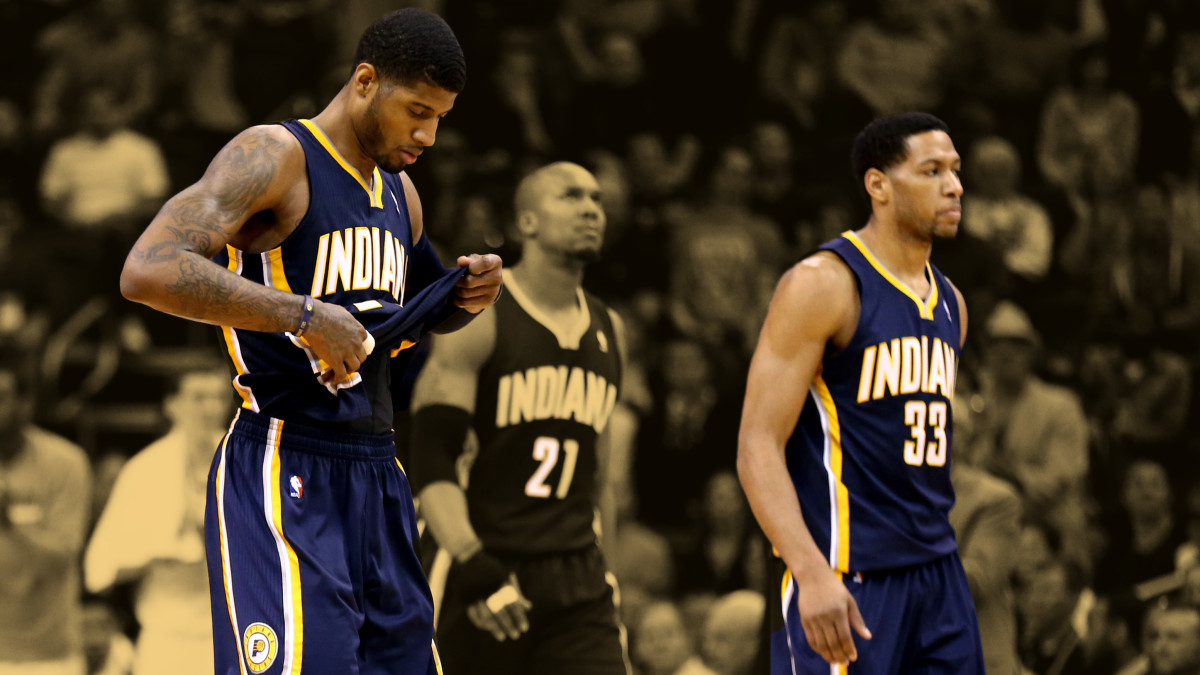
Perhaps Granger’s most significant contribution to the Pacers was his role in mentoring a young Paul George and Lance Stephenson. As the Pacers drafted George in 2010, Granger embraced the veteran leadership role. However, the 2012–2013 season marked the beginning of the end for his time in Indianapolis. Patellar tendinosis in his left knee limited him to just five games that season. During his absence, Paul George blossomed into an All-Star, and the team’s identity shifted toward a defensive-heavy system led by Roy Hibbert and David West.
The Philadelphia 76ers (2014): The Invisible Chapter
On February 20, 2014, the Pacers made a move that shocked the locker room and the fan base. They traded Danny Granger and a second-round pick to the Philadelphia 76ers in exchange for Evan Turner and Lavoy Allen. The trade was intended to provide the Pacers with more bench scoring for a championship push, but it was widely criticized for damaging the team's chemistry.
Granger’s tenure with the 76ers was strictly a "paper" transaction. At that stage, Philadelphia was in the midst of an aggressive rebuilding phase (the "Process" era) and had no intention of playing a veteran on an expiring contract. After evaluating his options, Granger and the 76ers agreed to a contract buyout on February 26, 2014. He never wore a 76ers jersey in a game, becoming a free agent just days after the trade.
The Los Angeles Clippers (2014): A Quest for a Ring
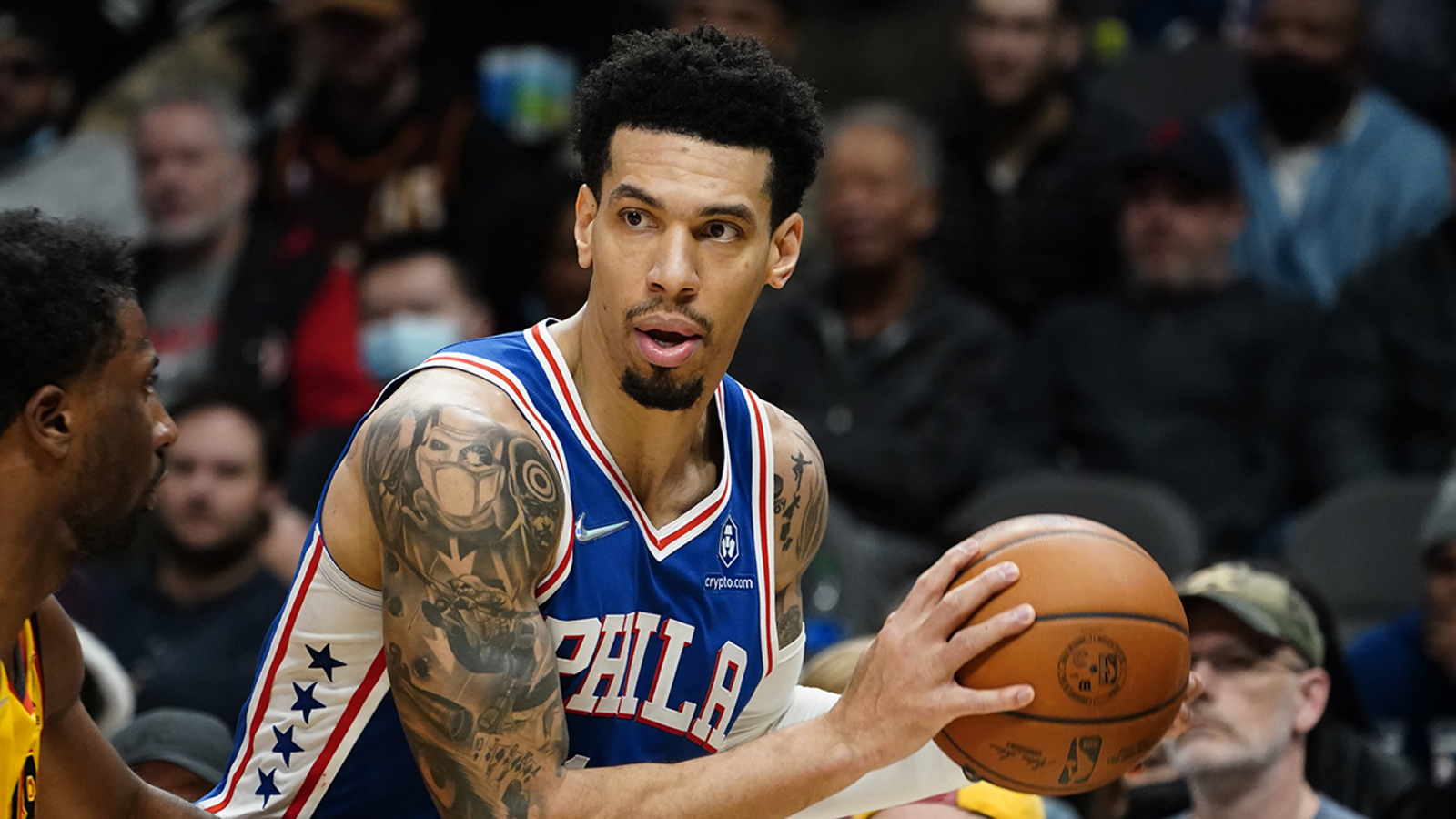
Following his buyout from Philadelphia, Granger signed with the Los Angeles Clippers for the remainder of the 2013–2014 season. Joining a team led by Chris Paul and Blake Griffin, Granger was utilized as a veteran floor-spacer off the bench.
In Los Angeles, Granger appeared in 12 regular-season games and 13 playoff games. While he showed flashes of his former self, providing valuable perimeter shooting, his lateral mobility was clearly compromised by his previous knee surgeries. Despite the limitations, he was a key veteran presence during the Clippers' playoff run, which ended in a hard-fought second-round loss to the Oklahoma City Thunder. This stint was his best opportunity to contribute to a contender in the Western Conference.
The Miami Heat (2014–2015): Final Active Minutes
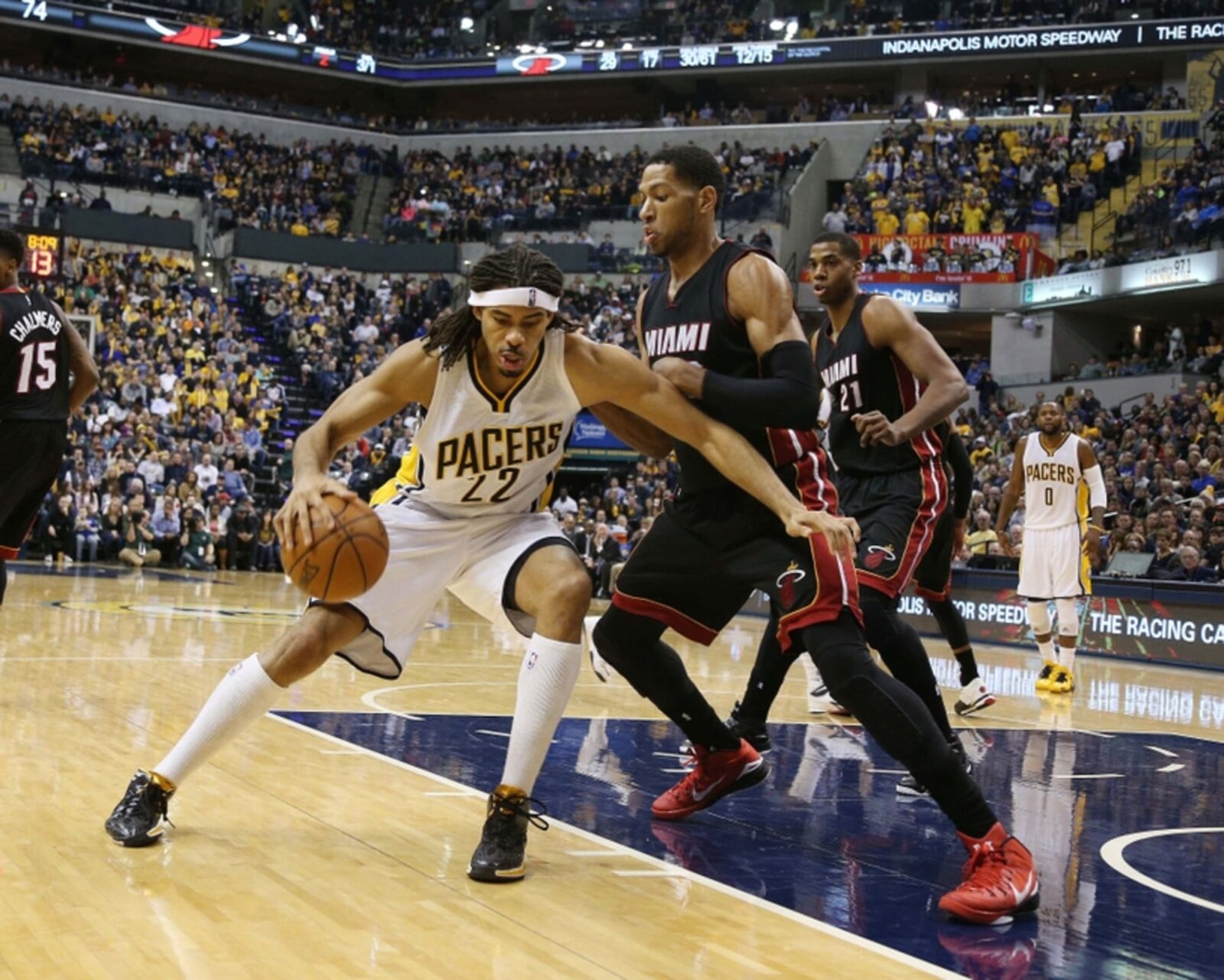
In July 2014, Granger signed a two-year contract with the Miami Heat. The Heat were in a state of transition following LeBron James' departure back to Cleveland. The hope was that Granger could revitalize his career in Miami’s famed "Heat Culture" and provide veteran scoring alongside Dwyane Wade and Chris Bosh.
Granger played 30 games for the Heat during the 2014–2015 season. He averaged 6.3 points in roughly 20 minutes per game. There were nights where his veteran savvy and shooting stroke helped Miami stay competitive, but the durability issues persisted. He struggled to find a consistent rhythm as the Heat's rotations shifted due to various injuries across the roster.
The Phoenix Suns and Detroit Pistons (2015): The End of the Road
In February 2015, the Miami Heat included Granger in a massive three-team trade to acquire Goran Dragic from the Phoenix Suns. This move sent Granger to Phoenix, but his health once again prevented him from taking the court. He spent the remainder of the 2014–2015 season on the Suns' inactive list while undergoing further rehabilitation on his knees.
In the summer of 2015, the Suns traded Granger to the Detroit Pistons along with Reggie Bullock and Marcus Morris in a move designed to clear cap space. Granger remained on the Pistons' roster through the preseason, but the team ultimately waived him in October 2015. This marked the end of his professional playing career. While he attempted several comebacks, the physical toll of his knee injuries made it impossible to return to the rigors of an 82-game NBA schedule.
Danny Granger’s Career Team Summary
The following table outlines the franchises Danny Granger was associated with, distinguishing between active playing time and transactional stints.
| Team | Years | Status | Games Played |
|---|---|---|---|
| Indiana Pacers | 2005–2014 | Active Player | 544 |
| Philadelphia 76ers | 2014 | Trade/Buyout | 0 |
| Los Angeles Clippers | 2014 | Active Player | 12 |
| Miami Heat | 2014–2015 | Active Player | 30 |
| Phoenix Suns | 2015 | Trade/Inactive | 0 |
| Detroit Pistons | 2015 | Trade/Waived | 0 |
Technical Analysis of Granger’s Impact on His Teams
To understand why so many teams were interested in Granger even after his peak, one must look at the technical specifications of his game. Granger was a 6'9" forward with a 7'1" wingspan. In his prime, he was a high-volume shooter who maintained efficiency, a rarity in the mid-2000s.
- Perimeter Threat: In the 2008-09 season, Granger attempted 6.7 three-pointers per game, making them at a 40.4% clip. This gravity opened up the paint for teammates like Roy Hibbert and David West.
- Defensive Versatility: Before his injuries, Granger was capable of guarding multiple positions. His length allowed him to contest shots against power forwards while his footwork was sufficient to stay with smaller wing players.
- The "Indiana System": Under coach Frank Vogel, Granger was the focal point of an "inside-out" offense. Even as his scoring dipped, his presence required double-teams, which facilitated the growth of the Pacers' young core.
The Legacy of Danny Granger
As of 2026, Danny Granger is remembered as the quintessential "professional." His departure from Indiana is often cited by sports analysts as a cautionary tale of how trading a locker-room leader can impact a championship-caliber team. Although his stints with the Clippers and Heat were brief, he provided those organizations with veteran intelligence and a reliable outside shot when healthy.
His career earnings exceeded $70 million, reflecting his status as a premier wing in the NBA during his prime. Today, he is frequently seen around the Indiana Pacers organization, where he remains a fan favorite and a symbol of the grit that defined the franchise during the late 2000s.
Frequently Asked Questions
Why did the Indiana Pacers trade Danny Granger in 2014?
The Pacers traded Granger to the Philadelphia 76ers for Evan Turner and Lavoy Allen. The front office believed that Turner would provide better secondary playmaking and bench scoring for the playoffs. However, the trade was widely viewed as a mistake because it disrupted the team's strong chemistry and veteran leadership.
Did Danny Granger ever win an NBA Championship?
No, Danny Granger never won an NBA Championship. His deepest playoff runs occurred with the Indiana Pacers and the Los Angeles Clippers, but he was unable to secure a ring before injuries forced his retirement.
What was Danny Granger's best season?
Granger's best season was 2008–2009. He averaged 25.8 points, 5.1 rebounds, and 2.7 assists per game. He was named an All-Star and won the NBA Most Improved Player award that year.
How many All-Star games did Danny Granger play in?
Danny Granger was selected to one All-Star game, which took place in 2009. He represented the Eastern Conference.
Why did Danny Granger retire so early?
Granger effectively retired at age 32 due to chronic knee issues, specifically patellar tendinosis. These injuries robbed him of his explosiveness and lateral quickness, making it difficult to compete at the NBA level despite multiple attempts at rehabilitation.
Practical Recommendation for Fans and Researchers
If you are researching Danny Granger's impact on his various teams, it is highly recommended to look at his "On/Off" court statistics during his years with the Indiana Pacers. These metrics highlight how the Pacers' offensive efficiency plummeted when he was not on the floor, illustrating his value beyond traditional box score stats. For those interested in his post-playing career, Granger has been involved in various real estate ventures and occasionally contributes to sports media, providing expert analysis on the modern wing position he helped pioneer.
Image Gallery