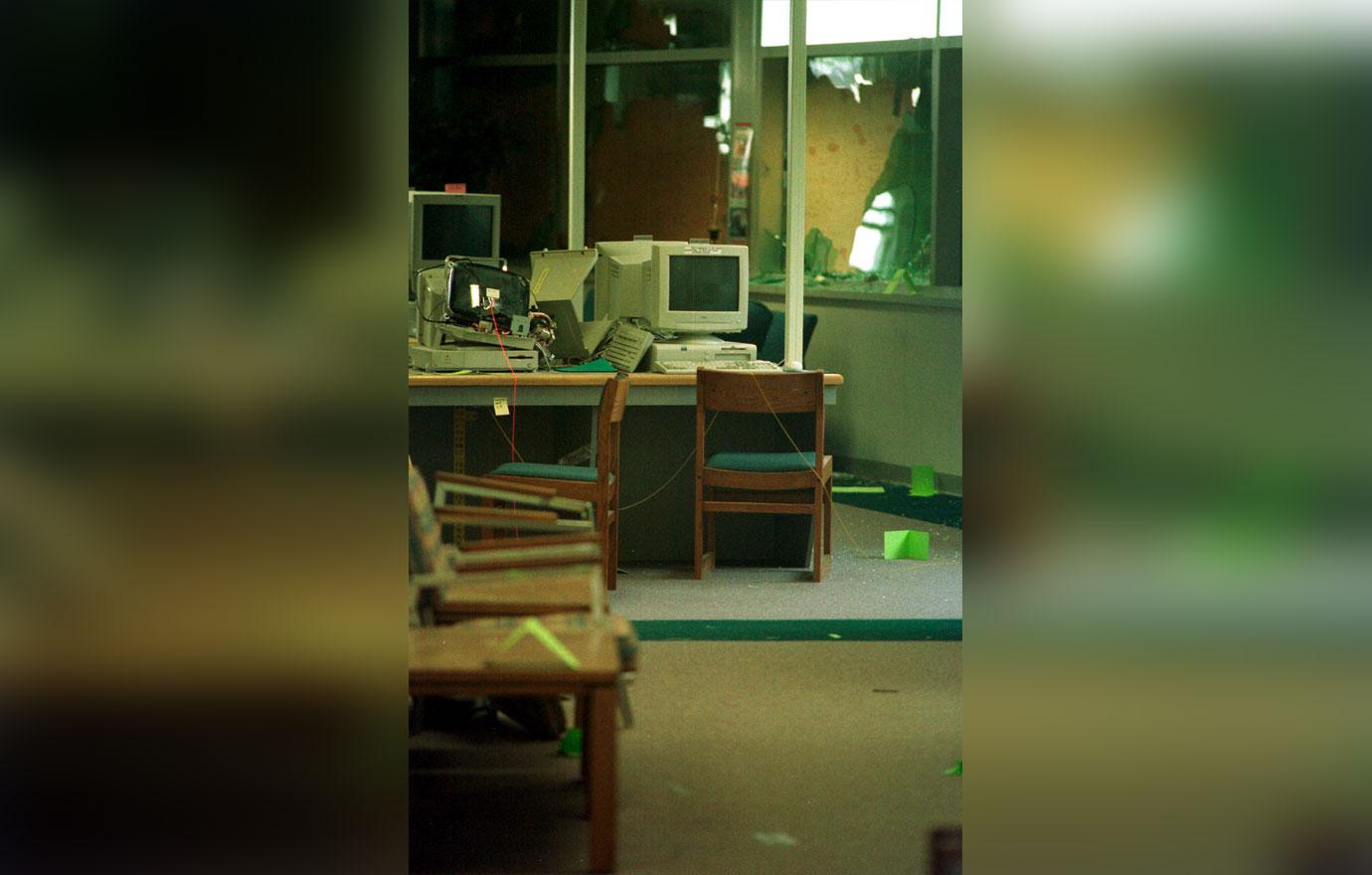
Historical Documentation and Archival Ethics of the 1999 Columbine High School Incident in 2026
The search for visual records related to the Columbine High School incident is primarily driven by academic researchers, historians, and media analysts seeking to understand the sociological and security impacts of the April 20, 1999,...
The search for visual records related to the Columbine High School incident is primarily driven by academic researchers, historians, and media analysts seeking to understand the sociological and security impacts of the April 20, 1999, tragedy. This article examines the availability, ethical distribution, and archival status of these materials as of 2026.
Contents
The Evolution of Archival Standards for Sensitive Historical Media
Since the events of 1999, the management of visual documentation regarding school violence has undergone a significant transformation. As of 2026, the primary responsibility for the custody of evidence files, including site photography and internal investigative imagery, lies with the Jefferson County Sheriff's Office and, in a secondary capacity, the various historical societies tasked with preserving the local narrative.
The professional consensus among archivists in 2026 emphasizes a clear distinction between raw evidentiary documentation and public educational resources. While public interest remains high, the digitization and dissemination of graphic material are strictly governed by the rights of the families of the victims and the legal precedents regarding public records access.
Categorizing Visual Evidence and Public Access
In 2026, the digital landscape for locating historical imagery is filtered through professional databases rather than open-access search engines, which often prioritize sensationalized or unauthorized content. The following table outlines the authoritative categories of visual documentation available to the public versus those restricted to official investigation files.
| Document Type | Accessibility Level | Primary Custodian | Purpose |
|---|---|---|---|
| Exterior Crime Scene Photographs | Restricted / Selective | Jefferson County Archives | Legal/Historical Record |
| Public Press/Media Coverage (1999) | High | Library of Congress | Journalism Archive |
| Official Investigative Reports (Text) | Open | FBI/Law Enforcement Portal | Academic Research |
| Evidence Room Photographs | Prohibited | Judicial System | Restricted Evidence |
| Memorial and Tribute Imagery | Public | Columbine Memorial Foundation | Commemoration |
Ethical Considerations in Digital History
The study of the Columbine tragedy in the academic year 2026 necessitates a rigorous adherence to digital ethics. When researching visual media, scholars must consider the potential for misinformation and the presence of manipulated digital assets. The prevalence of generative AI in 2026 has increased the risk of synthetic media being misidentified as authentic historical imagery.
To verify the authenticity of any visual documentation, researchers are advised to use the following verification workflow:
- Cross-reference the source against known, verified repositories such as the Jefferson County historical archives.
- Examine the metadata (where available) for consistency with 1999-era capture technology.
- Consult the published reports from the 1999–2000 period, which serve as the definitive account of the site’s physical layout and state immediately following the event.
The Role of the Columbine Memorial in 2026
The Columbine Memorial, located near the site of the original events, serves as the definitive space for public engagement. As of 2026, the visual record of the school has been largely superseded by the visual record of the memorial, which focuses on healing and community resilience. For individuals seeking photographic evidence of the aftermath, the memorial’s official digital portals offer a more ethical and accurate representation of the historical reality than unvetted third-party galleries.
Institutional Memory and Respect
The preservation of visual history surrounding school violence is not merely a task of technical storage but a moral obligation to the affected community. In 2026, academic and media institutions are expected to prioritize the dignity of the victims over the demand for graphic visual content. Researchers are encouraged to engage with official historical records that provide the necessary context without the distribution of exploitative or harmful imagery.
Technical Limitations of Historical Search
Search algorithms in 2026 prioritize safety and content filtering. Queries for raw crime scene imagery often trigger safety mechanisms designed to prevent the exposure of violent or non-consensual graphic content. This is a standard industry practice across all major search engines to ensure compliance with digital safety guidelines.
For those conducting legitimate research, moving beyond generic search terms is critical. Using targeted queries within recognized library archives—such as the National Archives or university-based history databases—will yield higher-quality, verified, and ethically sourced historical data than broad internet searches.
Frequently Asked Questions Regarding Historical Archives
Are original crime scene photos from the 1999 event available for public viewing? No, the majority of original crime scene imagery remains under the seal of the relevant law enforcement agencies and is not available for public dissemination due to ongoing privacy protections and ethical standards regarding sensitive evidence.
Where can researchers find verified historical documentation? Researchers should consult the official Jefferson County records and the Library of Congress archives, which house the documented history of the event within an academic and legal framework.
How can I differentiate between authentic archival photos and modern fabrications? Authenticity is best verified by checking the source attribution; legitimate historical images will always be hosted by, or cited by, recognized educational, governmental, or reputable archival institutions rather than third-party image aggregators.
Does the 2026 school site look the same as it did in 1999? No, the physical site has undergone significant architectural changes and renovations over the past two decades to move past the trauma of the event and provide a safe learning environment for current students.
Why do search results for this topic often show limited visual content? Most reputable search engines in 2026 utilize stringent safety filters to suppress the indexing of graphic or traumatic content, prioritizing the privacy of survivors and the ethical boundaries of historical documentation.
Moving Forward with Ethical Historical Inquiry
The study of the 1999 incident remains a vital part of educational curricula in 2026, particularly in fields related to sociology, criminal justice, and school security policy. By focusing on official reports and vetted archives, researchers can contribute to a more profound understanding of the event’s impact on society without relying on graphic visual documentation that serves little pedagogical purpose. For further research, scholars are encouraged to visit the official administrative portals of the Jefferson County community or contact the relevant archival departments for access to approved historical documentation.
Image Gallery