Dominique Ansel Net Worth: Understanding the Financial Success of the Culinary Innovator
Dominique Ansel holds an estimated net worth ranging between $5 million and $10 million, accumulated through his pioneering career as a master pastry chef, successful global bakery owner, bestselling cookbook author, and high-profile b...
Dominique Ansel holds an estimated net worth ranging between $5 million and $10 million, accumulated through his pioneering career as a master pastry chef, successful global bakery owner, bestselling cookbook author, and high-profile brand partnerships. Rather than inheriting a vast estate or selling a massive corporate conglomerate, Ansel built his wealth organically through culinary innovation, intellectual property, and high-margin retail operations.
Contents
Understanding the financial standing of a modern celebrity chef requires looking past standard Hollywood accounting to examine the mechanics of high-end gastronomy. While culinary arts rarely match the valuation milestones of tech founders or Wall Street financiers, elite pastry chefs who successfully scale their intellectual property and establish iconic retail flagships can achieve significant personal wealth. This profile examines how Dominique Ansel transitioned from a small-town French bakery apprentice into an internationally recognized brand, generating substantial revenues through retail locations, brand licensing, book sales, and television appearances.
The Foundations of a Culinary Career
To understand Dominique Ansel’s net worth, one must trace his trajectory from humble beginnings in northern France to the pinnacle of global pastry arts. Born in Beauvais, France, Ansel began his professional culinary training at the age of 16, working in local kitchens before moving to Paris to hone his craft at high-end establishments.
His breakthrough came when he joined the prestigious Parisian luxury food house Fauchon. During his time at Fauchon, Ansel rose through the ranks to become the head pastry chef, managing large production teams and overseeing international store openings. This corporate culinary environment provided him with critical exposure to high-volume production, quality control, and the commercial realities of running a high-end food business.
In 2006, Daniel Boulud, one of America's most celebrated restaurateurs, recruited Ansel to move to New York City to serve as the executive pastry chef for Restaurant Daniel. During Ansel’s tenure, Restaurant Daniel earned a prestigious three-star Michelin rating and a four-star review from The New York Times, cementing his reputation among the global culinary elite. This foundational period not only elevated his professional profile but also provided him with the operational expertise and professional network necessary to launch his own enterprise.
Launching Dominique Ansel Bakery and the Cronut Phenomenon
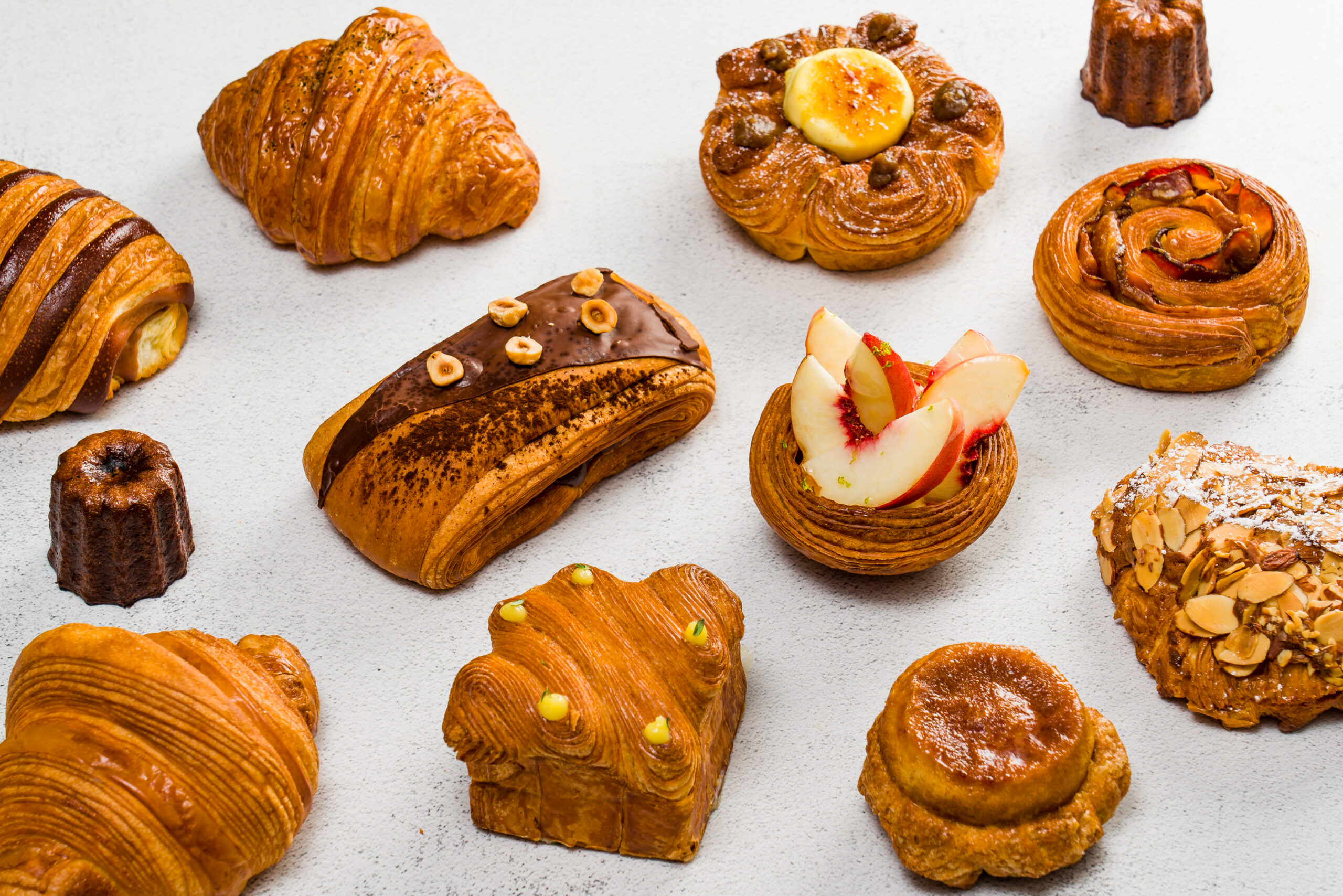
The most critical turning point in Dominique Ansel’s financial trajectory occurred in November 2011, when he opened his eponymous shop, Dominique Ansel Bakery, on Spring Street in New York City’s SoHo neighborhood. Self-funded and operating as an independent small business, the bakery initially focused on classic French pastries executed with modern precision.
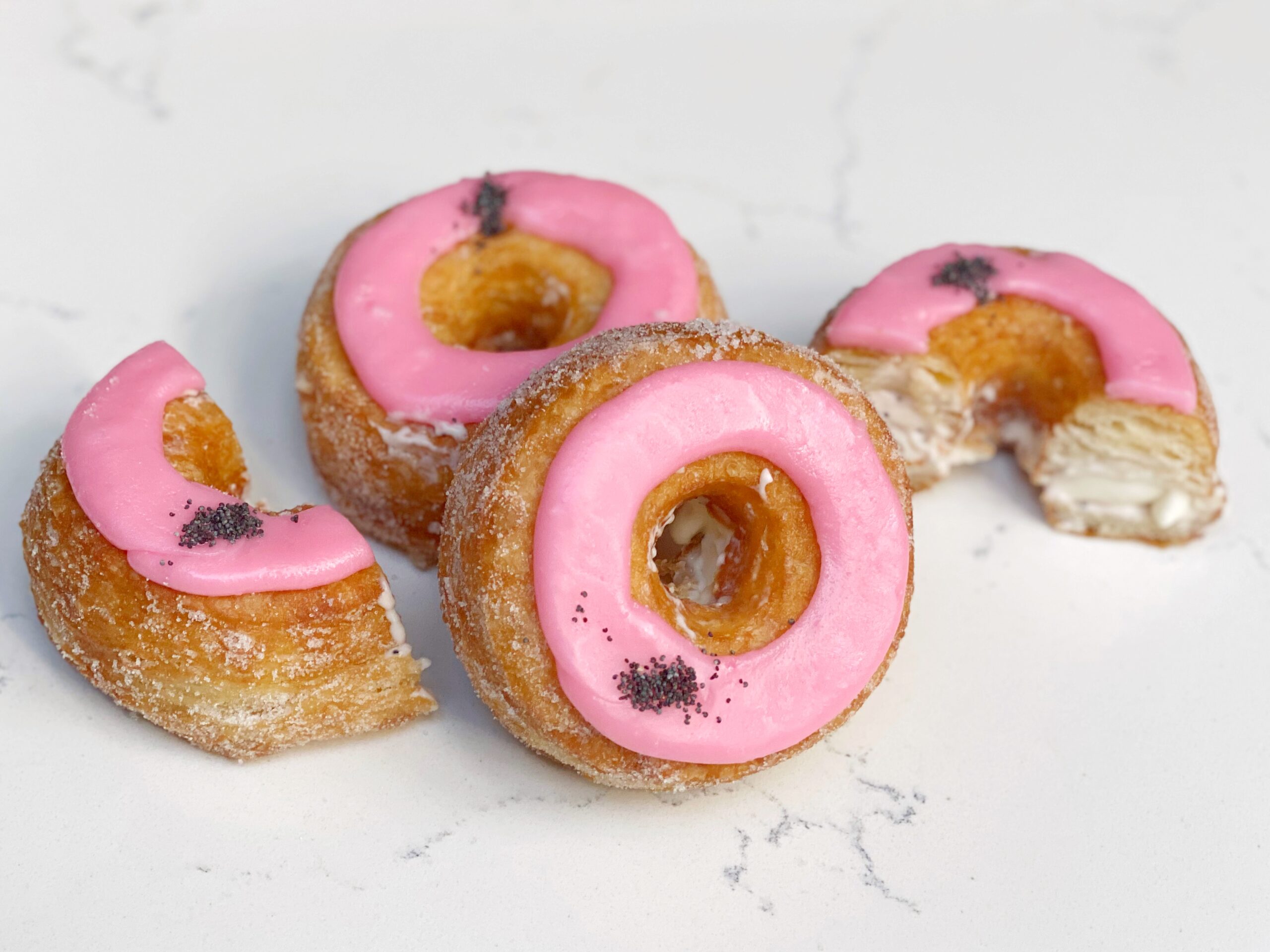
However, the defining moment of his career—and the primary catalyst for his long-term net worth—occurred in May 2013 with the creation of the Cronut, a hybrid pastry combining the structural characteristics of a croissant and a doughnut.
| Metric / Detail | Cronut Phenomenon Impact |
|---|---|
| Launch Date | May 2013 |
| Trademark Status | Trademarked by Dominique Ansel in 2013 |
| Market Reaction | International media coverage, blocks-long daily queues |
| Revenue Impact | Substantial immediate cash flow and sustained global brand awareness |
| Business Legacy | Transformed a local SoHo bakery into an international culinary brand |
The Cronut sparked a global food trend, generating massive daily lines outside the SoHo shop, international media coverage, and widespread imitation across the baking industry. Crucially, Ansel trademarked the name "Cronut," protecting his intellectual property and ensuring that derivative products built and sustained his brand value rather than merely enriching competitors. The massive margins generated by the viral pastry provided the necessary capital to expand operations, test new concepts, and fund future international ventures.
Global Expansion and Revenue Streams
While the SoHo flagship remains the spiritual heart of the brand, Ansel systematically expanded his business footprint, creating a diversified portfolio of revenue streams that fortify his net worth.
Retail Flagships and International Locations
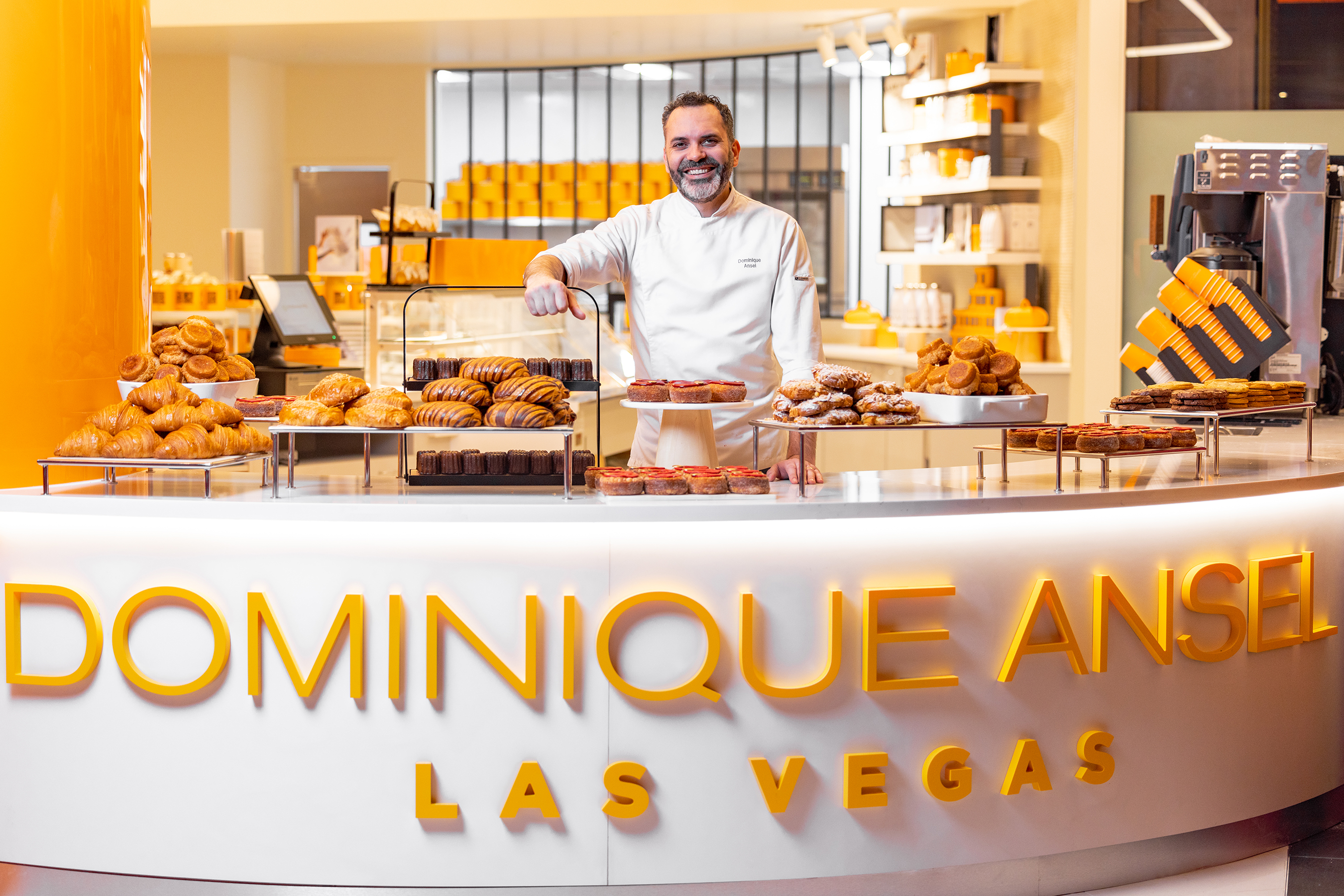
Following the success of his SoHo shop, Ansel opened Dominique Ansel Kitchen in the West Village, which focused on made-to-order pastries, followed by operations in international markets. Partnerships and flagships in cities such as London, Los Angeles, Tokyo, and Hong Kong allowed him to leverage his brand internationally. Many of these international ventures operated through licensing agreements, joint ventures, or direct franchise models, providing steady streams of royalty payments and management fees with minimized direct operational risk.
Cookbook Publishing
Ansel expanded his brand into the publishing sector, authoring successful culinary books such as Dominique Ansel: The Secret Recipes (2014) and Everyone Can Bake: Simple Recipes to Master & Mix (2020). Cookbook advances, global translation rights, and direct sales contribute steadily to his overall financial portfolio.
Brand Partnerships and Consulting
As an internationally recognized culinary figure, Ansel has commanded lucrative endorsement deals and partnerships with major consumer brands, kitchen appliance manufacturers, and luxury lifestyle companies. Additionally, high-end culinary consulting for hospitality groups and luxury hotels yields significant short-term contract fees.
Comparing Chef Net Worth Models
Evaluating a chef's net worth requires distinguishing between television personalities, restaurateurs, and culinary innovators. The table below outlines how different paths in the culinary industry impact personal wealth accumulation.
| Professional Archetype | Primary Wealth Driver | Typical Net Worth Range | Asset Liquidity |
|---|---|---|---|
| Celebrity TV Chefs | Media contracts, product lines, syndication | $10M – $100M+ | High (IP & Media) |
| Culinary Innovators / Founders | Independent bakeries, trademarks, licensing | $5M – $10M | Moderate (Real estate & Business equity) |
| Fine Dining Restaurateurs | Multi-unit restaurant groups, equity stakes | $2M – $15M | Low (Tied to physical venues) |
| Corporate Executive Chefs | Salaries, performance bonuses, minor equity | $200K – $1M annual earnings | High (W-2 income) |
Unlike television chefs whose fortunes are frequently tied to mass-market media empires and massive consumer goods lines, Ansel’s wealth is anchored in high-end artisanal craftsmanship, proprietary recipes, and protected intellectual property.
Financial Management and Real Estate Considerations
Operating independent brick-and-mortar bakeries in high-rent urban centers like New York City and London involves significant operating costs. Commercial real estate overhead, specialized kitchen equipment maintenance, and skilled labor expenses represent major line items that impact net profit margins. Consequently, while gross revenues for popular bakeries are high, net earnings require meticulous cost management.
Furthermore, Ansel’s financial strategy has historically prioritized creative control and reinvestment over aggressive venture-capital-backed scaling. By retaining majority ownership of his flagship operations, he avoids the equity dilution common in venture-backed restaurant groups, allowing him to capture a higher percentage of profits when ventures succeed.
Frequently Asked Questions
What is Dominique Ansel’s primary source of wealth?
Dominique Ansel’s primary sources of wealth are his independent bakeries, led by his flagship SoHo location, alongside licensing deals, trademarked pastry concepts like the Cronut, bestselling cookbooks, and high-end brand partnerships.
Is Dominique Ansel a billionaire?
No. While he is a globally recognized pastry chef with a multi-million-dollar net worth, his business model centers on high-end culinary arts and artisanal retail rather than mass-market industrial food manufacturing or tech-scale enterprise.
How much does a Cronut cost to make versus sell?
While exact proprietary profit margins are private, artisan pastries like the Cronut command premium retail pricing—often exceeding $6 to $8 per item—against relatively low raw ingredient costs, though labor and specialized preparation overhead reduce the net profit margin.
Does Dominique Ansel still own his bakeries?
Yes, Dominique Ansel remains actively involved as a chef, creator, and owner of his foundational properties while collaborating with international partners for specific overseas locations.
Summary and Next Actions
Dominique Ansel’s net worth reflects a successful career built at the intersection of creative culinary artistry and astute business execution. For aspiring culinary entrepreneurs, studying his trajectory highlights the importance of protecting intellectual property, maintaining product quality during periods of rapid scaling, and diversifying revenue streams beyond a single physical storefront. Those interested in the business of pastry arts should examine how independent chefs scale their personal brands through publishing, global licensing, and proprietary product development.
Image Gallery