What Is a Bathhouse in Japan? Types, Etiquette, and Visitor Guide
A bathhouse in Japan is a communal public facility designed for body washing, relaxation, and social connection in shared heated pools. Grounded in centuries of cultural tradition and strict public health standards, Japanese bathhouses...
A bathhouse in Japan is a communal public facility designed for body washing, relaxation, and social connection in shared heated pools. Grounded in centuries of cultural tradition and strict public health standards, Japanese bathhouses are primarily categorized into local neighborhood public baths (sento), natural geothermal mineral springs (onsen), and large modern spa complexes (super sento). Bathing in Japan follows a specific protocol centered on thorough personal cleansing before entering any shared water.
Contents
Understanding the Primary Types of Japanese Bathhouses
While Western bathhouses often focus on steam rooms, swimming pools, or recreational fitness, the Japanese bathhouse revolves around quiet soaking in meticulously temperature-controlled communal baths. Public bathing facilities in Japan fall under different legal classifications, regional water sources, and business models.
1. Sento (銭湯) — Traditional Neighborhood Public Baths
A sento is a traditional neighborhood bathhouse that uses heated municipal tap water or groundwater. Historically, sento served a essential public hygiene purpose in Japanese urban areas when individual home bathrooms were rare.
- Water Source: Standard tap or deep-well groundwater, heated via natural gas, wood, or electricity.
- Regulation and Pricing: Bath fees for standard sento are strictly regulated by local provincial or prefectural governments to keep public bathing affordable for all residents.
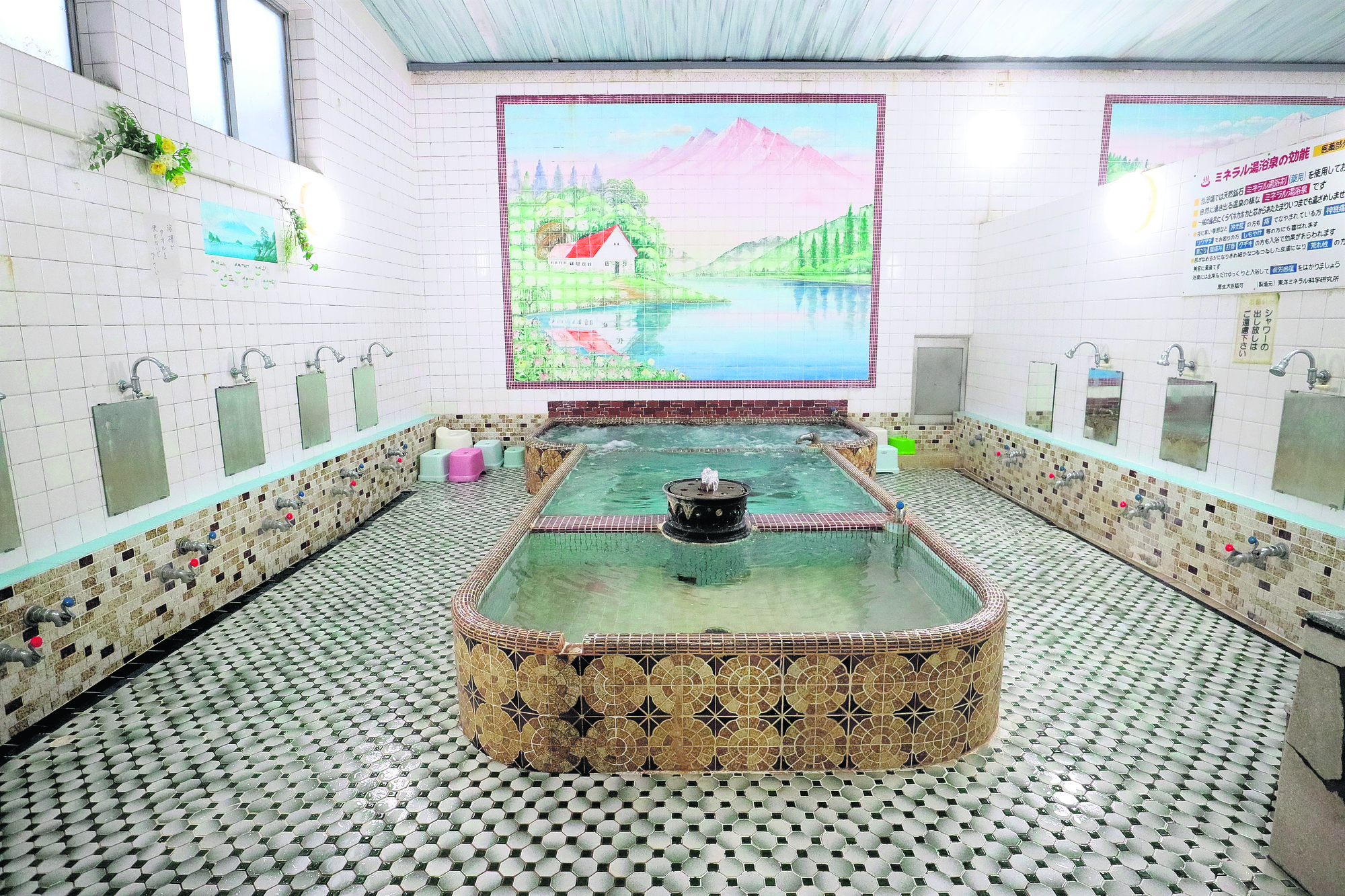
- Atmosphere: Functional, community-oriented, and retro. Standard features include tiled walls—often painted with scenic murals of Mount Fuji—and a central partition wall separating male and female bathing quarters.
2. Onsen (温泉) — Natural Geothermal Hot Springs
An onsen is a hot spring bath whose water originates from natural geothermal sources underground. Under Japan's Hot Springs Act (Onsen Hō), a body of water must meet specific natural criteria to legally claim the name onsen: the spring water must naturally emerge at a temperature of at least 25°C (77°F) or contain a required concentration of specific minerals, such as sulfur, iron, hydrogen ions, or metabolic minerals.
- Water Source: Volcanically or geothermally heated groundwater rich in natural minerals.
- Health and Wellness Focus: Visitors frequent onsen for tōji (traditional bath therapy) and skin care, as different mineral compositions (e.g., acidic springs, alkaline springs, carbonated springs) offer distinct health benefits.
- Atmosphere: Often located in resort towns, countryside mountains, or traditional Japanese inns (ryokan), featuring landscaped outdoor tubs (rotenburo) framed by natural scenery.
3. Super Sento (スーパー銭湯) — Modern Leisure Spa Facilities
A super sento is a modern, large-scale entertainment and wellness complex. While built around public baths, super sento function as all-day relaxation destinations combining bathing facilities with food courts, massage parlors, comic book libraries (manga lounges), rest rooms with reclining chairs, and specialized saunas.
- Water Source: Synthetic or natural mineral water, frequently featuring artificial carbonated pools (tanshansen), silk baths (silky buro), and electric stimulation pools (denkiburo).
- Target Audience: Families, social groups, and day-trippers seeking comprehensive leisure activities alongside public bathing.
Comparing Japanese Bathhouse Categories
The following matrix highlights the operational and structural differences between the three main bathhouse types:
| Feature | Sento (銭湯) | Onsen (温泉) | Super Sento (スーパー銭湯) |
|---|---|---|---|
| Primary Purpose | Daily hygiene & neighborhood community | Mineral therapy, rest & travel | Entertainment, wellness & relaxation |
| Water Source | Heated tap or well water | Natural geothermal spring water | Mixed (tap, synthetic, or piped spring water) |
| Price Range (JPY) | ~¥500 – ¥600 (Prefecture capped) | ¥800 – ¥3,000+ (Day use) | ¥1,000 – ¥2,500+ |
| Provided Amenities | Basic (bring or buy soap/towel) | Full amenities (towels, toiletries provided) | Full amenities, robes (yukata), lounge access |
| Outdoor Baths | Rare (mostly indoor pools) | Very Common (rotenburo) | Standard feature |
| Tattoo Acceptance | Moderately strict (varies by city) | Historically strict (private options available) | Very strict policy enforcement |
The Cultural Significance of Public Bathing in Japan
The practice of communal bathing in Japan dates back to ancient Shinto purification rites (misogi), where water was used to cleanse the body and spirit of impurity. During the 6th century, Buddhism introduced temple bathhouses where washing was treated as an act of spiritual devotion and health maintenance.
By the Edo period (1603–1867), sento became vital urban gathering places. Because wood-frame residential housing presented severe fire hazards, private home baths were strictly restricted. Citizens gathered daily at commercial bathhouses, fostering the socio-cultural concept of hadaka no tsukai (naked friendship). In the bathhouse, socio-economic divisions, formal attire, and social status were stripped away, allowing community members to interact on equal footing.
Although modern Japanese residential units overwhelmingly feature private soaking tubs, public bathing remains a deeply ingrained cultural habit. Bathhouses continue to thrive because soaking in deep, hot water is viewed not merely as a cleansing ritual, but as an indispensable tool for stress release, circulatory recovery, and social bonding.
Step-by-Step Guide: How to Visit a Japanese Bathhouse
Navigating a Japanese bathhouse for the first time can feel intimidating, but the routine follows a logical, universal sequence designed for hygiene and comfort.
- Entrance & Shoe Removal
- Payment & Ticket Counter
- Gender-Segregated Changing Rooms
- Showering & Body Washing Station
- Must scrub completely BEFORE soaking
- Soaking in Communal Tubs
- NO towels, soap, or long hair in water
- Drying Off & Return to Changing Room
Step 1: Entry and Shoes
Upon entering the building, remove your shoes immediately at the entrance area (genkan) and lock them inside a small shoe locker. Place the wooden or metal key in your pocket or wrist strap.
Step 2: Payment and Entry
Proceed to the reception counter (banto or front desk) or purchase an entrance ticket from an automated vending machine. If you do not have your own toiletries or towels, purchase or rent them here.
Step 3: Entering the Changing Area (Datsuiba)
Pass through the noren curtains indicating gender divisions:
- Male: Traditionally marked with the character 男 (otoko) and typically blue curtains.
- Female: Traditionally marked with the character 女 (onna) and typically red or pink curtains.
Inside the changing room, choose an open locker or clothing basket. Remove all clothing, including underwear and jewelry. Place your belongings inside the locker, lock it, and slip the key ring around your wrist or ankle. You should enter the bathing chamber carrying only your small modesty towel (tenugui) and your soap/shampoo.
Step 4: The Washing Station (Crucial Step)
Walk directly past the main soaking tubs to the individual washing stations equipped with low stools, plastic basins, handheld sprayers, and body soap.
- Sit on a stool to avoid splashing surrounding bathers.
- Wash and shampoo your hair, and thoroughly scrub your entire body.
- Rinse off all soap suds completely before standing up.
- Rinse down your stool and basin area for the next guest.
Step 5: Soaking in the Baths
Once completely clean and free of soap, enter the thermal pools slowly.
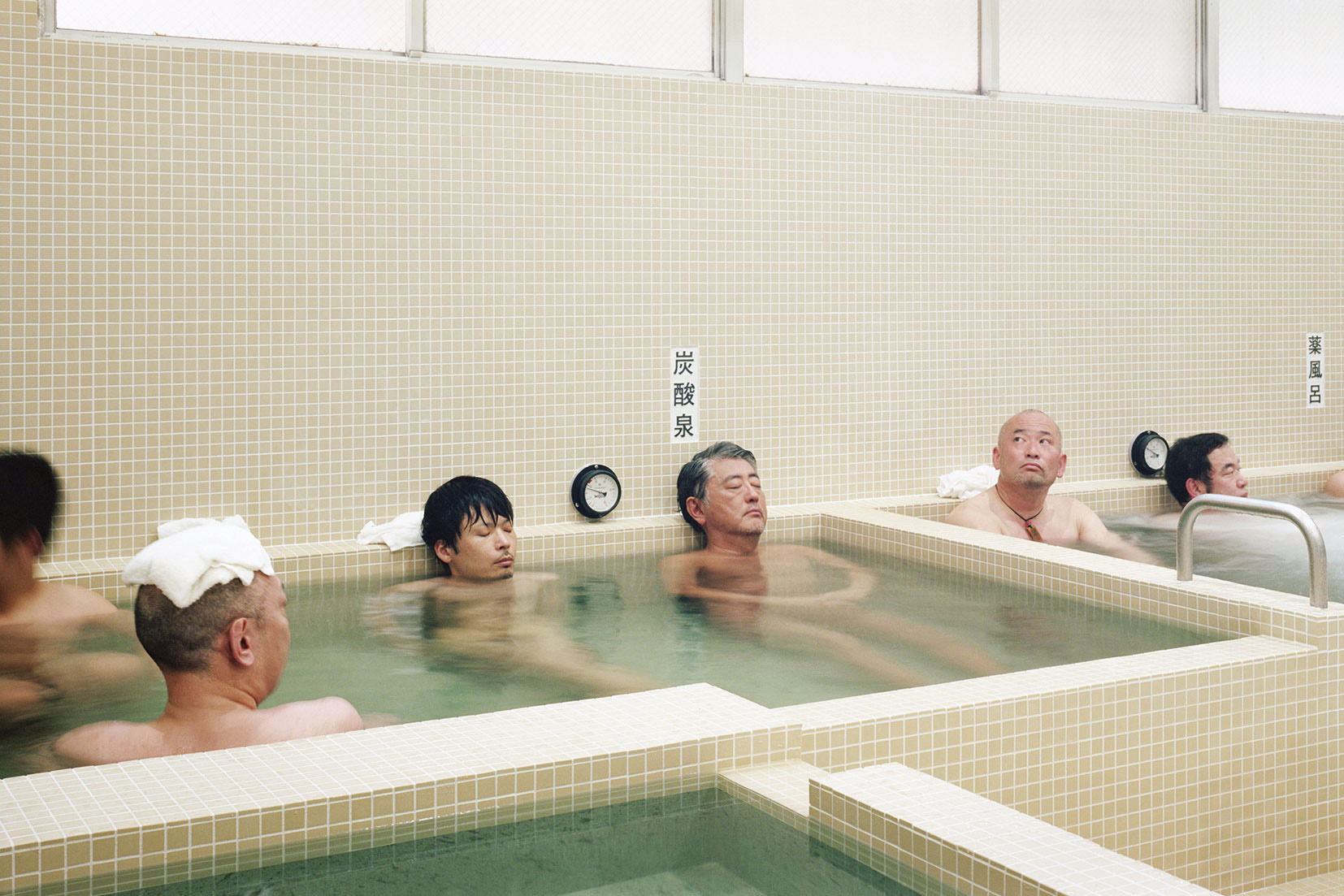
- Towel Etiquette: Your small modesty towel must never touch the soaking water. Fold it and place it on your head, lay it on the edge of the tub, or set it on a shelf nearby.
- Hair Care: Long hair must be tied up tightly with an elastic band or wrapped in a towel to prevent hair strands from floating in the bath water.
- Behavior: Keep your voice low. Diving, swimming, splashing, and submersing your head below the water surface are strictly forbidden.
Step 6: Cooling Down and Exiting
After soaking, return to the shower washing station if you wish to rinse off mineral deposits (though many leave onsen minerals on the skin for wellness benefits). Before stepping back onto the changing room carpet, use your small modesty towel to wipe off excess water from your body so you do not drip onto the changing room floor. Return to your locker, dry off completely, dress, and exit to the communal lounge.
Navigating Tattoo Rules and Regulations
Historically, tattoos (irezumi) were associated with criminal syndicates (Yakuza) in Japan. Consequently, public safety guidelines and commercial business rules banned individuals with visible body art from entering communal bathing spaces.
While social attitudes toward decorative tattoos among international visitors continue to evolve, policies vary by venue type:
- Super Sento: Extremely strict. Most commercial super sento prohibit tattoos of any size, and staff will ask visitors with visible tattoos to leave without a refund.
- Traditional Sento: Moderately accessible. Because standard sento are classified as public utility institutions, many municipal facilities permit tattoos or allow guests to cover small tattoos with waterproof bandages or silicon patches.
- Onsen & Ryokan: Varies by owner. Many high-end onsen offer private rental baths (kashikiri-buro) or rooms with attached private outdoor tubs (rotenburo-tsuki ky客室), which completely eliminate tattoo restrictions by providing private access.
Visitor Tip: If you have small tattoos, purchase skin-toned waterproof cover patches (tattoo cover seals) at Japanese drugstores or convenience stores before visiting. For extensive tattoos, reserve a private bath (kashikiri) to ensure access without conflict.
Frequently Asked Questions
Are bathhouses in Japan completely nude?
Yes. With very few exceptions (such as specialized unisex theme-park baths where rented swimwear is mandated), Japanese public bathhouses are strictly nude environments separated by gender. Swimsuits, underwear, and large towels are banned inside the shared pools because textiles carry soap residues and foreign fibers that compromise water sanitation standards.
What is the primary difference between a sento and an onsen?
The difference lies in the water supply and legal classification. A sento uses public utility tap water or local groundwater heated mechanically via gas, wood, or electrical systems. An onsen uses naturally occurring subterranean thermal spring water that meets official temperature (25°C or higher) and mineral composition requirements under the Japanese Hot Springs Act.
What should I bring to a Japanese bathhouse?
For a traditional local sento, bring a small hand towel (tenugui), a large drying bath towel, shampoo, conditioner, body soap, and a coin (typically ¥100) for shoe and clothes lockers. For high-end onsen and modern super sento, towels, body soaps, hairdryers, and skincare products are generally provided or included in the entry fee.
How hot is the water in a Japanese bathhouse?
Baths typically range from 39°C to 43°C (102°F to 109°F). Traditional neighborhood sento tend to favor hotter water temperatures around 42°C to 44°C, whereas modern thermal pools often offer varied options, including warm baths (38°C), hot tubs (42°C), and cold plunges (mizuburo, usually 15°C to 18°C) paired with sauna facilities.
Can men and women visit a Japanese bathhouse together?
Generally, no. Mainstream bathhouses are strictly divided into male and female quarters. Families with young children may bring young daughters into the male section or young sons into the female section up to a specific age limit defined by local municipal ordinance (typically between ages 6 and 9). Couples or mixed-gender families who wish to bath together must reserve private rental baths (kashikiri).
Next Steps for First-Time Visitors
If you are planning to experience a bathhouse during a trip to Japan, take the following steps to ensure a smooth, respectful visit:
- Start with a Super Sento or Private Onsen: If you feel self-conscious about public nudity or basic Japanese bathing procedures, visit a resort facility or book a private rental bath (kashikiri-buro) first to build confidence.
- Prepare a Bathing Kit: Pack a small modesty towel and a 100-yen coin for locker storage.
- Verify Tattoo Rules: Check the official website or call the venue beforehand if you have tattoos, or buy skin-matching cover patches in advance.
- Follow Local Etiquette: Always wash your body thoroughly before touching the pool water, keep your modesty towel out of the bath, and dry your body before re-entering the locker room.
Image Gallery